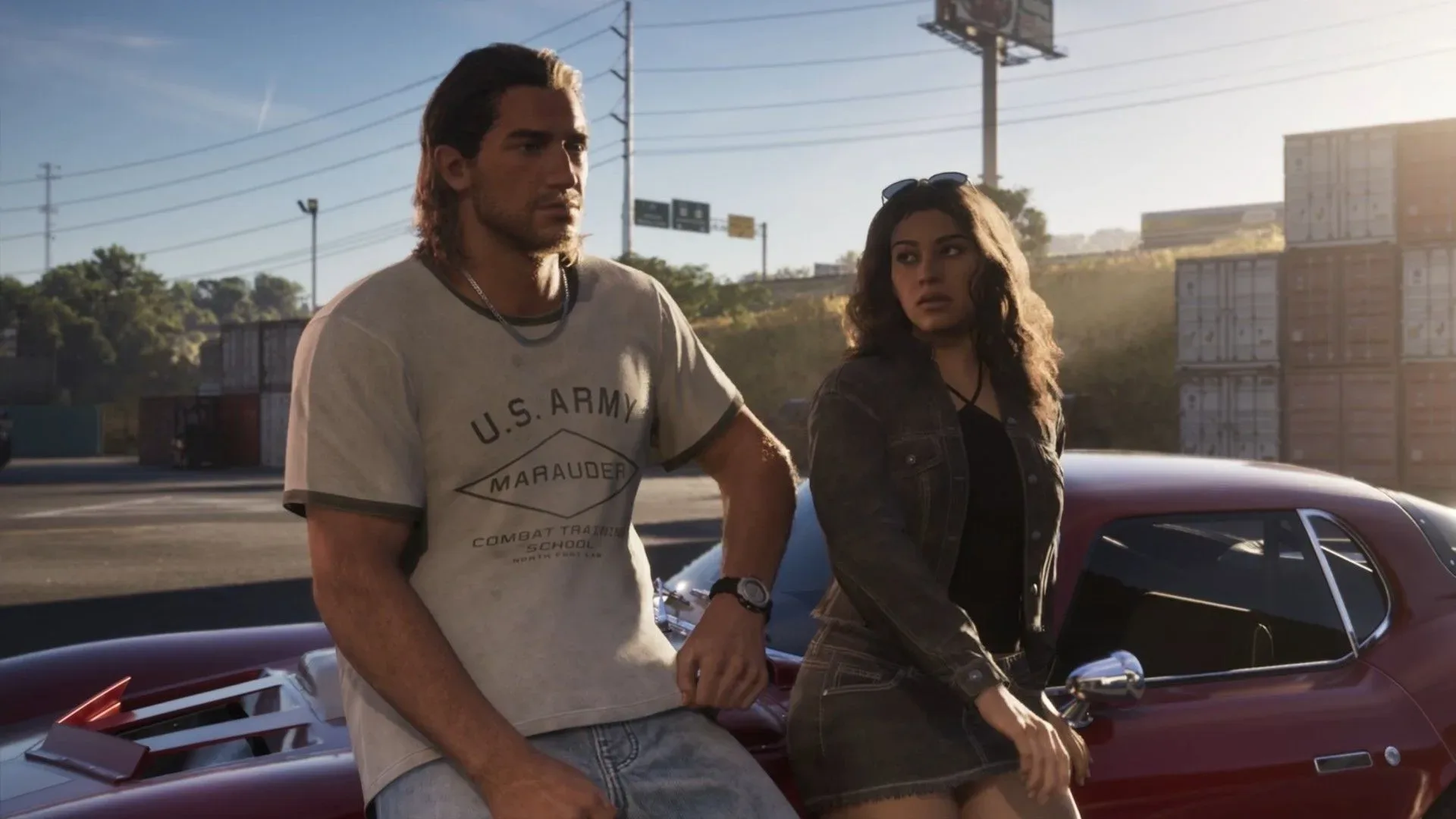
Grand Theft Auto 6 is shaping up to be more than a large game launch. New consumer-intent tracking from Circana puts the scale into unusually stark terms: 29% of gamers in the United States who play on console or PC say they intend to purchase Rockstar’s next Grand Theft Auto.
That is nearly one in three gamers, and Circana describes it as the highest anticipated-release result in its tracking history. The figure is an intention measure, not a sales forecast or a count of pre-orders. Even so, it signals an extraordinary concentration of interest around a single release—one that could affect spending on game software, current-generation hardware, accessories and subscription services heading into the holiday retail period.
The context matters. Players have waited 13 years for a follow-up to Grand Theft Auto 5, creating an unusually long gap between numbered entries in one of gaming’s most recognizable series. That kind of wait does not automatically translate into purchases, but it helps explain why GTA 6 is being treated as a broader consumer-technology event rather than merely another high-profile release.
What the 29% figure does—and does not—mean
The headline number is best read as a measure of current purchase intent among U.S. gamers across console and PC. It captures people saying they plan to buy GTA 6; it does not establish how many will ultimately do so, when they will buy, which edition they may choose, or whether they will purchase it at launch rather than later.
Those distinctions are important. Intent can shift as release timing, personal budgets, platform access and competing entertainment spending come into focus. Some players who intend to buy may wait for reviews, a sale, a hardware purchase or a version suited to their preferred platform. Others who have not yet expressed intent could still join in once the game is available.
Still, the result is notable precisely because it extends beyond the existing audience of any one console. Circana’s tracking includes gamers who primarily play on PC as well as console players. Rockstar is not set to release GTA 6 on PC storefronts at launch, which means interest from PC-first players does not necessarily equal immediate PC software sales. Instead, it illustrates how far the game’s attention reaches across the market—and why the launch could influence decisions well beyond a copy of the game.
Why hardware could be part of the GTA 6 purchase decision
One of the clearest practical implications concerns people who have not yet moved to a current-generation console. GTA 6 could become the purchase that turns an upgrade from a “maybe someday” plan into an immediate decision. Circana analyst Mat Piscatella said consumers who have yet to upgrade may specifically choose a PlayStation 5 or Xbox Series system in order to play the game.
That is what analysts mean when they describe a release as a hardware driver. The game itself is the immediate product being sought, but its platform requirements can trigger another purchase: the console needed to run it. A player may also buy a controller, headset, storage or other gaming-related equipment at the same time. These are not guaranteed outcomes for every buyer, but they are categories likely to benefit when a platform-defining launch brings lapsed or unconverted customers into the current console cycle.
Related coverage includes Circana: 29% of US Gamers Intend to Buy Grand Theft Auto 6.
The PC angle sharpens that point. A PC player interested in GTA 6 will not have an immediate PC-storefront option at launch, based on the currently stated plan. For some, that will simply mean waiting. For others, a console may become an alternative route to playing sooner. Neither outcome can be assumed for an individual player, but the combination gives platform availability a bigger role in the purchasing conversation than it would have for a simultaneous console-and-PC launch.
Current generation, explained
“Current generation” refers here to the PlayStation 5 and Xbox Series hardware families identified as possible upgrade targets. In industry discussion, the phrase separates the presently supported console cycle from older systems. A game capable of motivating an upgrade can therefore have an impact that reaches into hardware sales, not simply the software chart.
For consumers, the decision is more complicated than enthusiasm alone. A new console is a substantially larger commitment than one game, and buyers may weigh the overall library, existing purchases, preferred services and future plans. GTA 6 may be the catalyst, but it will not be the only factor. The practical lesson is that players considering an upgrade should distinguish between interest in one launch and the longer-term value of the platform they choose.
A holiday release with spillover across retail categories
Circana expects GTA 6 to be a major force in fourth-quarter demand as retailers prepare for Black Friday and the holiday season. That timing places it in a period when consumers often make larger entertainment and technology purchases, whether for themselves or as gifts. A release with this level of anticipation can concentrate attention in a category at exactly the time retailers are emphasizing bundles, hardware and related products.
“Spillover” is the useful term here. It means demand generated by one product can lead to sales in adjacent categories. In GTA 6’s case, the supplied analysis points to four: software, consoles, accessories and gaming subscriptions. The point is not that every GTA 6 buyer will purchase all four. Rather, the game’s audience is large enough that even a portion of buyers adding one related item could make a meaningful difference across the broader games business.
Subscriptions are especially worth separating from the game purchase itself. A gaming subscription is an ongoing service, while GTA 6 is a specific game purchase. The reported expectation is that consumer preparation for the launch could lift interest in subscriptions alongside hardware and accessories; it does not mean the game itself is confirmed as part of any subscription catalog. Keeping that distinction clear avoids turning a market observation into an unsupported claim about distribution.
Players comparing their options in a crowded November need not treat one major launch as the only thing worth playing. The month’s wider slate remains relevant, including subscription additions such as the games covered in the PlayStation Plus November lineup. High anticipation for one title can absorb attention and spending, yet it does not erase the audience for other games or services.
Does a blockbuster crowd out every other release?
Not necessarily. Piscatella’s view is that other developers should not fear releasing near GTA 6 simply because some players will want to play other things as well. That is a more nuanced outlook than the usual assumption that a blockbuster makes every neighboring release invisible.
There are sensible reasons for that. Games serve different genres, budgets, time commitments and communities. Someone waiting for GTA 6 may still want a shorter game, a multiplayer routine, a Nintendo release, a PC-focused experience or something available through a subscription. Another player may be interested in GTA 6 without planning to buy it immediately. Purchase intent for one release is not a declaration that all other game spending stops.
At the same time, the size of the GTA 6 result creates a genuine competitive reality. Consumers have finite time and money, particularly during the holidays. Developers and publishers launching nearby may have to work harder to communicate what makes their game distinct, whether that is genre, price, audience, platform availability or a different style of play. That is an analysis of marketplace attention, not a prediction that any individual game will succeed or fail.
A rare intersection of culture and commerce
Piscatella characterizes GTA 6 as a rare cultural and commercial moment for games. The wording is apt because the reported interest is not framed solely around a franchise’s dedicated followers. It includes the prospect of people re-entering the console market, PC-focused players considering their options, retailers planning holiday inventory and consumers making related technology purchases.
That breadth is also why the 29% figure should not be reduced to a simple popularity contest. It suggests that GTA 6 has become a reference point for planning across the industry. For hardware makers and retailers, it is a possible upgrade catalyst. For subscription services and accessory brands, it is a moment when engagement with gaming may expand. For other publishers, it is a release date around which marketing and scheduling decisions may be judged.
None of those effects are automatic, and the eventual results will depend on what consumers actually buy. But the intention data already establishes the central fact: GTA 6 carries an exceptional level of U.S. interest before launch. After a 13-year wait since Grand Theft Auto 5, Rockstar’s next entry is positioned to be a major software release—and potentially a catalyst for a much larger set of gaming purchases.