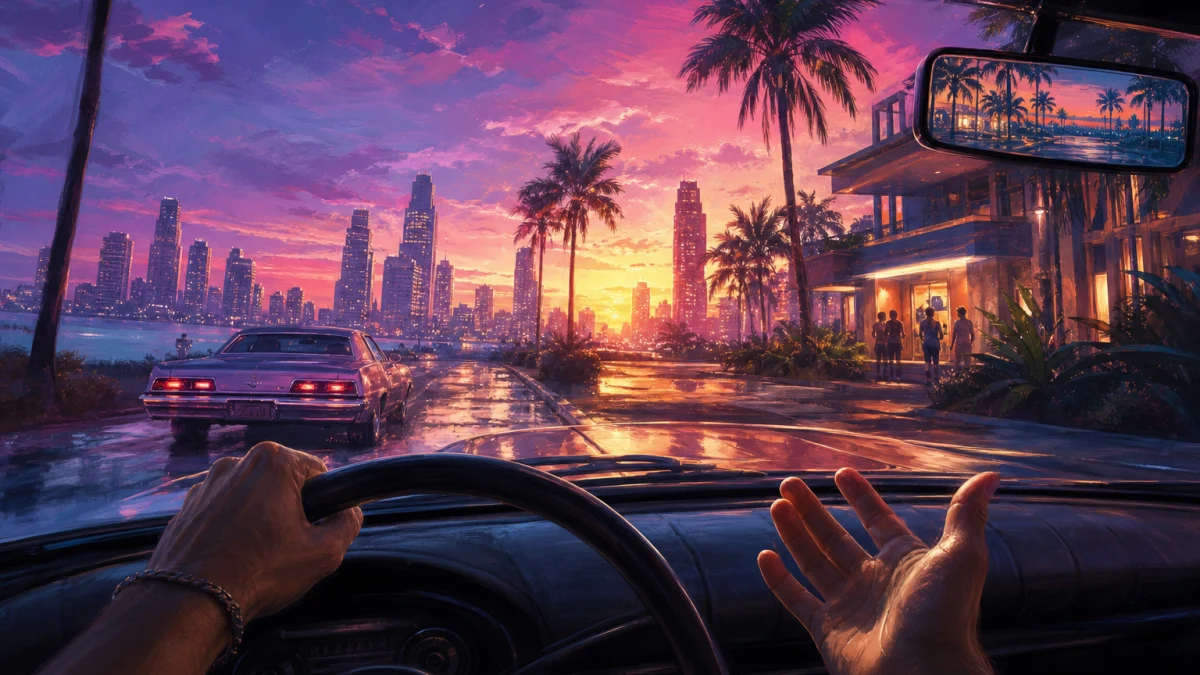
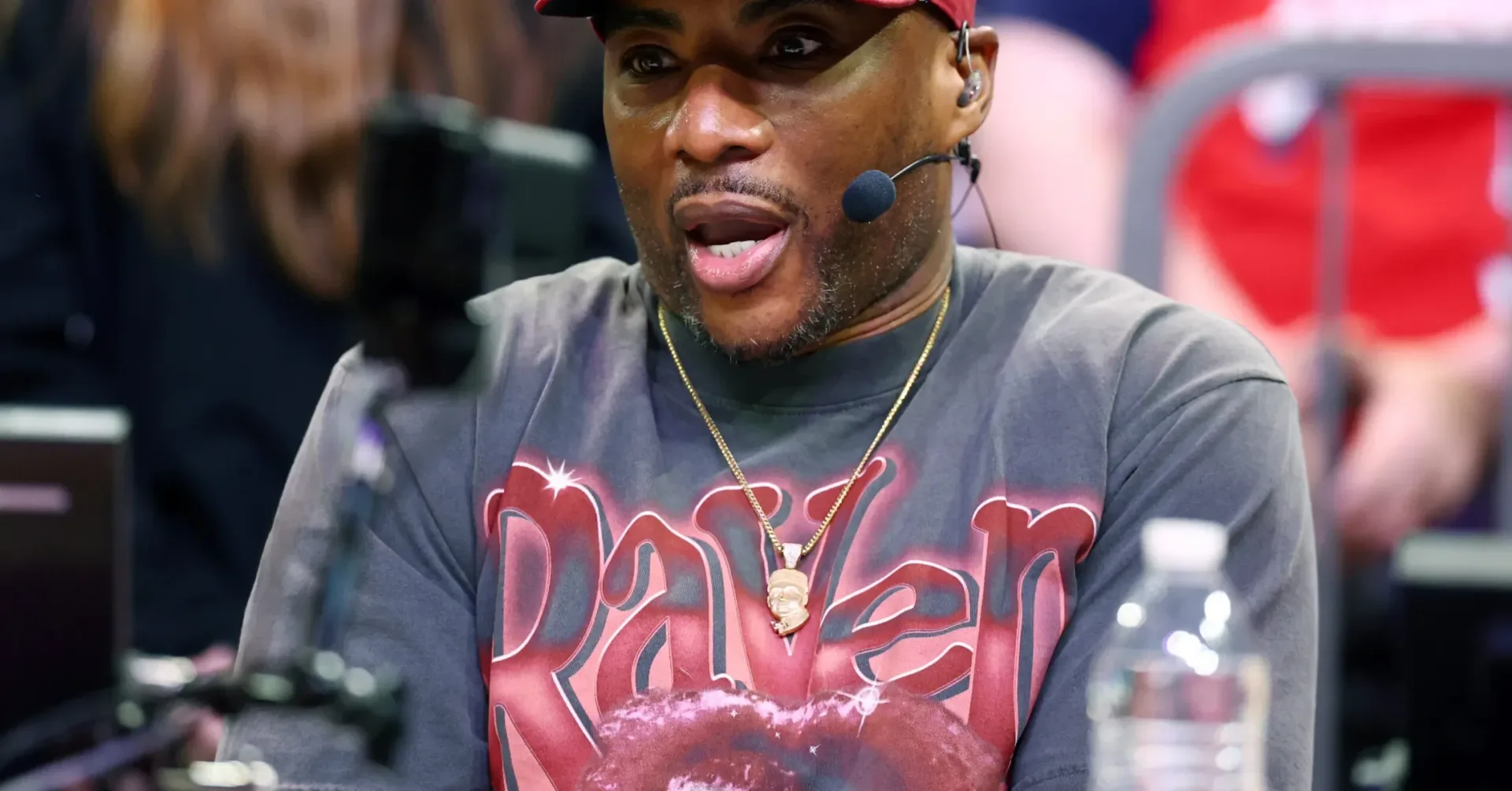
Grand Theft Auto’s radio dial may have another major real-world voice on it. Footage circulating from an early GTA VI stream appears to show Charlamagne Tha God hosting his own in-game radio show, with one heard segment moving into a discussion of the death penalty.
The clip emerged as players and streamers began exploring GTA VI’s radio stations, their music selections and their talk programming. Charlamagne’s appearance was a surprise to the streamer in the circulating footage, but it fits a series long associated with dense, characterful car-radio audio: music, presenters, fictional advertising and talk segments that make a drive across the map feel less like silence between missions.
There is an important limit to what the footage establishes. It indicates that Charlamagne is heard hosting a show in the game, but it does not confirm the full scope of his material, how frequently the segments play, the station’s name, or whether his show has a larger role beyond the clip. Players should treat the available footage as an early glimpse rather than a complete guide to GTA VI’s radio lineup.
What the clip appears to reveal
Charlamagne Tha God is best known as a co-host of The Breakfast Club, making a radio-show role a notably natural fit. The segment heard in the circulated video is conversational rather than a brief celebrity cameo. Its topic—the death penalty—suggests a format built around commentary and discussion, not simply a station-identification line between songs.
For more context, explore ‘Frisco King’ Trailer Sends Samuel L. Jackson’s New Gangster to Suburban Texas.
That distinction matters in a Grand Theft Auto game. A licensed track can set a mood, but a recurring host can give a station a personality. Talk radio also gives an open-world game a useful illusion of continuity: the city seems to be talking to itself while the player is driving, fleeing, sightseeing or simply taking the long route to an objective.
The circulating report and footage description characterize the performance as loose and conversational, a tone that aligns with the broadcaster’s established public persona. That does not mean the game’s writing is improvised; without fuller audio or official production details, it would be speculative to say how the segment was made. What is clear from the clip is that the performance is presented as a proper radio-program moment rather than an isolated Easter egg.
Why radio is more than background noise in Grand Theft Auto
In-game radio is often called “ambient audio,” meaning sound that helps define a place without requiring the player’s full attention. Grand Theft Auto has long used the idea more actively than most games. The player selects a station, but the station then supplies music and speech that can change the feel of the same road, vehicle or mission.
Talk programming is particularly effective because it can build a setting without stopping play for a cutscene. A host’s views, arguments, callers or recurring bits can communicate a city’s tensions and sense of humor in seconds. Even when a player changes station, the very presence of multiple formats implies a broader media ecosystem beyond the immediate mission marker.
Charlamagne’s reported role therefore has potential significance beyond celebrity recognition. His voice is recognizable to listeners familiar with contemporary American radio and interview culture, while the subject matter heard in the clip gives the station a more pointed talk-radio identity. In a series built around satire, public conversation can be as useful a world-building tool as a billboard, a store sign or a scripted encounter.
A celebrity appearance needs the right format
Not every famous-person appearance in a game adds much. A cameo can feel separate from the world if it exists only to be noticed. Radio is different: its basic premise already makes room for hosts with a defined style and perspective. A recognizable broadcaster sounds plausible behind a microphone, so the appearance can serve the fictional station as well as the game’s marketing appeal.
That is the advantage of this kind of casting. The player does not need to seek out a special mission, enter a particular building or trigger a narrowly timed event. If the show is part of a station’s normal rotation, hearing it can be a casual discovery made during ordinary play. The streamed reaction that brought attention to the segment demonstrates that discovery factor directly.
What players can reasonably expect—and what remains unknown
The strongest takeaway is simple: GTA VI appears to include Charlamagne Tha God as the host of a radio show. The clip also establishes at least one discussion topic. Beyond that, restraint is warranted.
- Supported by the available footage: Charlamagne Tha God is heard in GTA VI hosting a radio-style segment, and the excerpt includes discussion of the death penalty.
- Reasonable interpretation: the role is designed as talk-radio programming and seems intended to sound conversational.
- Not established: the station title, the amount of recorded dialogue, the show’s schedule, whether there are callers or guests, and the complete radio-station roster.
Those details are not minor for players who enjoy Grand Theft Auto’s audio design. A short interstitial spot and a full station with substantial rotating segments create very different experiences. It is also unknown whether listeners will hear different Charlamagne material as the game progresses or whether the clip represents the entirety of his contribution.
For now, the practical takeaway is to spend time with the dial rather than treating it as a one-time menu choice. In a game with multiple stations and shows to uncover, the content a player hears may depend on how long they stay tuned and how often they switch formats. That is not a promise of branching radio content; it is simply the most sensible way to encounter a broad station lineup whose full structure has not yet been detailed.
Early streaming discoveries can be incomplete
Footage from early access periods and launch-day streams is useful for confirming that a specific piece of content exists, but it is rarely a complete picture of an expansive game. Streamers may move away from a station quickly, talk over the audio, or encounter one excerpt from a larger rotation. In this case, the streamer did not remain on Charlamagne’s show for long, leaving plenty unknown about the program’s wider format.
That limitation is also part of why the discovery is compelling. GTA radio works best when it rewards attention over time. A player may first notice a familiar voice, then later catch another segment, another point of view or a different station entirely. The available clip is a small indication that GTA VI is continuing to treat the car radio as a space for authored entertainment rather than a simple playlist.
Charlamagne’s reported GTA VI presence adds a contemporary broadcast voice to that tradition. Whether his show becomes a regular listening destination will depend on the breadth of its writing and rotation—details players will have to discover once they can hear more than a single streamed excerpt.