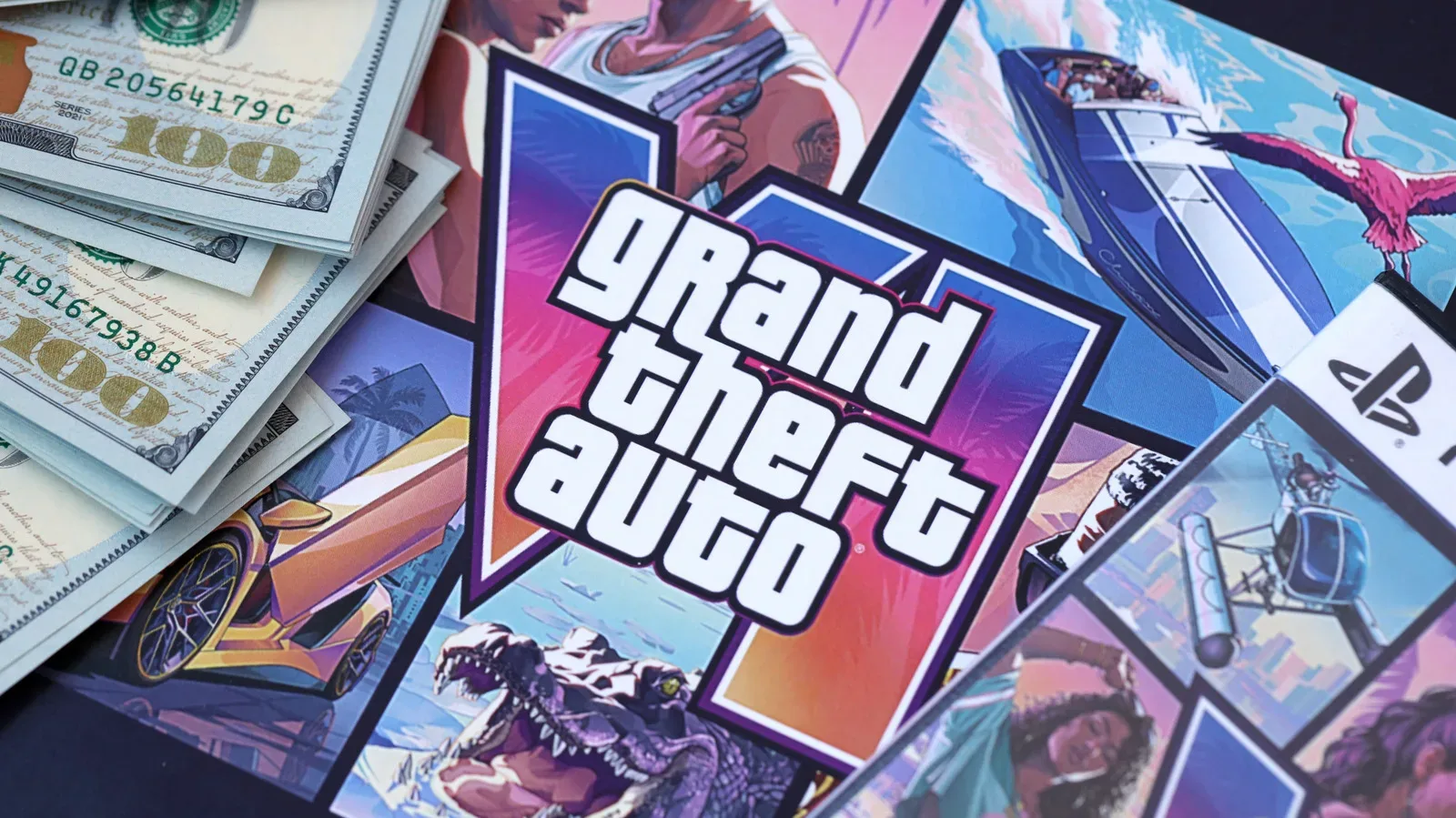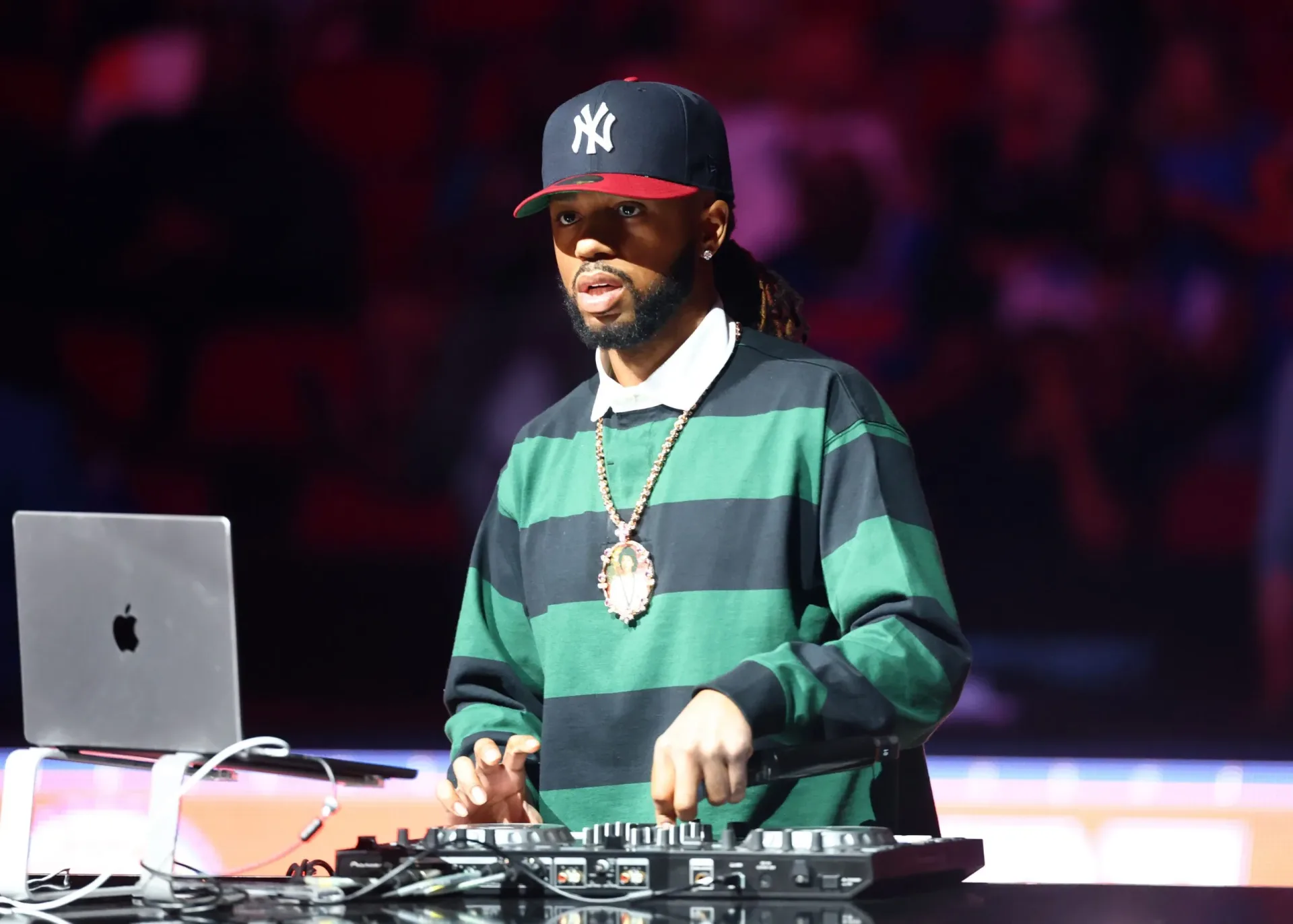
Future and Metro Boomin appear to be heading to Grand Theft Auto VI, adding another high-profile music connection to Rockstar Games’ next open-world release. What that involvement actually means, however, is still not clear.
The pair have teased their participation in the game, but no exact role has been disclosed. That distinction matters. A musician’s association with a game can cover a lot of ground: a licensed song on a radio station, an original track, a voice or likeness appearance, a fictionalized performance, or promotional work. At present, the firm takeaway is limited to their apparent involvement, not the specific form it will take.
That uncertainty has not stopped the news from becoming a major point of interest. Future and Metro Boomin have an established creative partnership, so the prospect of their names appearing together in GTA VI naturally invites expectations of a musical contribution. Still, expectations are not confirmation. Until Rockstar Games or the artists clarify the particulars, players should treat soundtrack placement and an on-screen appearance as possibilities rather than settled facts.
What has been indicated so far
The recent teases arrive amid a broader run of artist connections to GTA VI. Travis Scott has also said he will be in the game and identified the Jack of Hearts strip club as his connection. Future and Metro Boomin did not provide a comparable detail about where players might encounter them or what they will be doing.
That leaves several questions unanswered:
- Whether Future and Metro Boomin will have music in the game.
- Whether that music would be existing material or something made for GTA VI.
- Whether either artist will appear as themselves, lend voice work, or be represented in another way.
- Whether their involvement is tied to a particular radio station, location, mission, or promotional campaign.
None of those unanswered questions diminishes the significance of the tease. It simply sets a useful boundary around what fans can reliably say right now. “Future and Metro Boomin are involved” is supported by their own signals; “they are definitely playable characters,” “they will perform together in-game,” or “they have an exclusive album in the soundtrack” goes beyond the details available.
A soundtrack role is the most natural reading—though still not confirmed
A music placement is the most intuitive possibility because of both artists’ careers and the series’ long-standing use of in-car radio. A licensed soundtrack is music that a game has permission to include, usually as pre-existing recordings. In a Grand Theft Auto setting, that can make music part of the world itself: players may hear it while driving, changing stations, entering businesses, or moving through other spaces built around a station’s format.
The current expectation is that Future and Metro Boomin could at least have songs in the game. Sexyy Red, Kodak Black, and Lil Wayne have also been associated with music in GTA VI. Taken together, those names point toward a potentially substantial hip-hop presence, particularly on the contemporary side of the soundtrack.
Reports and teases have also pointed to two principal hip-hop station directions: one aimed at contemporary listeners and another called Dirty South Classics, focused on music from the 1990s and early 2000s. If that structure is accurate, it would give the game two distinct programming identities rather than treating hip-hop as one broad, interchangeable category.
That kind of curation has practical value for a game set in a large fictional city. Different stations can make the same route, vehicle, or activity feel different depending on what the player chooses to hear. The contemporary format would logically suit newer material and current artists, while Dirty South Classics suggests a historical, regionally rooted lane. It is an approach that could serve both discovery-minded players and those looking for a particular era.
Why the distinction between music and a cameo matters
Video game news often compresses several kinds of participation into the phrase “is in the game.” For players, the distinction affects what they should expect. A radio contribution may be something heard repeatedly across a long playthrough, but it may never put an artist on screen. A cameo, in contrast, might be visually memorable but limited to one venue or one sequence. A role involving voice acting could be deeper still, yet no such role has been established for Future or Metro Boomin.
Travis Scott’s Jack of Hearts reference illustrates why specificity is useful. It gives players a location-based clue, even though it does not by itself define the size or mechanics of his appearance. Future and Metro Boomin have not supplied an equivalent clue. Their tease therefore creates anticipation without providing a roadmap for where to look once the game arrives.
For now, the sensible approach is to avoid converting a plausible idea into a promise. The duo’s inclusion may ultimately be as straightforward as songs in the radio rotation, as expansive as an in-world appearance, or a combination of both. The available information does not settle it.
Rockstar’s radio legacy raises the stakes
The interest around the possible contribution is also tied to the weight players place on Rockstar’s music selection. Grand Theft Auto: Vice City and Grand Theft Auto: San Andreas are specifically remembered as points where the series’ soundtrack curation became a defining part of its identity. In games built around driving and free-roaming, radio is not merely menu background; it can shape a player’s impression of a city, an era, and a character’s moment-to-moment routine.
That context helps explain why even a short artist tease draws attention. A soundtrack is an editorial choice as much as a playlist. The selection of artists, periods, genres, station names, presenters, and sequencing can imply what kind of fictional place a game wants to create. The possibility of a contemporary hip-hop station alongside Dirty South Classics suggests a desire to make room for multiple listening perspectives within that broader sound.
It also puts pressure on fans to separate confirmed names from broader speculation. There is a difference between believing a lineup could be strong and knowing its exact final form. Music licensing, station rosters, featured tracks, and in-game appearances are all details that need direct clarification before they can be treated as definitive.
What players can reasonably watch for next
GTA VI is scheduled for November 19. As that date approaches, the most useful updates would be details that turn the artists’ teases into concrete information: an official soundtrack list, a radio-station breakdown, a reveal of original music, or a fuller description of any in-world appearances.
Until then, Future and Metro Boomin’s apparent participation is a meaningful signal about the game’s cultural ambitions, especially alongside the other artists linked to its music. It is not yet a full explanation of how their work will be used. That gap is where fans should keep their expectations measured.
The larger release calendar is also full of projects trying to balance established audiences with a new direction, as seen in discussion around Warcraft 3’s Forsaken Kingdom. For Rockstar, music remains one of the clearest ways a familiar series can make a new setting feel immediate. Future and Metro Boomin may prove to be an important part of that effort—but the details are still waiting in the wings.