Final Fantasy 14’s next expansion, Evercold, is being designed with a sharper eye on story momentum. Producer and director Naoki “Yoshi-P” Yoshida has acknowledged that Dawntrail’s approach to introducing new places, cultures and characters slowed its main scenario too much for players who wanted to keep advancing through the narrative.
The proposed answer is not simply to abandon world-building. Instead, the development team is shifting more of that optional texture into side quests, allowing players who want deeper local detail to pursue it on their own schedule while keeping the central story moving at a more deliberate pace.
That distinction matters in an MMO whose main narrative is a lengthy, sequential experience. A player progressing through the main scenario is usually looking for cause-and-effect momentum: a problem appears, the stakes become clearer, characters make decisions, and the next destination feels earned. Time spent establishing a new setting can enrich all of that, but if too much setup arrives before the story’s immediate objective changes, the feeling of progress can weaken.
Yoshida framed that tension as a direct lesson from Dawntrail. The team had been especially careful in portraying unfamiliar lands, cultures and encounters, he said, but that care contributed to slower story progression. He also accepted responsibility for the mismatch between that structure and players’ wish to move forward.
What “tempo” means for an MMO story
Story tempo is more than speed. A fast story can still feel exhausting if it has no room for characters or ideas to land; a slower story can feel purposeful when each scene adds a new perspective, complication or goal. In this context, Yoshida’s comments point to the spacing of main-scenario developments rather than a promise that Evercold will be shorter.
For Final Fantasy 14, the issue is especially practical because the main scenario carries players between major regions, duties and other content. When the narrative repeatedly delays its next significant turn in order to explain a setting, players who are focused on the central plot may feel as though they are waiting for the expansion to begin in earnest. Conversely, players invested in lore may welcome that same material.
Moving some regional storytelling into optional quests is a way to serve both groups, at least in principle. The main path can prioritize its plot and key character beats. Side content can provide room for history, customs, smaller encounters and other details that add texture without requiring every player to take the same route through them.
It is also a design choice that respects a basic reality of a long-running online game: players arrive with different amounts of available time and different reasons for playing. Some will want to reach the next major narrative chapter quickly. Others will want to read every quest and understand a new zone’s social fabric before continuing. Optional material cannot solve every pacing problem, but it can give those preferences separate lanes rather than asking the main scenario to satisfy them all at once.
Related coverage includes Final Fantasy 14: Evercold Will Put More Focus on Story Pace, Yoshida Says.
Dawntrail’s feedback is informing the next expansion
Dawntrail’s story ultimately found stronger support among some players, particularly through its post-expansion patches, but its launch-period pacing became a frequent point of debate. The challenge for Evercold is therefore not merely to start faster. It is to make its opening hours feel like a story with direction while still establishing whatever new world, conflicts and cast the expansion requires.
Yoshida’s remarks are notable because they identify a specific production priority rather than offering a vague assurance that feedback has been heard. The stated focus is brisker progression in the main story, paired with a redistribution of world-building material into side quests. That gives players a clearer standard by which to assess Evercold once it arrives: does the central narrative keep producing meaningful forward motion, and does optional content still provide satisfying depth for those who seek it out?
There is still a large gap between a design intention and an executed expansion. Pacing depends on the order of revelations, the length and purpose of individual scenes, how often objectives change, and whether characters have compelling reasons to act. A quest can be optional and still be important to the emotional context of a zone; a main quest can be quiet and still feel essential. The outcome will depend on how those choices fit together, not on the number of side quests alone.
Still, the comments suggest a useful recalibration. Rather than treating extensive setting explanation as something every main-scenario player must absorb at the same moment, Evercold aims to make more of that material elective. The approach could help the expansion preserve its setting detail without making the story’s forward drive feel secondary to the tour.
Respecting time does not mean stripping out detail
Yoshida linked the change to Final Fantasy 14’s broader evolution and to the value of players’ time. That phrase is often used loosely in games, but here it has a relatively concrete implication. Respecting time is not necessarily about removing quests, reducing dialogue or rushing every plot point. It is about giving players a clearer sense that time spent on the main scenario is advancing its central promises.
For players who enjoy the lore-heavy side of the MMO, the side-quest emphasis could be encouraging rather than alarming. Optional quests can be a more natural home for local anecdotes, cultural practices, secondary characters and smaller-scale conflicts. Those elements often become more memorable when they are allowed to stand on their own, instead of being asked to carry the burden of delaying the main plot.
For players focused on progression, a brisker central tempo could make the expansion easier to recommend without the familiar caveat that it improves only after a long setup. That does not require Evercold to avoid a gradual opening. It requires the opening to continually establish why the next scene matters.
The wider medium has plenty of arguments about whether games should streamline travel, dialogue and optional exploration. A recent discussion around an Ocarina of Time remake’s proposed fast-travel decision illustrates the same underlying point: detours can be valuable when they feel like chosen discovery rather than an obstacle between the player and a stated goal. Evercold’s side-quest plan appears to apply that principle to narrative exposition.
What is known about Evercold so far
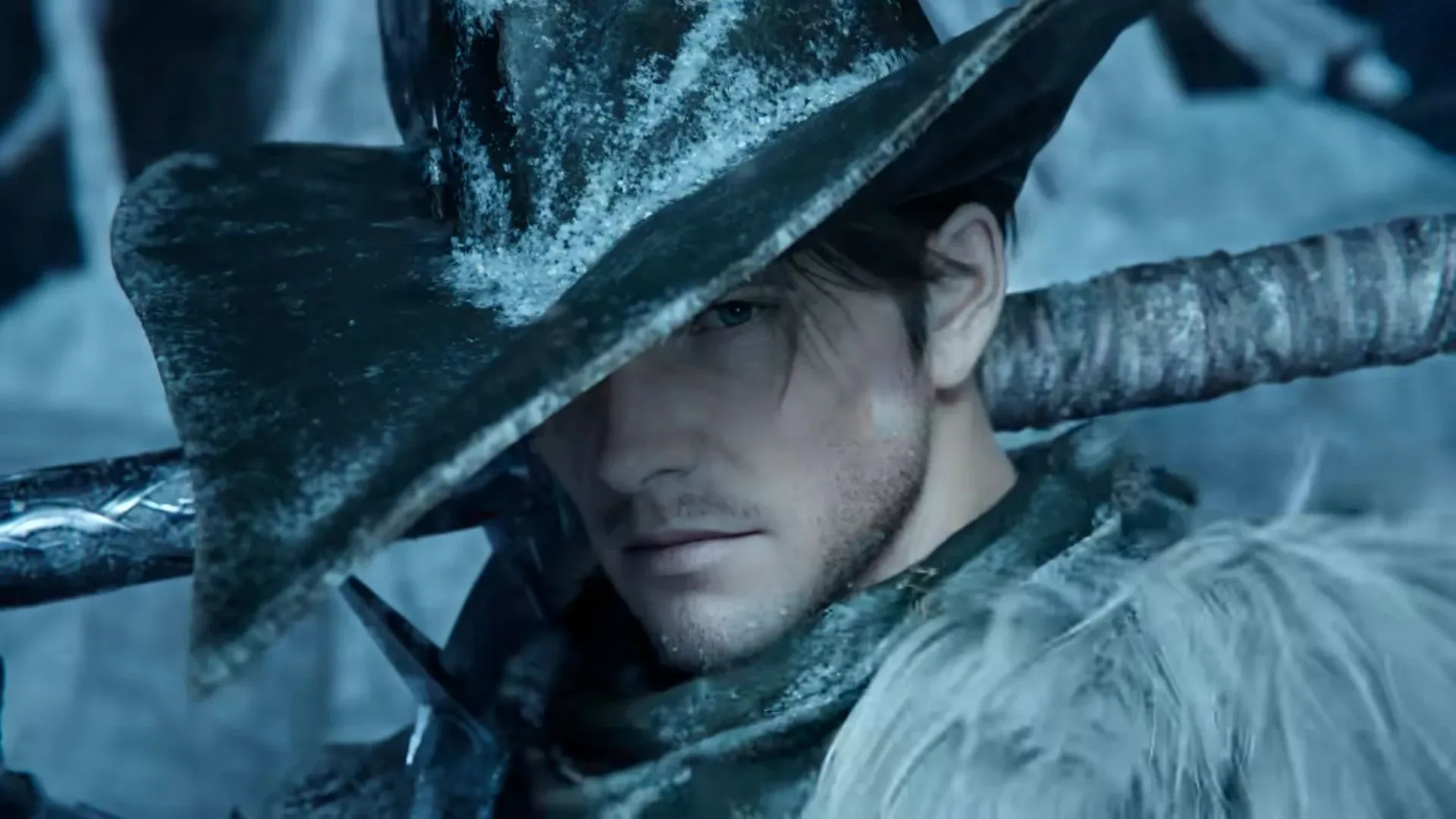
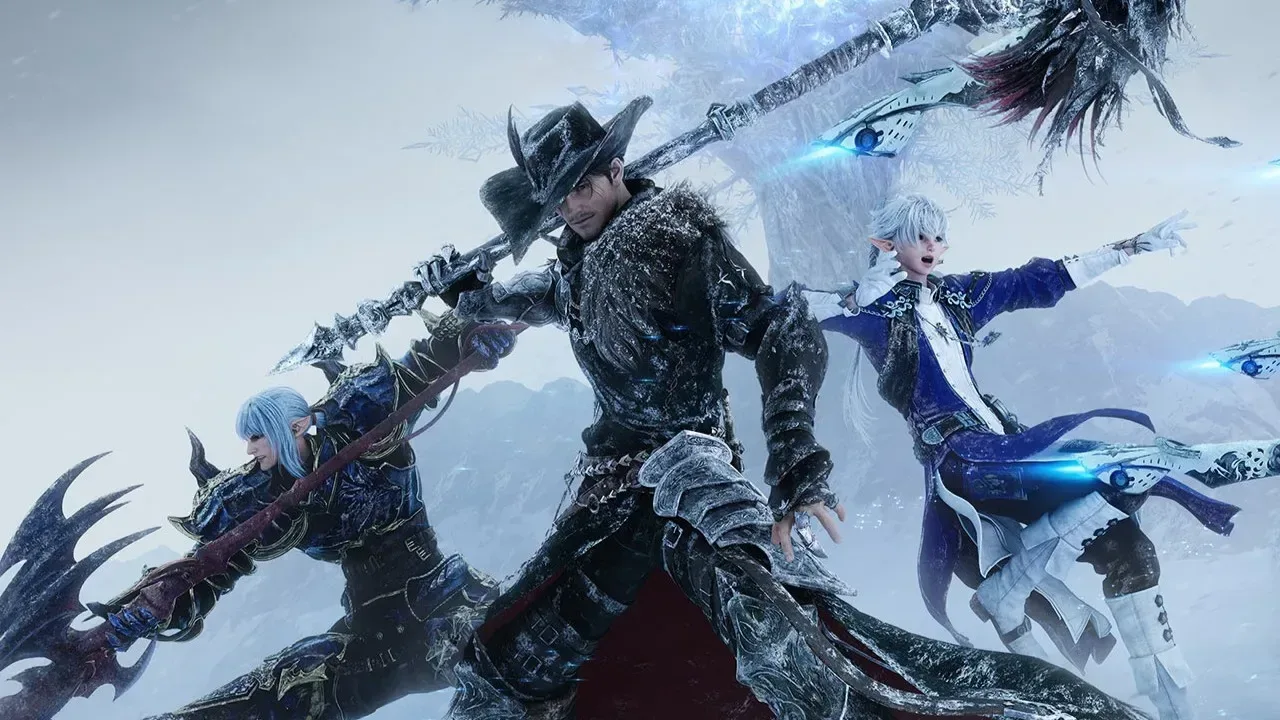
Evercold was unveiled earlier this year. The supplied details also identify its second job as Zephyr, a ranged DPS job that uses crossbows and fights alongside a deadly pet bird.
In MMO terminology, DPS means “damage per second,” though players commonly use the label for combat roles centered on dealing damage rather than primarily defending allies or restoring their health. A ranged DPS job typically attacks from a distance, which distinguishes Zephyr’s combat identity from melee-oriented damage roles. Beyond that brief description, the available information does not establish how Zephyr will play or how its companion will function.
That limited job information is separate from the story-pacing discussion, but it reinforces the broader balancing act Evercold faces. Expansions need to introduce new systems, new combat options and new settings while also telling a coherent story for veterans with years of prior investment. Yoshida’s comments indicate that the team sees narrative tempo as a major part of making that package approachable.
The measure of success will be structural, not promotional
It is sensible to reserve judgment until players can see Evercold’s structure in action. There is no guarantee that moving background material into side quests will automatically make every chapter feel better paced. Some players may prefer the denser, more guided approach to setting development; others may worry that crucial atmosphere will become too easy to miss.
But the direction is clear. Evercold is intended to make a stronger distinction between the story beats necessary for its main narrative and the deeper contextual material players may choose to explore. Yoshida has described that as an effort to keep the story advancing at a quicker tempo while recognizing that players have limited time.
For a game with an ongoing, story-led structure, that is a meaningful commitment. Evercold does not need to treat patience as a prerequisite for a payoff. If its main scenario can introduce a new world without repeatedly losing sight of its next narrative destination, while leaving room for optional exploration to do the world-building work it is best suited to do, it could turn one of Dawntrail’s most debated weaknesses into a tangible design lesson.