Fangtopia, the cozy tile-based puzzle game from developer Absolutely Games and publisher Secret Mode, is now available for PC, PlayStation 5 and Nintendo Switch 2. On PC, it can be found through Steam, Epic Games Store and Stove. Its suggested retail price is $12.99, £9.99 or €12.99.
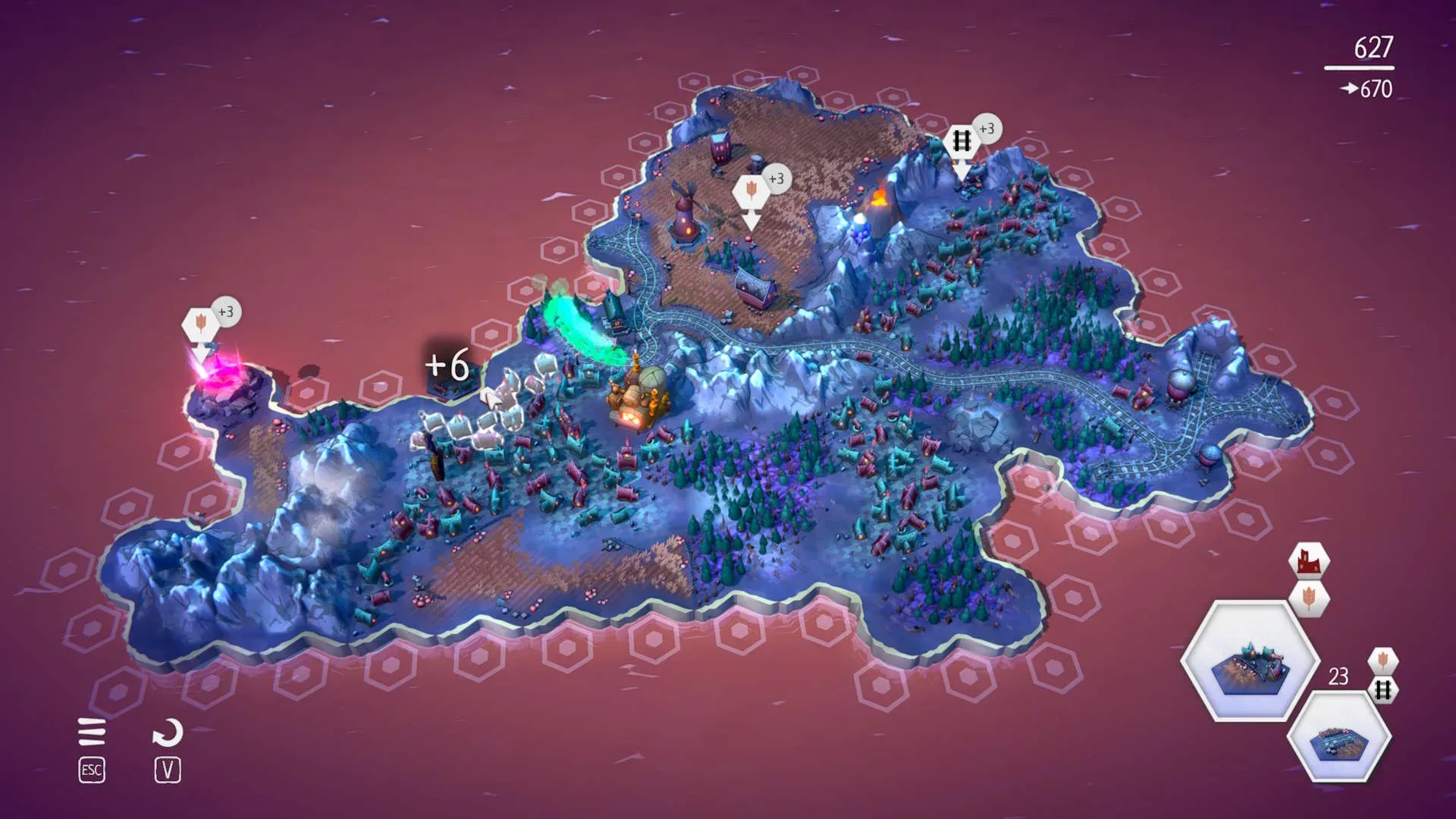
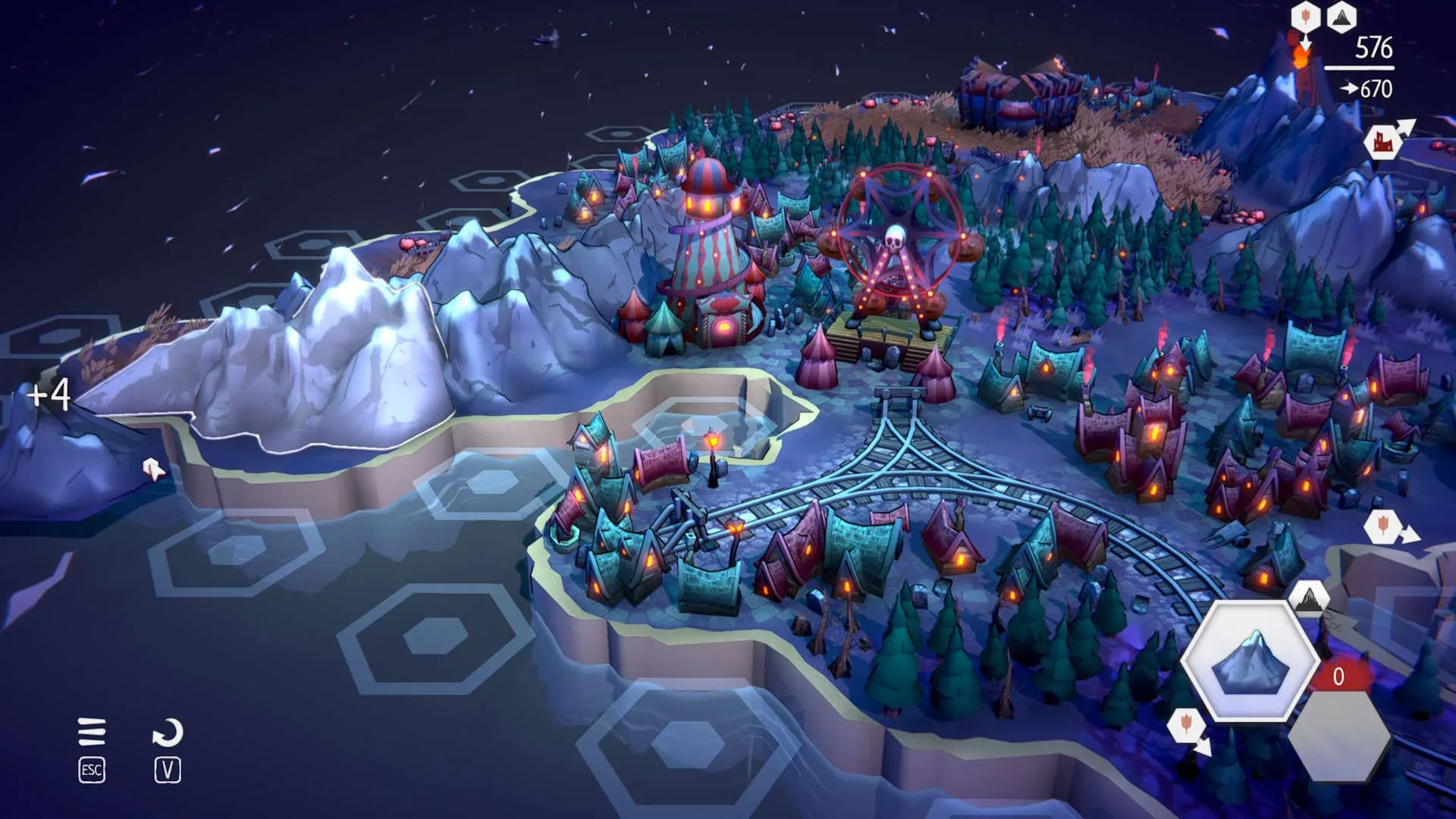
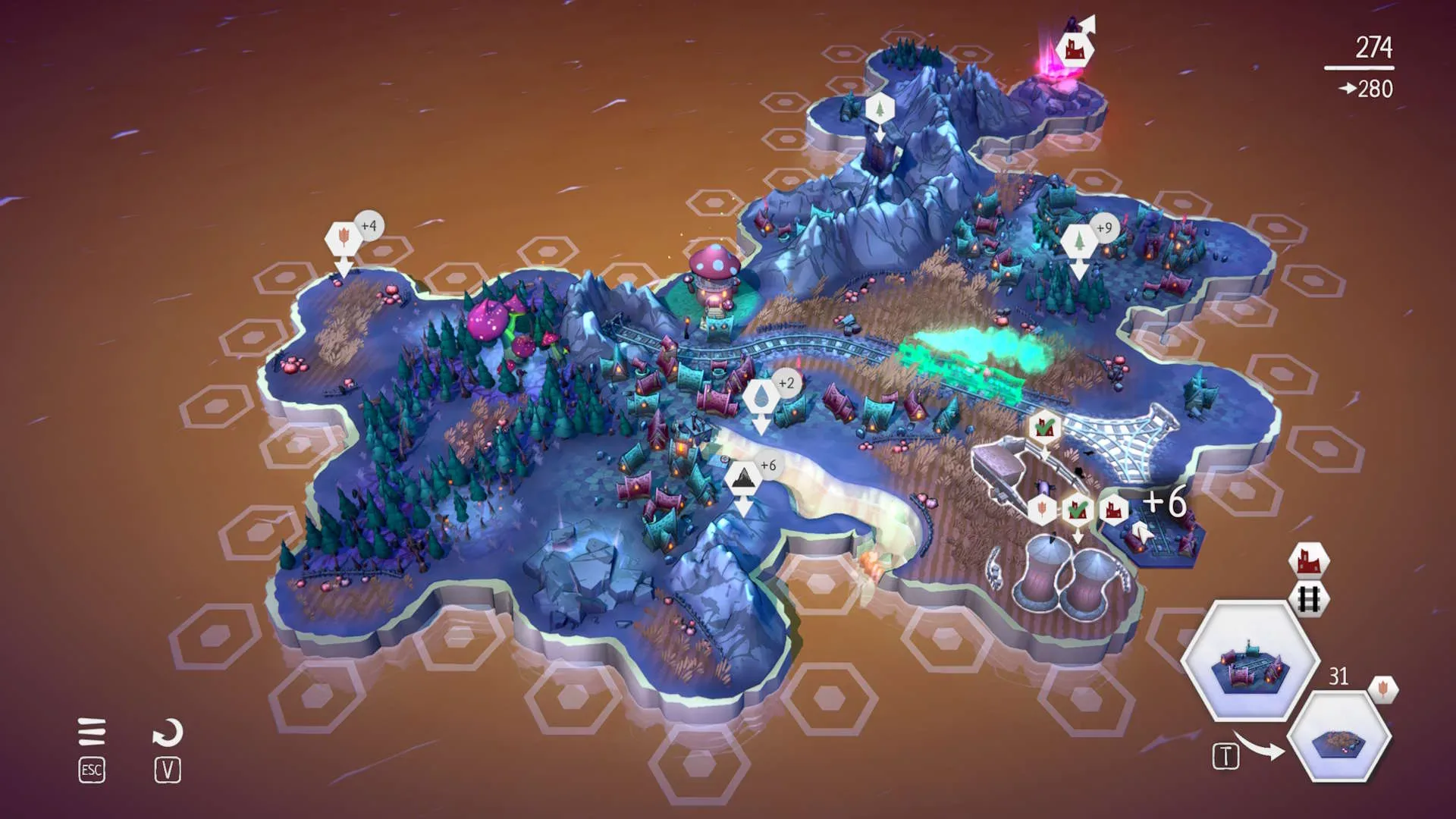
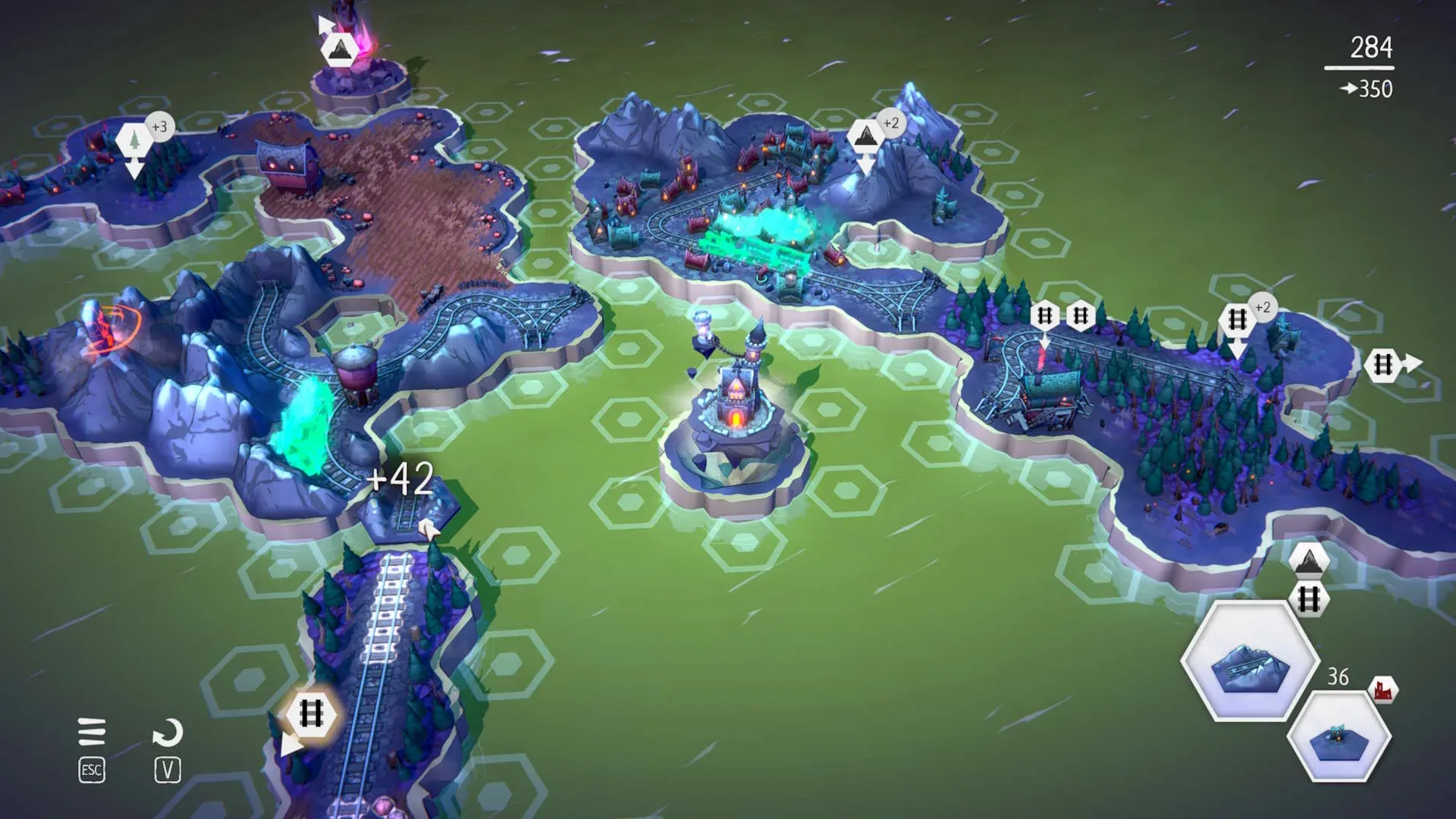
The central pitch is pleasantly macabre: players build a creepy kingdom one hexagonal tile at a time, working from a limited stack rather than an unlimited construction set. Fields, forests, mountains, railroads and rivers all form part of the available landscape. The goal is to arrange those pieces for points while steadily opening up more possibilities for the kingdom.
That framework puts Fangtopia in the overlap between a tile-placement puzzle and a score-focused builder. Tile placement means every piece must be set into the growing map, so placement matters not simply because it changes the look of the settlement, but because it determines the scoring result and the opportunities created for later pieces. The limited stack is especially important: a player cannot assume the ideal terrain will always arrive at the ideal moment.
A small kingdom with a careful piece economy
Fangtopia’s maps are built with hex-shaped tiles. A hex is a six-sided shape, and in board-game and strategy terms it is useful because each tile can touch up to six neighbors. That gives the player many directions in which a forest, mountain, river or rail line can expand. It also makes each decision more consequential: a tile can potentially support several existing areas at once, or interrupt a plan if placed without room for future connections.
The game’s scoring loop begins with laying terrain and pursuing score milestones. Reaching those milestones unlocks unique landmarks. Landmarks then introduce their own goals, and completing those goals rewards additional tiles. In practical terms, that creates a progression chain:
- Place terrain from the current tile stack.
- Score sufficiently well to clear a milestone.
- Unlock a landmark.
- Meet that landmark’s particular objective.
- Receive more tiles to extend the kingdom.
The loop suggests that simply chasing the largest immediate score may not always be the whole answer. A landmark objective can make a newly unlocked feature valuable beyond its initial placement. Players weighing an otherwise ordinary tile will likely need to consider its short-term score, the shape it leaves for later terrain and whether it moves a landmark goal forward.
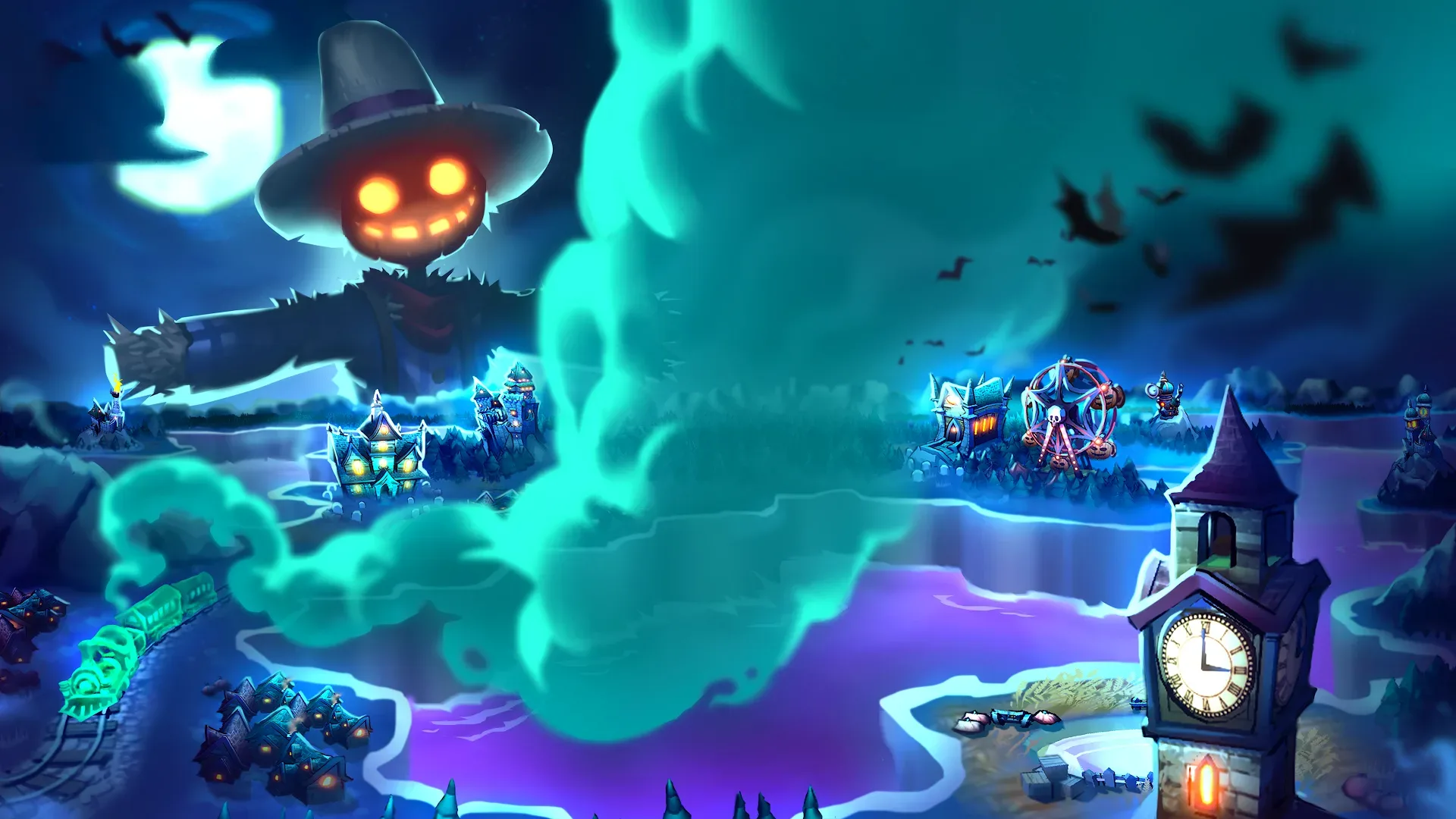
That is where the game’s “cozy” description and its puzzle structure can coexist. The theme leans toward the spooky, with portals and monsters, but the activity is still a measured exercise in arranging a map. There is no indication of combat or real-time action in the announced feature set. The pressure instead comes from planning around the tiles available and extracting the most value from their relationships on the board.
Monsters are part of the scoring plan
Fangtopia adds monsters to its land-building formula through portals. Players can summon creatures through those portals and then place them into appropriate homes for a score boost. The wording matters here: the creatures are not described as random decoration alone. Their placement is a deliberate scoring layer sitting on top of terrain arrangement.
Related coverage includes Fangtopia Brings Hex-Tile Kingdom Building to PC, PS5 and Switch 2.
This gives the kingdom two connected kinds of spatial problem. First, the player must create a terrain layout from fields, forests, mountains, railroads and rivers. Then, they must make use of the homes that suit summoned monsters. A high-scoring map may therefore be one that leaves suitable spaces and combinations available rather than one that fills every possible edge immediately.
Because monsters arrive via portals, portals also appear to be a meaningful map feature rather than just a visual flourish. The available details do not spell out every rule governing portals, homes or individual creature bonuses, so players should expect the in-game systems to clarify exactly which combinations are rewarded. What is clear is that monsters can raise scores when properly housed, tying Fangtopia’s Halloween-adjacent charm directly to its tactical board building.
Both landmarks and monsters can be unlocked and viewed in a Stickerbook. A Stickerbook is effectively an in-game catalogue: it provides a place to review the things discovered during play. For completion-minded players, that means the game tracks more than a single best score. It also records progress toward filling out the collection of available landmarks and creatures.
That catalogue should be distinguished from a real-world collectible product. The Stickerbook is an in-game record of unlocked content, while the game itself is a digital release across the announced PC and console storefronts.
Three modes change the shape of the challenge
Fangtopia launches with three distinct modes, each pointing the core tile system in a slightly different direction.
Fangtopia mode
The standard Fangtopia mode is described as relaxed. It is the core experience and the clearest place to learn the basic rhythm of turning a restricted supply of terrain into a functional, score-producing kingdom. “Relaxed” does not mean that scoring and unlocks disappear; rather, it signals a less intimidating starting point for players who want to explore the systems at their own pace.
Ghoulish mode
Ghoulish mode adds extra tiles and is intended to create greater complexity. More tiles can mean more options, but options are not automatically simpler. A wider selection expands the number of possible terrain connections, landmark preparations and monster-home plans. Players who understand the baseline rules may find this mode gives them more room to build ambitious configurations, while also asking them to manage a busier decision space.
Island mode
Island mode shifts the emphasis toward peaceful, sprawling railroad networks. Railroads are already among the terrain types in the core game, but this mode makes them the focal point. Players drawn to the satisfaction of extending connected lines across an expanding map may find Island mode the most appealing of the three, particularly if they prefer long-term layout planning to the more generally spooky kingdom theme.
The existence of dedicated modes is meaningful for a score-oriented puzzle game. Rather than presenting one ruleset with a single preferred play style, Fangtopia offers a baseline format, a more complex tile mix and a railroad-centered variation. It gives players a reason to revisit the same basic hex-grid language with different priorities.
Leaderboards and the replay question
Players can post scores to leaderboards. Leaderboards do not change the stated construction tools, but they give scoring a competitive dimension. A personal best can become a public benchmark, and the pursuit of a better placement sequence can continue after landmarks and monsters have been unlocked.
For players considering where the replay value lies, Fangtopia’s announced systems point to several overlapping motivations: improving a score, testing different tile layouts, completing landmark goals, unlocking monsters, expanding the Stickerbook and comparing results on leaderboards. None of those require the game to become a large-scale management simulation. Its apparent strength is a compact loop in which a single placement can affect the rest of a map.
The game also arrives with plans for ongoing support. New content is planned for later this year and beyond, although no specific additions, dates or rollout schedule have been detailed. That is worth reading narrowly: support has been promised, but prospective players should not assume particular new modes, tiles, platforms or features until those are formally described.
What the launch means for PC and console players
Fangtopia is launching across three PC storefronts—Steam, Epic Games Store and Stove—alongside PlayStation 5 and Nintendo Switch 2. That broad initial availability gives players several ways to choose a preferred platform without changing the core premise: build the map, hit score thresholds, earn landmarks and use monsters wisely.
PC players looking for more recent releases can also browse Joking Joystick’s coverage of Outcast Tales’ Steam arrival and tactical run structure. Fangtopia takes a very different route, centering a self-contained hex-tile placement loop rather than party-driven tactical runs.
For Fangtopia specifically, the most useful expectation is straightforward. This is a scoring puzzle game dressed in cozy gothic clothing, not a conventional monster battler. The monsters, portals and eerie landmarks serve a kingdom-building system based on placement, goals and a finite supply of tiles. Players who enjoy making tidy connections, preserving future options and repeatedly refining a board for a higher score have a clear idea of what awaits.
And for anyone whose ideal autumnal activity is laying down a railroad through a haunted landscape while making sure the local monsters have appropriate homes, Fangtopia has now opened its kingdom gates.