Dead or Alive 6 Last Round has found itself at the center of two closely linked arguments: what its character costumes should prioritize, and how distinct a new fighter needs to feel before players accept her as a meaningful addition. With Dead or Alive 7 still in development and without a release date, both conversations carry extra weight for a fanbase trying to read the series’ direction from the game currently receiving content.
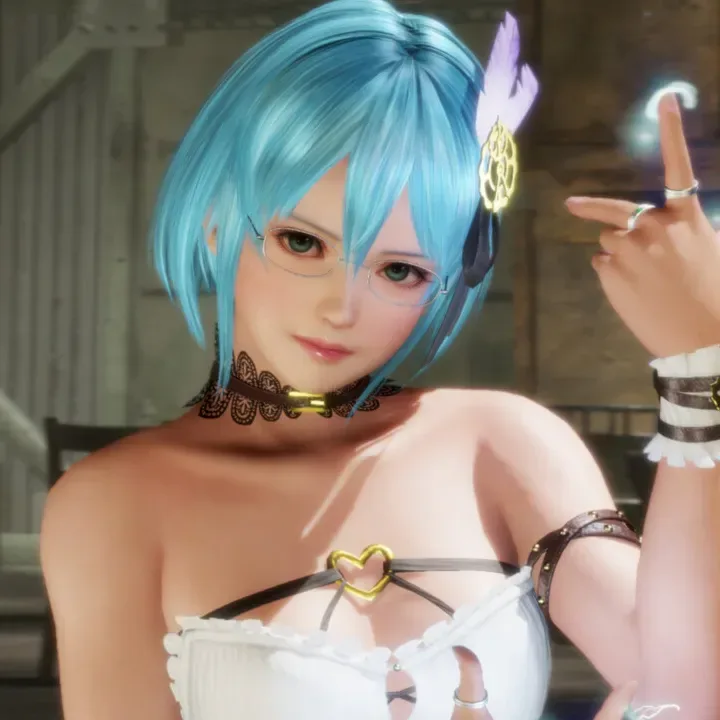
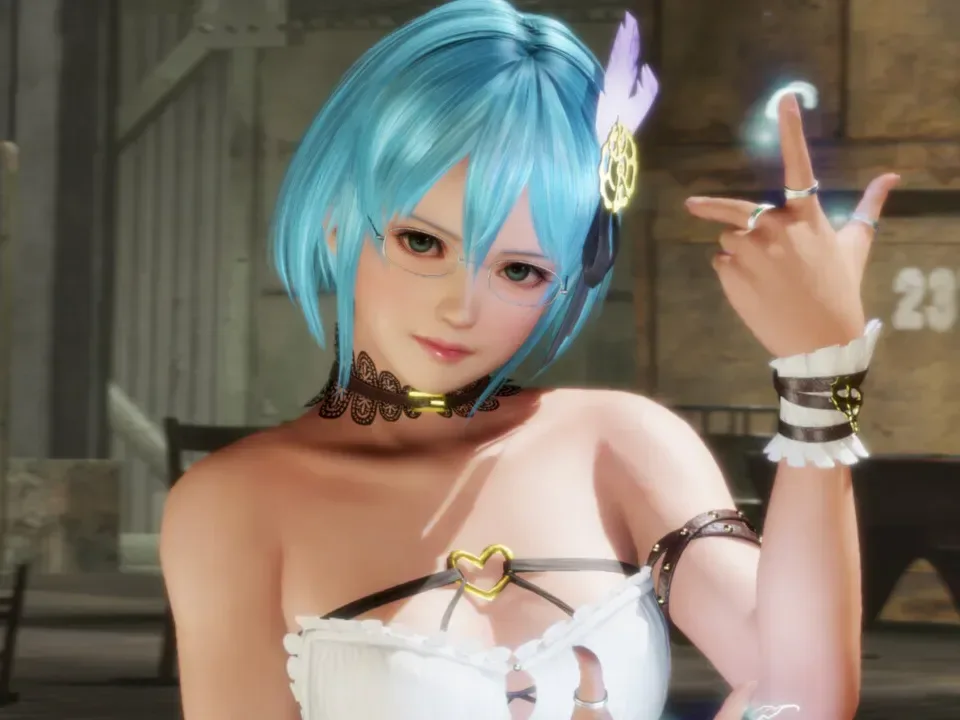
The immediate spark came from comments shared in a September 9 interview with members of the development team. Project Manager Tsuyoshi Iuchi said Koei Tecmo is moving away from creating additional costumes built primarily around sex appeal. The stated reason is practical rather than moralistic: players may be less inclined to equip revealing outfits in ranked or competitive settings because they feel self-conscious using them.
That explanation has prompted a loud split among players. Dead or Alive has long been defined by its fast, counter-focused fighting systems and a committed competitive community, but its public identity has also been deeply tied to fanservice, physics effects, swimsuit-style options, and spin-offs with dating-game elements. For some fans, dialing back one side of that equation sounds like a sensible attempt to make cosmetics more useful in the contexts where people actually play. For others, it risks reducing a recognizable part of the franchise’s personality while failing to address the systems they most want improved.
A wardrobe decision with competitive implications
Iuchi’s central point was that highly sexualized costumes tend not to see much use in competitive play, including ranked matches. The team’s apparent goal is to produce outfits that devoted fans of each individual character will continue wearing over time, with sexualized design consequently taking a smaller role.
It is an argument that recognizes an occasionally awkward reality in fighting games. A costume can be popular in screenshots, trailers, character galleries, or casual play without being the option a competitor chooses when they expect their matches to be streamed, discussed, clipped, or played at a local event. Across the genre, some tournaments have restricted or prohibited certain swimsuit-like costumes. Whether every player personally shares that discomfort is beside the point: a competitive community contains many audiences, and players can make choices based on presentation as well as mechanics.
Still, the reaction illustrates why this is not merely a question of fabric coverage. Cosmetics are part of the player-character relationship. A favorite outfit can help someone feel attached to a main, create a personal visual identity online, or give a long-running character a fresh angle without changing her moves. When a series has historically offered a particular kind of costume in abundance, a promise to offer less of it can be interpreted as an aesthetic redefinition rather than a routine curation decision.
There is also a question of what “competitive-friendly” should mean. The most generous reading is that Koei Tecmo wants costumes with stronger character identity, broader appeal, and longer practical life than a novelty swimsuit. That could lead to wardrobes emphasizing martial-arts roots, story themes, alternate careers, formal looks, or imaginative variations that still suit the cast. The skeptical reading from critics is that the company is cutting back on a signature feature without demonstrating an equivalent commitment to gameplay and online infrastructure.
The latter concern matters because players continue to raise rollback netcode and cross-platform play as major priorities. A character’s costume may be seen in every round, but reliable online connections and the ability to find opponents across platforms determine whether many people can play those rounds at all. Dead or Alive 6 Last Round’s June launch drew a middling reception, with complaints including the absence of rollback netcode and cross-platform support. That history has made any discussion of cosmetics feel inseparable from the features players believe deserve greater attention.
Related coverage includes Dead or Alive 6 Last Round Costume Direction Draws Pushback as Team Favors Competitive-Friendly Looks.
Minato’s arrival brings Honoka comparisons
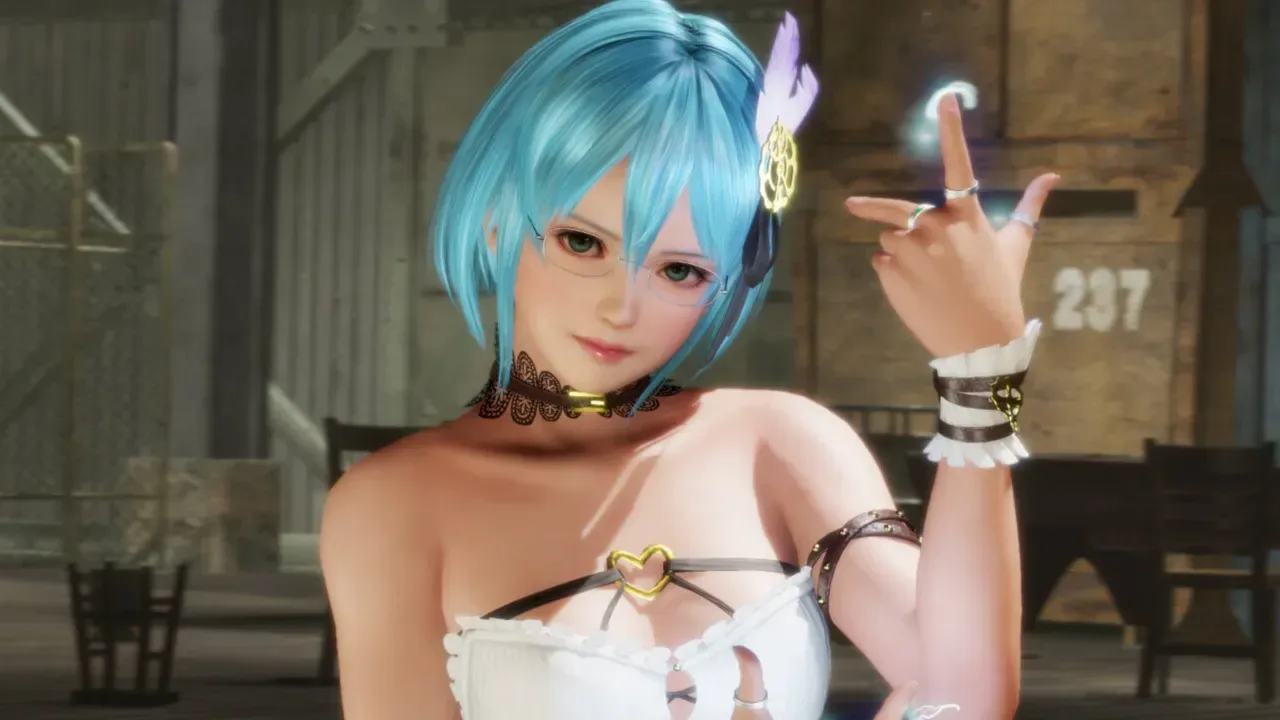
The clothing discussion has been amplified by the announcement of Minato, a schoolgirl joining the Dead or Alive 6 Last Round roster. Rather than letting players focus only on a new face, the reveal quickly inspired comparisons with Honoka. Some community members see Minato as too close to Honoka in concept and technique, using the blunt “copy-and-paste” accusation to describe their concern.
Director Akihiro Nakamura addressed the overlap by emphasizing differences in the two characters’ stories and motivations. Honoka, he explained, possesses an inborn ability to reproduce techniques as soon as she sees them. Minato learns through study, a device, and effort. Their reasons for selecting moves also differ: Honoka’s choices stem from her enthusiasm for combat sports and pro wrestling, while Minato’s approach is shaped by an interest in the rhythm, visual flair, and enjoyment associated with dance.
That distinction may be meaningful at a narrative level, especially for fans who follow each fighter’s lore. But fighting game players commonly judge originality through what happens in a match. If two characters share a conspicuous number of tools, similar animations, or comparable game plans, different biographies may not settle the issue. The crucial unanswered practical question is whether Minato’s complete design produces decisions, strengths, weaknesses, routes, and matchups that are clearly her own.
There is nothing inherently wrong with two fighters drawing from comparable techniques. Fighting games are built on common martial-arts vocabulary, and a roster can make smart use of familiar foundations. The danger comes when resemblance reaches the point that players see a newcomer as a substitute rather than an addition. New characters are typically expected to expand the game’s possibilities, whether by introducing a fresh archetype, changing how players approach spacing and pressure, or giving a recognizable style an unfamiliar set of risks and rewards.
For Minato, her dance-oriented framing could prove important if it translates into the actual mechanics and presentation in a way Honoka does not replicate. At present, though, the public debate shows that the initial explanation has not persuaded everyone. One prominent community figure jokingly asked what would happen when Minato met Honoka in a fight: would she copy a fighter whose defining trait already involves copying? The gag lands because it expresses the core fear in a single line.
Why the two disputes are feeding each other
Costume policy and moveset identity are separate design topics, but they have merged into one conversation about confidence in the series’ stewardship. Fans questioning Minato’s distinctness are also hearing that a familiar cosmetic element will be deemphasized. Fans worried about the wardrobe change are looking at the newcomer and asking whether the team is offering enough elsewhere to make the trade-off feel worthwhile.
That does not mean every complaint is identical, nor that all players regard sexy costumes as essential. Some will welcome a larger emphasis on designs they can use comfortably in any setting. Others may be perfectly willing to wait for more detailed information about Minato’s gameplay before judging the roster addition. But the feedback makes a broad expectation clear: the community wants Dead or Alive’s next steps to be supported by strong fundamentals, not just explained through intent.
- For competitive players: rollback netcode, a healthy online population, and cross-platform matchmaking are recurring concerns.
- For character loyalists: costumes should feel expressive, durable, and true to the fighters they represent.
- For roster-watchers: newcomers need a clear mechanical reason to exist beside established favorites.
- For the wider audience: Dead or Alive needs to balance its historic identity with an environment where players can participate comfortably.
The debate also arrives during a broader period in which fighting-game fans are especially attentive to longevity. Players have become accustomed to discussing netcode, platform ecosystems, patches, character access, and tournament viability with the same intensity once reserved for frame data. That is why the concern over Dead or Alive 6 Last Round is more substantial than a disagreement about outfits. It is an argument over which investments signal that a game and its community will be supported over time.
For a look at how other parts of the community organize around competition and shared causes, see our guide on Flame Fatales 2026.
Dead or Alive 7 remains the larger unknown
Dead or Alive 7 is confirmed to be in active development, but there is no release date. That leaves fans evaluating present-day decisions in Dead or Alive 6 Last Round as potential clues, even though a live-content strategy does not automatically define the next full installment.
The next game has an opportunity to answer the current anxieties directly. Rollback netcode and cross-play would speak to the online concerns. A roster where returning characters and newcomers are mechanically differentiated would answer fears of duplication. And a costume catalog that provides stylish, character-specific variety without making any one visual approach the entire selling point could show that the series can evolve without becoming unrecognizable.
For now, Koei Tecmo has laid out its reasoning: it wants outfits people will feel comfortable using and keep using, rather than designs that may be avoided in competitive spaces. The response demonstrates that reasoning alone will not end the conversation. Fans will be watching for the actual costumes, Minato’s final gameplay identity, and—above all—the concrete competitive features that determine how Dead or Alive is played when the spotlight is off the character-select screen.