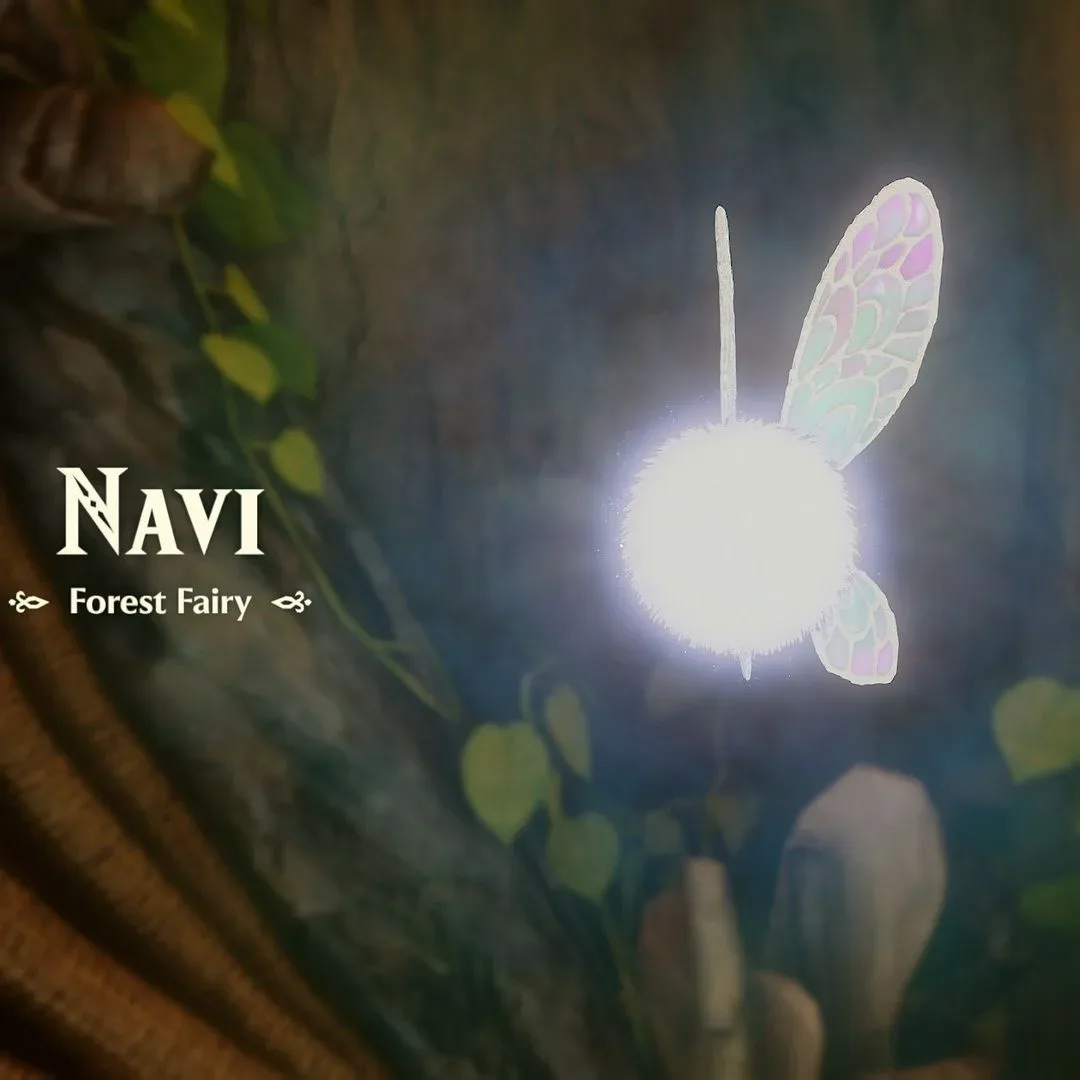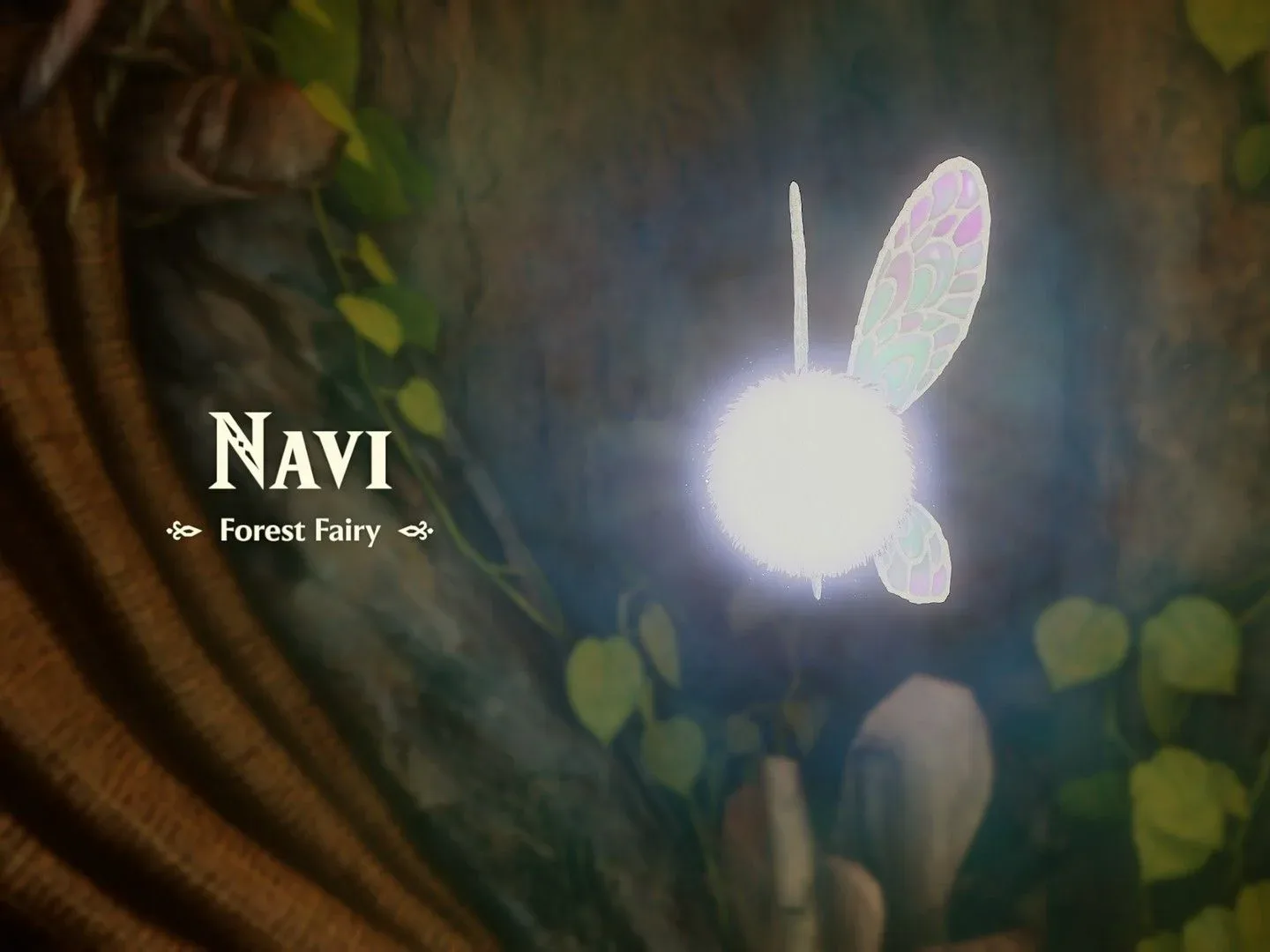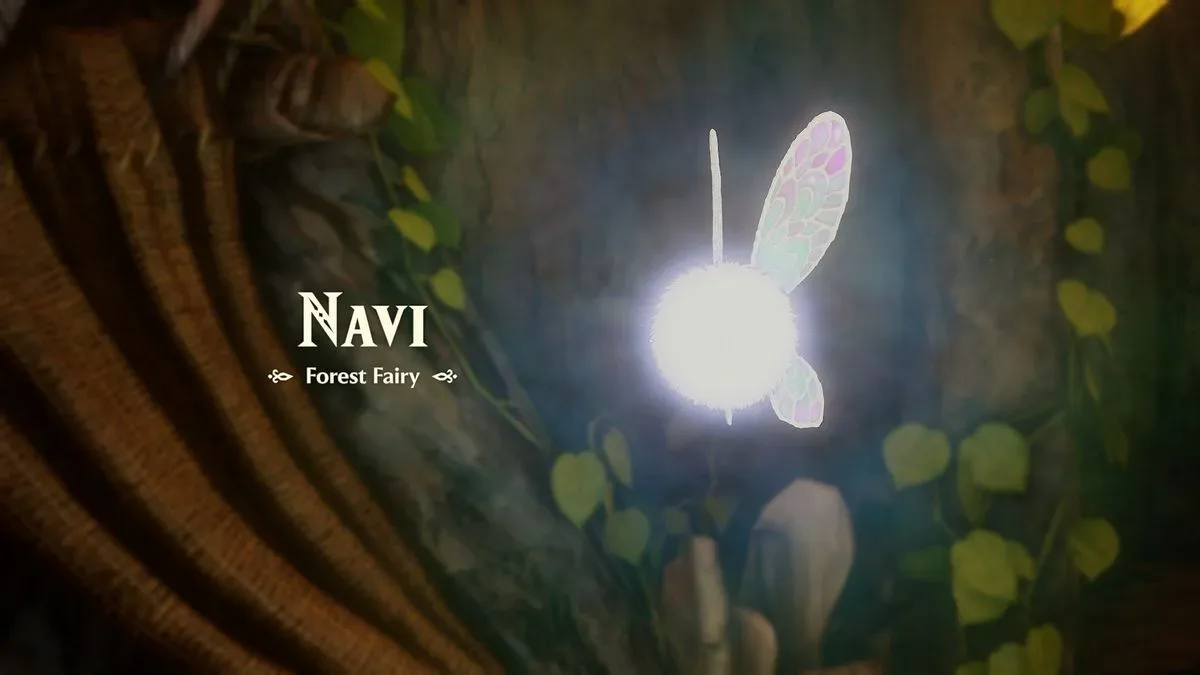
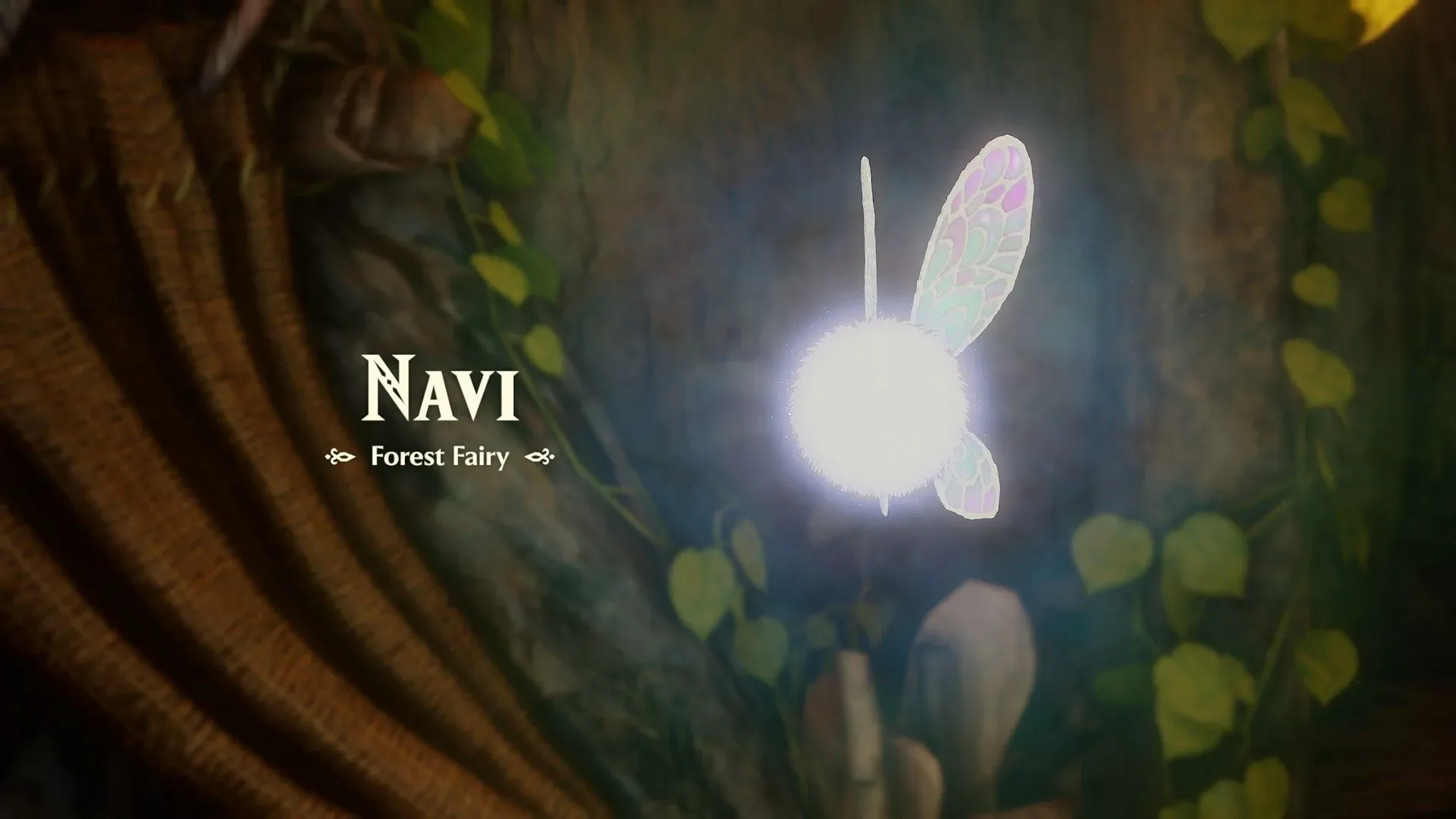
Navi has spent decades being remembered as the tiny, insistent voice at Link’s shoulder in The Legend of Zelda: Ocarina of Time. Now, a fan-made LEGO build gives the fairy a much larger role on the shelf. Builder AdatheB shared a custom Navi model that appears to stand roughly six to seven inches tall, supported by a transparent stand that creates the essential illusion: she is floating.
It is a simple idea with an unusually effective result. Navi’s in-game identity is inseparable from motion, light, and her close proximity to Link, so turning her into a static display object poses an immediate design problem. A clear support does more than hold the model upright; it preserves the character’s visual language. Rather than looking like a figure placed on a pedestal, the build reads as a fairy suspended in space.
The model has drawn attention in the LEGO community for being instantly recognizable despite translating a small, glowing game companion into a physical object made of hard plastic elements. One prominent response urged LEGO to take notice of the concept. That enthusiasm is understandable: Navi is a major Zelda character whose official brick-built representation remains extremely small by comparison.
What makes the custom build stand out
LEGO versions of video-game characters often work best when the subject has a strong silhouette: a helmet, a sword, a blocky body, or a face that can be expressed through a few deliberate shapes. Navi is a different kind of challenge. In Ocarina of Time, she is not defined by a costume or a complicated physical form. Her role is conveyed through scale, glow, wing-like shapes, and hovering movement.
That makes the choice of display engineering especially important. In LEGO terminology, a display stand is the structural base that stabilizes a model, while a transparent support is used when a builder wants an object to appear airborne. The technique is familiar in vehicle and creature models, but it is particularly suited to a fairy. The stand becomes part of the storytelling rather than merely an unavoidable practical fixture.
The reported six-to-seven-inch height also matters. It puts the build beyond a tiny reference tucked into a larger scene and into a scale where it can function as a dedicated piece of game-room decor. That is a fitting treatment for a companion character whose personality can outweigh her physical size.
Official Zelda LEGO context is still limited for Navi
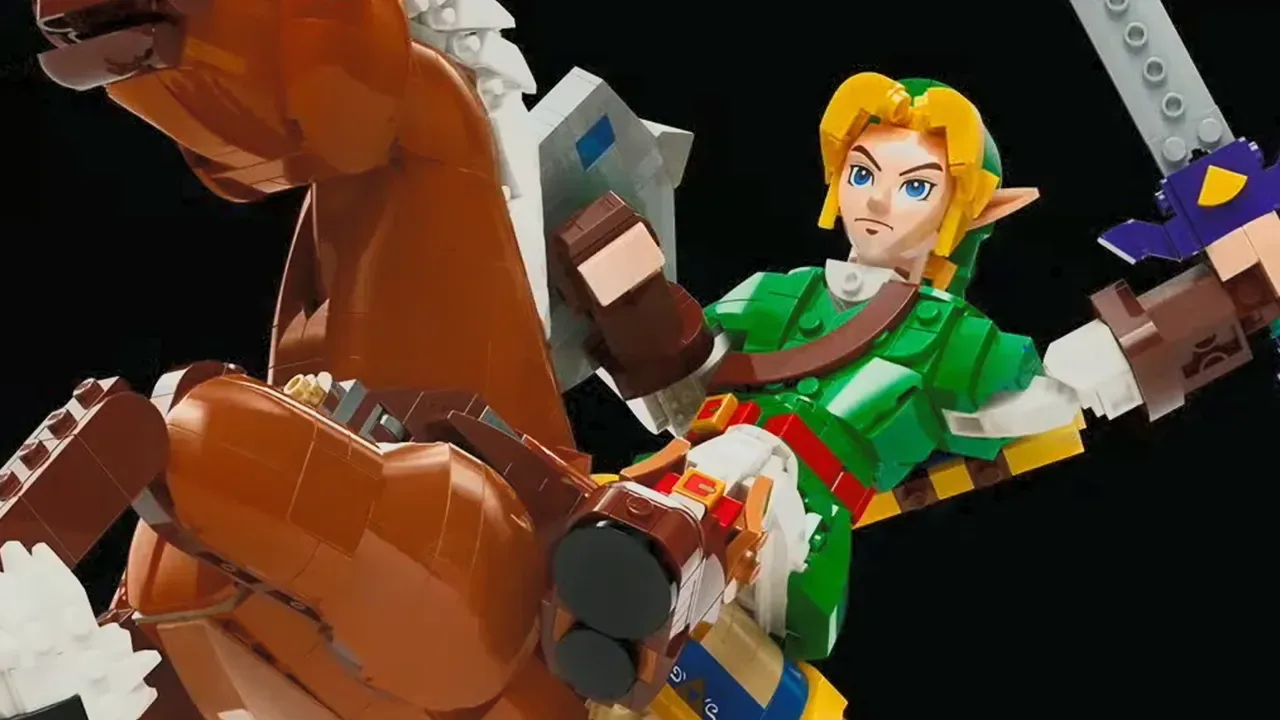
There is already an official brick-built Navi, but it is a tiny stud-scale detail in the Ocarina of Time Final Battle set. A Navi detail was also included with the now-retired Great Deku Tree set. Those inclusions acknowledge the fairy’s importance to the Zelda mythos, but they are not designed as a standalone display centerpiece.
AdatheB’s model fills precisely that gap: a character-focused build for people who want Navi herself, rather than a small accessory within a larger Zelda location or battle scene. It is also a reminder that fans frequently spot the display potential in supporting characters before official product lines do. The best custom builds are often not attempts to replace an existing set; they address a format that has not been offered at all.
Related coverage includes Zelda Fan Builds a Full-Size LEGO Navi Inspired by Ocarina of Time.
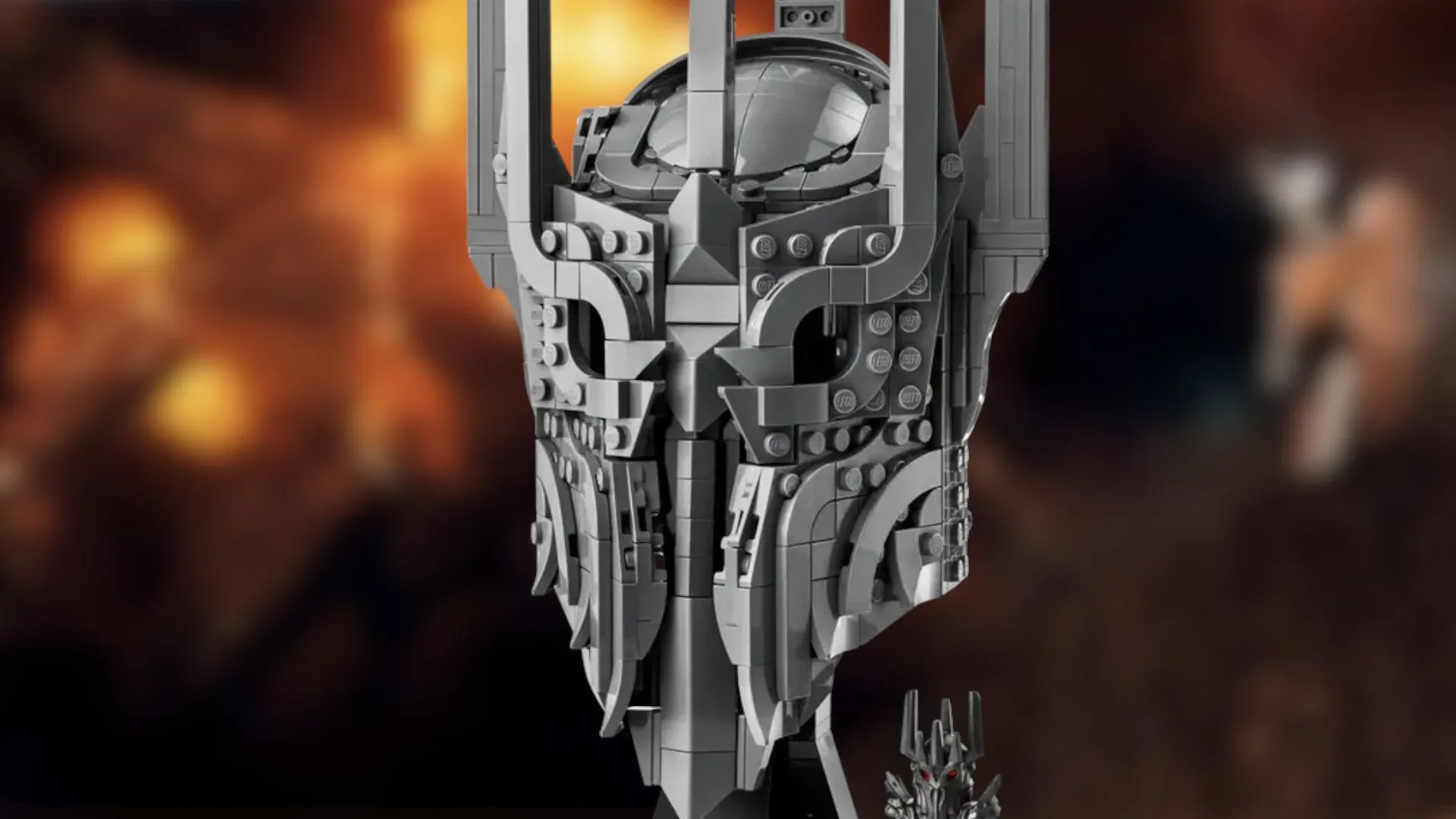
There is a useful contrast in LEGO fandom between a conventional build and a reinterpretation. Some projects radically transform an existing official model, as with a LEGO Sauron Helmet rebuilt into the Millennium Falcon without extra pieces. Navi’s build is more direct: it takes a familiar game character and asks what that character would look like as a dedicated physical display. Both approaches demonstrate why individual builders remain such an inventive part of the collecting scene.
A builder with a broader game-inspired shelf
The Navi model is not AdatheB’s first game-related creation. Images shared in a reply show a display area containing other custom builds, including a Hollow Knight model and multiple LEGO Pikmin creations. That broader collection gives the fairy project additional context. It is part of a personal display built around game worlds and characters that are meaningful enough to be translated into brick form, even when a comparable official set does not exist.
Pikmin and Navi make an interesting pair in this setting. Both are small-scale Nintendo-associated figures whose appeal depends heavily on character and color, and both can be difficult to elevate into a larger shelf display without losing the qualities that make them recognizable. Custom building provides room to solve that problem at whatever scale suits the collection.
For physical collectors, that is the practical value of fan-made models. A custom design can prioritize the feature a collector actually wants: a specific character, a preferred size, an unusual pose, or a display solution that matches the rest of a shelf. It is not an official product, and the post does not present it as one, but it illustrates the flexibility that comes from building with loose elements.
Why Navi is a natural subject for a display model
Navi’s reputation is inseparable from “Hey! Listen!”—the attention-getting prompt associated with her guidance in Ocarina of Time. Fans have long turned that repeated intervention into a joke, but the joke only works because the character is so memorable. She is one of the clearest examples of a game companion whose presence is felt through audio and game function as much as through visual design.
A shelf model cannot reproduce the prompts, targeting help, or context-sensitive guidance that defined Navi’s role in play. It can, however, preserve the most immediate visual cue: a fairy held just above the ground. In that sense, the transparent stand acts as the bridge between an interactive character and a collectible object. It communicates “Navi” before a viewer needs to see a label.
That clarity may explain the warm response to the project. The goal is not technological complexity for its own sake. It is a readable tribute to a character who is usually represented at a very small scale. The result is playful, slightly mischievous, and ideal for anyone who appreciates the idea of being silently reminded to pay attention from across the room.
What the project does—and does not—mean for official sets
Community enthusiasm for a fan concept should not be confused with an announced retail product. There is no indication here that LEGO or Nintendo has revealed a standalone Navi set, nor that this exact model is planned for official release. The build is a fan creation, apparently assembled from parts of the sort available through LEGO’s Pick a Brick selection.
Still, fan projects can be valuable signals of what collectors find compelling. A standalone fairy is a focused proposition: it needs little explanation, fits naturally beside existing Zelda displays, and offers a different kind of model from locations, vehicles, or large character sculptures. Its appeal lies in specificity. Someone who has no need for another giant scene may still make room for a hovering Navi.
For now, the custom model is best appreciated as a clever piece of personal fandom. It expands a tiny official detail into a full-size visual gag and a convincing display object, while leaving no doubt about the character it celebrates. Sometimes the fairy asking for attention deserves to get it.
Shop the products
Check current price, model and availability at the retailer.