
For collectors tired of watching desirable products vanish into the resale stratosphere, Walmart’s Collectibles Draw presents a more orderly—if still uncertain—way to pursue Pokémon cards and NeeDoh toys. The November 12 drawing is scheduled to accept entries from 2 p.m. to 3 p.m. Pacific time, with selected entrants having their orders placed automatically.
The key word is chance. This is not a conventional online sale in which the fastest shopper wins a race through a checkout queue. It is a draw: eligible shoppers enter during a defined window, and selection determines who receives an order. That does not guarantee access to a product, but it does create a route that is less dependent on beating other buyers to a product page.
The scheduled selection includes Pokémon 30th Celebration merchandise and NeeDoh items, both areas where high demand can make ordinary retail shopping unusually frustrating. The stated appeal is not merely that items may be available, but that some are listed closer to normal retail levels than prices buyers may encounter through resale listings.
How the Walmart Collectibles Draw is set to work
Anyone intending to participate needs to complete the account setup before the entry period. Walmart’s process calls for an account that has both a delivery address and a default payment method already saved. That preparation matters because orders for successful entrants are placed automatically rather than waiting for a second, manual checkout step.
- Set up or sign in to a Walmart account.
- Add a delivery address and make sure a default payment method is on file.
- Enter the Collectibles Draw during the November 12 window, from 2 p.m. to 3 p.m. PST.
- Wait for the selection results.
- If selected, review the automatically placed order. Buyers have six hours after the order is placed to cancel if they no longer want it.
That six-hour cancellation period is an important practical detail. An automatic order can be convenient, but it also means shoppers should not enter casually for an item they would not be prepared to purchase. The draw does not take payment from people who are not selected; however, a selected entrant should be ready for the order to proceed unless they cancel within the allotted time.
In this context, a default payment method is simply the card or other payment option already designated on the Walmart account. A delivery address is the saved shipping destination. Neither is a minor afterthought in an automatic-order system: missing account details could undermine an otherwise successful draw entry.
A draw is not a discount code—and not a purchase guarantee
It is worth separating three ideas that can get bundled together in collectible shopping: availability, price, and certainty. The draw may improve the first two for some successful entrants, but it does not eliminate the third. Entry only puts a shopper into consideration; selection is not guaranteed.
That distinction is particularly relevant for collectors accustomed to traditional restocks. In a standard restock, inventory appears at a listed price and shoppers try to complete a purchase before it disappears. With a draw, the retailer allocates the chance to purchase after entries are collected. The approach may reduce the advantage of sheer checkout speed, though it also asks buyers to accept that preparation and prompt entry still cannot ensure a result.
Related coverage includes Walmart Collectibles Draw Offers a Shot at Pokémon Cards and NeeDoh at Regular Prices.
There is also no reason to treat every item in the draw as automatically exceptional value. “Retail price” and “good deal” are related but not identical ideas. A product may be less expensive than a resale listing while still being a sizable purchase, and an expensive collection can remain expensive even when it is offered through a more controlled retail channel. The useful comparison is between the listed price, the buyer’s own budget, and the actual desire to keep or use the item—not the anxiety created by scarcity.
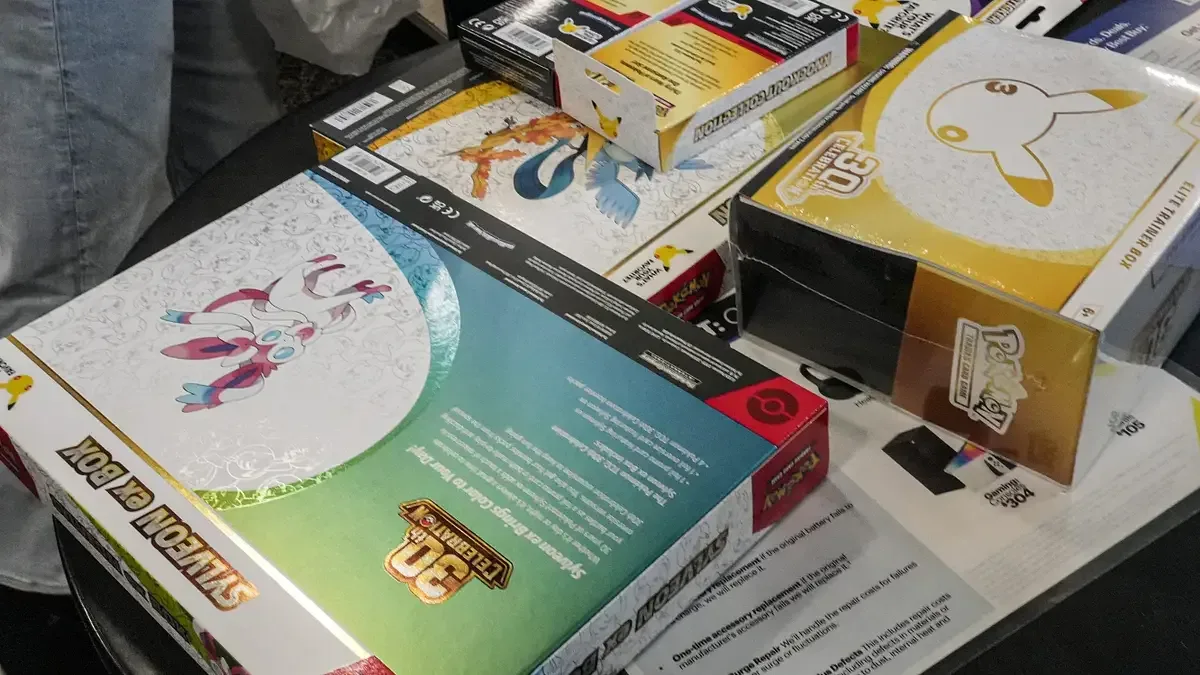
Pokémon 30th Celebration products are the headline items
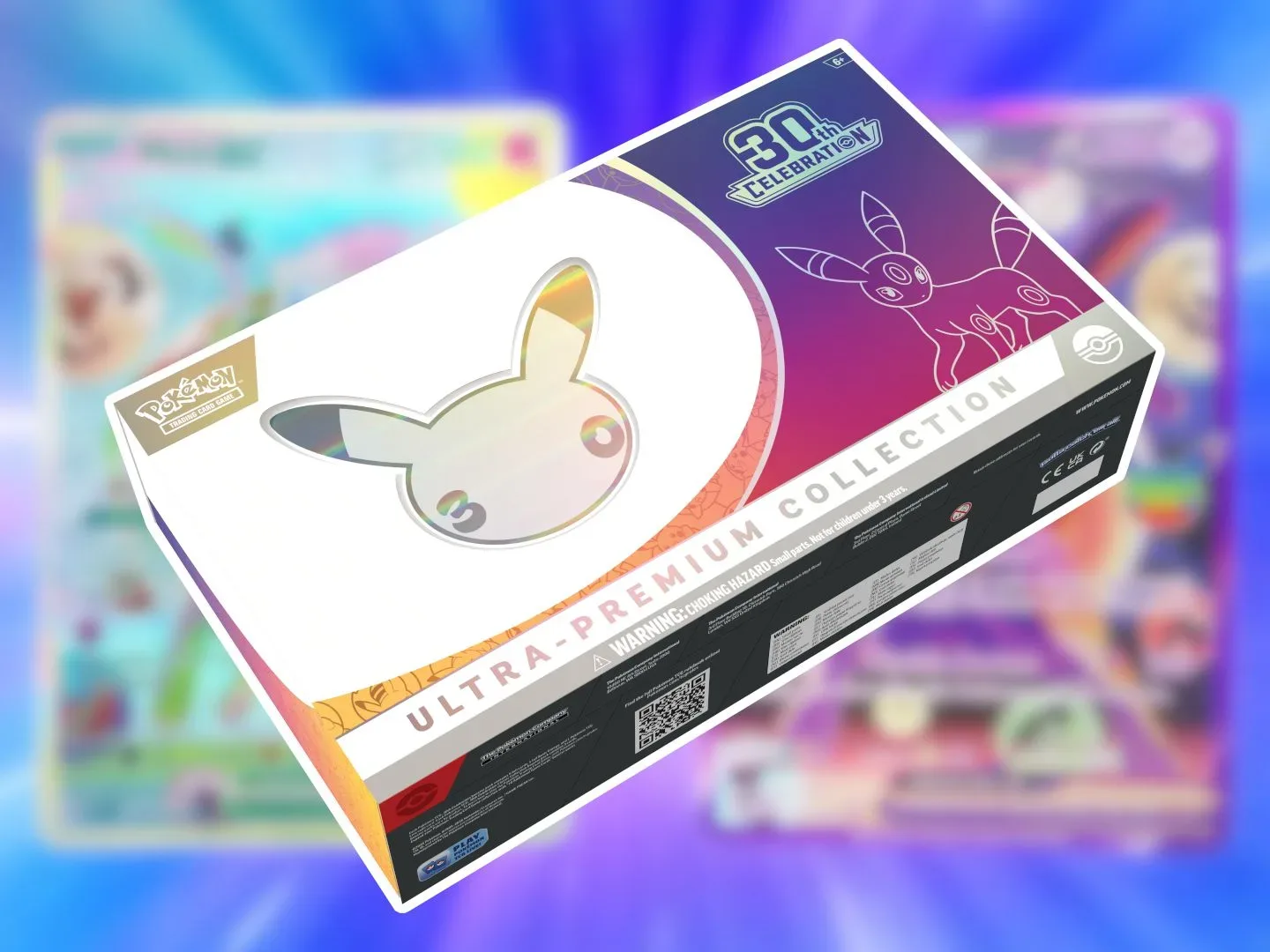
Pokémon’s 30th Celebration range is central to the draw, with the Pokémon Night Ultra Premium Collection among the more conspicuous products mentioned. “Ultra Premium Collection” generally signals a larger boxed trading-card release rather than a single pack or a small starter purchase. That makes the product naturally more attention-grabbing, but it also means buyers should take the time to understand what they are entering for before committing their account to an automatic order.
The more approachable listing may be the Pokémon 30th Celebration Poster Collection, priced at $19.97. At that price point, it represents a notably lower barrier to entry than a premium collection and is likely to be of interest to fans who want a commemorative product without making a major outlay.
For a trading-card buyer, a collection is a retail package containing more than one component; it is not a promise that every card inside is rare, valuable, or appropriate for grading. The supplied information does not establish pull rates, individual card contents, print quantities, or long-term market value for these products. Those are separate questions from whether a shopper can obtain a sealed item at its listed retail price.
That is a useful line to hold. Scarcity often turns card shopping into a conversation about future value before the product is even in hand. But sealed-product availability is the only thing this draw directly addresses. Collectors who want to open packs, preserve a commemorative box, or give a Pokémon item as a gift may all value a successful purchase differently. None of those motivations requires assuming that a product will appreciate.
Pokémon collectors looking for more focused coverage can also follow our collectibles news coverage for how demand, limited availability, and product details can shape hobby buying decisions across categories.
NeeDoh availability may be the quieter opportunity
While Pokémon cards are likely to draw much of the attention, NeeDoh may be the more straightforward part of the event for many households. The tactile toys have become difficult to find in sought-after versions, and the draw is described as offering NeeDoh around the $5 mark. That is significant because an ordinary price can become unexpectedly hard to find once a product gains viral demand and resellers begin setting the most visible listings.
NeeDoh’s presence also broadens the draw beyond conventional trading-card collectors. A buyer might be entering for a toy rather than a sealed card product, yet the shopping challenge is similar: popular goods can be scarce at normal retail, while the available alternatives are often marked up. The draw gives entrants a channel where the item and price are set in advance, even if the outcome is still random.
For gift buyers, that advance clarity is useful. Before entering, decide whether the listed item is something the recipient actually wants, whether the automatic order would fit the budget, and whether the saved address is appropriate. The six-hour cancellation option is a safety valve, not a substitute for checking the basics ahead of time.
What shoppers should do before the entry window
The practical strategy is simple because the draw itself has only a few stated requirements. Finish account details early, verify the time zone, and enter only for items you would be comfortable buying if selected. The November 12 window is stated in Pacific time, so shoppers outside that zone should convert it carefully rather than relying on a vague afternoon reminder.
- Check the account first: Confirm that the delivery address and default payment method are current.
- Know the commitment: Successful selection leads to an automatically placed order.
- Use the cancellation window responsibly: Selected buyers have six hours to cancel or change their mind.
- Set a budget before entering: Do not let scarcity decide what is sensible to spend.
- Keep expectations realistic: The draw provides an opportunity, not a reservation or a guaranteed purchase.
One especially easy error is treating the draw as risk-free solely because non-selected entrants are not charged. That is true for people who are not selected, but the mechanism is designed to move selected entries directly into an order. The better interpretation is that entry does not cost money, while selection can create a purchase commitment that must be actively cancelled within the stated period if unwanted.
Why the format matters for collectors
Collectible markets often reward attention, timing, and luck in unequal measures. A retail draw does not solve scarcity, and it does not make every product broadly available. What it can do is establish a defined opportunity where shoppers do not have to compete only through rapid-fire checkout attempts or accept elevated resale pricing as their first option.
For the Pokémon 30th Celebration Poster Collection at $19.97, the significance is accessibility: a lower-priced product has a path to a normal retail purchase despite the surrounding demand. For the Night Ultra Premium Collection, the appeal is different: a more substantial product may be obtainable without resorting immediately to the much higher prices that can circulate in resale markets. And for NeeDoh, the draw offers an avenue to pursue popular toys at roughly $5 rather than treating viral status as an automatic surcharge.
Those outcomes remain conditional on selection. But a well-prepared entry is at least a meaningful alternative to paying a premium simply because a popular product is hard to locate. For anyone interested in the November 12 draw, the sensible move is to prepare the Walmart account, enter during the one-hour Pacific-time window, and only put in for products that would still make sense at the listed price if the selection goes their way.