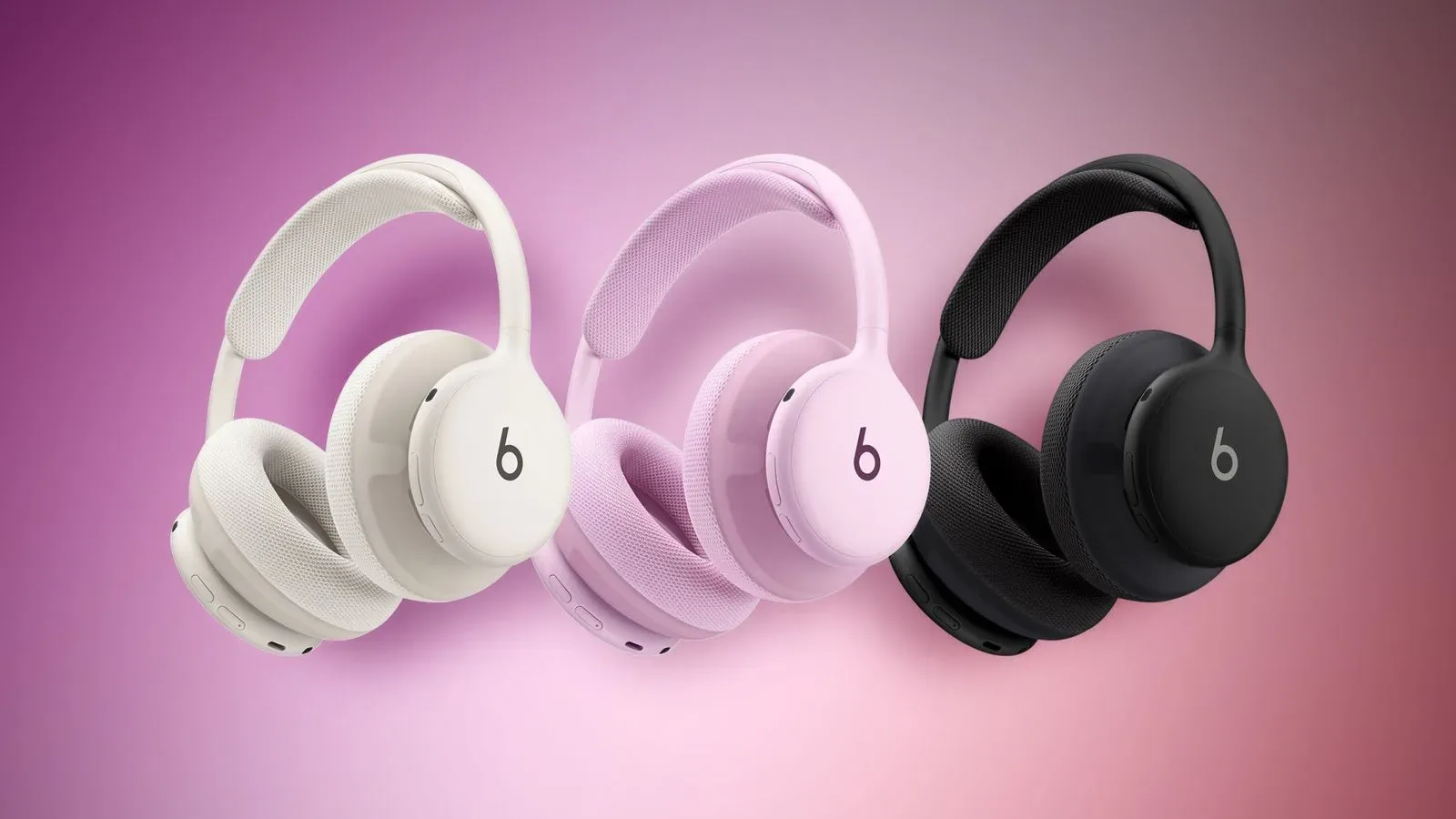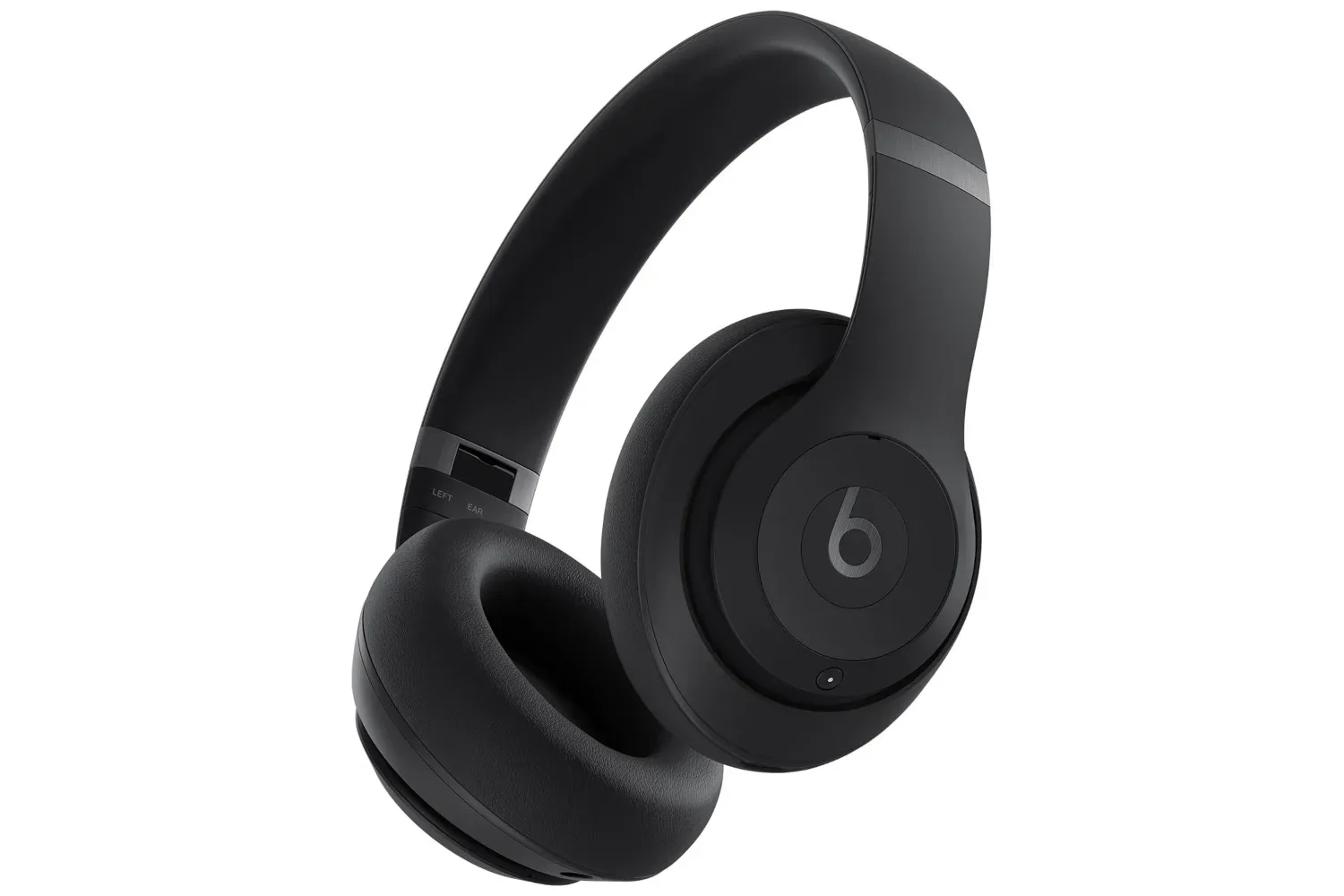
Beats Studio Pro headphones are listed at $170 in a current Amazon promotion, down from a stated standard price of $350. That is a $180 reduction, or roughly 51% off, turning a premium-priced pair of over-ear headphones into a considerably more approachable purchase for anyone putting together a music, work, travel, or gaming-adjacent setup.
The listing’s headline number is the useful part: $170 is substantially below $350. But as with any retailer promotion, the practical advice is simple: confirm the final price, the precise color or configuration selected, seller details, shipping terms, and return policy at checkout. The available evidence characterizes the offer as time-sensitive, so there is no basis to assume the price will remain in place.
What the $170 price actually changes
A discount is not a specification, and it cannot make a product right for every listener. It can, however, change the value equation. At $350, a buyer is being asked to decide whether the Studio Pro’s design, comfort, noise cancellation, battery endurance, and broad device compatibility justify a firmly premium spend. At $170, the same decision becomes less about paying top-tier money and more about whether those capabilities suit the buyer’s routine.
That distinction matters. A shopper who needs headphones for a quiet office, a loud commute, a gym session, or a long stretch of focused play may put more value on isolation and long battery life than someone who only needs a compact set of earbuds for occasional calls. The Studio Pro are described as lightweight and comfortable enough for extended use, while their advertised battery life reaches up to 40 hours on a full charge. “Up to” is important language: it represents a maximum rather than a promise that every listening pattern will reach that figure.
Still, 40 hours provides a useful expectation at a high level. It suggests less frequent charging than a product designed around short daily sessions. For somebody who dislikes yet another cable competing for desk space—or who has ever had a headset give up midway through a particularly tense multiplayer evening—that can be a meaningful convenience rather than a flashy bullet point.
Noise cancelling: what it is for
The Studio Pro feature noise cancelling, a technology intended to reduce unwanted external sound so the listener can better hear audio without relying entirely on a louder volume. In practical terms, that can be helpful in environments where steady background distractions are part of the day: a workplace, a gym, public spaces, or a home that has declined to respect the sacred silence of a boss fight.
Noise cancelling should not be treated as a magic invisibility cloak for sound. The relevant claim here is that it can help listeners shut out surrounding distractions when they want to concentrate or simply listen without interruption. Its usefulness will depend on the environment and an individual’s preferences. Some people value a more isolated experience; others need to remain attentive to people and activity around them. The technology is best regarded as a tool for choosing when outside noise gets less of a vote.
Why broad compatibility has long-term value
The deal also points to broad compatibility, which has a practical benefit beyond the first day of ownership. Phones, computers, tablets, and preferred platforms can change over time. Headphones that work across a wide range of devices are less likely to become awkwardly tied to one particular setup.
That is especially relevant for players who move between devices. One day’s listening might be a music session from a phone; the next might be video, chat, or a game running somewhere else. No specific platform features or connectivity standards are established here, so prospective buyers should check the retailer listing and their own devices for requirements before treating the Studio Pro as a guaranteed solution for every use case. Compatibility is valuable, but exact needs still matter.
Comfort and sound are personal, not universal
The headphones are presented as having strong sound quality and a comfortable, lighter-than-expected fit. Those are meaningful attributes, but they are also among the most subjective parts of headphone buying. Sound preference varies: one person may want a presentation that makes familiar tracks feel newly detailed, while another may prioritize a different tonal balance or simply care most about spoken dialogue. Fit is equally individual, particularly for extended wear.
Rather than treating praise for sound as an all-purpose verdict, shoppers can use it as a reason to investigate the product’s fit and intended use. Consider a few straightforward questions:
- Will the headphones be worn for long work, travel, or study sessions?
- Is reducing environmental noise a priority?
- Does fewer charging interruptions matter more than maximum portability?
- Will they be used with more than one kind of device over their lifespan?
- Is an over-ear design preferable to earbuds for the intended listener?
If most answers point toward long sessions, isolation, and device flexibility, the Studio Pro’s stated strengths line up well with the use case. If the goal is something tiny for a pocket, or if outside awareness is essential at all times, a large over-ear set may not be the ideal format no matter how sizeable the markdown looks.
A deal is strongest when it fits the routine
The strongest case for this price is not that everybody needs another audio device. It is that the headphones’ cited combination of noise cancelling, extended battery capacity, comfort, and broad compatibility is being offered at a price far below the stated $350 baseline. That gives prospective buyers room to evaluate the product on their needs rather than solely on the prestige of its original price.
It is also worth separating an immediate discount from a permanent market value. Retail offers can end, stock and colors can differ, and checkout details may change. A careful buyer should view $170 as the price to verify now—not as a price guaranteed for tomorrow or for every variant. If it remains available on the preferred option, the $180 difference is large enough to justify a closer look for anyone already considering over-ear noise-cancelling headphones.
For Apple-device users weighing their broader audio habits, the current sale also lands during a period when Apple’s ecosystem remains part of the conversation around personal listening. The company’s relationship with audio choices has produced some famously divisive moments; Apple’s U2 album removal tool remains a sharp reminder that even “free” media should be optional. Hardware is a more personal choice still. The right headphones are the ones that earn their place in a daily routine, not the ones with the loudest discount percentage.
For buyers who want the Studio Pro’s stated feature set, though, the current listing provides a clear arithmetic advantage: $170 instead of $350, subject to the live retailer page and the promotion continuing to apply.
Shop the products
Check current price, model and availability at the retailer.