October’s prize-winning game clips make a convincing case for the oldest rule in videogames: the moment you stop paying attention is the moment something notices you.
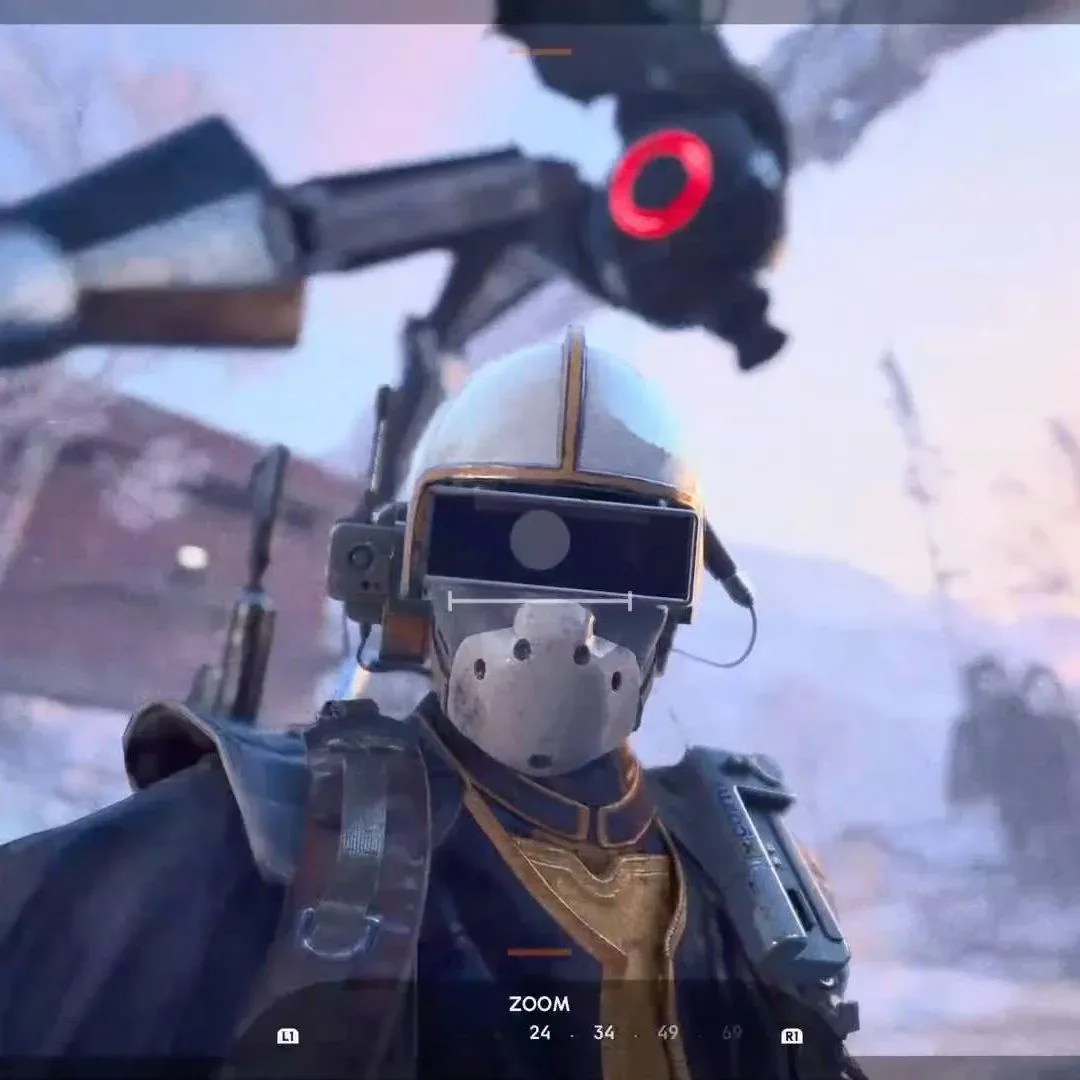
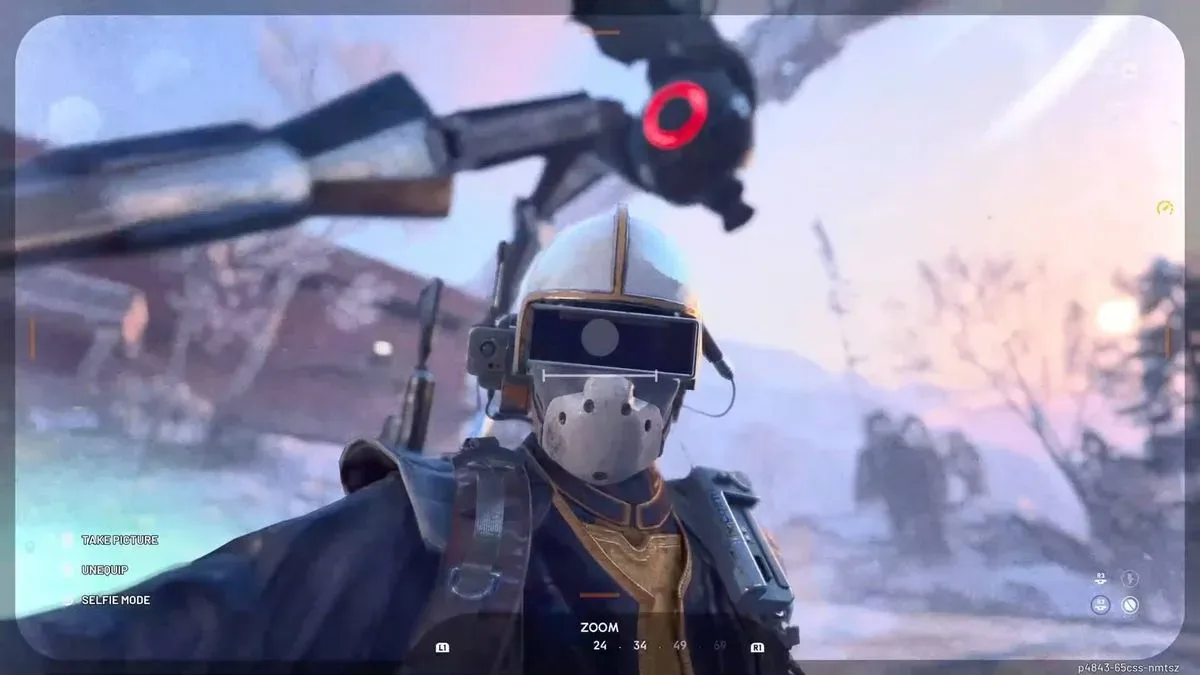
One winning submission catches an Arc Raiders player posing for a selfie just as a leaper crashes the frame. The other heads into an abandoned train tunnel in Control Resonant, where the apparent safety is plainly doing a great deal of suspicious work. Each creator receives a $/£250 Amazon voucher.
The two clips were selected through Replay, a recurring community video feature built around short gameplay moments. Its monthly prizes are split between an overall pick, open to clips from any game, and a themed selection. For October, the Arc Raiders near-disaster earned the overall award, while the Control Resonant tunnel sequence won the spooky-themed prize.
That division matters because it recognizes two different kinds of memorable footage. One is the lightning-strike accident: a player lines up a joke or a pose, then the game supplies a perfect interruption. The other is deliberate mood-building, where the clip’s payoff comes from the audience realizing that an apparently ordinary location has been telegraphing danger all along.
An in-game photo opportunity with terrible timing
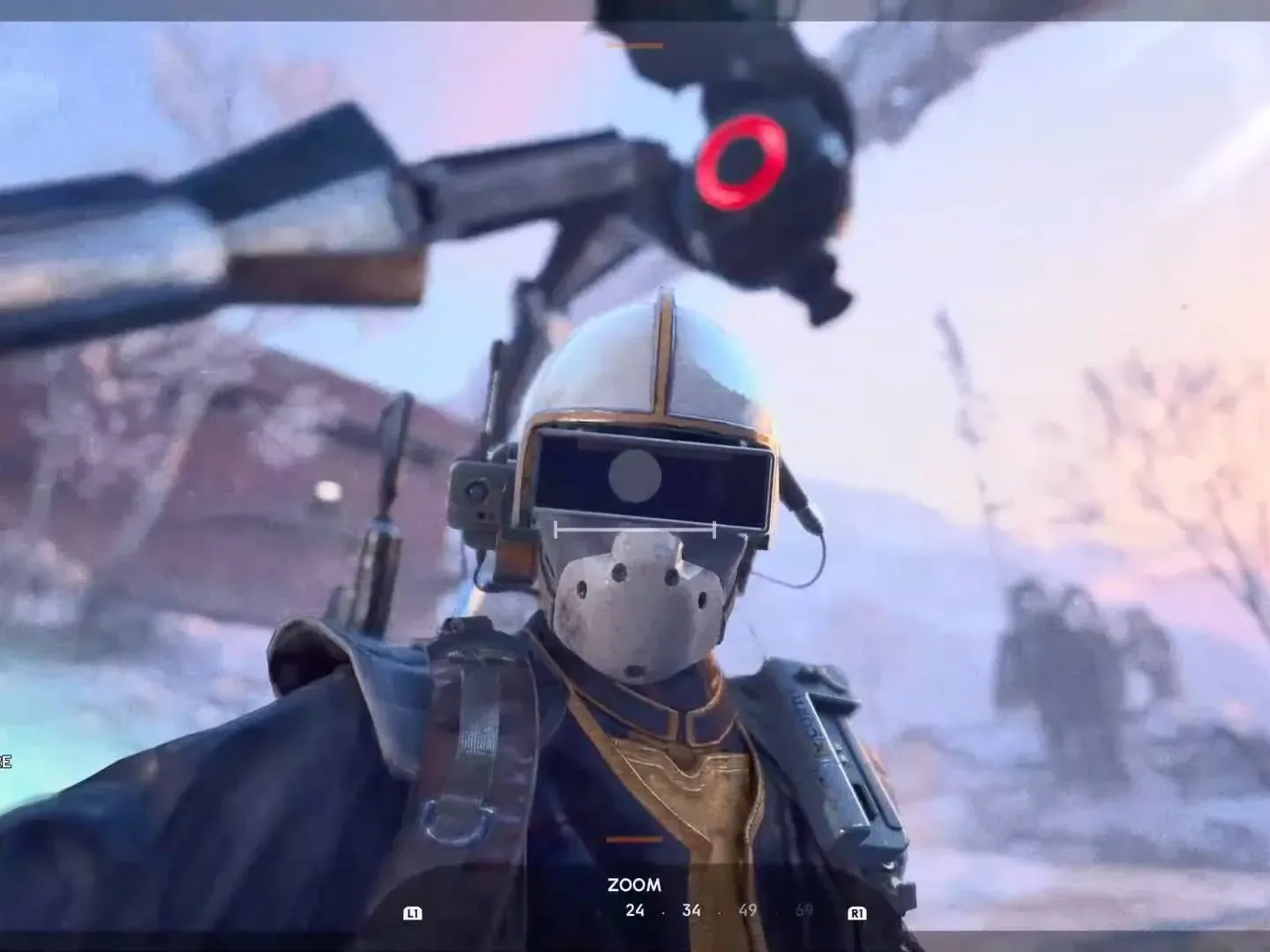
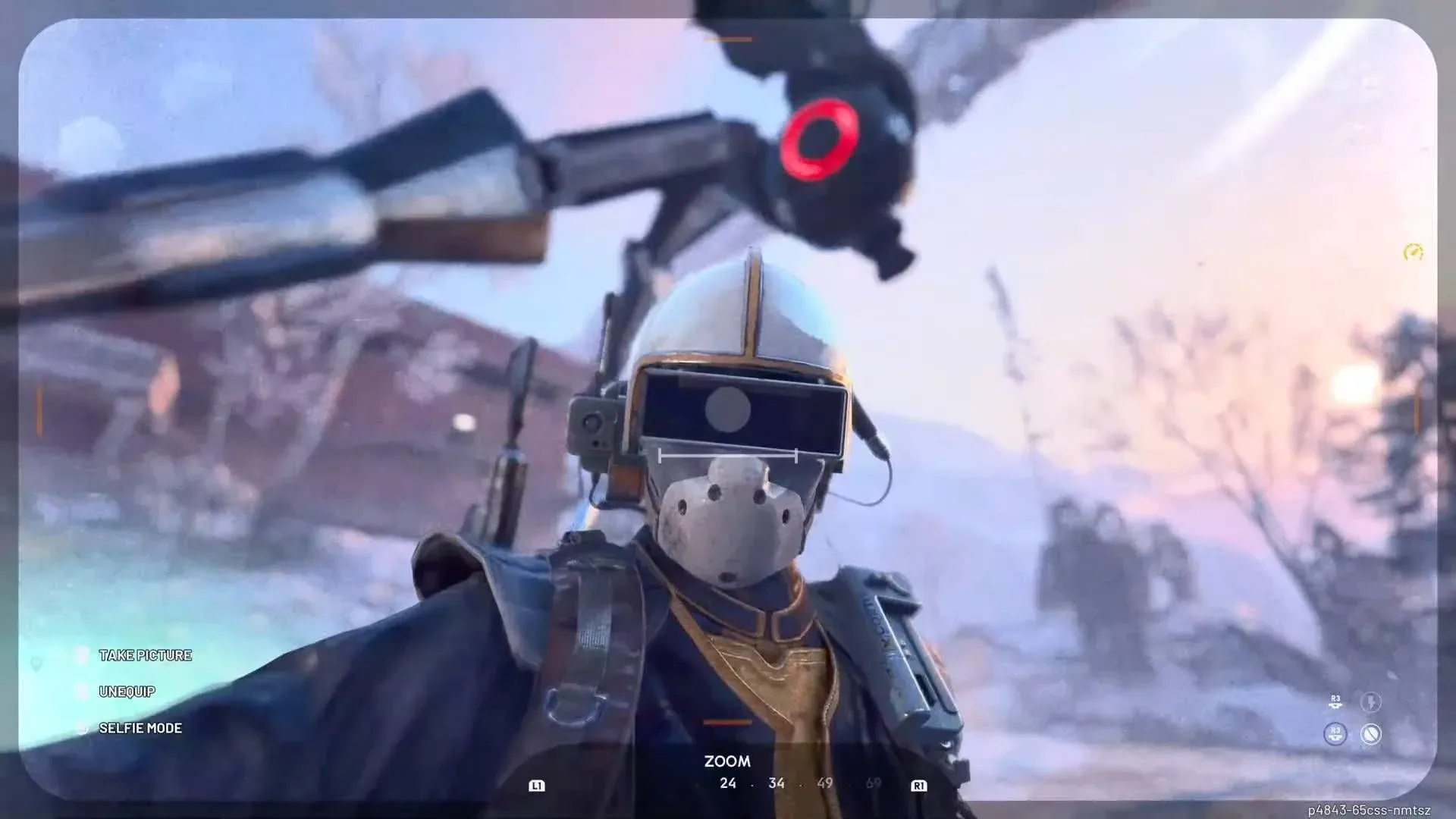
The Arc Raiders winner revolves around a selfie camera and a leaper that chooses exactly the wrong—or, for viewers, exactly the right—moment to intrude. The comedy is immediate because the player’s intention is easy to read. A selfie is a brief pause for presentation: look toward the camera, hold still, and preserve a bit of personality amid the action. That makes it an especially fragile activity in a dangerous game space.
A leaper, in the context supplied with the clip, is the threat that ruins that quiet moment. The important detail is not a broader breakdown of its behavior, which is not established here, but the visual contrast it creates. The player is framed for a posed image; the unexpected arrival converts the pose into a survival problem. A clean sequence of setup, interruption and implied aftermath is often all a short clip needs.
There is also a useful lesson for anyone making shareable gameplay videos: don’t delete the failed take too quickly. The intended selfie may have been routine. The version with a sudden attacker is the one that communicates character, danger and punchline in seconds. Game clips do not need to show mastery alone. A perfectly timed mistake, ambush or interruption can be more watchable because viewers understand the stakes instantly.
That does not mean creators should manufacture every moment. The appeal of the Arc Raiders clip is the collision between player intention and game chaos. If the surprise feels overly arranged, the joke can lose its snap. Leaving a little lead-in before the interruption and a little reaction afterward can help preserve why a moment was funny in the first place.
Related coverage includes Arc Raiders Selfie Ambush and Control Resonant Tunnel Scare Win October Replay Prizes.
The tunnel that was never going to stay quiet
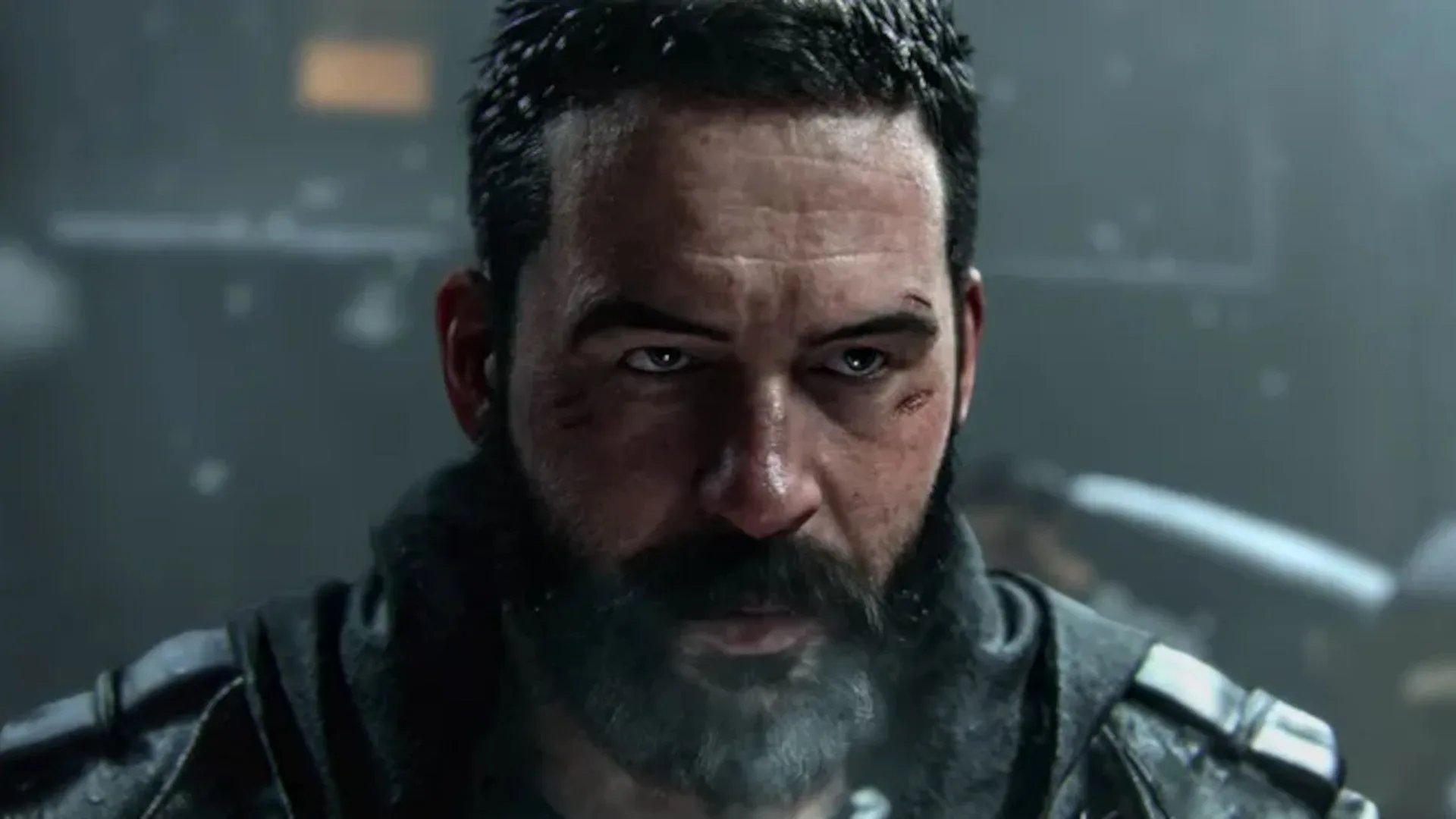
Control Resonant takes the opposite route. Its selected clip uses an abandoned train tunnel and the audience’s genre instincts. An empty underground corridor is a familiar invitation to anticipate trouble: limited sightlines, an enclosed route, and enough silence to make every small detail feel potentially important. The clip’s tension comes from the sense that the tunnel is behaving too normally.
That is an effective example of environmental suspense. Rather than requiring an immediate monster, explosion or elaborate action sequence, environmental suspense uses place and pacing to establish unease. A neglected rail space can imply isolation. A long tunnel limits the player’s options. “Nothing happening” becomes part of the setup because the viewer begins waiting for the point at which that condition changes.
The October theme is described as spooky, and this entry fits that prompt through timing and atmosphere rather than a list of technical effects. The underlying joke is the insistence that the tunnel is completely safe, paired with the obvious certainty that it is not. Horror works especially well in short-form game footage when it gives the viewer just enough time to predict danger—then lets the prediction pay off.
For people editing their own eerie clips, the practical takeaway is restraint. A fast cut straight to the scare may capture the event but not the dread. A little scene-setting gives the eventual disruption meaning. Conversely, too much waiting can weaken a short submission. The strongest version identifies the place, establishes why it feels wrong, and arrives at the payoff before the viewer’s attention drifts.
What Replay is looking for
Replay accepts gameplay and stream clips, with room for funny incidents, impressive play, strange bugs and strong commentary. That broad remit is reflected in October’s picks. Neither winning premise depends on the same kind of play: one is an action-comedy interruption, while the other is a compact scare. What connects them is clarity. A person seeing either clip without much context can recognize the setup and understand why the turn is memorable.
There are two $/£250 Amazon voucher prizes available in each round: one for the top video overall and one tied to the month’s Call of Duty-flavored theme. Entrants agree to the applicable terms and conditions when submitting footage. The selected clips may also be shared across the organizer’s site and social channels, so submitters should consider that wider visibility before sending a highlight.
November submissions are open for creators who want to enter. Clips can come from gameplay or a stream, rather than being restricted to a single capture style. The most useful question is not simply, “Was this a good match?” It is, “Can somebody understand the moment quickly?” An extraordinary play can work, but so can an odd bug, an accidental gag, a tense pause or a sharply delivered bit of chat.
A practical checklist before sending a clip
- Start near the setup: Include enough footage to show what the player was trying to do before the surprise or achievement occurs.
- Protect the payoff: Do not cut away at the exact instant that explains the joke, scare or skillful move.
- Keep the central action readable: If an enemy, bug or reaction is the point, it should be visible enough for a first-time viewer to follow.
- Let game audio or commentary do useful work: A reaction can provide context, but it should support rather than obscure the event.
- Save unexpected moments: A failed pose, a strange animation or a sudden ambush may be more distinctive than a planned recording session.
- Check the terms before submitting: Entry carries an agreement to the stated terms and conditions.
Recording tools vary by system, and the submission information specifically points players toward guidance for capturing gameplay on PC, PS5, Xbox Series X, Switch and Switch 2. The basic objective is the same on each: make sure the highlight is saved while the moment is still available. Capture functions are particularly useful for surprise clips, because the best material is often something a player did not know they were about to create.
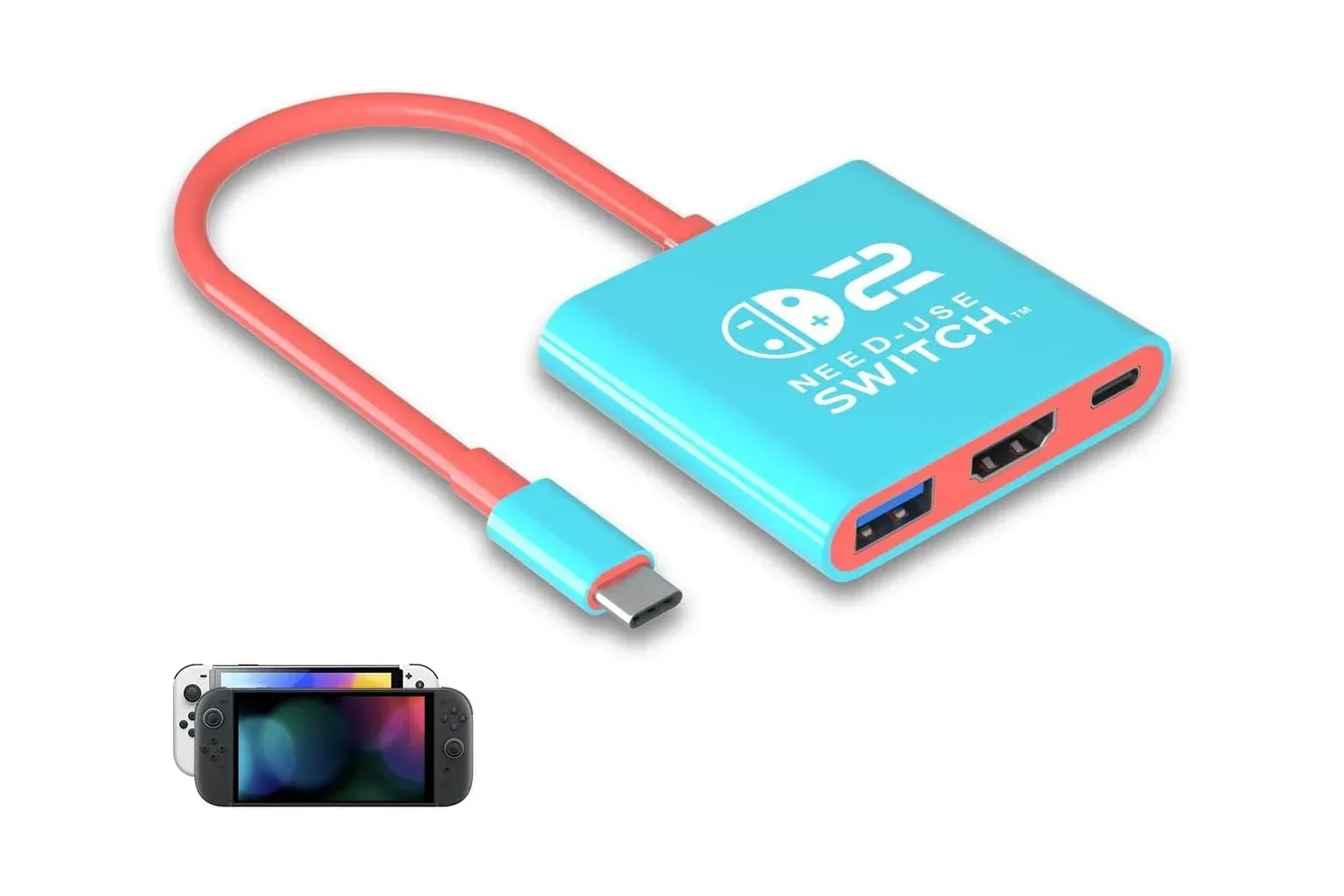
For handheld-minded players considering where to keep their clips and accessories organized, there is also a look at a compact dock listed for Switch, Steam Deck and ROG Ally devices. The bigger point remains simple: the technical act of recording is only the first step. Selection and trimming determine whether an ordinary session becomes a story someone else can enjoy.
Why these two clips stand out
October’s selections show that the most durable gaming clips tend to have a beginning, a turn and an ending, even when they last only moments. The Arc Raiders video begins with a selfie and turns into an ambush. The Control Resonant entry begins with an unnervingly quiet tunnel and turns that quiet into a warning. Each premise is compact, readable and anchored in a player’s experience rather than a complicated explanation.
They also offer a useful counterpoint to the idea that a game highlight must be flawless. In one case, the memorable thing is a plan going abruptly wrong. In the other, the memorable thing is the player’s willingness to walk into a situation that looks obviously unsafe. Those are experiences players recognize: confidence punctured by chaos, or curiosity rewarded with precisely the thing it feared.
For November entrants, that may be the most productive standard to use. Watch the saved clip once with the sound off, then once with it on. If the visual setup is clear and the audio adds a reaction, atmosphere or explanation, the moment has a solid foundation. If it needs a long explanation, trim toward the part where the story becomes apparent. A leaper crashing a selfie and a haunted-feeling tunnel each prove that a few seconds of well-framed trouble can say plenty.