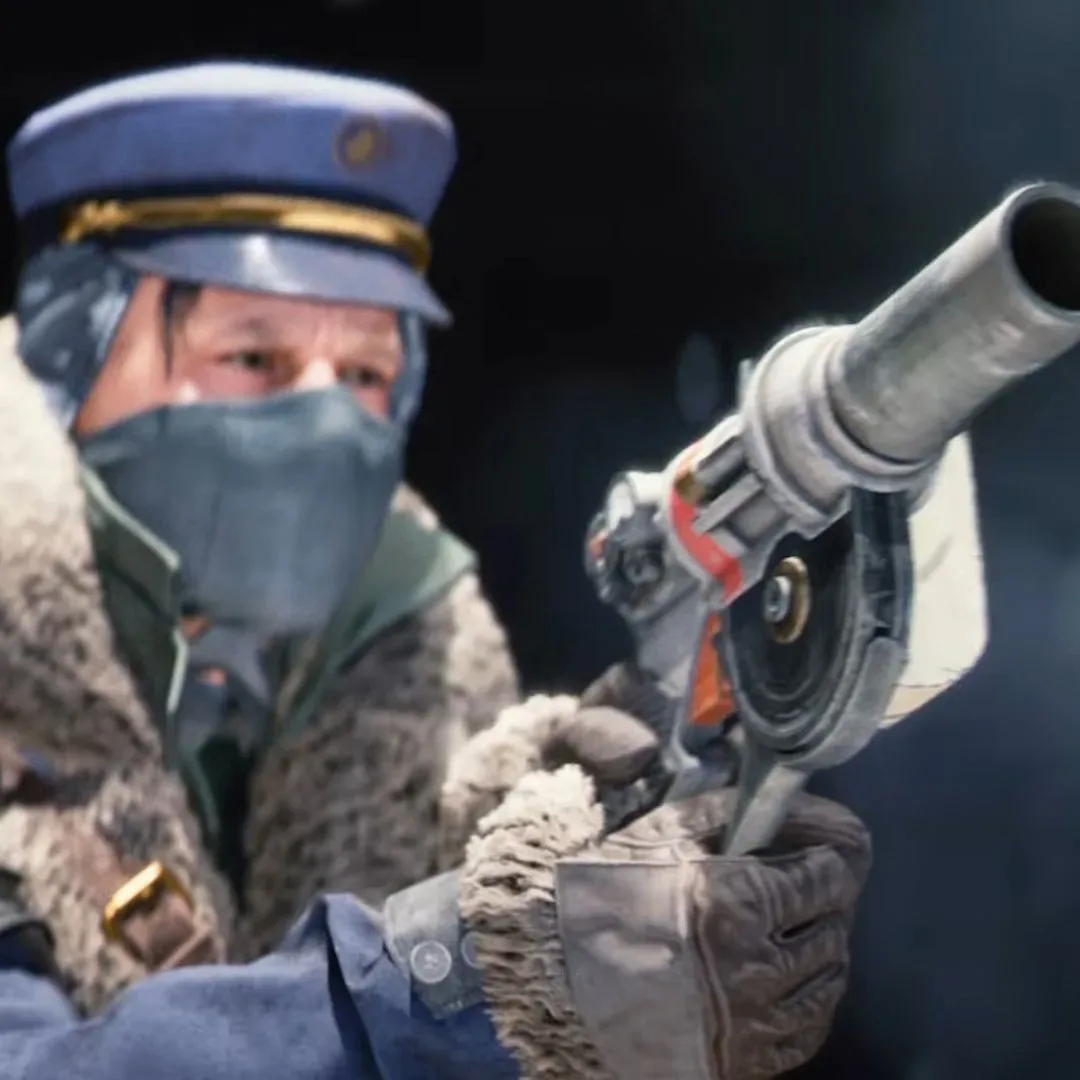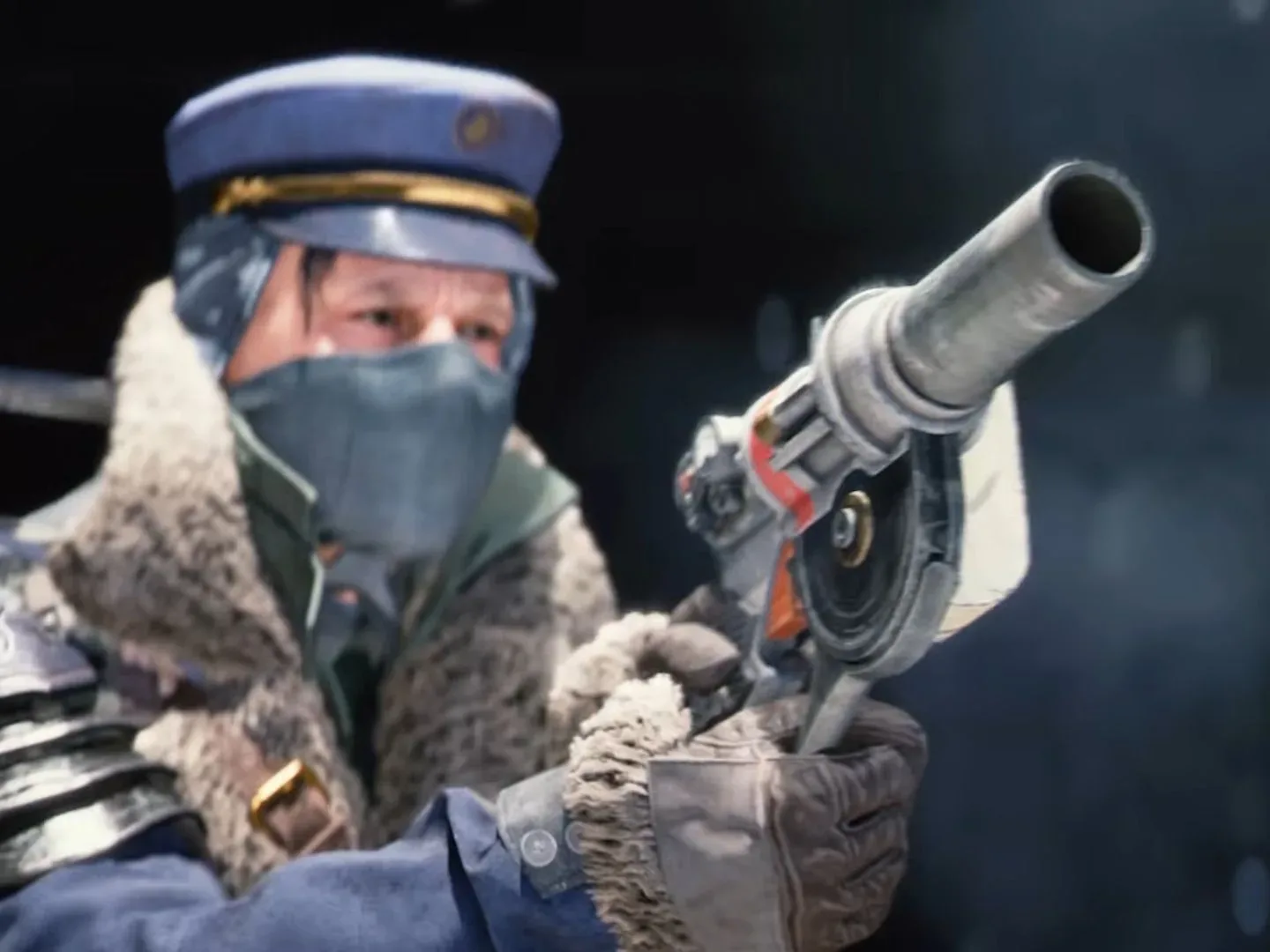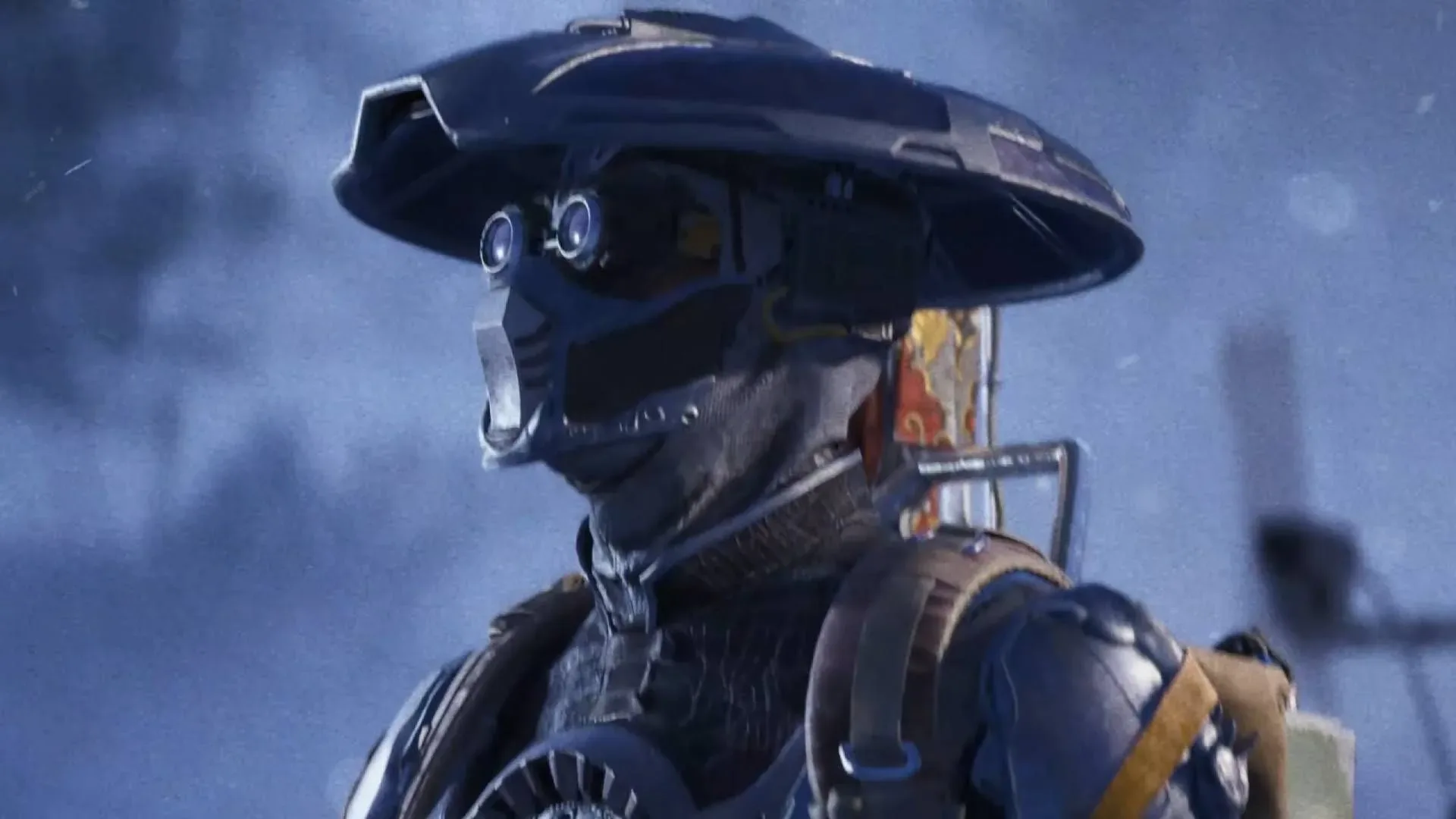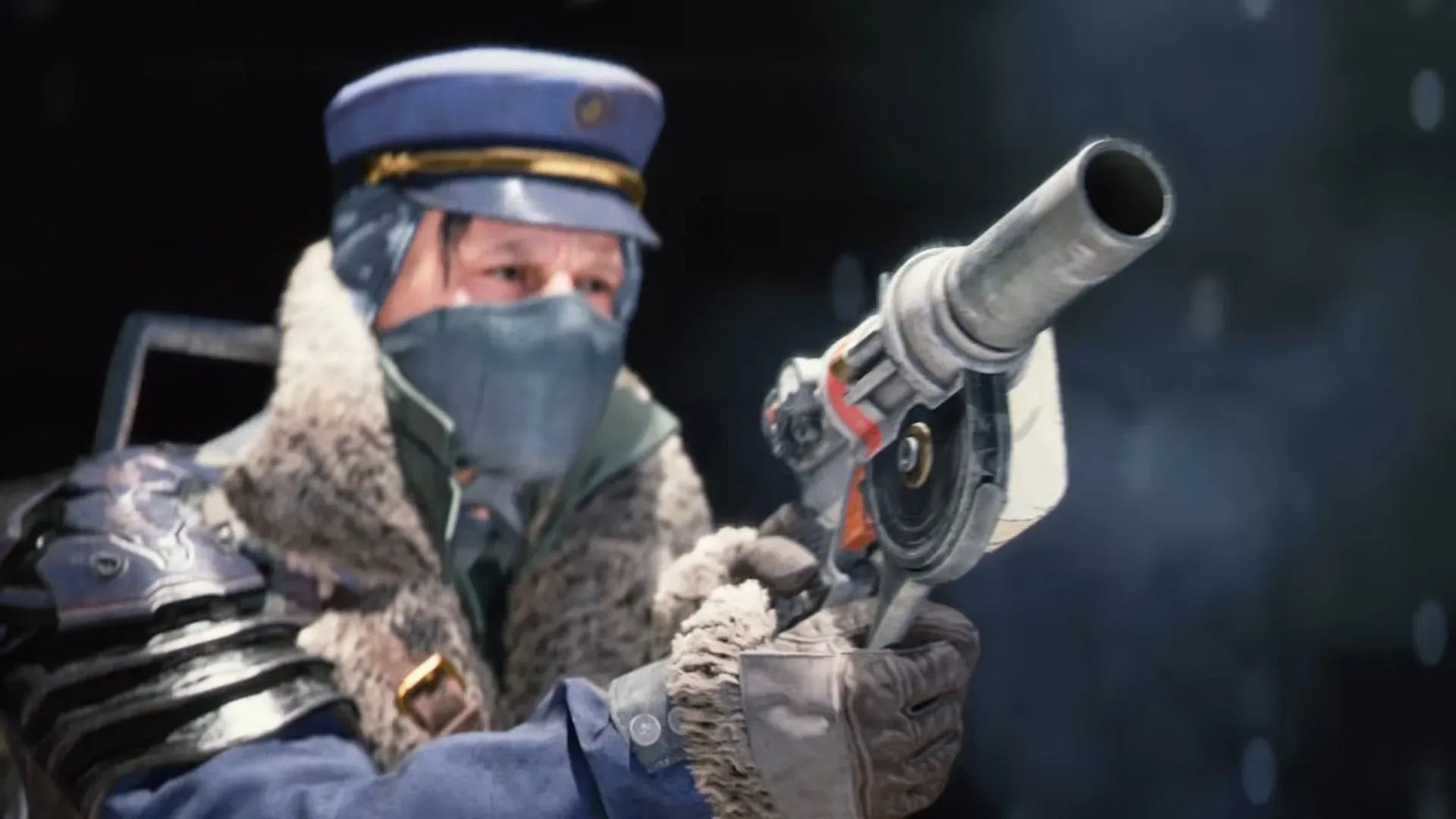
Big seasonal updates are usually sold with the headline material: a new map, fresh weapons, extra gadgets, enemies, and an expanded skill tree. Arc Raiders’ Frozen Trail update has all of that, including the new Pendola Pass map, but its most consequential additions may be the short patch-note entries that change the rhythm of ordinary matches.
The 2.0 update raises storage capacity, revises the rewards tied to two major ARC enemies, changes the Anvil hand cannon’s rarity placement, improves contextual communication, and introduces several quality-of-life functions. Among the most immediately useful: players can now inspect the map while downed, discard items directly from loot containers, and switch off a backpack light for a less conspicuous profile.
None of those features is as flashy as a new gun. Yet they address the repetitive decisions players make in every run: what to keep, where to go, how to communicate, and whether a visible piece of equipment is undermining an attempt at stealth.
Storage gets larger, but inventory pressure remains part of the game
Frozen Trail adds two stash-size levels, bringing the maximum to 328 slots without Expedition bonuses. A stash is the persistent storage space that holds gear and materials outside individual matches. In an extraction-focused game, it is more than a convenience menu: stash limits create hard choices about what equipment and loot can be saved for later.
That increase arrives as the update adds more items. The practical benefit is simple: players should have a little more room to retain useful resources rather than immediately selling, using, or discarding them to clear space. It may also reduce some of the friction when preparing different loadouts.
It does not remove the underlying trade-off. A maximum is still a maximum, and additional items naturally compete for those newly opened slots. But expanding the stash acknowledges that a growing loot pool needs a growing place to live. The change is likely to be especially welcome for players who prefer to retain options for later rather than committing to a single build or clearing materials as soon as they return from a run.
Queen and Matriarch loot is being pushed toward commitment
The more divisive change concerns loot from the Queen and Matriarch. Higher-tier loot has been moved from the armor pieces on their legs to the leg pieces themselves. In practical terms, the update changes how players are rewarded for targeting these enemies.
Previously, removing armor from a leg could provide access to valuable cores while allowing players to avoid fully severing the leg or finishing the encounter. With Frozen Trail, the high-tier reward is tied to the leg piece instead. That means players looking for the better payout will seemingly need to destroy the leg at its joint or stay involved through the larger fight.
Related coverage includes Arc Raiders Frozen Trail Update Adds Downed Maps, Bigger Stashes and Major Loot Changes.
This is a meaningful distinction between armor and a leg component. Armor is outer protection; a leg piece is the more substantial target beneath it. Moving rewards inward makes the encounter’s payout more dependent on completing a riskier piece of combat rather than stripping the outer layer and leaving.
That is a balance decision, not merely an item-location adjustment. It reduces the value of a low-commitment harvesting strategy and should make the choice to engage a Queen or Matriarch more deliberate. Players must weigh ammunition, time, enemy attention, and the danger of other raiders against the chance at the better loot. Whether the revised distribution feels fair will depend on how rewarding those full engagements prove to be in live matches, but the intended incentive is clear: the biggest rewards should require greater exposure.
The Anvil’s rarity changes after overperforming
Embark has also moved the Anvil hand cannon to blue rarity, explaining that it had been outperforming weapons at and above its previous rarity level. Rarity usually functions as a quick signal of a weapon’s expected value and power bracket. When a gun exceeds that bracket too consistently, the wider equipment ladder can become less meaningful.
The Anvil change therefore reads as a correction to expectation as much as an adjustment to a single weapon. If one hand cannon can compete too effectively with equipment that is meant to sit above it, players have less incentive to seek alternatives. Raising its rarity places the Anvil in a tier more aligned with its effectiveness.
There is an important caveat: a rarity move does not, on its own, explain every consequence for access, loot pools, or balance. The supplied patch information establishes the reason for the change—its performance relative to surrounding weapons—but does not spell out further tuning details. Players should avoid assuming changes beyond the confirmed rarity adjustment.
Downed maps and container drops make teams more responsive
One of Frozen Trail’s clearest usability upgrades is the ability to open the map while downed. Being downed is normally a state of limited agency, but limited does not have to mean uninformed. A player waiting for help can now orient themselves, identify their position, and give more useful directions to teammates.
That matters because a rescue decision relies on location. A teammate cannot make a sensible approach without knowing where the downed player is relative to cover, objectives, or danger. Map access will not make a downed raider safe, but it should make communication more actionable during the moments when it matters most.
The update also allows loot to be dropped directly onto the ground from containers. This removes an unnecessary intermediate step when players want to share an item, free space, or reject something immediately. In a game built around scavenging, inventory actions happen constantly. Streamlining a common one is exactly the sort of understated improvement that can make a broad difference over many sessions.
More contextual ping information for ARC and other objects follows the same design logic. A ping is a quick marker used to communicate something to teammates without relying entirely on voice. More specific information can reduce ambiguity: instead of simply indicating a spot, players can better convey what has been found or spotted there.
Stealth, traversal and character feedback receive attention
Players can now toggle off a backpack’s visible light source. It is a small option with a recognizable tactical purpose: a bright, visible element can make a player easier to notice, while turning it off supports a lower-profile approach. The feature does not guarantee stealth, but it gives players more control over how conspicuous their gear is.
Movement is also expanding with Scrambling. Sprinting into steep slopes now lets a character scramble upward for a short period. Alongside new wall-run and mantling maneuvers, it could open routes that were previously awkward or unavailable.
Scrambling should be understood as a traversal option rather than a blanket ability to climb anything. The confirmed detail is limited: it activates from sprinting at steep slopes and lasts only briefly. Still, even short movement windows can matter in an extraction game, where reaching cover, escaping a line of fire, or approaching a position from an unexpected angle can decide an encounter.
The updated skill tree’s stronger emphasis on agility makes this change especially interesting. Agility typically refers to movement-oriented capabilities, so there is a reasonable possibility that players will explore how movement selections and the new traversal kit complement each other. Specific combinations and outcomes, however, will need to be established by the game’s actual systems rather than assumed from the patch notes.
Frozen Trail also adds contextual animations: characters now visibly interact with their map and inventory, mouths animate during proximity chat, sliding can prompt a dust-brushing response, and sustained exertion can produce a heaving animation. These are presentation changes, but they can improve readability. An animation that shows a player checking a menu may give observers useful visual context, while proximity-chat mouth movement gives a physical cue that somebody nearby is speaking.
Audio positioning is receiving a potentially important adjustment as well. Character sounds are now intended to be more naturally occluded by walls and obstacles. Occlusion is the way a barrier changes how sound is heard; a wall between a listener and a sound source should alter the sound rather than letting it feel unrealistically direct. Better occlusion can make it easier to judge whether activity is in the same room, beyond a wall, or on another side of a structure.
Pendola Pass tests dynamic loot zones
The new Pendola Pass map is also being used to test dynamic loot zones. These zones shift loot hotspots from match to match, with the aim of making scavenging less repetitive. Instead of each run reinforcing the same fixed route, players may have stronger reasons to adapt where they search.
Dynamic loot has implications beyond variety. Fixed hotspots can turn early movement into routine: experienced players know which places are worth checking and can predict where competitors are likely to go. Moving some of that value around may make route planning less automatic and create more varied points of conflict or discovery.
There is a possible longer-term upside. If the test receives positive feedback and works as intended, the system could be reapplied to existing maps. That remains conditional, not a confirmed expansion plan, but it explains why Pendola Pass is an important proving ground. The success of the feature will rest on whether the shifting rewards feel like meaningful variety rather than arbitrary inconsistency.
Frozen Trail’s attention to overlooked interactions suggests a broader understanding of what keeps a multiplayer game comfortable over time. New content gives players new things to chase; practical features determine how enjoyable the chase is minute to minute. Players looking for another kind of PC movement experience can also see how a very different approach is taking shape in STONEFEATHER’s combat-free flight demo.
For Arc Raiders players, the headline feature may ultimately be the humble ability to open a map while crawling and waiting for a revive. It is a tiny sentence in a long patch, but it turns a frustratingly passive moment into one where a player can still contribute. That is the common thread running through Frozen Trail’s less glamorous changes: they give raiders clearer information, cleaner decisions, and more control over the small moments that add up across every match.