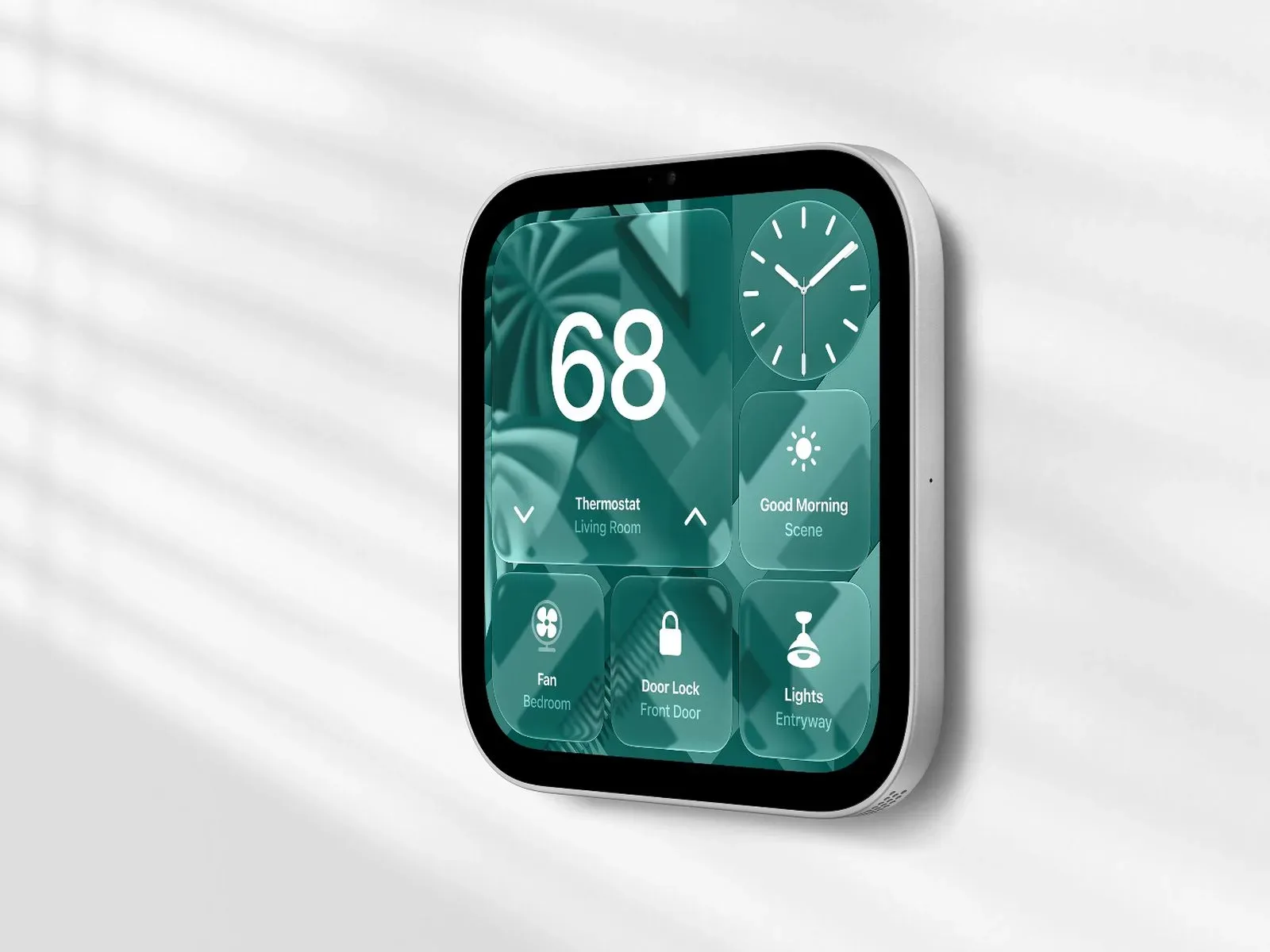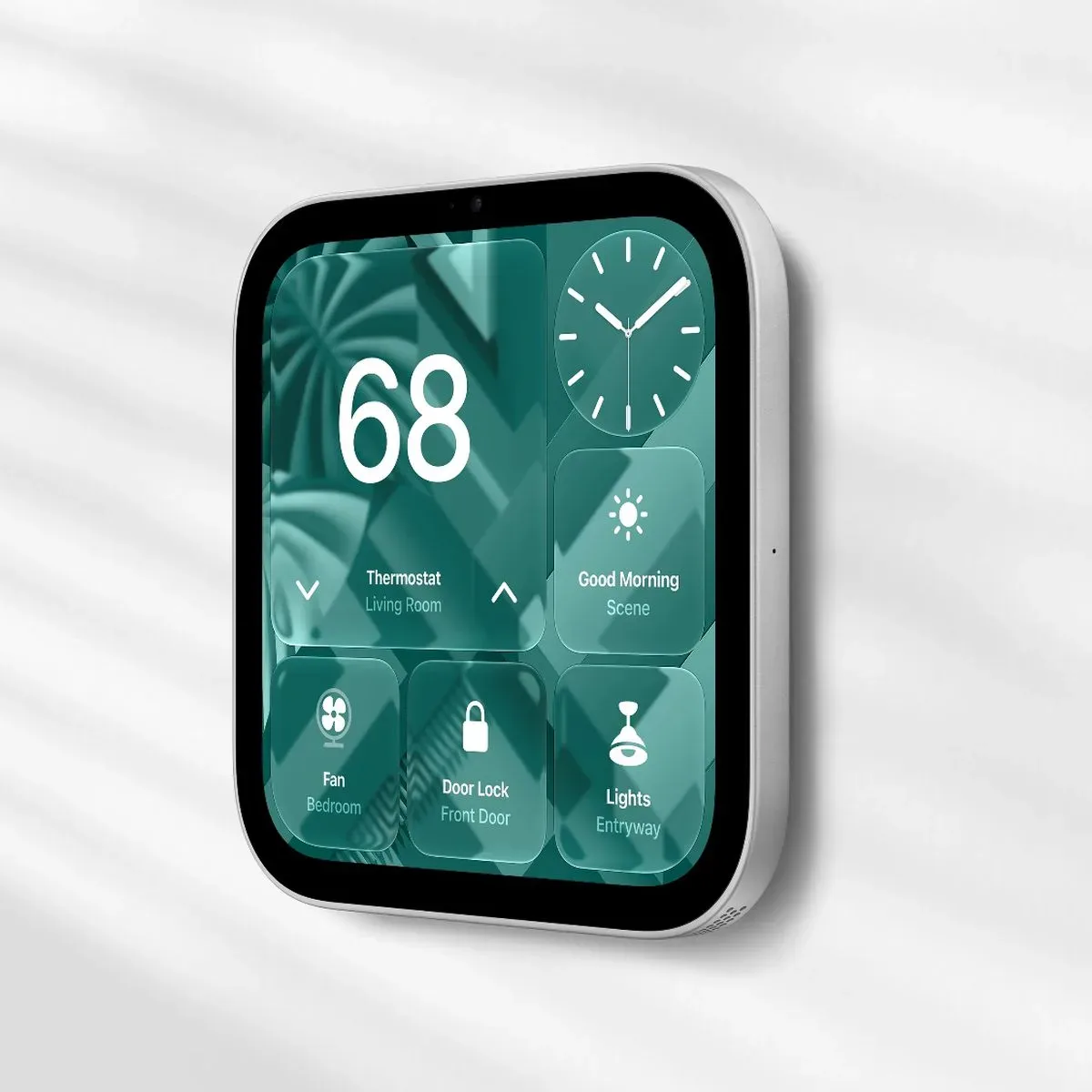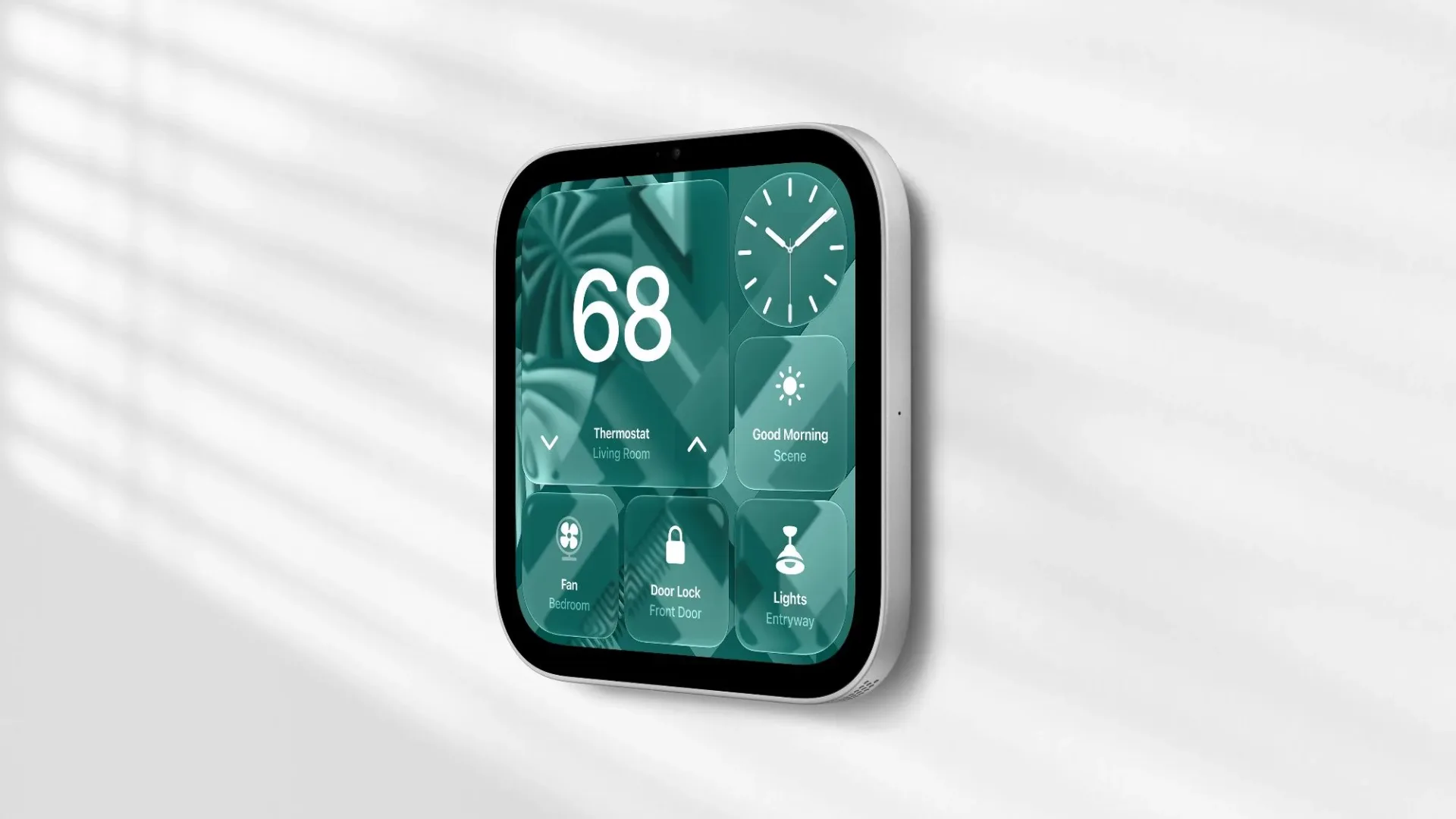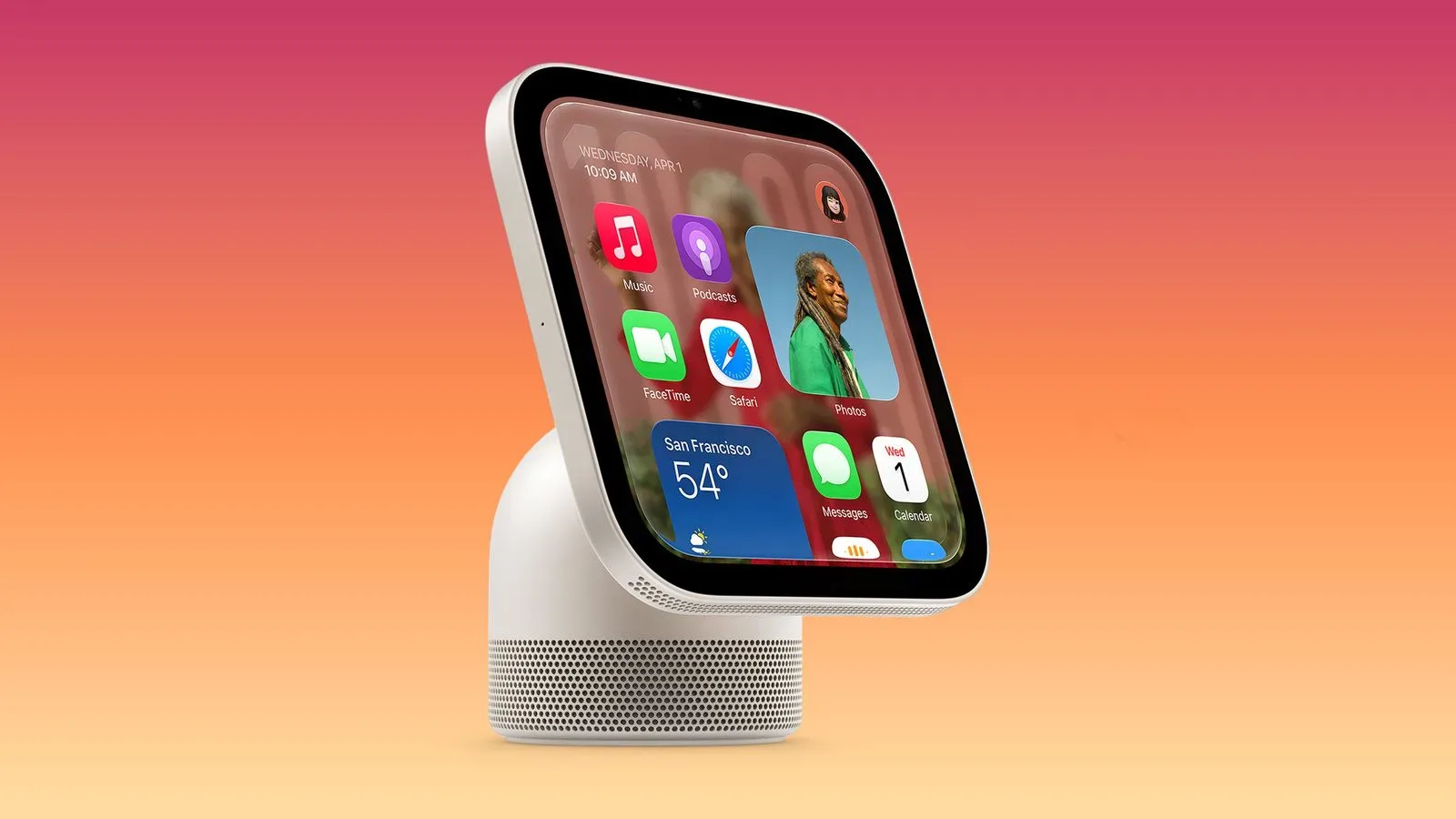
Apple says it will issue a HomeView software update in December intended to correct two particularly awkward early gaps in the device’s Siri AI behavior: a camera-related response that contradicts HomeView’s hardware, and the inability to use Siri to unlock a front door or open a garage door.
The timing matters because HomeView is due to launch on Friday with U.S. pricing beginning at $299. For a connected-home screen and camera-equipped device, the distinction between what the hardware can do, what the Home app can do through on-screen controls, and what Siri can currently do by voice is likely to be an important part of the early experience.
What Apple says will change
Apple has confirmed that the December update will fix an issue in which Siri AI said it did not have a camera to see the person speaking, despite HomeView having a camera. The update is also expected to enable Siri AI to open a garage door and unlock a front door when HomeView recognizes the user.
Those are separate issues, but they share a central problem: the assistant did not successfully translate information or access apparently available to the device into an action or response the owner would expect. A device with a camera returning a no-camera answer is a plainly confusing mismatch. A recognized user still being unable to trigger a requested door or garage action by voice creates a different kind of mismatch, one involving access and physical security.
Apple has not provided further technical detail on what caused either limitation or identified a specific December release date. It has, however, drawn a clear line between HomeView’s launch-state voice behavior and the functionality it expects to add through software.
The launch-day workaround is on screen, not by voice
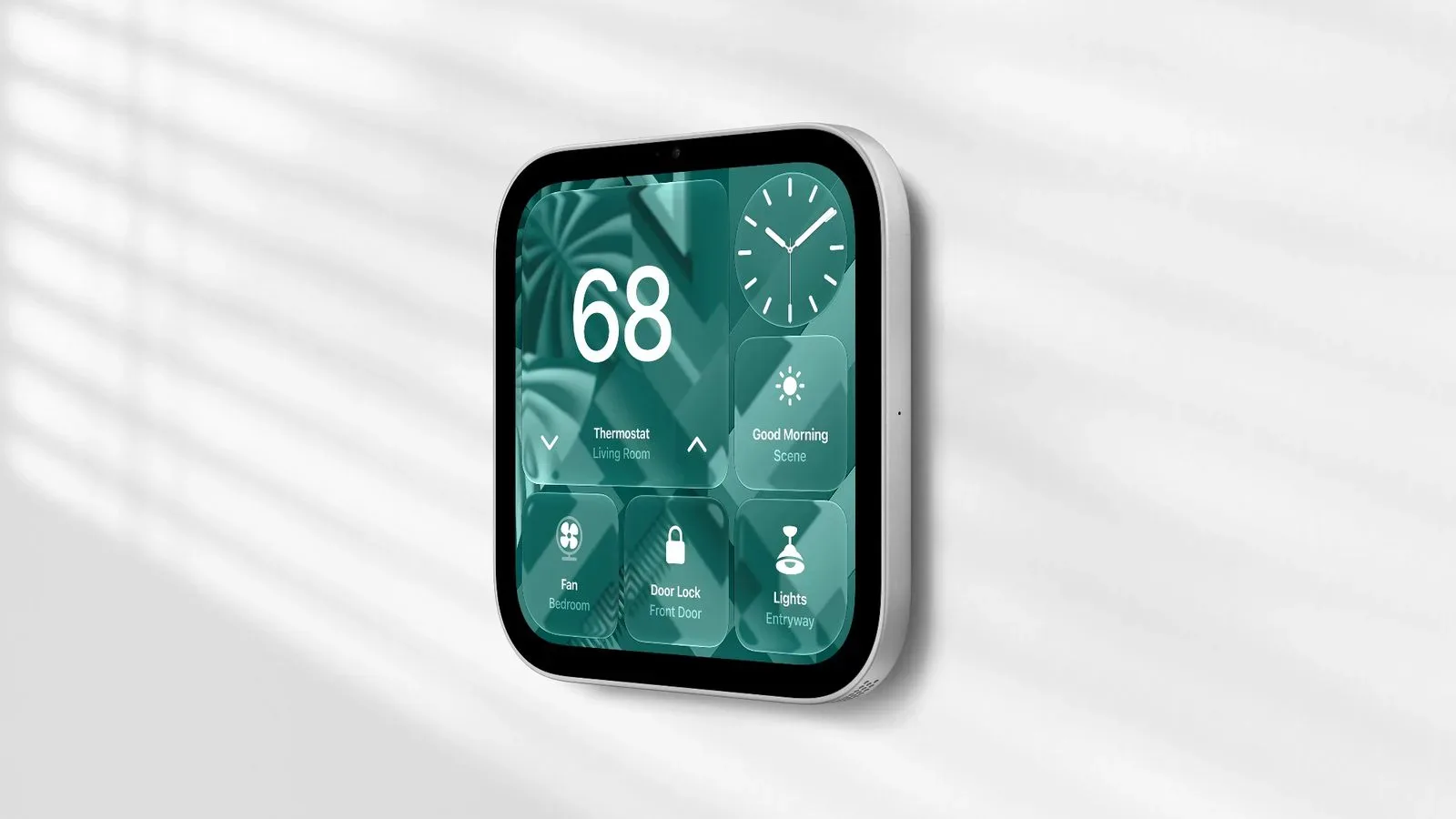
Until the update arrives, HomeView owners can unlock door locks and open garage doors from the Home app on the device by tapping the relevant on-screen controls. That means the actions themselves are available through HomeView; the current shortfall is specifically Siri AI’s voice-driven handling of them.
For prospective owners, that difference is practical. The available path is not a permanent loss of the controls, but it does require interacting with the display rather than making a spoken request. People considering HomeView around its assistant experience should therefore treat voice access to those entry points as forthcoming functionality, not as something Apple says is active at launch.
The same caution applies to the camera fix. Apple says a correction is coming, but the information available does not establish every camera-related behavior affected, nor does it describe any user setting that changes the response before the update. The confirmed point is narrower: Siri AI’s erroneous statement that it lacked a camera is slated to be fixed.
Why door and garage commands deserve extra scrutiny
Unlocking a door and opening a garage are not ordinary convenience commands in the same sense as starting music or setting a timer. They affect entry to a home. That makes identity recognition and the system’s decision to authorize a request especially consequential.
Recognition in this context means HomeView identifies the person using it. Authorization is the separate decision that the system should permit a requested action. The reported behavior is notable because recognition alone did not lead Siri AI to complete the door or garage request before the planned update. Apple says the December software will enable that functionality.
It would be premature to infer how Apple’s authorization process works internally, what conditions it checks, or whether it will offer settings for these commands. None of that has been detailed. Still, the launch situation illustrates why buyers should distinguish a smart-home device’s interface options from an assistant’s operational permissions. A visible button in an app and a successful voice command can represent very different user flows, even when both are meant to reach the same destination.
What “Siri AI” means in this story
Siri AI is the voice-based assistant component referenced by Apple’s planned fix. In this case, its role is not simply answering questions. It is expected to interpret a request, connect that request to HomeView’s available capabilities and recognized-user information, then carry out a smart-home action.
That chain helps explain why a seemingly simple command can expose multiple points where the experience may fall short. A response about the camera depends on Siri AI accurately understanding what hardware is present. A request to unlock a door or open a garage depends on the assistant handling the spoken instruction and being permitted to control the appropriate connected-home function. Apple’s update addresses the observed failure points, but it has not described the underlying changes.
There is also a useful plain-language distinction between a bug fix and an enabled feature. The camera matter is described as a fix for incorrect behavior: HomeView has a camera, so Siri AI should not say it lacks one. The door and garage change is described as enabling functionality. Both are arriving in the same December update, yet they concern different types of launch-state limitations.
What prospective HomeView owners can reasonably plan around
- Camera-related Siri response: Apple says the inaccurate no-camera response will be addressed in December.
- Voice control for locks and garages: Apple says Siri AI will be enabled to unlock a front door and open a garage door after the update, provided HomeView recognizes the user.
- Current alternative: Use the Home app on HomeView and tap the on-screen controls to unlock a door or open a garage.
- Price and timing: HomeView launches Friday, with U.S. pricing starting at $299.
That last point is worth emphasizing because consumers often evaluate connected devices as they exist at purchase, not just as they may work after an update. A promised December patch gives Apple a stated near-term plan, but it does not erase the fact that initial buyers will need to use the screen for those specific access controls in the meantime.
Software updates are a routine way for connected products to correct behavior after release, and they can materially change the value of an assistant-centered interface. Here, the promised changes go directly to whether HomeView feels coherent: the assistant should acknowledge hardware that exists on the device, and it should be able to perform the voice actions Apple says will be enabled for recognized users.
Early product expectations should stay narrowly grounded
There are several things Apple has not established in the available details. It has not announced an exact day in December for the patch. It has not outlined a broader list of Siri AI changes. It has not specified which locks or garage setups are involved beyond saying users can currently access door-lock and garage-door controls in the Home app on HomeView. And it has not detailed how a person’s recognition is configured or verified.
That uncertainty is more useful than filling gaps with assumptions. The confirmed story is straightforward: HomeView arrives with a camera-related Siri AI error and without Siri AI support for opening a garage or unlocking a front door, even in the described recognized-user situation. Apple says a December update will fix the camera problem and enable the voice-operated entry actions. Until then, the on-screen Home app controls provide the supported route.
For readers tracking Apple hardware more broadly, Joking Joystick has also covered discounts on iPhone 18 Pro cases and Watch bands. HomeView’s more immediate question, though, is not an accessory decision: it is whether the December update closes the gap between the device’s touch controls and the voice-first convenience many buyers will expect.