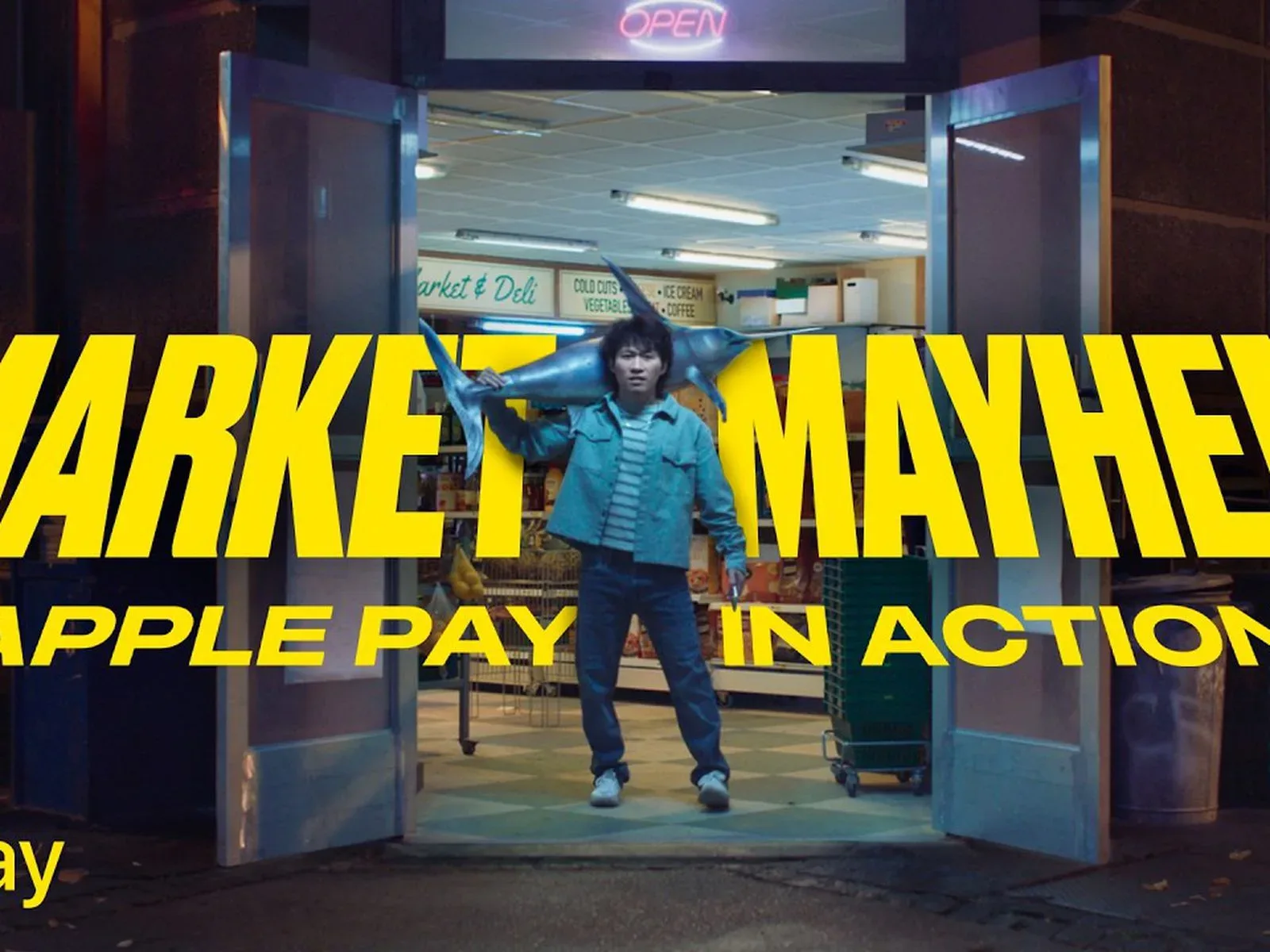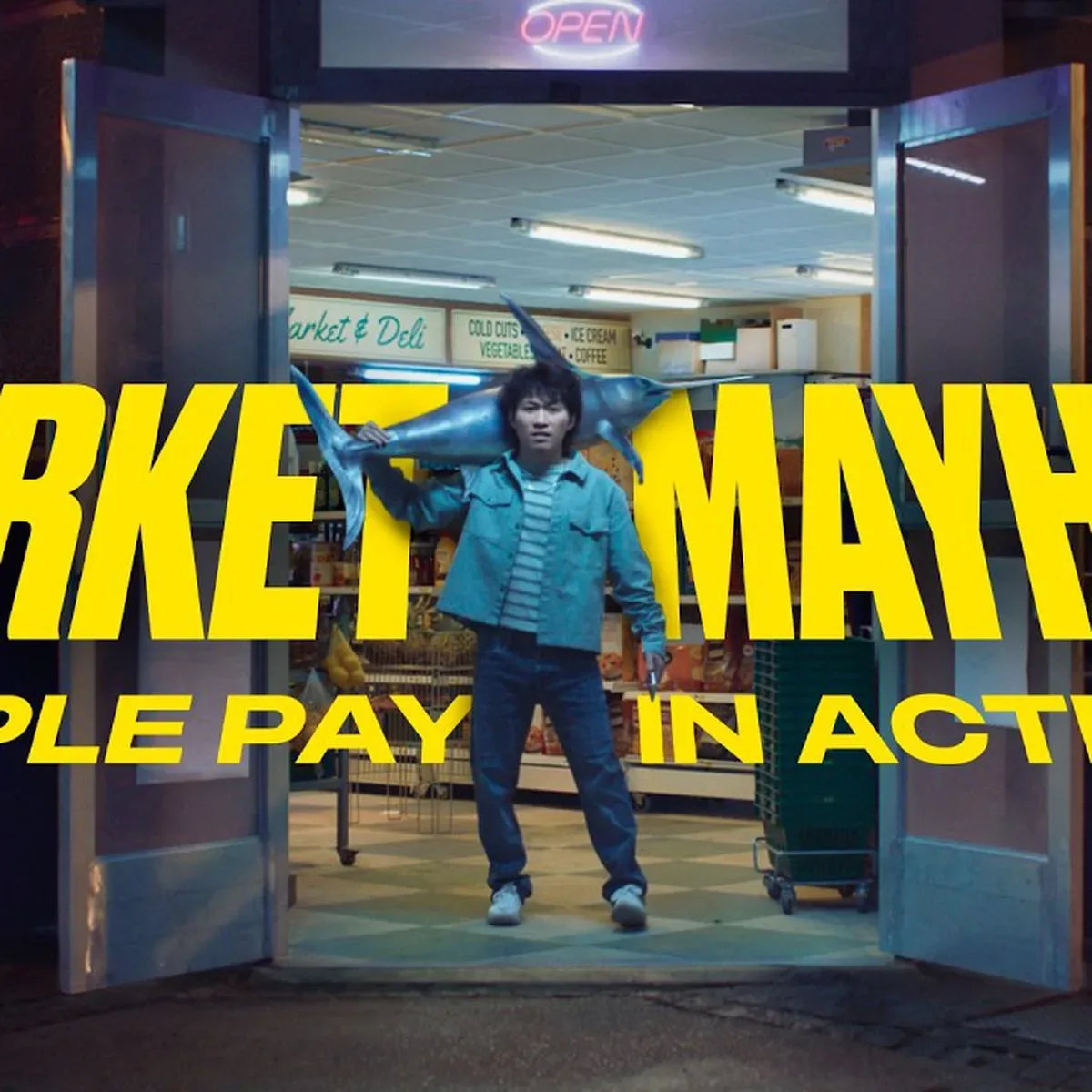
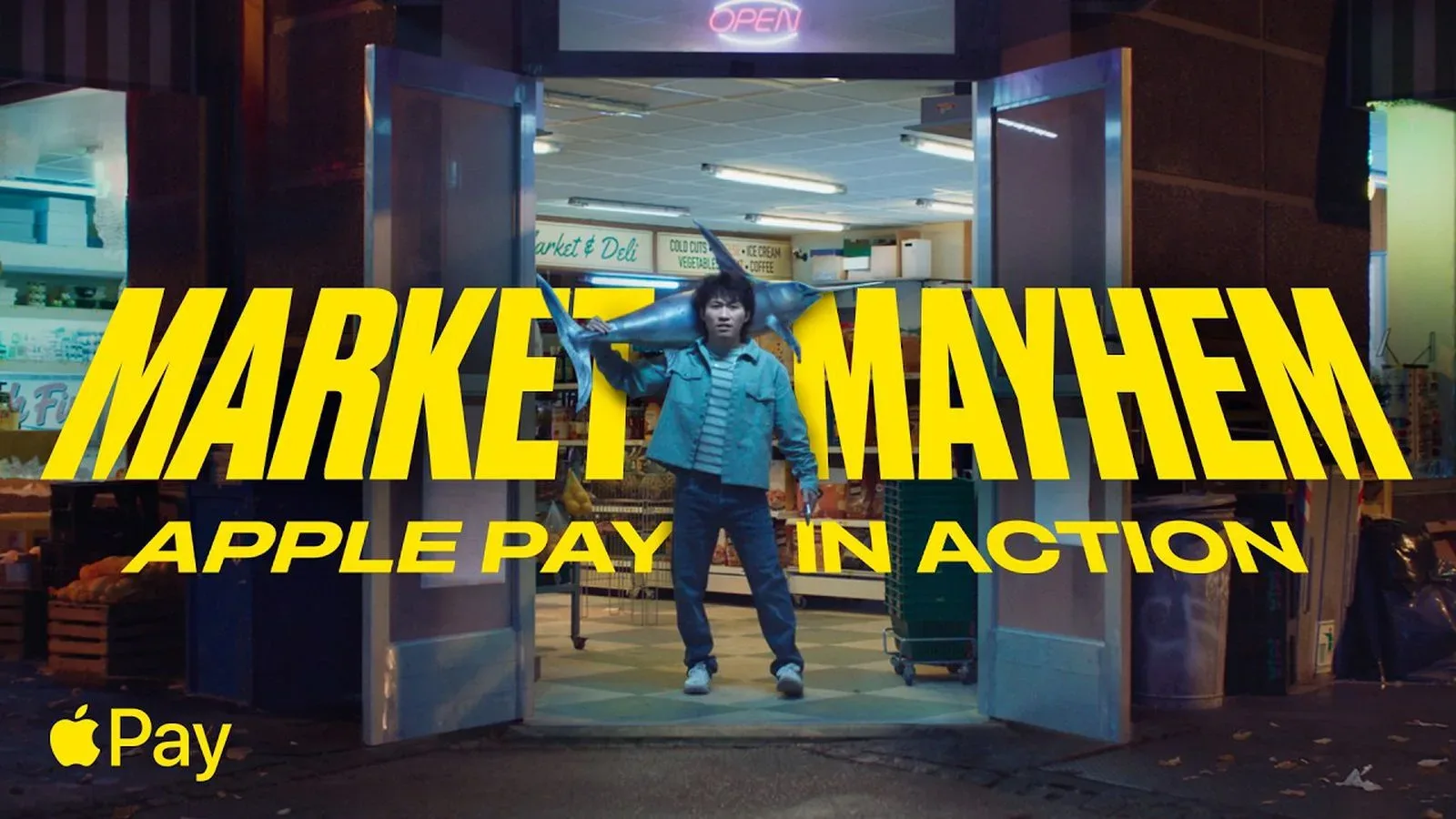
Apple has released a new Apple Pay advertisement that treats a convenience-store checkout like the final round of an action game. Its central gag is simple: the cashier calls a pause so everyone can pay, and one fighter gets through the line quickly with Apple Pay on an iPhone while the others fumble for physical wallets and cards.
The spot uses a martial-arts food-fight setup to make an everyday point about contactless payments. It is not presenting checkout as an actual combat sport—thankfully, the average corner-market queue is still short on swordfish—but it does turn the small frictions of paying into the obstacle. A wallet must be found, opened and searched; a card must be selected. Apple’s on-screen alternative is to authenticate on the phone and hold it near the payment reader.
The ad’s most pointed security beat arrives when an opponent takes the protagonist’s iPhone and attempts to make a purchase. That attempt fails because Face ID verification is required. The protagonist ultimately buys a swordfish, and the other fighters retreat. It is an intentionally ridiculous ending, but it gives the commercial a clean one-two combo: faster payment is the first claim, device-based authentication is the second.
A checkout scene built around three Apple Pay claims
The commercial’s choreography is a compact version of Apple Pay’s broader pitch. Apple describes the service as a fast, easy and secure way to pay with an iPhone, emphasizing that users do not need to dig through a wallet for a card.
For an in-store iPhone payment, the described process is:
- Double-click the iPhone’s side button.
- Authenticate by looking at the iPhone for Face ID.
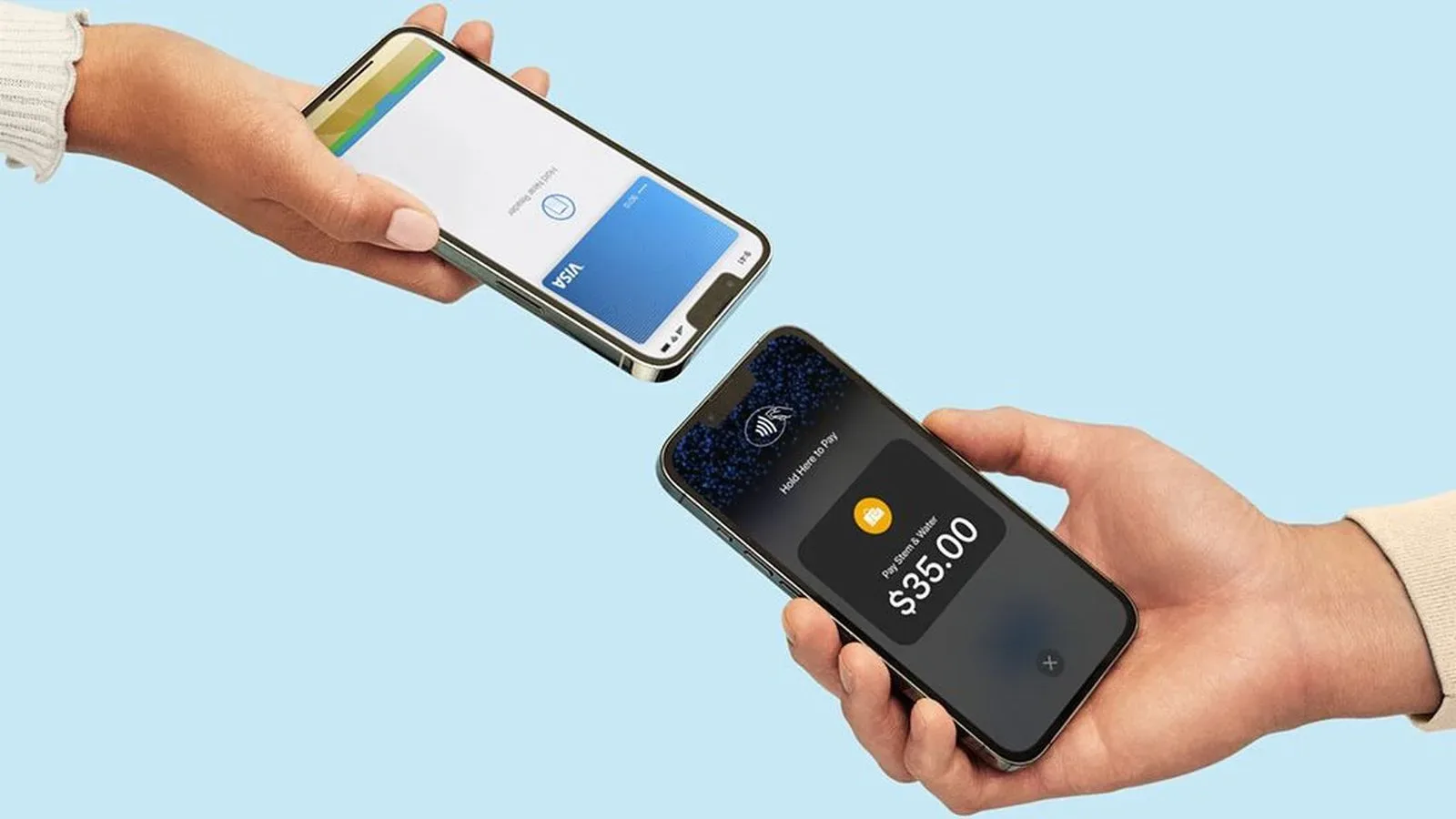
- Hold the device near the payment reader.
- Wait for the sound that confirms payment.
The speed claim in the ad depends on that sequence being more direct than locating a physical card. The security claim depends on the authentication step. In other words, having possession of the phone alone is not portrayed as enough to complete a purchase. That distinction is the reason the stolen-phone joke works: the fighter can grab the hardware, but cannot simply turn it into a usable payment card in the scene.
What “contactless” means in this context
Contactless payment means making a payment by bringing a device near a compatible reader rather than inserting, swiping or handing over a physical card. Apple says Apple Pay can be used wherever a contactless-payment symbol is displayed, including large retailers and local markets. The new spot places that concept in a convenience-store setting, where a quick transaction is easy to understand without a lengthy technical explanation.
The ad also uses Face ID as shorthand for the approval layer on an iPhone. In the commercial, Face ID is not an incidental feature: it is the direct answer to the question posed by the opponent who has the phone in hand. The message is that authentication remains necessary before the payment can proceed.
Why the swordfish matters to the joke
The swordfish is the ad’s comic power-up. Rather than ending on a conventional successful checkout, the protagonist’s purchase somehow resolves the confrontation and sends the adversaries running. It gives the spot the heightened logic of a game cutscene: a mundane action, executed at precisely the right moment, becomes the decisive move.
That structure matters because an advertisement about payment timing could otherwise be visually static. The action setup creates a visible cost to delay. The other customers are held up by their wallets, while the protagonist advances through the transaction. The phone theft then converts an abstract promise about security into a quick plot point. Apple does not need characters to deliver a long explanation; the failed purchase attempt demonstrates the intended takeaway.
There is also a useful practical separation to keep in mind. The food fight and martial-arts framing are storytelling devices. The applicable real-world information is considerably less dramatic: Apple Pay is intended for purchases at supported contactless readers, with an iPhone or Apple Watch in retail settings, and it also supports transactions in apps and on the web. On the web, Apple says it works through iPad and Mac as well.
The iPhone is not the only Apple Pay device
Although the ad centers on an iPhone, Apple Pay’s stated reach extends beyond the phone. It works in retail stores on iPhone and Apple Watch. That makes the campaign’s focus on on-device payment broader than one specific checkout gesture, even if the commercial’s plot relies on an iPhone and Face ID.
For online shopping, Apple Pay is also available in apps and on the web, including through iPad and Mac. Those contexts are different from a contactless terminal in a store, but they share the same overall premise: payment details are handled through Apple’s payment option rather than by repeatedly pulling out a physical card.
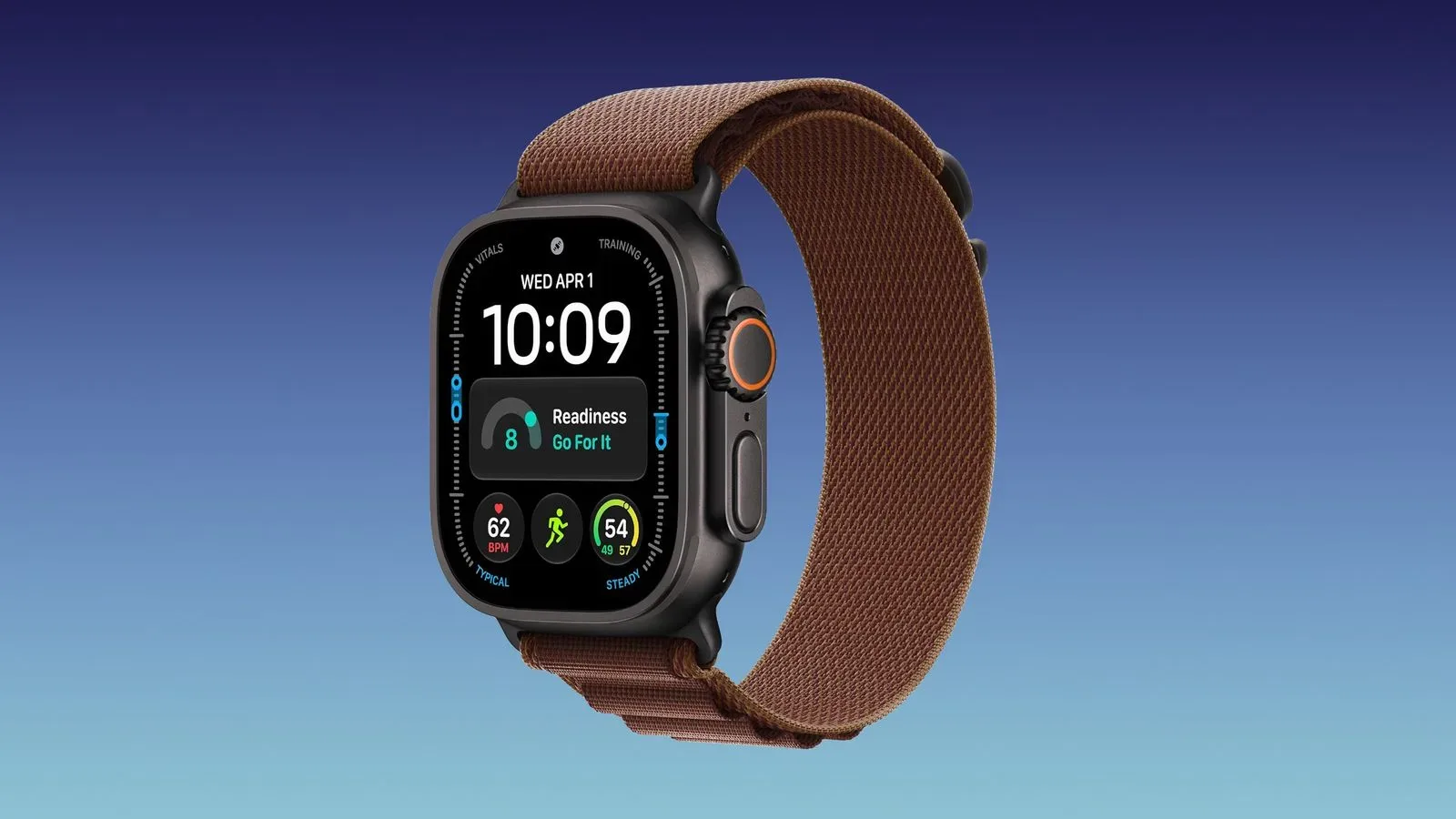
For readers considering Apple hardware specifically for tap-to-pay convenience, the device ecosystem is part of the conversation. Joking Joystick has also covered an Apple Watch Ultra 4 price drop; Apple Pay’s support on Apple Watch is relevant for shoppers who prefer a wearable checkout option rather than reaching for a phone. The new commercial itself, however, demonstrates payment on iPhone and does not compare the two devices.
Security is the ad’s real second act
Fast checkout is the commercial’s setup. The security message is its payoff. Apple explicitly says the built-in security of iPhone makes paying with Apple Pay more secure than using a physical credit or debit card. The new spot visualizes that claim through the failed attempt to pay after the phone is taken.
It is worth being precise about what the scene establishes. It shows that the would-be buyer cannot complete the illustrated purchase without Face ID verification. It does not attempt to explain every technical component of Apple Pay, nor does it turn the commercial into a broader account-security tutorial. The lesson it does communicate is narrow and clear: the device and the required approval are separate parts of the transaction.
That is an effective fit for a short action-comedy format. A physical wallet in the wrong hands is a familiar anxiety. The commercial replaces the usual lecture about payment security with an immediate failure state for the thief. In game terms, grabbing the controller does not mean someone else can load into the match.
A global payment tool, pitched through a local-store scenario
Apple Pay is available in many countries around the world, and the company positions it as a payment option for a range of locations, from major retailers to neighborhood markets. The commercial chooses the latter scale: a convenience store, a counter and a queue. That makes the pitch feel less like an infrastructure announcement and more like a familiar tiny inconvenience with an exaggerated solution.
The local-store framing also keeps the advertisement’s focus on the moment of payment rather than the broader purchase. The story is not about comparing products, earning rewards or shopping online. It is entirely about clearing the checkout interaction quickly and keeping control of the payment authorization on the device.
Apple’s stated usage options can be separated into three practical buckets:
- In stores: iPhone and Apple Watch can be used at compatible contactless payment readers.
- In apps: Apple Pay can be used for app purchases.
- On the web: Apple Pay is available for online purchases on supported iPad and Mac use cases.
For the store scenario in the ad, the relevant sign is the contactless-payment symbol. Seeing that symbol is Apple’s stated cue that Apple Pay can be used at the checkout.
The joystick takeaway
Apple’s new ad makes a modest transaction look like a boss encounter, but its messaging stays focused. The company is selling the idea that a card-free checkout can reduce wallet hunting, while Face ID helps prevent an unauthorized person from completing the transaction shown on screen. The swordfish is the flourish; the tap-and-authenticate workflow is the point.
As a piece of comic action, the commercial understands that payments are usually invisible when they work well. Turning that moment into a pause in a martial-arts melee gives the audience a reason to notice it. The fighter who wastes the least time at the counter gets to leave with the strangest item in the store—and, in the logic of the ad, win the round.