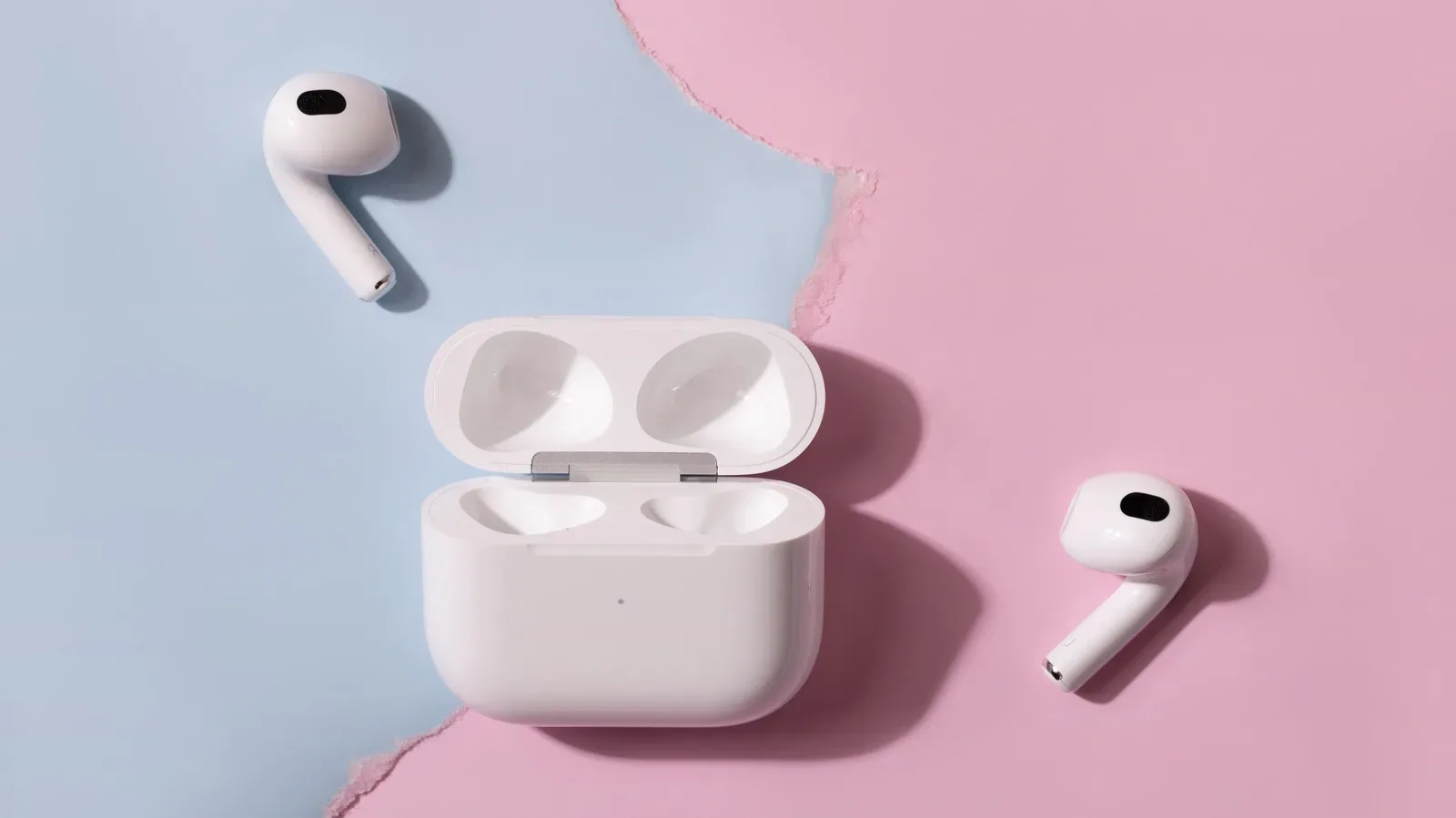
AirPods Pro have spent years being judged on the usual wireless-earbud scorecard: sound, noise cancellation, battery life, fit, and the recurring mystery of where the charging case went. Now Apple’s AirPods Pro 2 and AirPods Pro 3 add a more consequential job to that list. They include hearing-test and hearing-aid features, giving compatible iPhone users a way to check their hearing in as little as five minutes.
The hearing test arrived with iOS 18.1 in October 2024. Apple describes it as clinical-grade, which is the sort of phrase that should inspire both interest and healthy skepticism when it comes from a consumer-tech company. The evidence available so far suggests the feature can be a legitimate, practical screening tool when used correctly. It does not suggest that earbuds have replaced an audiologist, a medical evaluation, or the fuller range of tests available in a clinic.
That difference is not wordplay. It is the entire point. A quick test at home can lower the barrier to noticing a possible problem; it cannot determine the cause of that problem or safely cover every circumstance in which hearing changes need professional attention.
What the AirPods Pro test measures
The AirPods Pro feature uses pure-tone audiometry. In plain language, this is a hearing assessment based on whether a person can hear tones at different frequencies. Frequency means the pitch of a sound: lower-frequency tones are deeper, while higher-frequency tones are sharper. Measuring a response across those tones helps create a limited picture of how clearly someone perceives sound.
That method is not a random gadget trick. Pure-tone audiometry is a recognized component of hearing assessment. The limitation is scope. A clinical hearing visit can include other checks, including tests of bone conduction and eardrum health. Bone-conduction testing helps examine how sound travels through the bones of the skull rather than solely through the outer and middle ear. Eardrum-health assessment can add clues about whether a physical issue is affecting hearing. Those added pieces are important because they can help a clinician investigate why hearing may be reduced, rather than merely identifying a result that merits attention.
The AirPods test therefore belongs on the first rung of the ladder. It can provide an accessible indication of hearing status, but it cannot deliver a diagnosis. Only a doctor can do that.
What research says about accuracy
A 2026 study from an international research team, published in Otolaryngology–Head and Neck Surgery, compared AirPods Pro results with standard audiometry. The researchers found clinically acceptable accuracy and reliability. That is meaningful evidence that the feature can produce useful results, rather than merely generate a slick graph with enough confidence to win an argument with a settings menu.
The study also identified a major practical advantage: speed and ease. A test that takes only a few minutes and is available through earbuds a person already owns may make hearing screening more approachable. That convenience matters. People who have not noticed obvious symptoms, or who have been putting off a hearing check, may be more willing to take a simple at-home screen than to arrange a separate appointment.
Related coverage includes AirPods Pro Hearing Test: What Its Five-Minute Result Can and Cannot Tell You.
There are two necessary qualifiers. First, research supporting the feature remains limited by small studies. The results are encouraging, but small studies do not settle every question about performance in every real-world population or environment. Second, a comparison that shows clinically acceptable agreement with standard audiometry does not turn the consumer test into a comprehensive examination. Accuracy for a specific screening task and completeness of medical evaluation are different measures.
Fit and quiet are part of the test
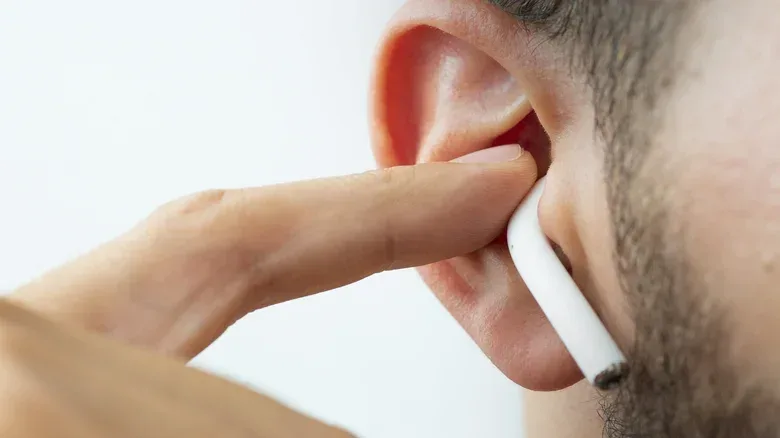
A hearing screen is only as helpful as the conditions in which it is taken. For AirPods Pro, proper ear-tip fit is not merely a comfort preference. The earbuds need to seal fully in the ears. A poor seal can interfere with the sound reaching the ear as intended, which can undermine the reliability of the result.
The environment matters too. Background noise can compete with the test tones, creating exactly the sort of confusion a hearing test is supposed to avoid. The feature can alert users when it detects excessive ambient noise or a poor in-ear fit, but that warning is a prompt to improve the setup, not a license to force a result from a noisy room.
A sensible use pattern is straightforward:
- Choose a quiet place with minimal surrounding noise.
- Use ear tips that create a complete, comfortable seal.
- Pay attention to alerts about fit or environmental sound.
- Understand the outcome as a screening result, not a medical verdict.
In-office testing retains an advantage because the setting and equipment are controlled and a professional can decide which additional assessments are appropriate. The AirPods version is more convenient; it is not more comprehensive.
Why a convenient screen can still matter
Hearing changes associated with aging can develop gradually. That gradual nature makes them easy to normalize or overlook. A quick, familiar-device test may encourage people to check in before they feel certain that something is wrong. In that role, the feature is less like a replacement clinic and more like a dashboard indicator: useful because it can tell the user that ignoring the issue may be unwise.
This framing also helps avoid two unhelpful reactions. One is dismissing the test because it cannot do everything a clinical visit can do. The other is treating a consumer-device result as final and self-explanatory. The more constructive middle ground is to use a credible screen for what it is designed to do: identify whether a follow-up conversation may be warranted.
That accessibility is especially notable because the hearing tools are built into products many people already treat as everyday audio gear. AirPods have accumulated features while their pricing has remained relatively steady over the decade, as explored in this look at AirPods prices and expanding features. A hearing screen is a far more significant addition than another playback control, but it still needs to be understood within its limits.
When not to rely on the earbuds
The AirPods Pro test is meant to screen for the ordinary type of hearing loss that can become more common with age. It is not intended as the response to sudden or troubling symptoms. A sudden worsening in hearing, ear pain, or hearing that is noticeably worse in one ear than the other should prompt medical attention as soon as possible.
Those scenarios matter because a basic pure-tone screen cannot establish the source of an abrupt or uneven change. Repeating a five-minute consumer test in the hope that a different result appears may delay the more appropriate next step. This is precisely where the distinction between screening and diagnosis stops being academic.
An AirPods Pro result can be useful information to bring into a healthcare conversation. It is not a substitute for that conversation when symptoms are new, sudden, painful, or unequal between ears.
The practical takeaway
Apple’s hearing-test feature has a credible place in routine hearing awareness. Research has found clinically acceptable accuracy and reliability compared with standard audiometry, provided users test with a good ear seal and in a quiet environment. Its quick, low-friction design could help more people screen their hearing rather than indefinitely postponing the question.
But the earbuds only examine part of the picture. They do not diagnose hearing loss, identify its cause, replace bone-conduction or eardrum assessments, or make concerning symptoms less concerning. Think of the tool as an easy first check, not the final boss of hearing care. The five-minute result is most valuable when it encourages appropriate next steps, including professional evaluation when a result or symptom calls for one.