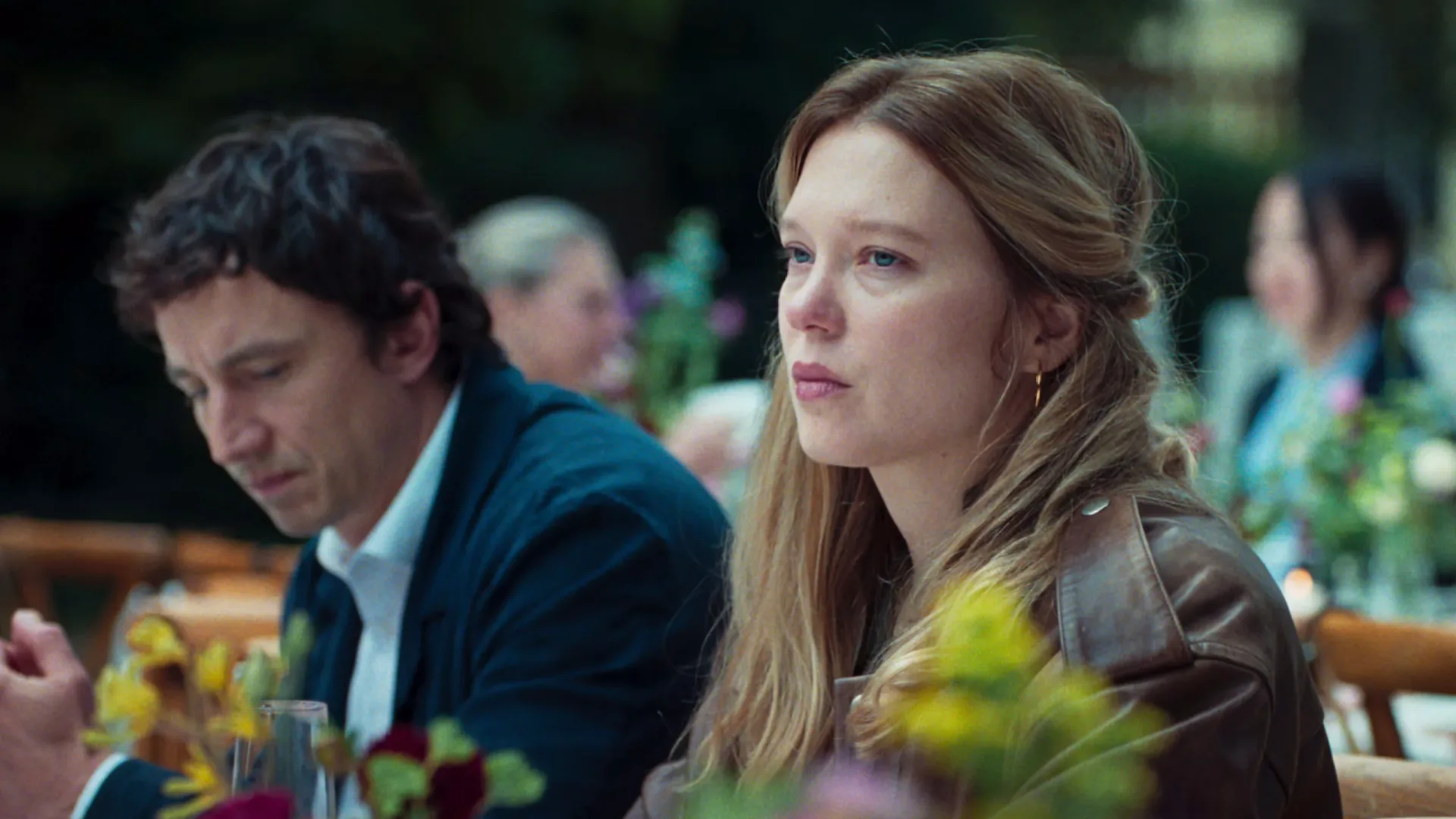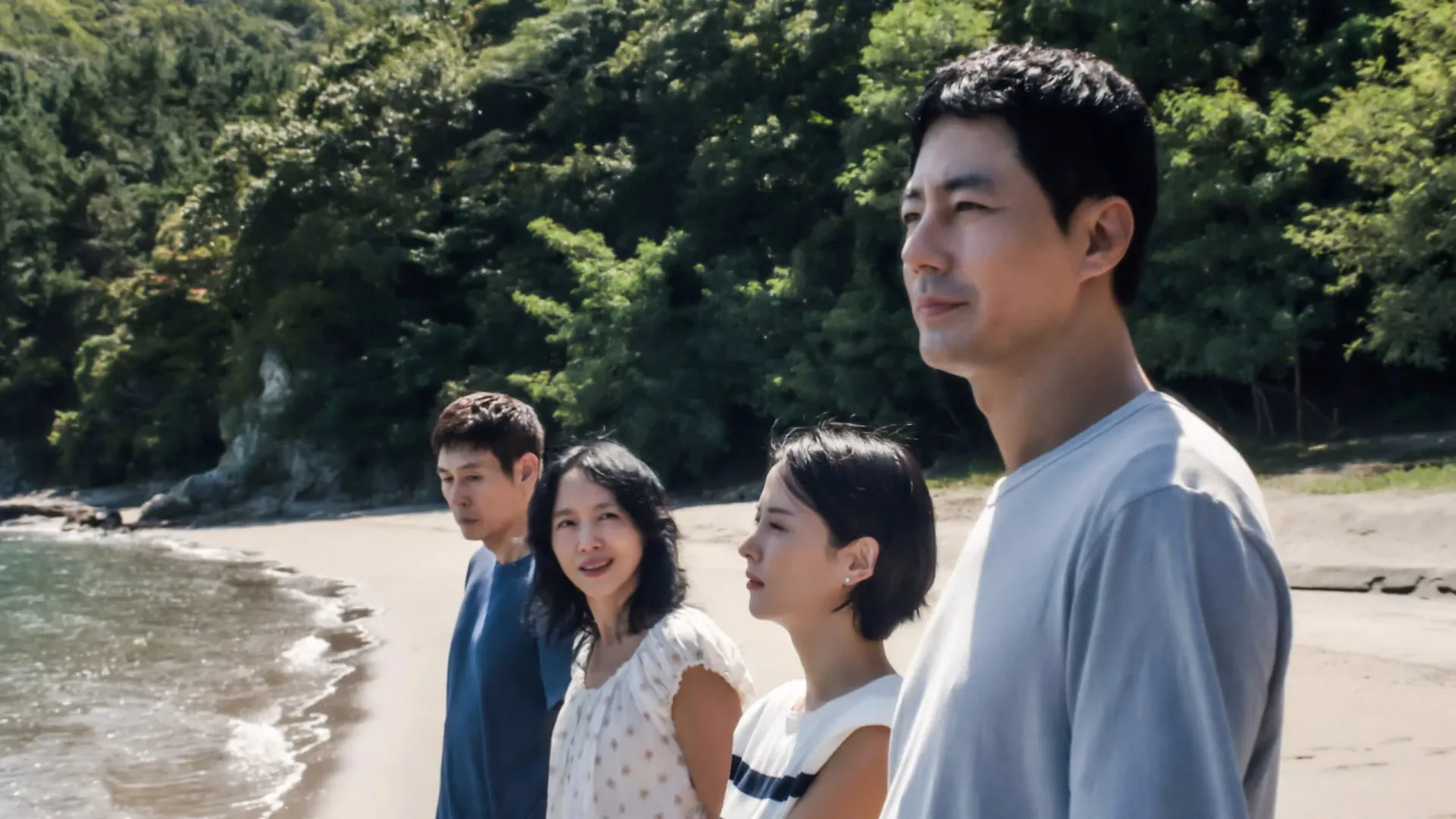

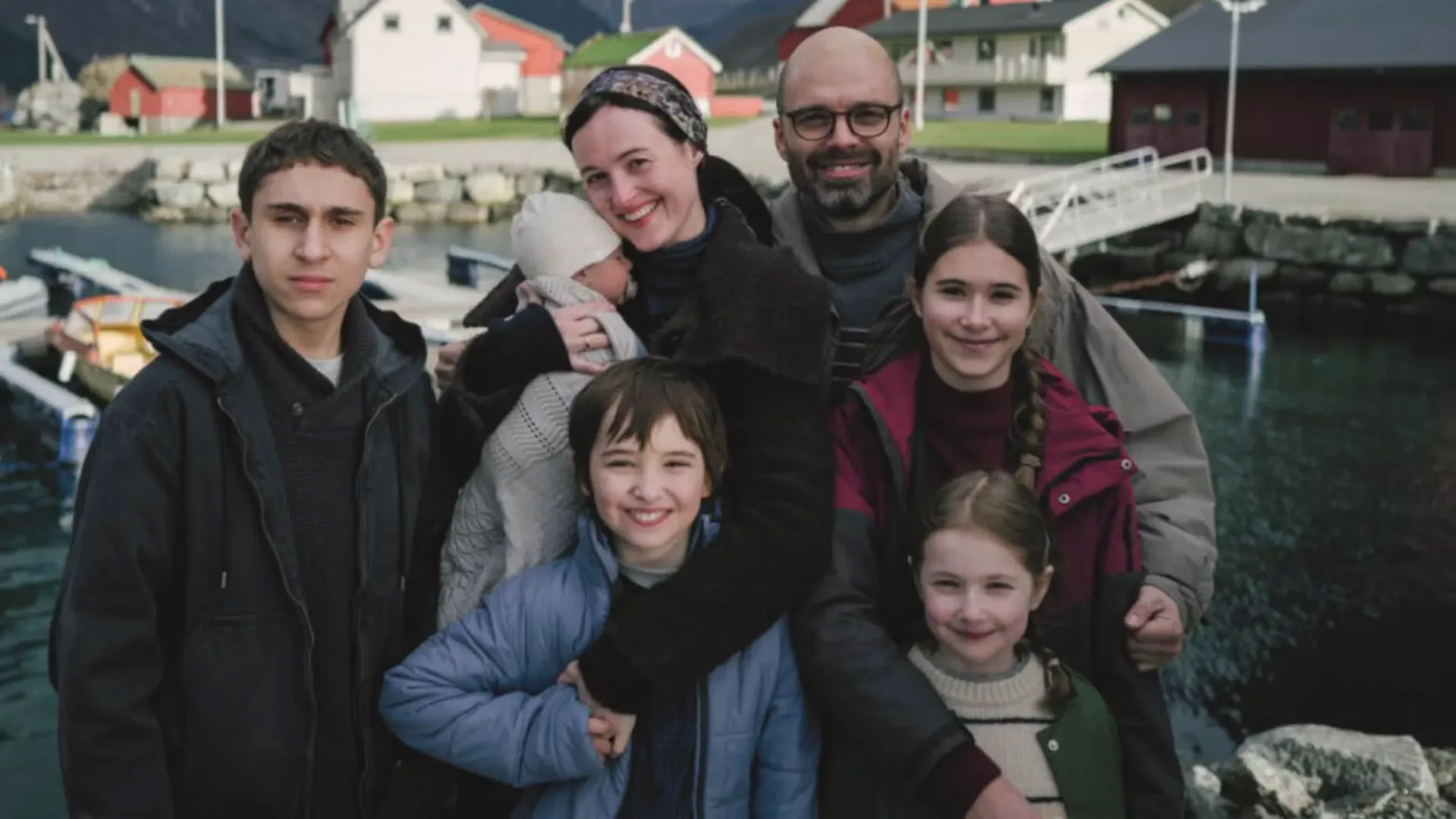
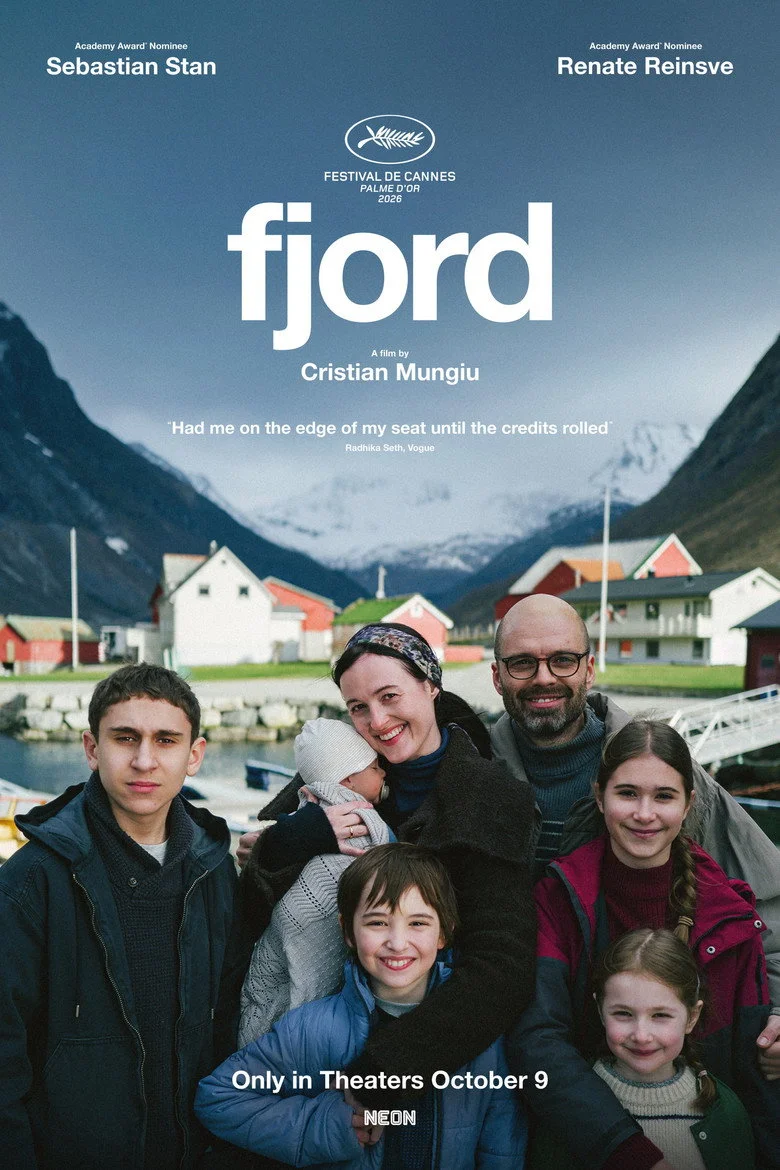
 Sebastian StanMihai Gheorghiu
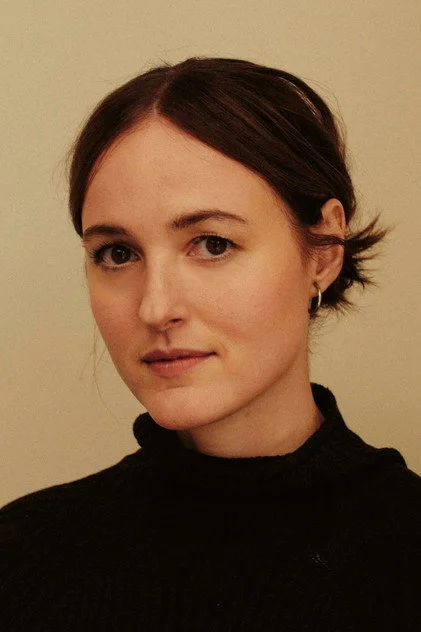 Renate ReinsveLisbet Gheorghiu
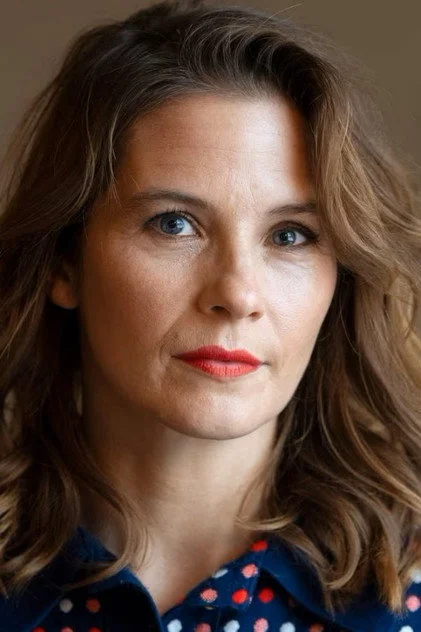 Lisa CarlehedMia Halberg
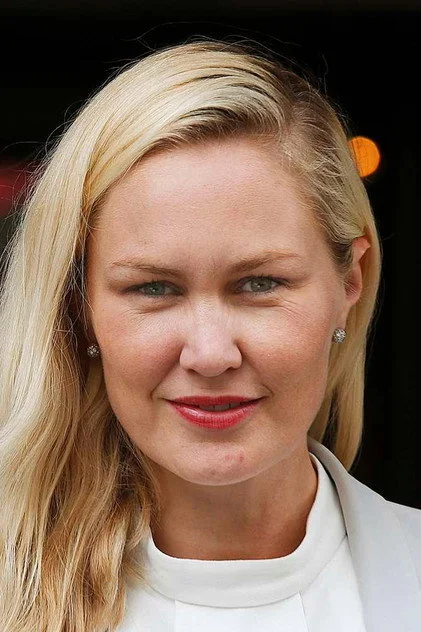 Ellen Dorrit PetersenGunda
 Lisa Loven KongsliFrida
 Henrikke Lund OlsenNoora Halberg
 Markus TønsethMats Halberg
 Christian RubeckAttorney Jacobsen
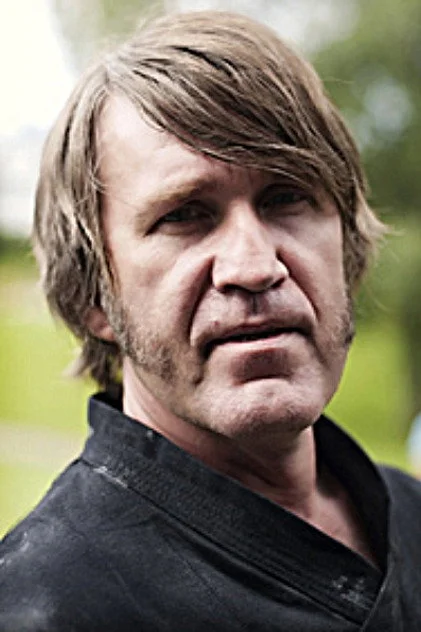 Øyvind Venstad KjeksrudÅke
 Giulia NahmanyRuth
Fjord is a drama built around a conflict with no easy moral exit. Romanian director Cristian Mungiu places a devout Romanian family within a Norwegian village community, then lets the differences between their traditional beliefs and the surrounding liberal culture grow more consequential. When family patriarch Mihai Gheorghiu is accused of child abuse, the story becomes a contest of values, institutions and perceptions—one in which the stakes are intimate even as the implications reach into public life.
That premise could readily become a rigged argument, with one side reduced to villains and the other granted automatic moral purity. The defining strength here is the effort to resist that shortcut. Mungiu treats the people and positions involved with dignity, while keeping the questions difficult. The film engages with religious freedom, child safety and the collision of competing rights in a pluralistic society, but its dramatic force comes from the fact that these are not merely abstract policy concerns. They bear down on a family whose children are taken away and on a community attempting to decide where care, authority and harm begin.
A conflict that will not settle into slogans
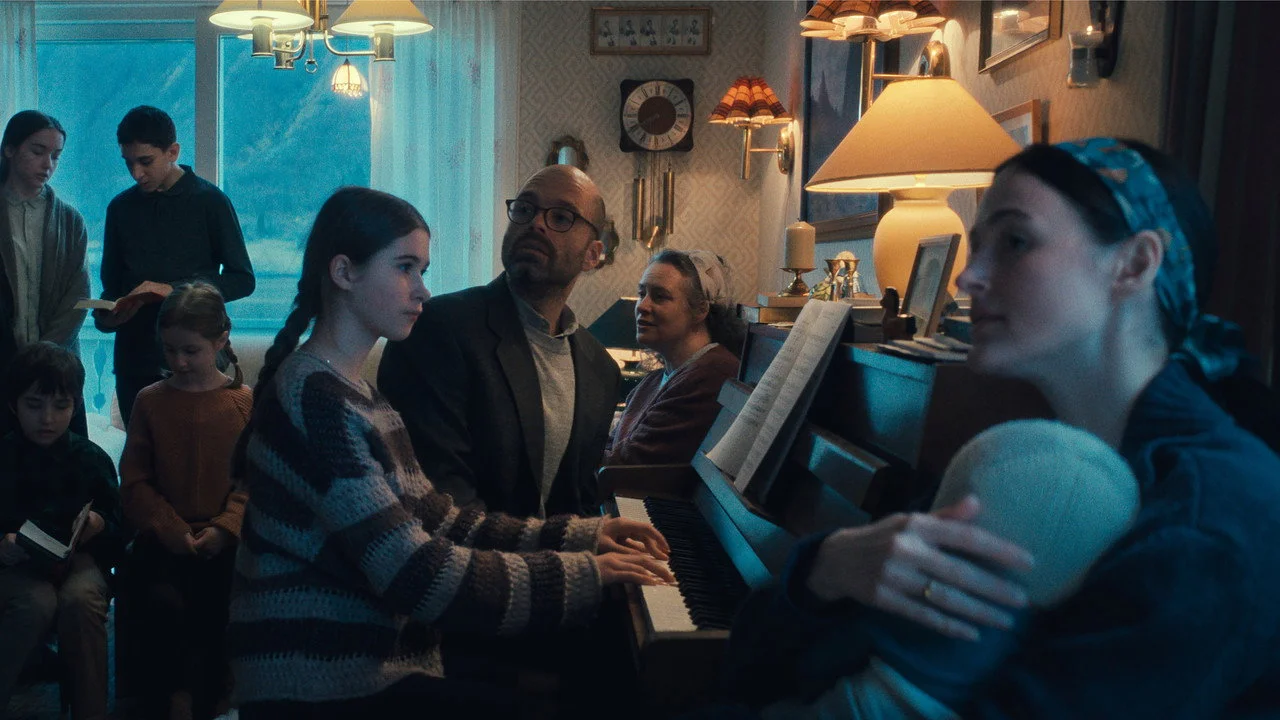
Mihai and Lisbet Gheorghiu arrive in Norway with their large family and are initially welcomed into the village. Yet the distance between the Romanian family’s outlook and that of their new neighbours steadily becomes impossible to ignore. The accusation against Mihai turns a cultural divide into a crisis. Fjord is therefore not simply about whether two communities agree; it is about what happens when their disagreement is filtered through a system with the power to separate parents from children.
The film’s central moral quandary has enough complexity to withstand a simplistic reading. It challenges liberal orthodoxy without presenting the Romanian family as uncomplicated heroes. That balance matters, particularly once right-wing Romanian media adopts the family’s cause. The situation cannot be neatly converted into a tale of enlightened Norwegians versus persecuted outsiders, nor into a straightforward indictment of child welfare intervention. The film recognizes that grand political narratives can attach themselves to private pain, often making a personal emergency harder to see clearly.
Its most compelling idea is that apparently reasonable commitments can clash with devastating consequences. Concern for children and respect for religious or cultural difference are both serious principles; neither is treated as disposable. Mungiu’s interest lies in the fraught space where those principles overlap and conflict. The result is a drama whose ambiguity is not evasive. Instead, ambiguity becomes the point: people may be acting from sincerely held beliefs, while still failing to understand one another or confronting consequences they cannot control.
Sebastian Stan gives Mihai real contradiction
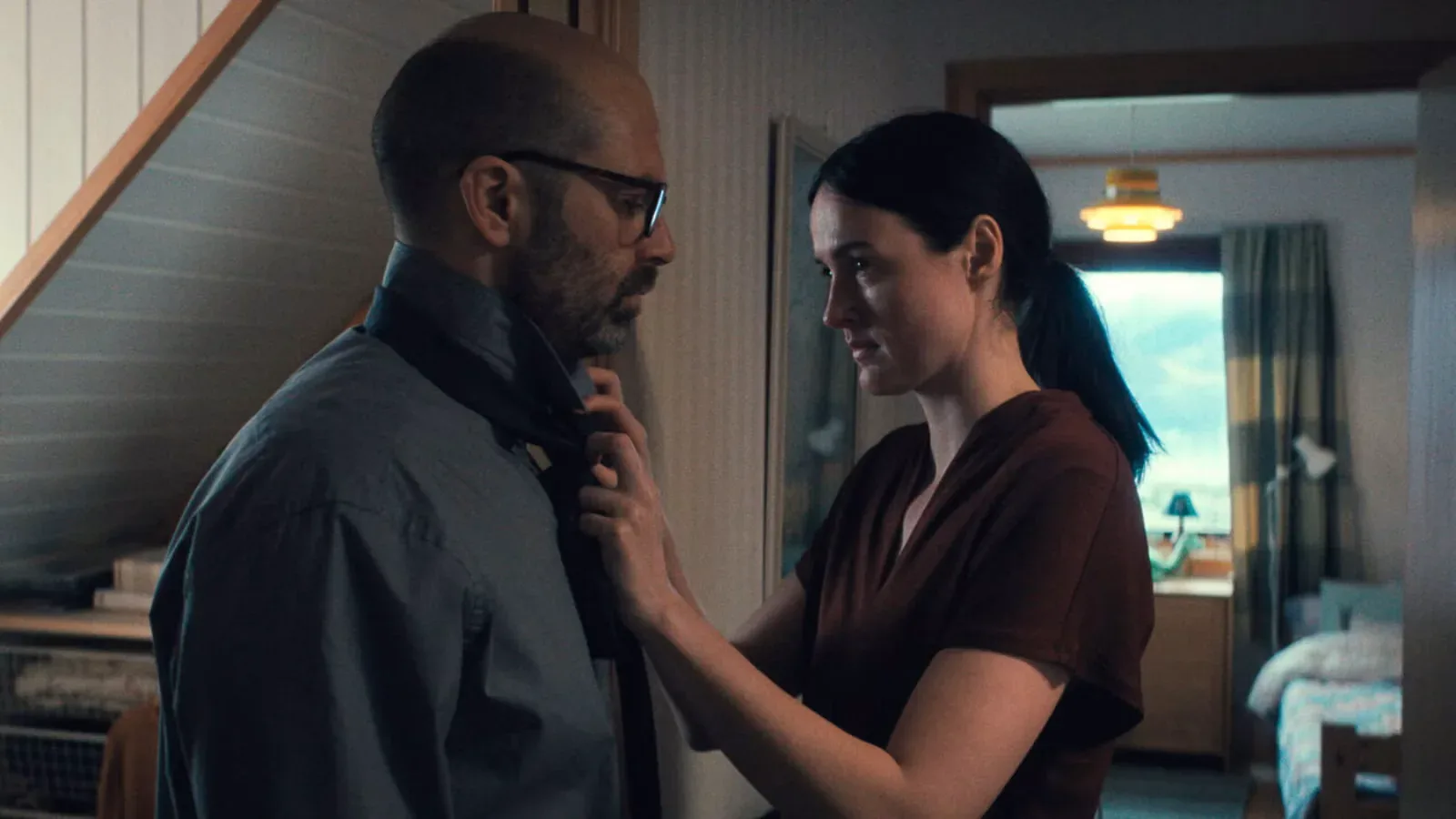
Sebastian Stan’s performance as Mihai is the film’s most immediately striking asset. Physically transformed with a bald head and beard, Stan avoids making the character’s devoutness or traditionalism into an easy visual or behavioural cue for the audience to dismiss. Mihai is presented as a complicated father who plainly loves his wife and children, yet has a pronounced blind spot around cultural difference. That contradiction gives the role its texture.
Stan’s achievement is that he makes Mihai recognizably human without demanding that the audience excuse him. A less nuanced portrayal could turn him into a symbol: either a persecuted father or an embodiment of rigid belief. Here, the character’s love for his family and his limitations coexist. That coexistence makes the accusations and their aftermath more unsettling. The film does not ask viewers to respond to an abstraction called tradition; it asks them to reckon with a man whose convictions are bound up with family devotion but may not equip him to understand the world around him.
This is especially valuable in a story concerned with institutional judgment. When a character is reduced to a category, the moral question is already half-answered. Stan instead makes Mihai sufficiently specific that viewers must hold several thoughts at once. His affection is real. His perspective is partial. The consequences of that partiality are serious. In dramatic terms, that is far more involving than a performance designed to announce innocence or guilt from the outset.
Renate Reinsve brings the family’s pain into focus
Renate Reinsve is equally important as Lisbet, Mihai’s Norwegian wife. Her character is described as a buttoned-down Christian mother, and Reinsve gives the role a force that goes beyond its place within the larger debate. When child services come to the family home and the children are taken away, her response is devastating. The emotional impact helps ensure that the film’s intellectual ambition never drifts too far from the immediate wound at its centre.
Lisbet also complicates any attempt to frame the Gheorghius as a wholly external presence in Norway. She belongs to the family’s religious life while also being Norwegian, a position that makes the surrounding clash of values more intricate. Reinsve’s performance supports the film’s wider refusal to divide people into cleanly opposing camps. Her grief is not an argumentative device; it makes clear what is at risk when public systems enter domestic life.
Together, Stan and Reinsve give Fjord its emotional credibility. Their work enables the film to press hard questions without treating the family merely as a case study. The drama is concerned with cultural tension and political language, but it is most persuasive when it remains close to the human responses produced by fear, loss and uncertainty.
Cool-headed direction, with a slight pull toward one answer
Mungiu directs with restraint and a realist sensibility. The approach is well suited to material that could otherwise turn overheated. Rather than forcing viewers toward a single uncomplicated response, the film makes room for the logic on multiple sides of the conflict. Its characters feel reasonable and real even when their beliefs clash. That accomplishment is the bedrock of the film’s tension: disagreement means more when each participant has a comprehensible reason for seeing events as they do.
There is, however, a limitation in the balance the film works so hard to maintain. At times, it can seem as if Mungiu ultimately falls toward one viewpoint. That does not erase the care given to opposing positions, nor does it make the moral questions uninteresting. But it slightly complicates the claim of even-handedness. A drama about competing rights inevitably reflects an authorial perspective; the issue is less that a perspective exists than that the film occasionally makes its preferred footing perceptible.
Even so, the dominant impression is of a filmmaker determined not to flatten a contentious real-world situation into a culture-war parable. Loosely inspired by the 2015 case of the Bodnariu family, whose children were seized by Norwegian welfare services, Fjord uses its real-life foundation as a route into broader ethical tension rather than as a reason to offer a tidy verdict. Its focus on human ambiguity gives the material both gravity and dramatic traction.
Why Fjord lands
Fjord succeeds because its thoughtfulness is active rather than ornamental. It does not just raise questions about the limits of state authority, the meaning of religious liberty or the obligations of child protection; it situates those questions within people who have something painful to lose. The family’s crisis invites sympathy, but the film does not allow sympathy to become the end of analysis. Nor does it let institutional concern automatically become cruelty. That tension is what makes the drama riveting.
For viewers drawn to serious, ethically knotty films, this is an especially strong recommendation. The performances offer emotional access to material that could otherwise become overly theoretical, and Mungiu’s refusal to caricature the major sides of the dispute gives the film real moral weight. The occasional sense that the direction leans toward a particular position is a meaningful reservation, but not a fatal one. Fjord remains compelling precisely because it recognizes that the hardest conflicts are seldom resolved by a single slogan, a single identity or a single version of events.