A mechanical keyboard can become a surprisingly personal piece of gaming and desk hardware. It is the thing between you and every shortcut, chat message, password, menu command and late-night match. That is why the custom-keyboard hobby has such pull: instead of accepting a manufacturer’s choices, you can select the pieces that shape how a board looks, sounds and feels.
But personalization is not automatically a bargain. Building a keyboard from separate components will generally cost more than purchasing a ready-made mechanical model, and the financial difference is only part of the commitment. A first-time builder also has to make choices about size, switches, components and tools, then make sure those choices work together. For people who enjoy research and tinkering, that work is a major feature. For someone who simply needs a satisfying keyboard, it may be a detour.
The most useful question is not whether custom keyboards are “worth it” in the abstract. It is which level of customization matches what you actually want from a keyboard. A pre-built board, a partially assembled DIY kit and a hot-swappable model each solve a different problem.
Start with the hard truth: custom is usually more expensive
There are decent mechanical keyboards available around the $50 mark, although spending $100 or more is a realistic expectation for a good model. A custom build can surpass that kind of budget before the full set of parts is even in view. The case alone may cost as much as a lower-priced pre-built keyboard.
That does not mean a bespoke board is a bad purchase. It means it should be treated as a hobby project rather than a guaranteed value upgrade. The buyer is paying not merely for a device that enters text, but for control over its individual attributes. The case, switches and keycaps are decisions rather than fixed compromises.
For gaming setups in particular, it is easy to understand the temptation. Players often put serious thought into mice, controllers, headsets and displays because small changes to comfort and interaction can matter over hundreds of hours. A keyboard is no different in that sense. If its feel, sound or layout is an ongoing irritation, a carefully chosen board may have more everyday value than an impulse upgrade to a peripheral that gets used less often.
Still, a higher budget does not guarantee that a custom keyboard will make someone happier. If the main priority is getting a dependable mechanical board onto the desk with minimal time and uncertainty, the ready-made route remains the straightforward answer.
What a custom build actually asks you to decide
A full build is not one purchase. It is a chain of connected decisions. Case size and switch type are the obvious starting points, but there is also the practical question of how the keyboard’s components fit together and what equipment is needed for assembly.
The key technical component is the switch. In a mechanical keyboard, a switch connects the key to the circuit board. Its design determines much of the typing experience: how a press feels and how it sounds. For a player or writer who has a very specific preference, switches can be the entire reason to consider customization. A less common switch may not be readily available in pre-built keyboards, making a custom route the only practical way to use it.
Keycaps are the visible caps placed over those switches. They are an obvious route to changing a keyboard’s appearance, but they are also part of the larger specification process. A custom project asks the buyer to think about more than a color scheme. The goal is to end up with components that match the desired layout and hardware.
The case is the keyboard’s physical housing. It affects the board’s form and is a meaningful part of the cost equation. A builder may choose a case because it supports a particular size or because it helps create a specific visual result. That flexibility is appealing, but it is also why comparing a custom build’s total to the sticker price of an inexpensive pre-built board can be misleading. The custom shopper is choosing each ingredient separately.
Then there are the less glamorous structural elements. Keyboard builds may involve circuit boards, switch mounts and sound dampening. Understanding their roles, identifying what is already included, and knowing which tools the process requires takes time. Assembly itself is only one stage; research can become the longer portion of the project.
The time cost is real, and it is not a flaw for everyone
There are two very different ways to view the work behind a custom keyboard. One person sees a pile of decisions standing between them and a functional peripheral. Another sees a hands-on project with a useful result at the end. Neither perspective is wrong.
For the latter group, complexity has value. Learning how the keyboard is put together, choosing every major part and completing the assembly can be as satisfying as using the finished board. The process can turn ordinary desk hardware into something that feels intentionally made for its owner.
For the former group, a custom build can be overwhelming precisely because the market offers so many routes. More choices do not necessarily make the decision easier. They can make it harder to identify the choice that matters most. Someone who has no unusually specific requirements may find that the additional research adds little practical benefit.
Before buying parts, it helps to separate desired outcome from desired experience:
- If you mainly want a mechanical keyboard that works well, a pre-built option is likely the sensible baseline.
- If you want a particular look, sound and typing response that pre-built boards do not provide, customization has a clearer justification.
- If building hardware sounds intrinsically enjoyable, the time spent researching and assembling is part of what you are buying into.
- If the build process itself sounds stressful, spending extra to create more decisions is unlikely to feel rewarding.
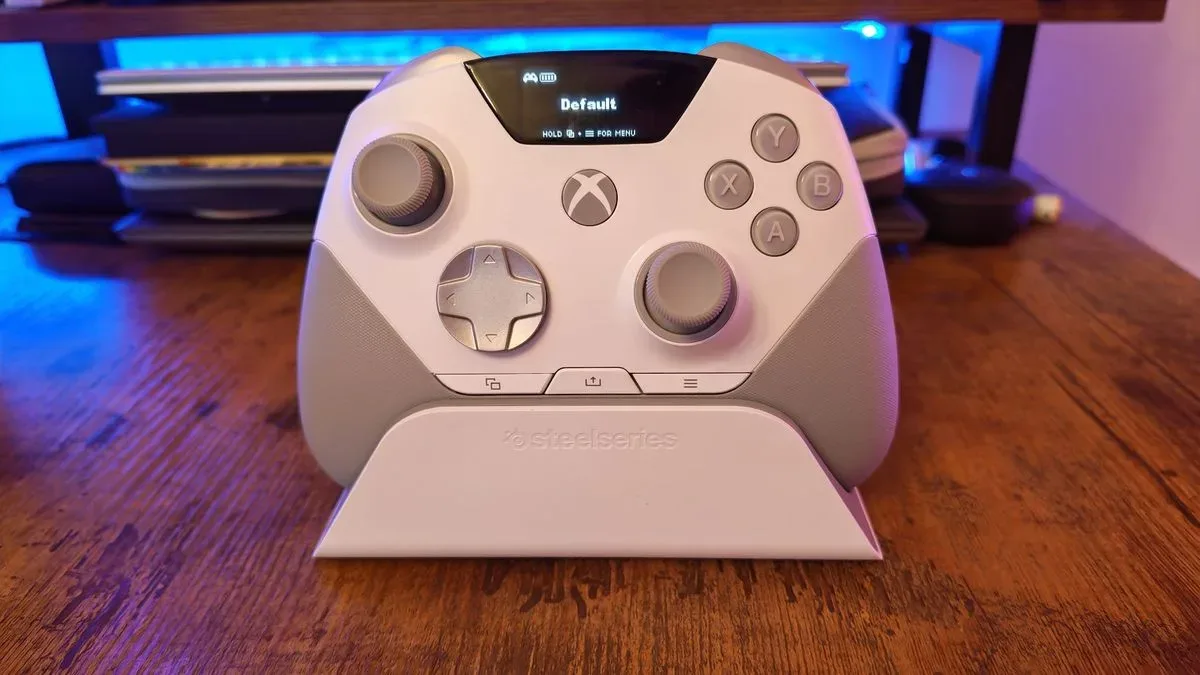
This is similar to the broader question of premium gaming hardware value. Strong design and a persuasive feature list can still be hard to justify when the price rises beyond a buyer’s actual needs, as discussed in this look at the value proposition behind a high-priced controller. Custom keyboards make that calculation more personal because the buyer is also responsible for curating the finished package.
DIY kits offer a less intimidating entry point
A DIY keyboard kit can reduce the leap from pre-built board to full custom project. Rather than beginning with every separate structural piece, the buyer gets a case with essential elements already installed. These can include the circuit board, switch mounts and sound dampeners.
That leaves room to choose switches and keycaps while avoiding some of the deeper assembly work. In other words, a kit preserves a meaningful amount of customization without requiring a beginner to start at the most complicated point.
The trade-off is cost. A kit is not automatically the affordable compromise. Depending on the model selected, it can cost as much as a from-scratch build or more. Its primary advantage is therefore convenience and reduced complexity, not a promise of savings.
That distinction matters when setting expectations. A kit is best understood as an option for someone who wants the pleasure of personal selection but would rather not take responsibility for every underlying component. It can make the hobby feel more approachable, but it does not remove the need to budget carefully.
When a kit makes the most sense
A kit is particularly appealing when the shopper already knows that switches and keycaps are where their preferences lie. Perhaps they want the keyboard to have a certain sound and visual identity but do not want to spend significant time on the board’s structural design. The kit puts attention on the most noticeable customization choices while limiting the amount of setup work.
It is also a sensible route for someone curious about keyboard building but uncertain that they want it to become a long-term hobby. The project remains hands-on, yet the initial barrier is lower than sourcing and assembling every major element independently.
Hot-swappable boards may be the practical sweet spot
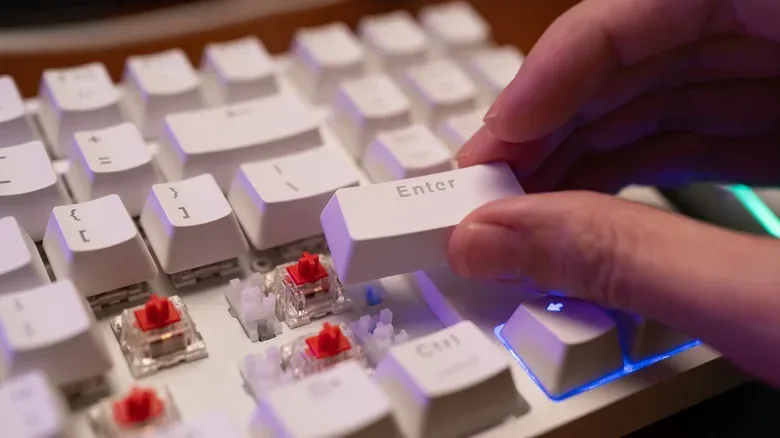
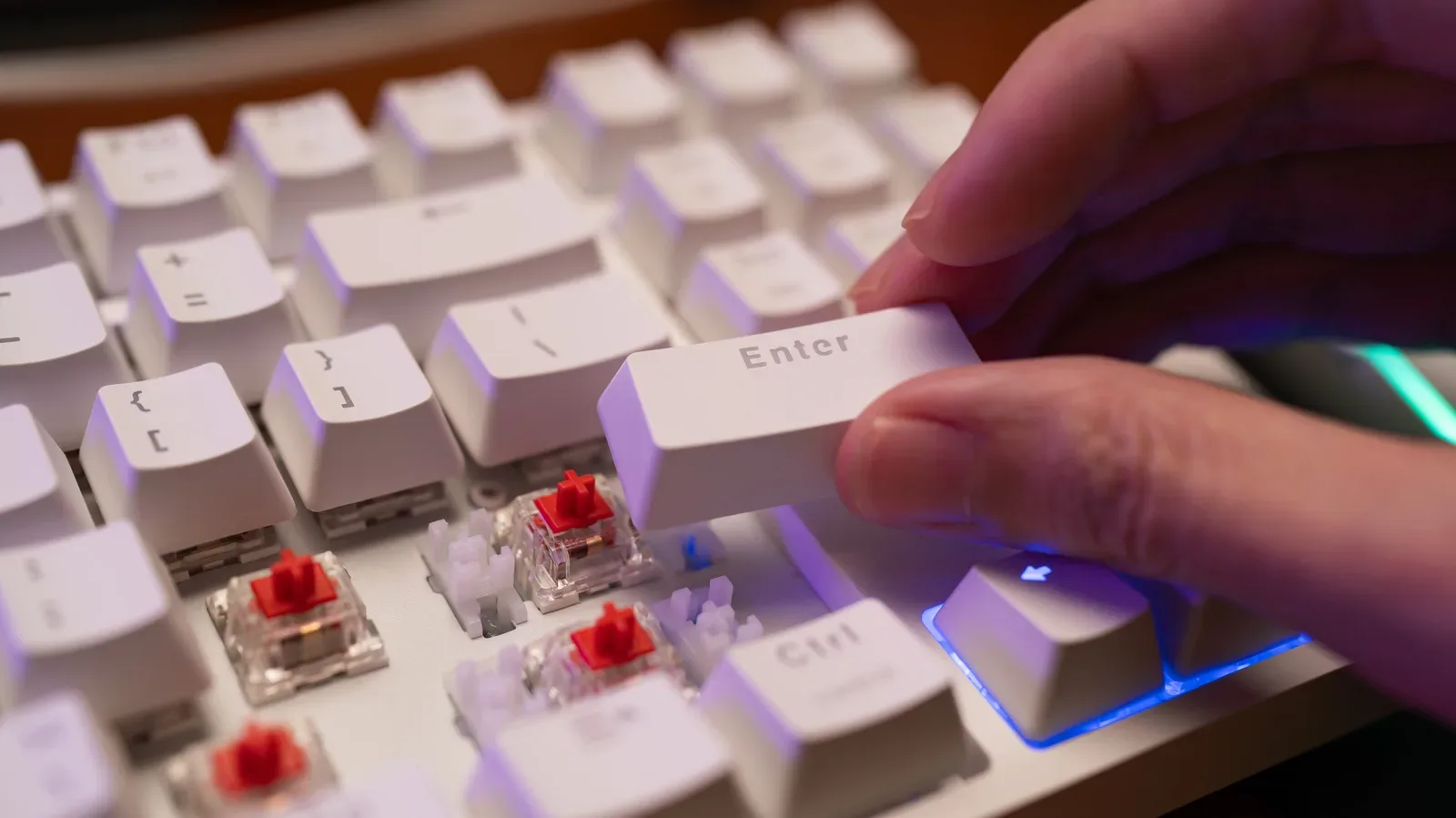
The strongest middle-ground option is often a hot-swappable keyboard. In a traditional mechanical keyboard, the switches are soldered to the circuit board. Soldering is the process of permanently joining components using melted metal, so a soldered switch is not designed to be casually removed and replaced.
A hot-swappable design changes that arrangement. Its switches can be pulled out and exchanged for different ones. That creates a path to experiment with one of the keyboard’s most consequential characteristics without committing to a complete custom build.
Switch changes are generally the most impactful modification a keyboard owner can make. Since switches heavily influence both sound and feel, the ability to replace them gives an owner a meaningful level of control. A player who starts with one preference can revise that choice later instead of treating the initial configuration as permanent.
For newcomers, this has a simple practical benefit: buy a keyboard that is easy to live with now, then customize it as your tastes become clearer. There is no requirement to decide everything before the first keypress. That can be especially valuable when a buyer is curious about the hobby but has not yet developed a firm opinion on the kind of switch they prefer.
Hot-swappable models can also be attainable entry-level choices because they need not cost dramatically more than custom parts and kits. They do not eliminate spending, but they can avoid the all-at-once financial commitment and research burden of a complete build.
A sensible buying framework
Choosing among these options is easier if you put priorities in order rather than beginning with the most elaborate possibility. Budget should come first. Set a maximum amount you are genuinely comfortable spending, and remember that a custom project includes more than its most eye-catching part.
Next, decide whether your goal is function or precision. A broadly satisfying mechanical keyboard does not require a custom build. A keyboard that looks and sounds exactly as imagined—or uses a rarer switch not common in ready-made models—may require one.
Finally, be honest about whether you want a project. The research, compatibility questions and assembly are not accidental obstacles around the hobby. They are part of it. A full custom keyboard makes sense for people who see that as enjoyable. A kit makes sense for people who want to participate while simplifying the structure. A hot-swappable pre-built model makes sense for people who want flexibility without turning a keyboard purchase into a construction project.
The best keyboard route is not the one with the most parts. It is the one whose cost, customization and required effort line up with the way you actually want to use your desk.
There is no shame in buying a pre-built keyboard and stopping there. Nor is there anything frivolous about investing in a carefully tailored board if it is a hobby you enjoy and a tool you will use constantly. The mistake is assuming that customization is inherently superior, or that a low up-front price is the only kind of value. Mechanical keyboards offer a spectrum: ready-made convenience at one end, maximum control at the other, and several sensible paths in between.