Diablo 5 has only just begun to take shape publicly, yet one of the most important debates around it is already underway: can a sequel honor a franchise’s many eras without turning into a compromise built for none of them?
Chris Wilson, co-creator of Path of Exile and a self-described major Diablo 2 fan, has voiced a measured concern about Blizzard’s early approach to gathering feedback for Diablo 5. The studio has indicated it is listening to players across the series, from the first Diablo through Diablo 4. That makes obvious sense for a long-running name with several distinct generations of fans. Wilson’s point is that the answers produced by that survey may not neatly fit together.
“There’s a saying, if you make a game for everyone, you make a game for no one,” Wilson said. It is a concise warning, but not a dismissal of what has been shown so far. In fact, Wilson said he is optimistic about the early material, particularly its apparent signaling toward Diablo 2. His concern is less about the announced direction than the risk of attempting to satisfy every possible vision of what a Diablo game ought to be.
Diablo’s audience is not one audience
“Diablo player” is a deceptively broad label. The series has existed through several very different design identities, and the supplied details make clear why Wilson believes a broad player survey could return mutually incompatible requests.
The original Diablo established a bleak, horror-oriented atmosphere. Diablo 2 deepened the series’ association with action-RPG systems and remains a particularly important reference point in this discussion. Wilson noted that Blizzard did not even describe Diablo as an action-RPG series until Diablo 2: Lord of Destruction. Later entries have attracted players with their own expectations, with Diablo 3 and Diablo 4 each speaking to different kinds of players.
That distinction matters because player feedback is not simply a list of features to add up. A request for a certain pace, degree of randomness, item system, mood, or level of complexity can imply trade-offs elsewhere. A game cannot automatically preserve every priority from every prior entry merely by including familiar imagery or names.
Wilson framed the issue in practical terms: ask fans how to make them play Diablo 5, and the resulting answers may collide. The difficult development task is therefore not hearing every answer. It is determining which audience is central to the game being made, then building a coherent experience around that decision.
What Diablo 5 has actually signaled so far
There is still a substantial amount unknown about how Diablo 5 will play. No complete picture of its moment-to-moment combat, progression, endgame, or wider systems has been established in the available information. That makes sweeping conclusions premature.
Related coverage includes Path of Exile Co-Creator Urges Diablo 5 to Avoid Chasing Every Type of Player.
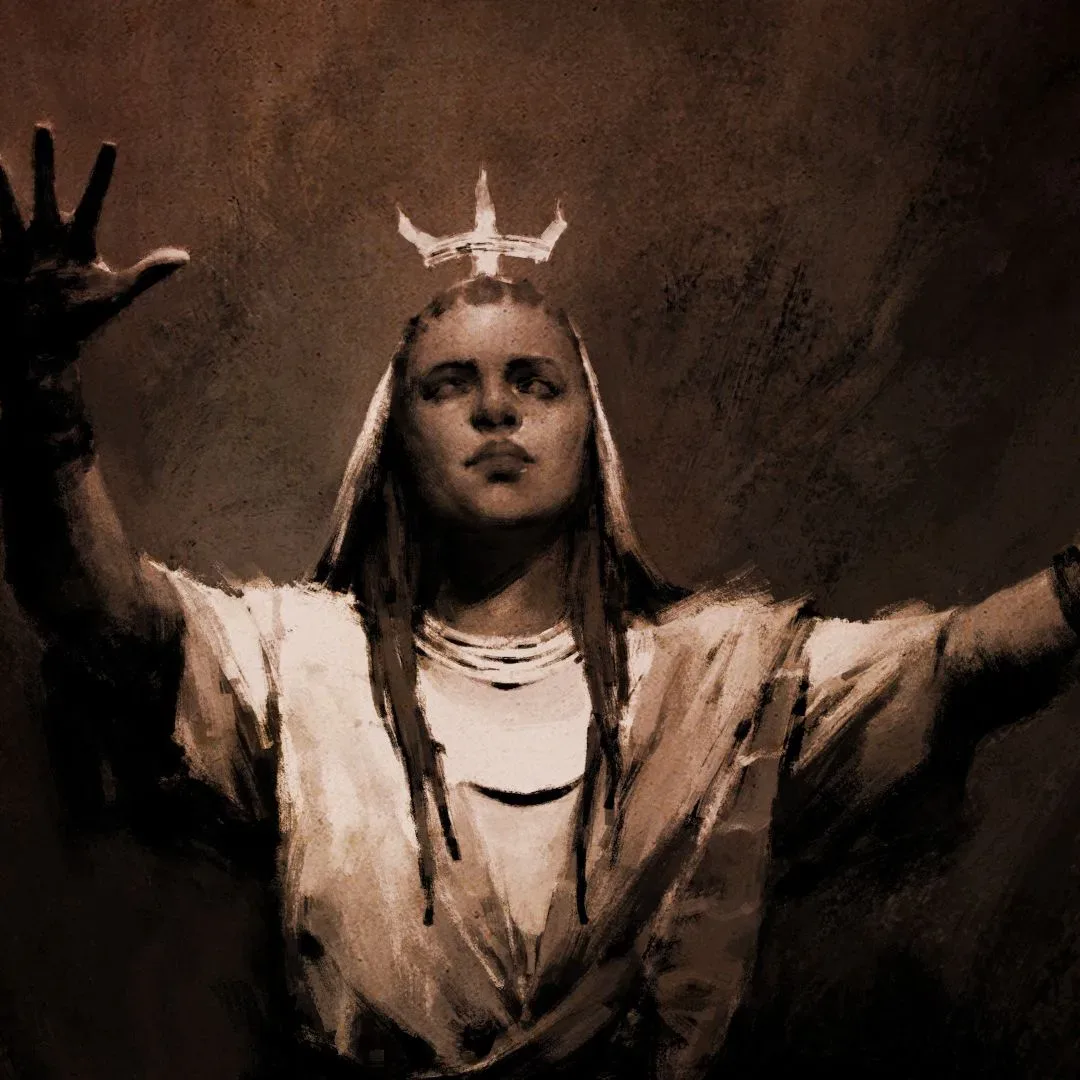
However, the early details do point toward an especially hostile vision of Sanctuary. Blizzard has said Diablo and his minions have completely overrun the setting. Traditional towns and safe places, usually a respite from danger, will no longer be available. That is a major tonal premise: players are not merely visiting a world under threat, but entering one where the threat has already won enough ground to erase the usual refuge.
The game has also been associated with procedurally generated environments and itemization that recalls Diablo 2. Procedural generation means that aspects of environments are assembled through systems rather than remaining entirely fixed in a single handcrafted arrangement. In an action-RPG built around repeated journeys and loot, that can support variation between runs and keep familiar activities from unfolding identically every time.
Itemization, meanwhile, refers to how equipment is structured, acquired, compared, and made meaningful to a character build. It is more than the quantity of loot that drops. Itemization determines what players look for, why one item may be exciting while another is disposable, and how gear choices shape a character. Referencing Diablo 2-style itemization is consequently a meaningful signal, even if it is not yet a full explanation of Diablo 5’s system.
Put together, these are reasons Wilson sees “heavy Diablo 2 signaling,” and reasons other observers may read the initial direction as a return toward earlier Diablo sensibilities rather than an attempt to flatten the series into the safest possible middle ground.
Darkness is a direction, not a complete design document
The prospective absence of towns and safe havens is one of Diablo 5’s clearest ideas to date. It reinforces the horror-driven bleakness associated with the original game, and it separates this proposed Sanctuary from a more conventional fantasy world where settlements provide routine comfort between dangerous excursions.
Still, atmosphere alone cannot resolve Wilson’s concern. A game may look and sound grim while still making very broad compromises in its systems. Conversely, a game can borrow structural cues from older entries without recreating their exact feel. The early material offers a direction, not a final answer.
That is why Wilson’s observation should be treated as a design question rather than a prediction that Diablo 5 will fail. He explicitly said he was encouraged by what Blizzard has revealed. His caution is about the decision-making pressure that surrounds a famous series with a varied legacy. The more a sequel is expected to represent every phase of that legacy, the more important it becomes to retain a clear point of view.
Why surveying every generation can still be valuable
It would be a mistake to assume that listening across the Diablo fan base automatically means Blizzard will follow every preference equally. Feedback can identify areas of disagreement, show which elements players value most strongly, and reveal where a familiar term means different things to different groups. It can also tell a developer what trade-offs players may be willing to accept.
In that light, surveying fans of every entry is not necessarily evidence of a design-by-committee sequel. It may simply be part of understanding the franchise’s unusual range of expectations before committing to a clearer direction. The decisive question is not whether feedback is collected widely; it is how firmly the final game prioritizes its own identity when that feedback conflicts.
That distinction is useful beyond Diablo. A prior report on a more reactive early concept for another major fantasy RPG illustrates how strongly players can care about a game’s foundational direction, not merely a checklist of returning components. Read more on that reactive RPG design vision.
The core-audience argument
Wilson’s recommendation is straightforward: it is acceptable for Diablo 5 not to appeal to every Diablo player, provided it is genuinely fun for the audience it deliberately targets. That does not mean excluding people for the sake of being narrow. It means accepting that specificity can be a strength.
A sequel with a defined center has a better chance of making its systems support one another. A grim, overtaken Sanctuary can inform how spaces are presented. Procedural environments can complement repeated adventuring. Itemization can create long-term character goals. None of these components guarantee quality by themselves, but a shared creative purpose can keep them from feeling like isolated nods to different moments in franchise history.
For players, this is also a healthier way to interpret early Diablo 5 messaging. It is reasonable to be excited by the stated return of procedural generation, the apparent Diablo 2 echoes, and the darker setting. It is equally reasonable to recognize that these signals leave huge questions unanswered. The game’s final identity will depend on how its ideas function together, not on how many past entries can be referenced in a reveal period.
What remains uncertain
Diablo 5’s existence and several broad premises are now known, but its eventual play experience remains largely unoutlined. The available information supports no firm conclusion that Blizzard is abandoning newer Diablo players, reproducing any one earlier game, or trying to merge every version of the franchise into a single package.
What can be said is narrower, and perhaps more interesting. Blizzard is presenting a Sanctuary without conventional safe havens, one overrun by Diablo and his forces. Its early signals include procedural environments and an itemization approach evocative of Diablo 2. Wilson sees promise in those signs, while warning that a franchise with multiple distinct audiences cannot necessarily fulfill every request at once.
That tension is now part of Diablo 5’s story from the beginning. The next game does not need to settle a decades-long argument about which Diablo is definitive. But it will need to make clear choices about what kind of Diablo it wants to be.