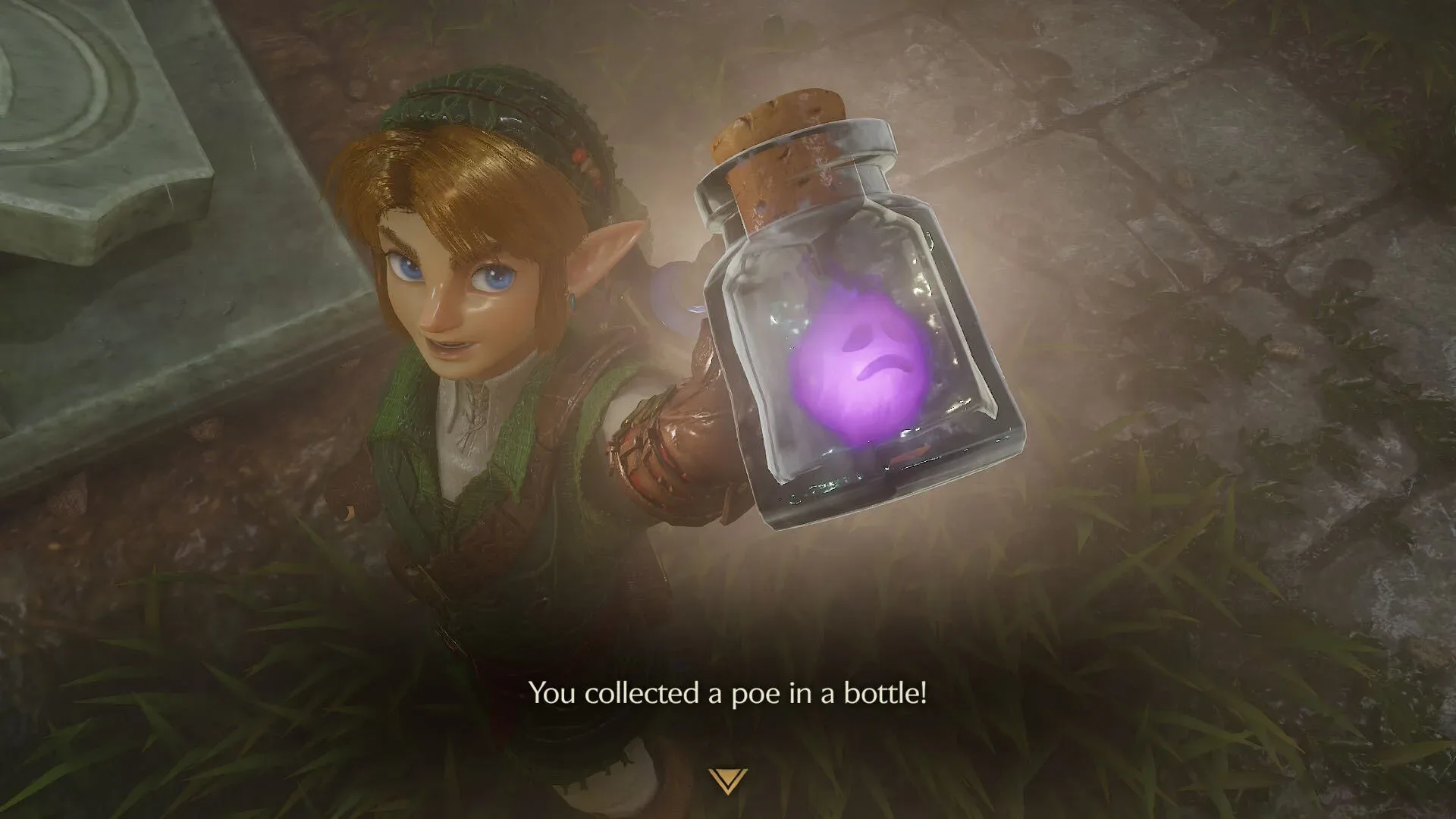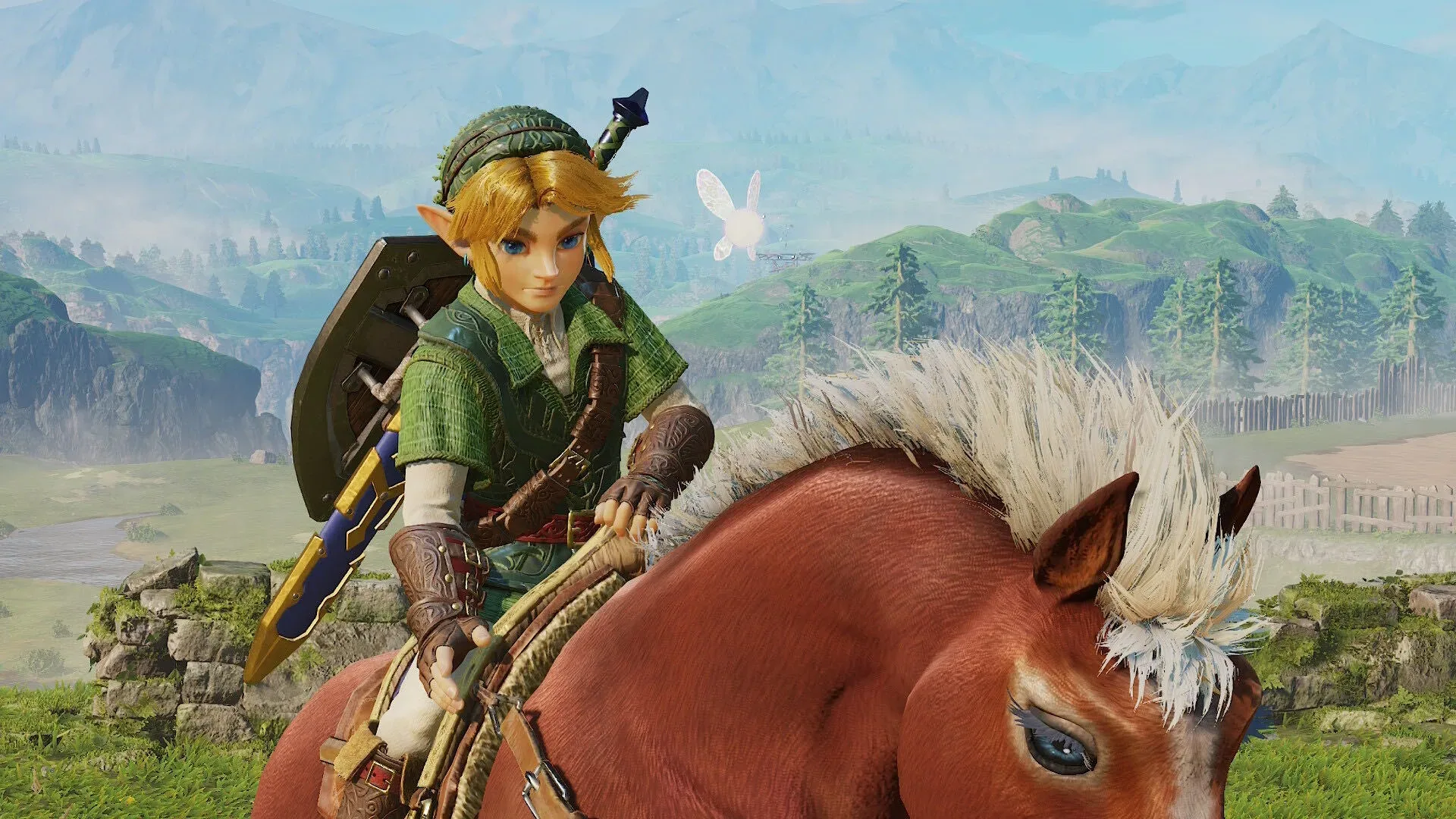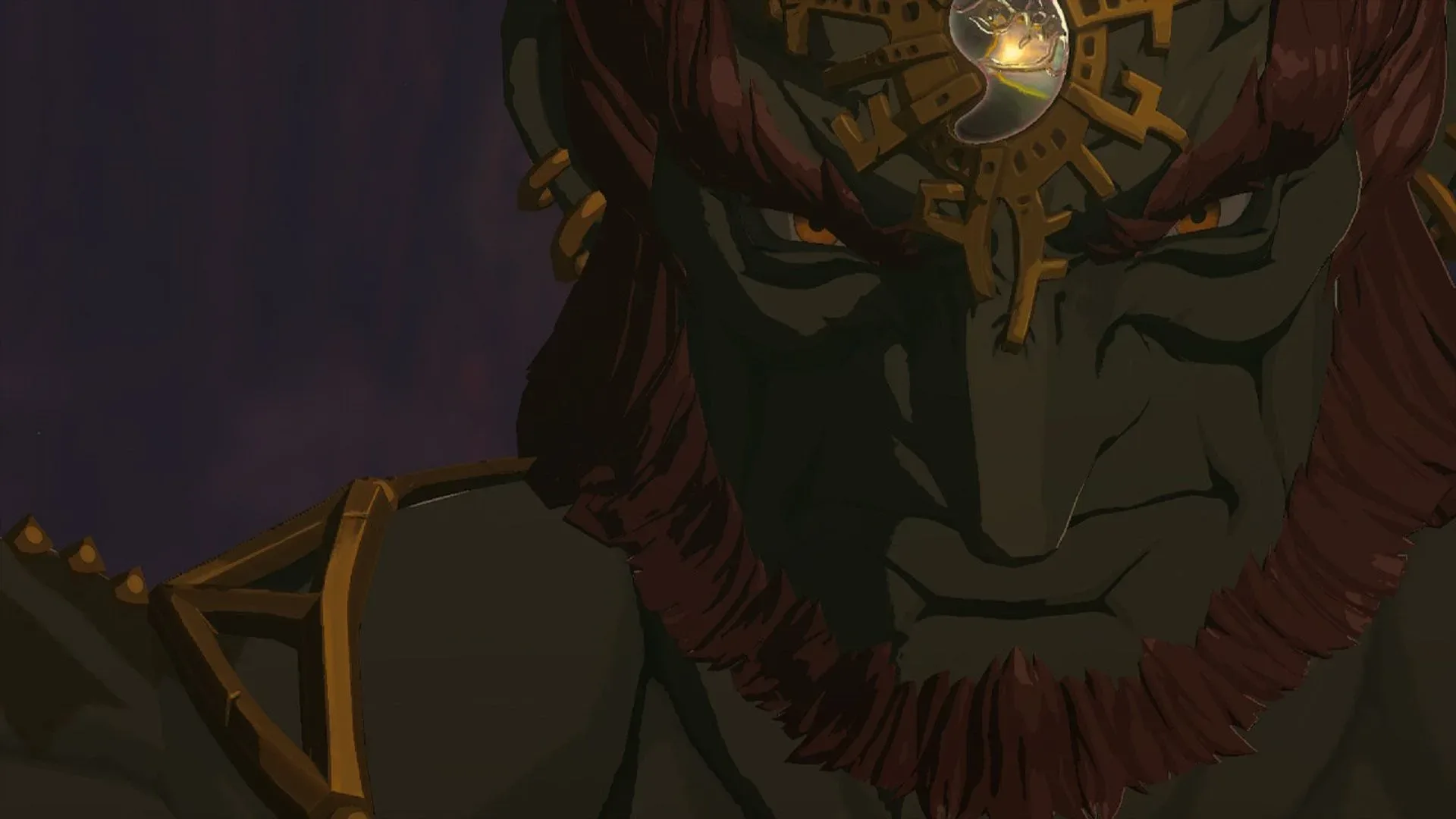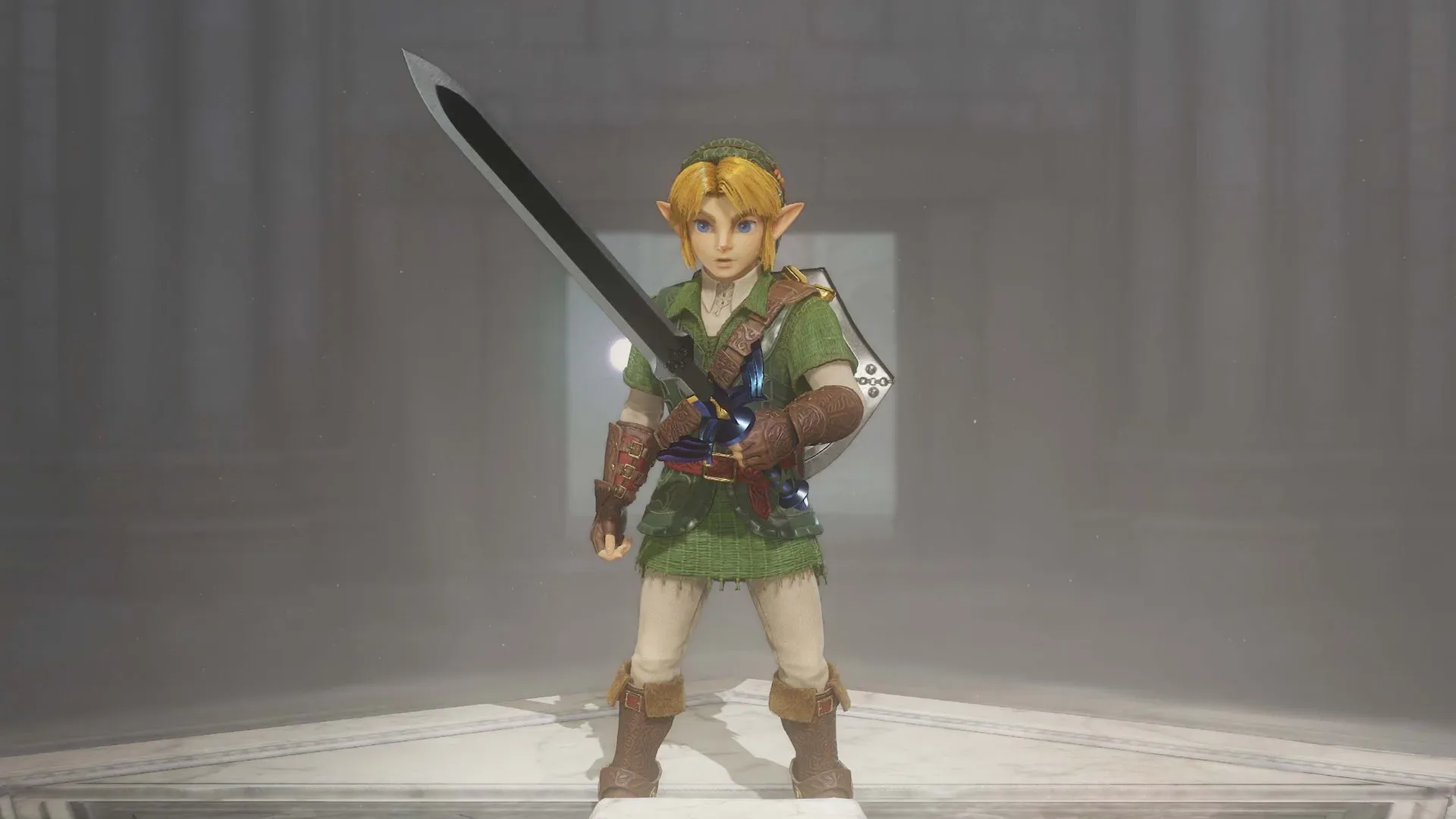
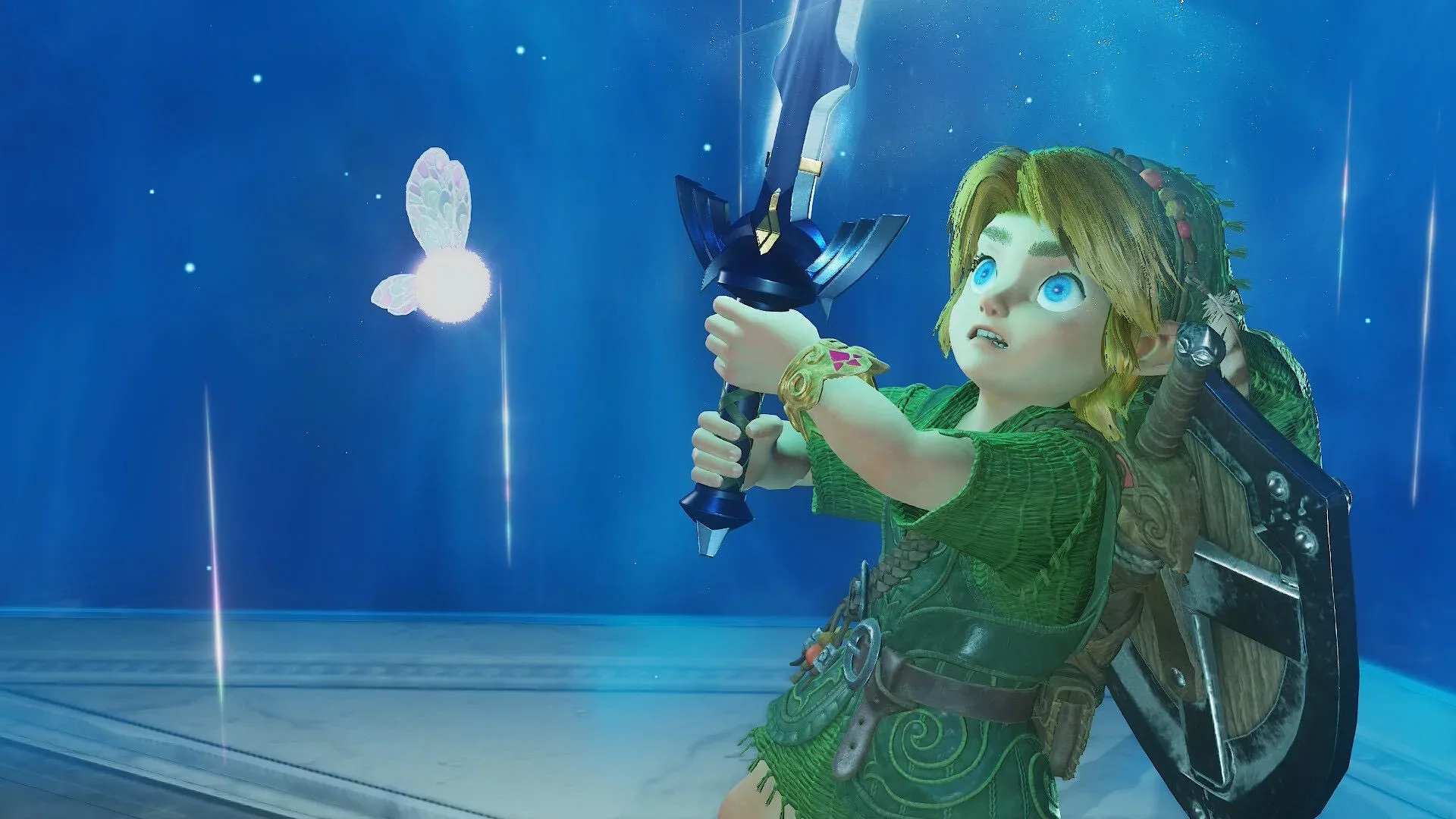
There is a particular kind of comfort in knowing what a game wants from you next. Not every player wants that comfort all the time, and The Legend of Zelda has proven it can thrive when it embraces uncertainty, experimentation and enormous spaces. But revisiting The Legend of Zelda: Ocarina of Time after years with Breath of the Wild and Tears of the Kingdom makes a persuasive case for a different pleasure: the pleasure of momentum.
Ocarina of Time can feel small and simple beside its modern successors. That is not necessarily a criticism. Its structure typically places a concrete objective in front of the player, provides a relatively direct route toward it, and turns progress into an understandable rhythm of exploration, dungeon puzzles, new tools and story advancement. One meaningful session can produce an obvious result. A temple is completed. A path opens. The next destination becomes clear.
That rhythm is especially attractive for players whose gaming time comes in small pieces. A game does not have to be short to respect a short session; it needs to make the time spent feel consequential. In a directed Zelda adventure, a player can sit down with a target and reasonably expect to reach it without first converting half the evening into travel, preparation or resource management.
The difference is not quality; it is friction
Calling the newer Zelda games overwhelming is not a dismissal of what they accomplish. Breath of the Wild and Tears of the Kingdom expand the series through large open worlds, shrine puzzles, environmental discovery and a cast of distinctive characters. Their systems invite players to make plans rather than merely follow plans. That is a major part of their appeal.
They also ask for a different relationship with time. Traversing a broad landscape, deciding what to investigate, preparing for a journey and managing limited equipment can all be part of the adventure. In this context, friction means the small constraints and decisions placed between a player and an objective. Friction is not automatically bad. It can create tension, make a journey feel earned, and turn unexpected detours into stories.
Still, friction has a cost. A player who is primarily motivated by reaching the next story beat, resolving a quest line or tackling a designed puzzle may see long-distance movement and preparation as delays rather than adventure. The same system that gives one person a satisfying sense of survival and discovery can make another person feel as if they are negotiating with the game before they are allowed to do the part they came for.
Ocarina of Time reduces that negotiation. It is more likely to hand over the relevant tool, point toward an immediate problem and make the dungeon itself the center of attention. That directness is a design value in its own right, not merely an artifact of technical limits or an older era.
Directed design makes progress easy to feel
“Linear” is often used as shorthand for restrictive, but that misses what a directed structure can offer. A more guided game can create stronger pacing because its challenges are arranged with purpose. Each obstacle can build on the previous one. Each new ability can arrive with a problem that explains why it matters. Rather than wondering whether an activity is the best use of the evening, the player is pulled into a sequence designed to produce escalation.
Related coverage includes Ocarina of Time Still Offers a Zelda Rhythm Modern Open Worlds Can't Replace.
That is the crucial distinction between simply having things to do and having a palpable sense of advancement. Open-world games can offer a staggering number of possible activities. But abundance can make goals blur together, particularly when many directions seem equally valid. A tightly organized adventure makes the next milestone legible. The player is not just accumulating experiences; they are moving somewhere.
For Zelda, the temple structure remains central to that feeling. Dungeons gather combat, spatial navigation, item-based puzzles and major encounters into a self-contained arc. Finishing one produces a clean punctuation mark. Even players who only have time for a brief run can identify their position in the broader journey: entering the temple, learning its idea, obtaining a needed tool, or working toward the final confrontation.
That clarity is useful beyond nostalgia. People return to older games for many reasons, but an older game’s lasting value can also be practical. Its compact objectives and concentrated challenges may fit a busy schedule better than a game built around wandering until curiosity supplies the next plan.
Traversal is gameplay only when it feels worth playing
Travel is one of the clearest points of division among players. Some enjoy the act of crossing a game world because the route itself offers atmosphere, surprises and a chance to absorb a place. Others are more interested in what waits at the end. Neither approach is a failure to appreciate games correctly. They simply describe different sources of satisfaction.
Open worlds can address this tension in several ways. Interesting movement abilities and environmental interaction can make getting around part of the fun rather than a corridor between fun. A setting can also be visually compelling enough that the journey carries its own reward; the appeal of riding through Cyberpunk 2077’s Night City is an example of a world whose atmosphere can justify time spent in transit. The superpowered movement and interactive environments of the Infamous series offer another model, making navigation more active.
But a horse or vehicle alone may not solve the problem for a goal-oriented player. Faster movement helps, yet it does not change the underlying question: does the trip add a meaningful experience, or does it postpone one? In a vast game, the answer can vary from session to session. A player in a curious mood may welcome a detour. A player with 40 minutes free may not.
Ocarina of Time is appealing in part because it is comparatively candid about this trade-off. It does not build its identity around asking the player to create a route through a giant territory. Its adventure is oriented around getting to the authored challenge, engaging with it, and then receiving a new reason to continue. The game may feel dated in scope next to Tears of the Kingdom, but scope and focus are not opposites where one must always win.
Equipment management changes the mood of a quest
Another major contrast is the role of durability and consumable resources. In broad terms, weapon durability is a system in which equipment can wear out through use. It can encourage variety, force improvisation and make players look carefully at what the world provides. In Breath of the Wild and Tears of the Kingdom, that pressure sits beside other survival-like concerns and contributes to an adventure built on adapting to circumstances.
For some players, that uncertainty is energizing. For others, it introduces a layer of caution before a goal even begins. Will the necessary equipment last? Is it better to save a stronger weapon? Should the player stock up before travelling? These are valid strategic questions, yet they can be distractions for someone who chiefly wants to solve a puzzle or push the narrative onward.
The older Zelda formula offers a different promise: receive the essential tool, learn what it does, and use it to overcome the obstacle ahead. That is not the same as saying it lacks challenge. It is a more curated form of challenge. The player’s attention can stay on observation, timing, navigation and puzzle logic rather than on whether a vital resource might be depleted before reaching the destination.
This is why “simpler” need not mean “less satisfying.” Removing a management layer changes what the game is asking the player to value. A focused Zelda can prioritize confidence and forward motion. A systems-driven Zelda can prioritize flexibility and self-directed problem-solving. Both approaches preserve recognizable series elements—combat, puzzles, discovery and eccentric characters—while distributing emphasis differently.
A useful reminder for Zelda’s future
There is little reason to assume the series will simply retreat to the exact structure of Ocarina of Time. The open-world entries demonstrate how effectively Zelda can evolve, and their huge range of puzzles and discoveries have clearly expanded the idea of what an adventure in Hyrule can be.
Yet the appeal of the older game highlights something worth retaining in any future direction: players benefit from meaningful progress that does not always require a long runway. A large world can still provide strong short-term objectives. A flexible system can still make the next step understandable. Exploration can remain optional at times instead of becoming the toll paid before every major activity.
That does not mean every Zelda needs to eliminate durability, resource pressure or long journeys. It means those systems should be judged by what kind of player experience they create in a given moment. When the goal is wonder, uncertainty may be the point. When the goal is a crisp dungeon-sized adventure, too much uncertainty can dilute the payoff.
There is room for both impulses, including in the same franchise. The current wait for the next Grand Theft Auto 6 discussion may send some players toward a massive world and others toward a familiar, concentrated quest. Ocarina of Time endures because it still understands the latter desire extremely well. Sometimes the best thing a game can do is give you the means to act, make the destination readable, and let a single evening end with the satisfying knowledge that you got somewhere.