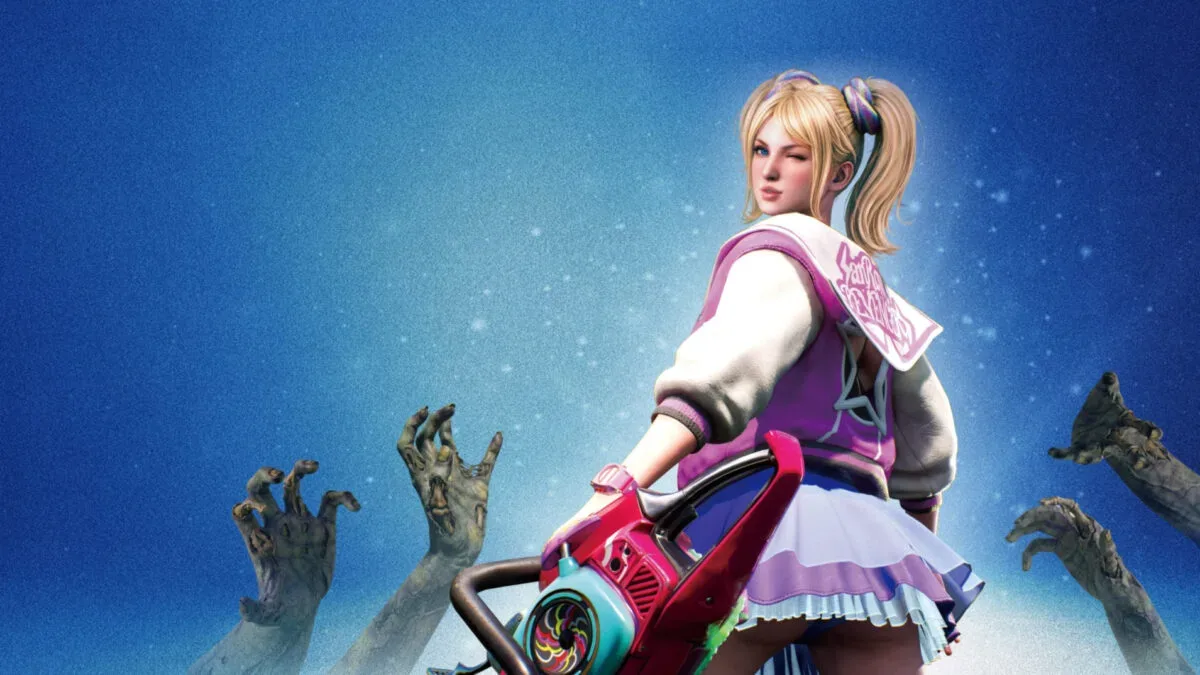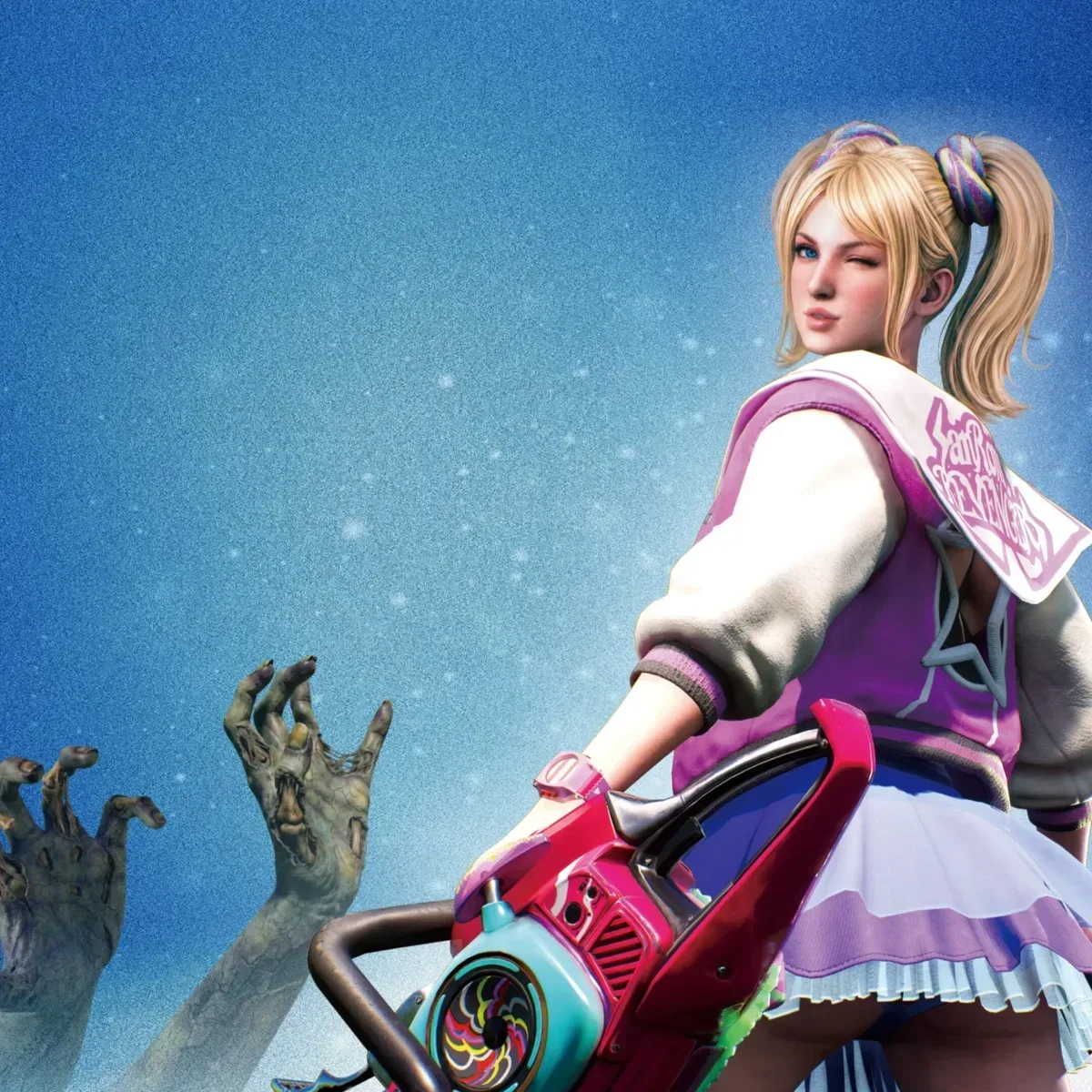
Lollipop Chainsaw 2: Back2Back has a difficult inheritance. Its premise is immediately recognizable: cheerleader zombie hunter Juliet returns with her boyfriend Nick’s severed-but-chatty head attached at her waist, and a chainsaw remains the preferred solution to a mass undead-management problem. But the early Tokyo Game Show demonstration leaves a more pressing question than simple nostalgia: beyond restoring familiar imagery, what is this sequel trying to become?
Producer Joe Tung of Nada Holdings opened a Tokyo Game Show stage appearance by crediting the original game’s creative leads—Suda51, James Gunn and Yoshimi Yasuda—and characterizing their work as legendary. Tung’s connection came through work on Lollipop Chainsaw RePop, which led to Nada Holdings and Dragami Games becoming involved in the franchise’s first sequel in almost 15 years. That acknowledgement matters because the original’s appeal was never solely the basic act of cutting through zombies. Its identity depended on a very particular collision of action-game excess, irreverent dialogue, music, visual contrast and deliberately ridiculous set pieces.
The new game is being made without those three original creative leads. That fact does not automatically decide the sequel’s quality, nor does it mean a new team cannot make a worthwhile follow-up. But it makes clarity of purpose especially important. A continuation needs to show what it understands about the property beyond the easiest things to reproduce: Juliet, Nick, zombies, roller skates, blood effects and a chainsaw.
A familiar setup, but not yet a clear new pitch
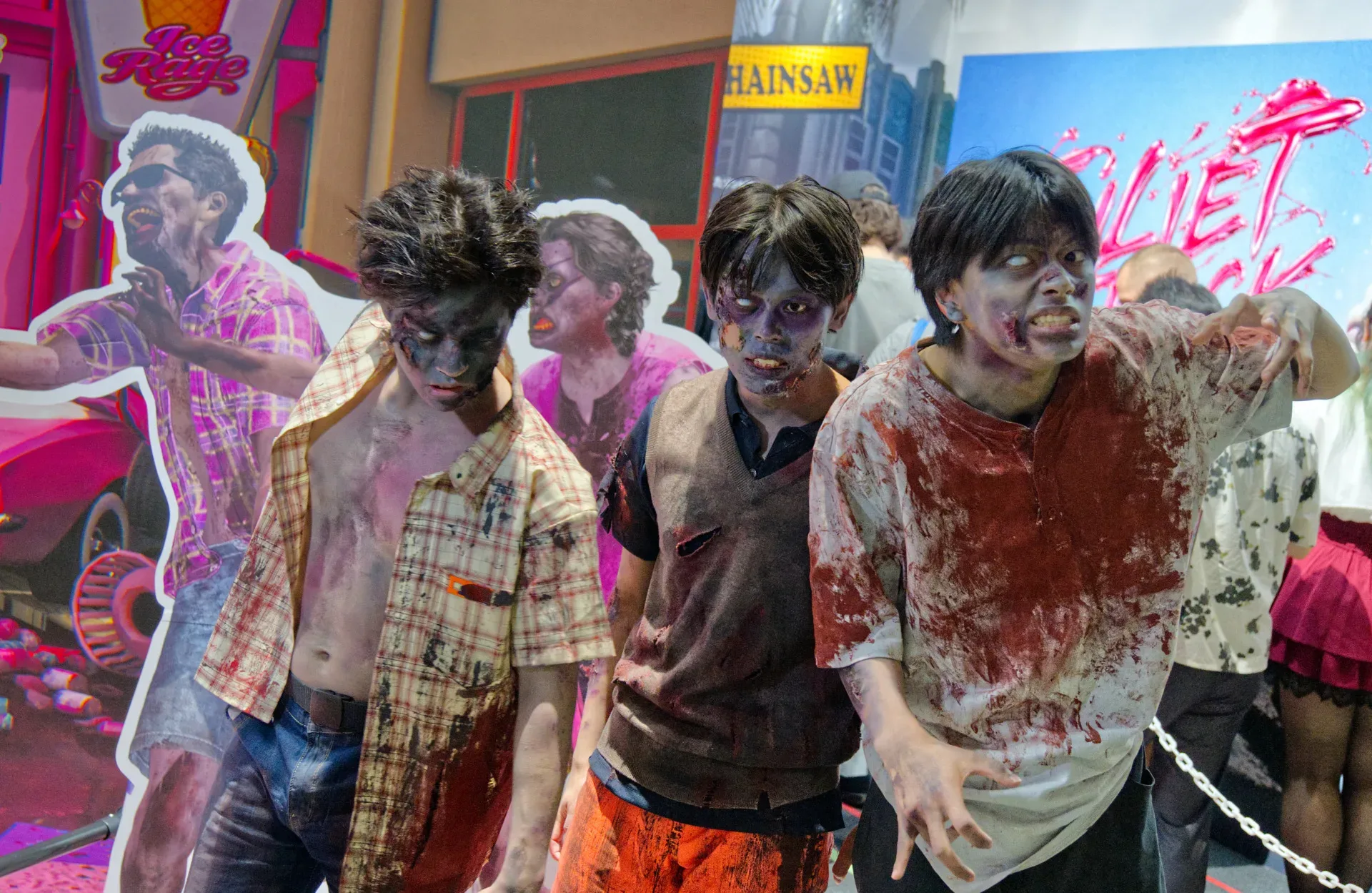
The show-floor setup leaned heavily into recognition. Attendees could find a photo area with Juliet alongside three zombies, all arranged for the expected chainsaw-ready pose. The demo itself likewise placed Juliet and Nick front and center. For returning players, that is an efficient visual shorthand. It says this is still Lollipop Chainsaw, not a distant reboot with an unrelated cast.
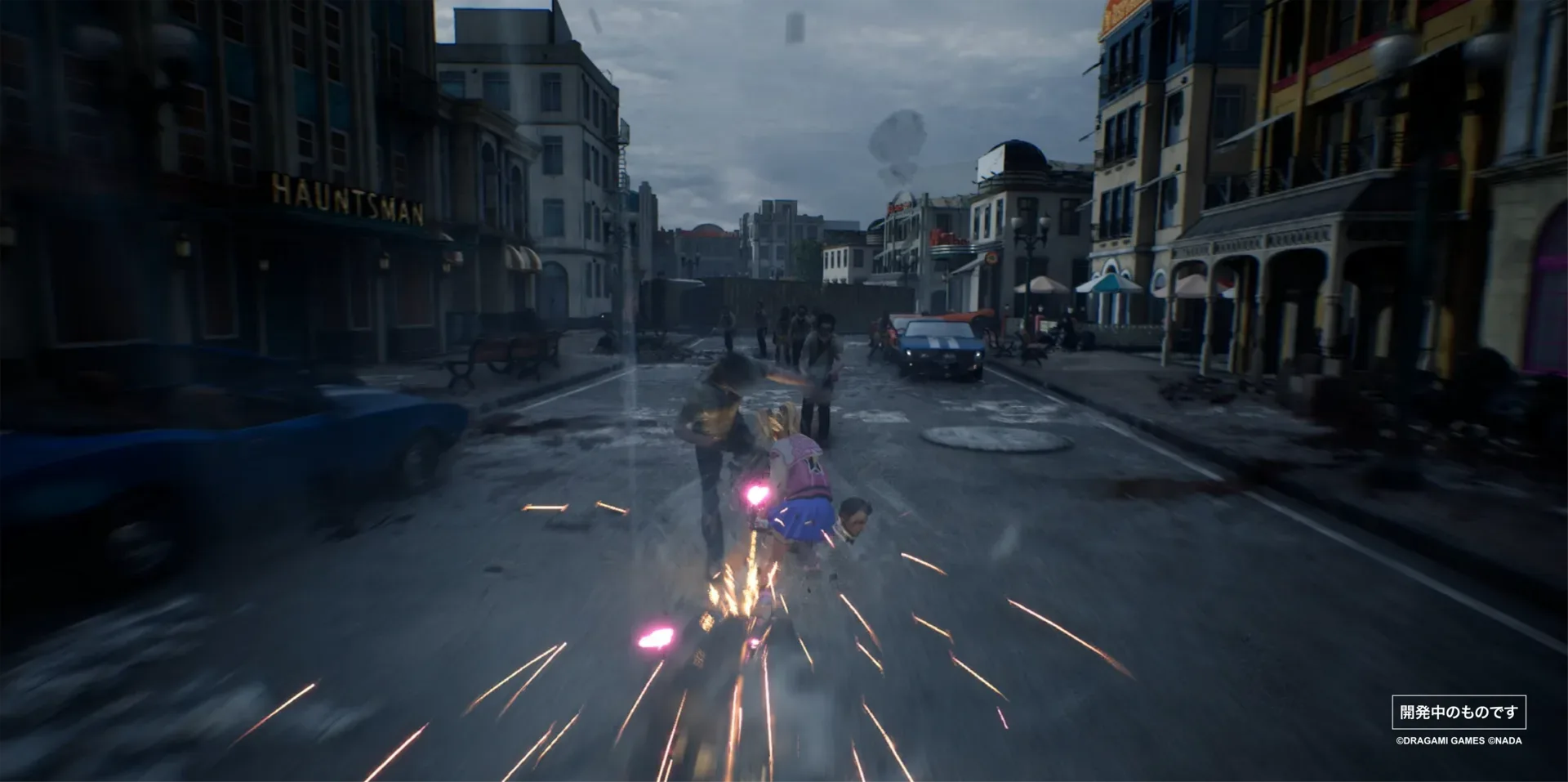
Recognition is useful, but it is not the same as a reason for a sequel. The early playable section apparently offered little indication of a new central idea, new dramatic angle or new mechanical hook. Rather than establishing a setting or situation, it dropped Juliet into a gray, burning city and sent waves of zombies toward her. In a finished action game, a straightforward horde sequence can be a perfectly sensible opening or a short palate cleanser. In an early public demonstration, however, it needs to be supported by something distinctive: unusually satisfying combat, a striking presentation, sharp character work, a surprising rule change or a memorable escalation.
None of those elements came through strongly in the demonstrated slice. That does not make the final game a foregone conclusion. A vertical slice is a small, self-contained portion of a game assembled to demonstrate a project’s intended experience, and it can be incomplete or unrepresentative. Yet that limitation also makes a demo’s omissions meaningful. A vertical slice is usually expected to communicate the project’s best argument for attention. If it cannot communicate tone, responsiveness or direction, viewers are left to judge the material that is actually there.
Why “combat feel” is more than a vague complaint
The biggest reported issue is not that Back2Back uses hack-and-slash combat. The original also had a broadly simple hack-and-slash foundation. This genre label generally refers to close-range action built around repeated attacks, combos, special moves and groups of enemies. Simplicity can work when movement, timing, animation, sound and enemy reactions make each hit feel deliberate.
That is often described as combat feedback. It is the collection of signals that tell a player an action landed and mattered: the animation’s timing, an enemy recoil, the sound of the impact, controller response where applicable, hit effects, camera behavior and changes in an opponent’s state. Back2Back’s demo reportedly had blood spraying and a combo counter rising, but those surface indicators were not enough to provide a convincing sense of contact. Attacks felt floaty, as though the animation was occurring near zombies instead of forcefully connecting with them.
Related coverage includes Lollipop Chainsaw 2: Back2Back's Tokyo Game Show Demo Raises Major Questions.
That distinction is vital for an action game with a chainsaw at its center. A chainsaw is not subtle iconography. Players reasonably expect the motion, audio and enemy reaction to sell a messy, forceful tool. If the basic cut lacks weight, neither a growing score display nor a spray of visual effects can fully compensate. The result can turn a flamboyant premise into a repetitive routine.
Roller-skate movement reportedly struggled in a similar way. It should be one of Juliet’s defining physical traits: skating suggests speed, style and a little bit of reckless showmanship. Instead, movement through the areas felt sluggish and resistant. That is not a minor presentation concern. In a character-action game, locomotion is part of the fantasy. The way a protagonist moves between encounters can make the player feel elegant, athletic, scrappy or powerful before an attack button is even pressed.
Back2Back therefore has a practical development challenge. It needs to ensure that its systems agree with its visual premise. If Juliet is meant to be a fast, absurdly stylish zombie slayer, skating cannot feel bogged down and chainsaw strikes cannot feel detached. Polishing that relationship involves more than changing damage values. It means aligning animation, enemy behavior, sound and movement response so the game consistently communicates speed and impact.
Absurd imagery needs a voice behind it
The original game’s outrageous concept worked because its absurdity was not restricted to character design. Juliet’s bright cheerleader look against grimy undead backdrops was paired with constant comic energy, particularly through Nick’s commentary. The game had a point of view: loud, knowingly silly and determined to keep the spectacle moving.
The Back2Back demo did not include comparable banter or context. It is possible that voice recording was unfinished, and that possibility deserves to be kept separate from a judgment about the final script. Still, no dialogue means no evidence yet that the sequel can deliver the energetic character interplay that made its returning duo memorable. Silence in an early action demo also has a compounding effect: when combat feedback is thin and environments are visually muted, there is no conversation or joke to create momentum between fights.
The same applies to music. The original was marked by licensed songs that gave its zombie action a defiant, high-energy character. The showcased sequel did not present an equivalent musical identity. No conclusion can be drawn about the finished soundtrack from that absence alone, but the demo consequently lacked another of the elements that once elevated familiar zombie-slaying mechanics.
It would be a mistake to reduce this to a demand that every new line mimic an older game. The answer is not necessarily imitation. The answer is a coherent tone: dialogue, character animation, music, environments and encounters should all seem to come from the same creative sensibility. Back2Back currently appears to have the franchise’s visual ingredients without a fully communicated recipe for combining them.
The Barbie-style boss shows both the opportunity and the gap
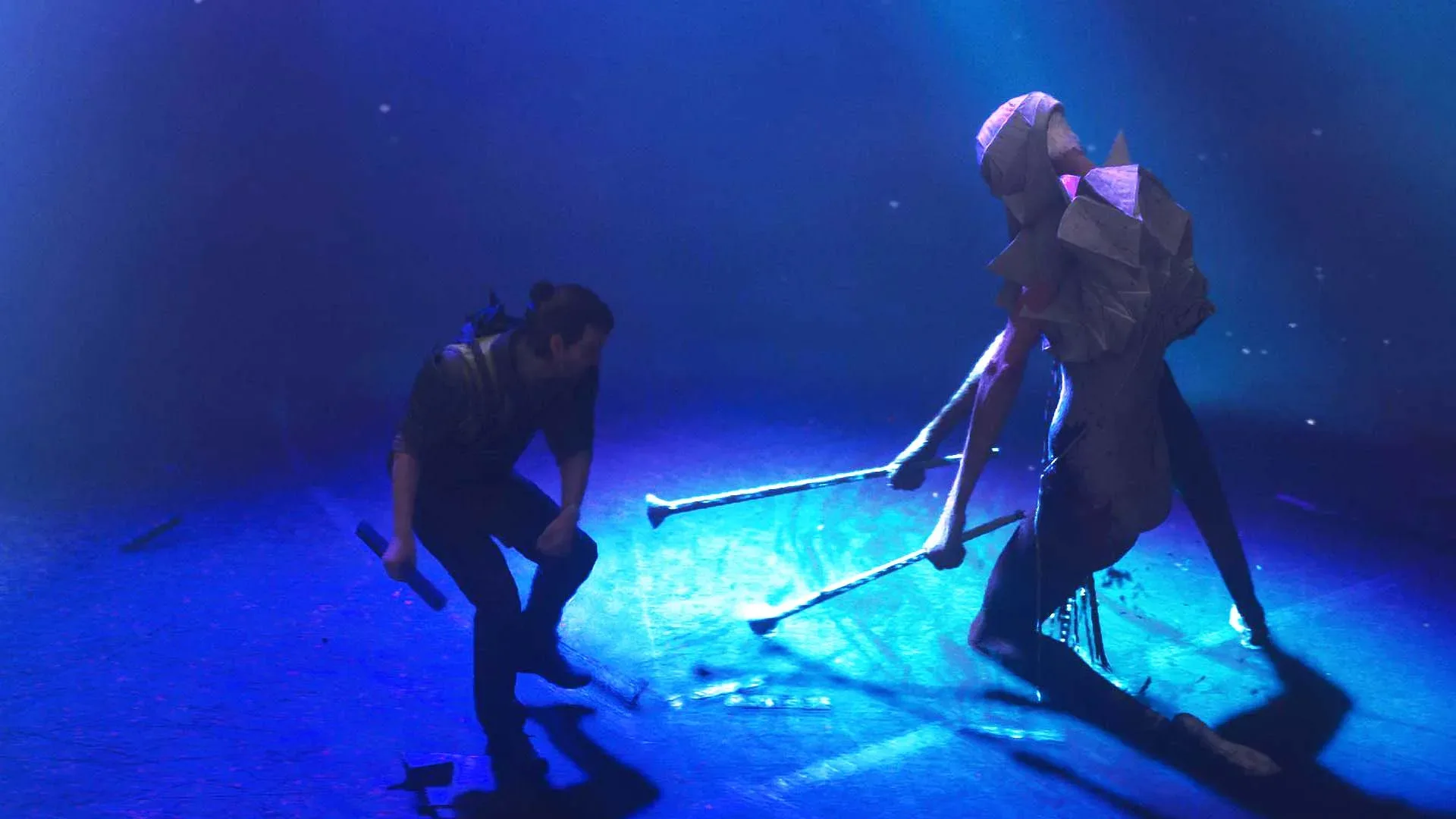
The boss encounter is the clearest example of that tension. Its premise is appropriately wild: a blatant Barbie-style figure presides over a dreamhouse-like pink environment, surrounded by zombie Kens who worship her before being repaid with their own heads hurled at Juliet. On paper, that is exactly the kind of exaggerated visual gag a Lollipop Chainsaw boss might use.
Yet a strong concept must become a strong encounter. The battle was described as disjointed, with little writing to explain why it was happening or to turn the imagery into a comic set piece. A boss fight generally needs readable phases, escalating threats and a rhythm that gives the player a sense of discovery or payoff. In a series built around comedy, it additionally needs the staging and dialogue to make the absurdity land rather than merely exist in the background.
This is where the difference between visual design and tone becomes useful. Visual design is what the player sees: pink rooms, doll-like styling, zombie admirers and thrown heads. Tone is the emotional and comic meaning created by how those things are framed, paced and written. The former can be striking on its own. The latter is what turns an amusing screenshot into an encounter players remember.
Back2Back’s boss premise suggests Dragami Games understands that the series needs weirdness. The concern is whether the team can turn weirdness into a satisfying sequence with mechanical structure and a distinctive comic voice. That is a more demanding task than simply placing an extravagant character model in an extravagant room.
An early build can change—but the timeline raises the stakes
There is room for the game to improve. The issues seen in a limited demo may be addressed with further animation work, revised enemy reactions, new audio, finished dialogue and better staging. Public demos are snapshots rather than final verdicts, especially when a project is still in development.
However, the team said at the showcase that the game is due in less than a year. That makes the concerns harder to dismiss as ordinary rough edges. Fine-tuning a strike’s impact or improving movement responsiveness is one kind of task. Establishing a stronger creative direction across combat, writing, music, environments and boss design is broader. It requires the game to answer what its version of Lollipop Chainsaw is supposed to feel like.
The sequel’s best route is not to chase novelty for its own sake. It can retain a recognizable structure and still justify itself through a confident new arrangement of the series’ strengths. Juliet and Nick’s return provides continuity; the remaining work is to make their new adventure feel animated by a voice rather than assembled from familiar components.
For now, Back2Back has a recognizable heroine, a strong basis for heightened horror-comedy, and at least one boss concept that shows an appetite for the bizarre. What the Tokyo Game Show demo did not yet establish is the connective tissue: impactful action, lively character chemistry and an unmistakable identity. That is the gap Dragami Games has to close before the sequel can feel less like a recollection of Lollipop Chainsaw and more like its next act.
For another look at how action games can balance accessibility with demanding combat design, see Nodusfall’s stated approach to skill ceiling and welcoming action combat.