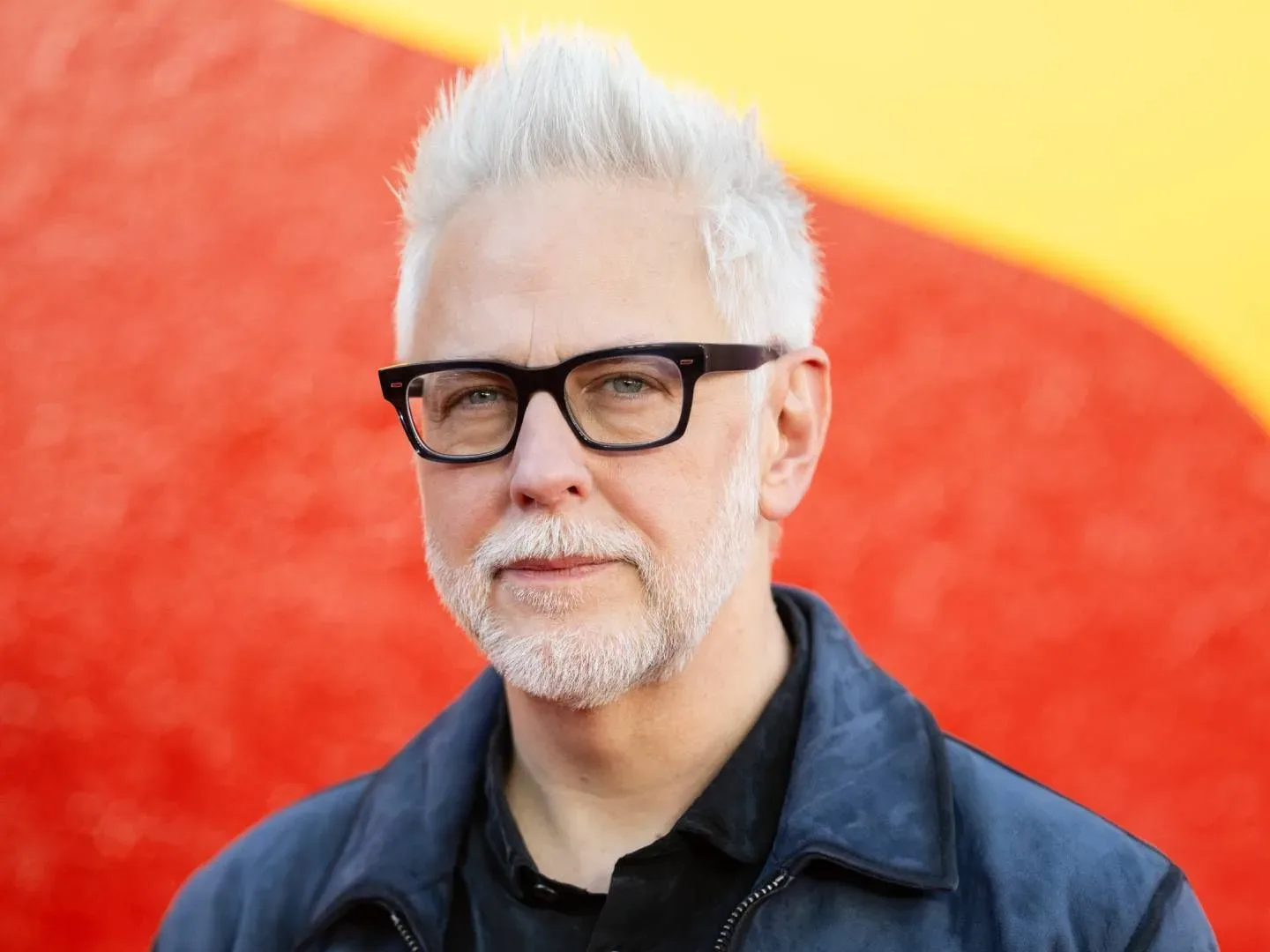
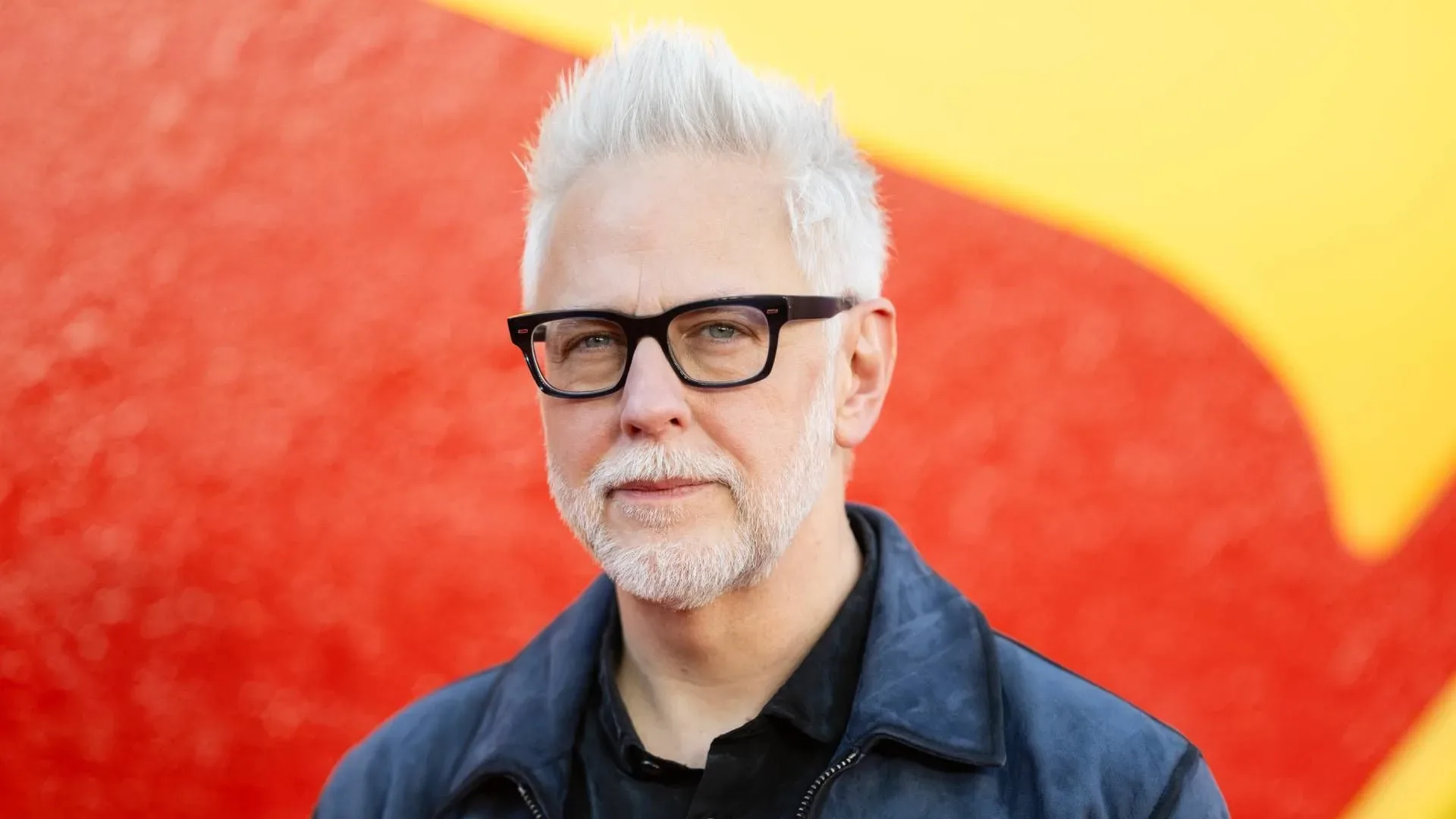
James Gunn and Peter Safran stepping away from DC Studios closes the first phase of the current DCU earlier than many viewers might have expected. Former Marvel executive Jeremy Latcham is set to replace them, but the shape of the next phase remains unconfirmed. That uncertainty is the immediate story. The more interesting one is what the departing regime leaves behind: a connected superhero slate that did not always feel connected in the tidy, brand-managed way audiences have been trained to expect.
It was inconsistent. Its release choices could be hard to parse. It has a Clayface film while a DCU Batman has yet to arrive, which is a wonderfully peculiar order of operations for a universe built from some of the most recognizable comic-book characters on the planet. Yet that apparent disorder also produced a major virtue. The DCU under Gunn and Safran was willing to let individual projects have their own textures.
That meant a family-facing Superman story could sit in the same larger umbrella as a grisly, schlocky horror film centered on Clayface. It meant Lanterns could turn vast Green Lantern mythology into a deliberately grounded investigative drama, built around two very different leads and extraterrestrial strangeness in small-town America. It meant Peacemaker could keep asking an emotionally bruised question beneath its jokes and violence: what does a person do after learning that the role they thought they had to play is destroying them?
Not every swing connected. Supergirl did not land as successfully, even if Milly Alcock’s central performance and Krypto gave it clear bright spots. But a franchise should not be judged solely by whether every installment is a hit. It should also be judged by whether a miss feels like the byproduct of trying to make something specific. On that count, the first DCU chapter had more character than a safer, flatter assembly line could offer.
A shared universe does not have to mean one genre
“Shared universe” is a business and storytelling term for films and series whose characters, events or settings coexist, allowing stories to cross over. In its least interesting form, it can become a mandate for uniformity: every project is asked to establish future installments, advertise another character, and preserve the same rhythm regardless of whether the story calls for comedy, horror, mystery or myth.
The DCU’s better work pushed against that tendency. Its projects remained recognizably superhero stories, but they did not all seem to have been built from the same tonal template. That distinction matters because DC’s characters can support wildly different approaches. Superman works when the story believes decency is dramatic rather than naïve. Batman can sustain crime fiction, gothic horror or action spectacle. Green Lantern can reach into cosmic science fiction. Clayface is almost asking to be treated as body horror.
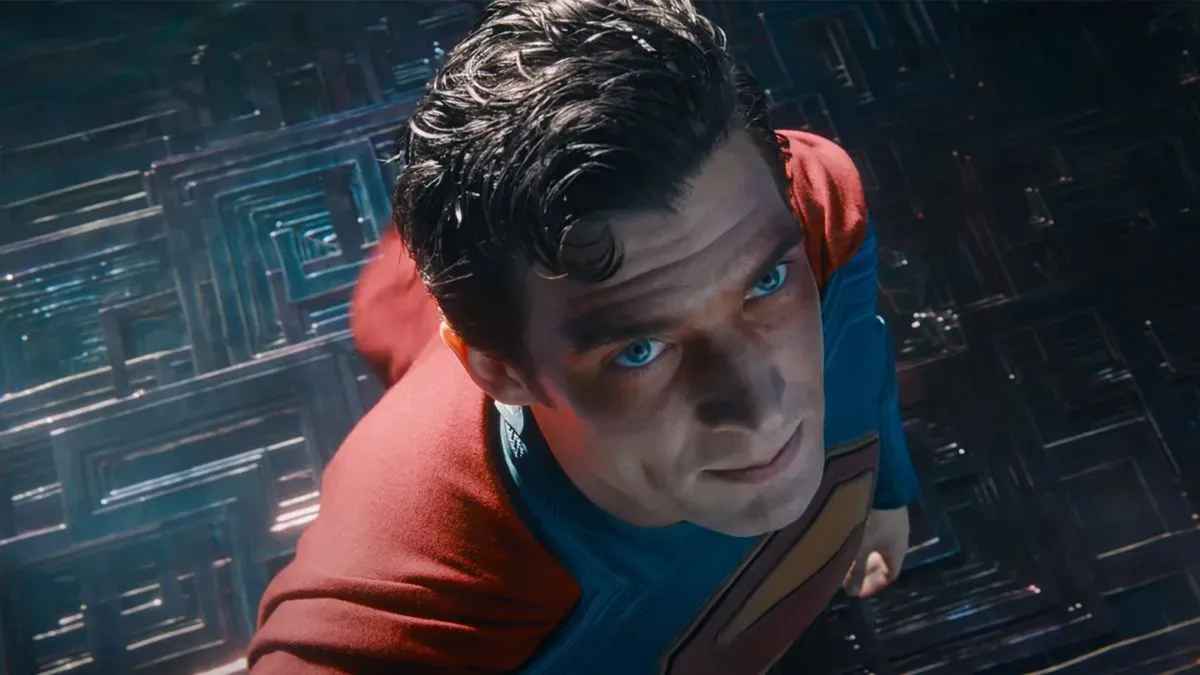
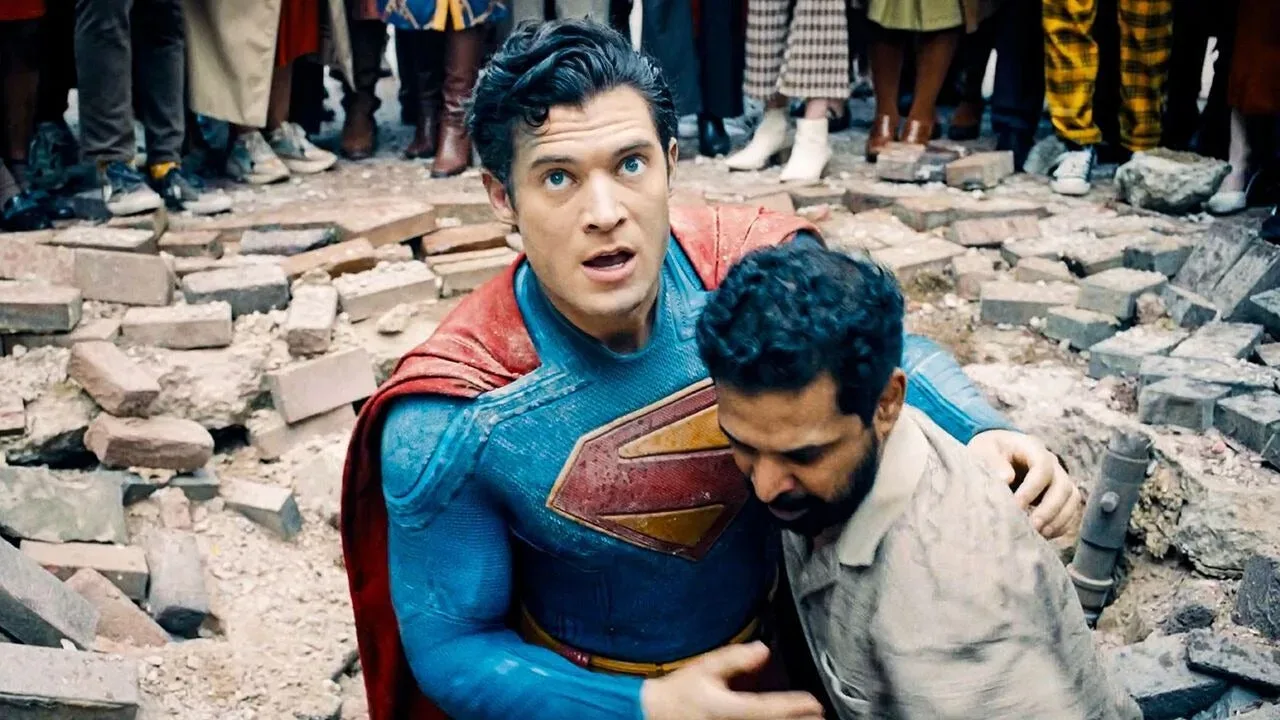
Superman was particularly important because the character is deceptively difficult to refresh. The film gave David Corenswet a version of Clark Kent defined by decency, humor and an ability to take punishment without surrendering those values. The supporting cast sharpened that approach: Rachel Brosnahan’s Lois Lane, Edi Gathegi’s Mister Terrific and Nicholas Hoult’s hostile, calculating Lex Luthor gave the hero a world worth interacting with rather than merely rescuing.
Its success was not simply that it made Superman likable. It established a tonal center for a universe that did not need every other story to imitate it. A strong shared-world anchor can give riskier work room to breathe. That is the useful model here: not sameness, but a recognizable foundation from which separate genres can depart.
Why Lanterns showed the promise of the approach
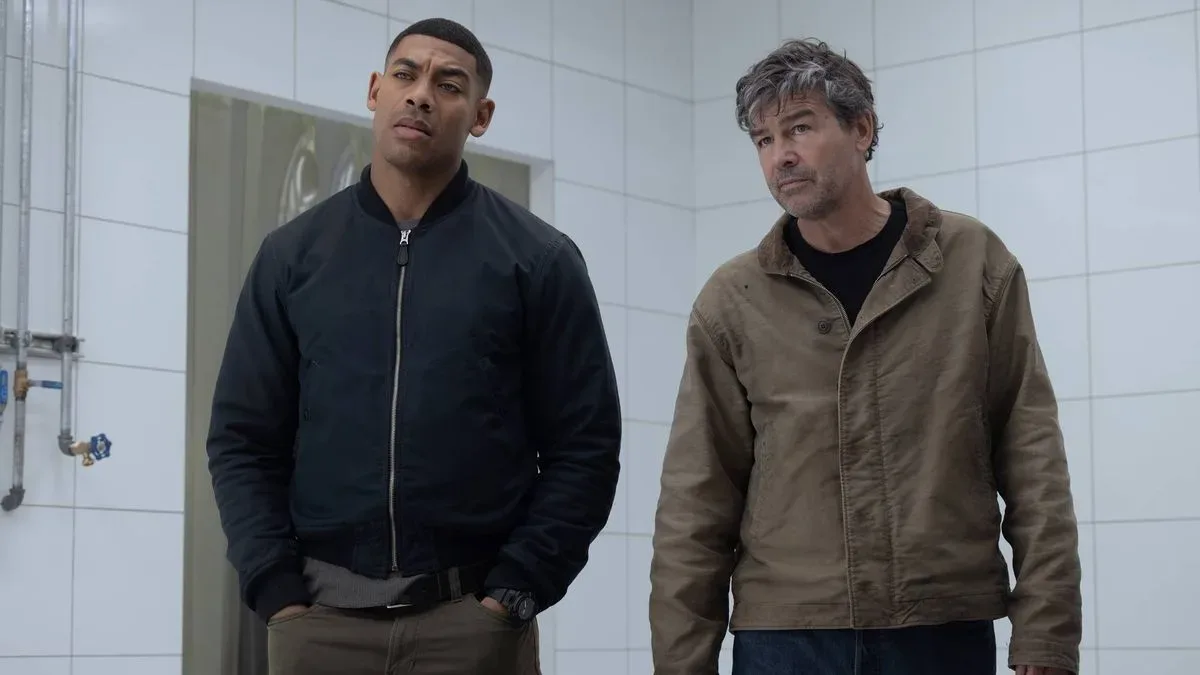
The Green Lantern material is often associated with huge space-opera possibilities, so the choice to frame Lanterns as a more grounded cop-show-style investigation was a meaningful gamble. “Grounded” in this context does not mean the absence of extraordinary concepts. The show still deals with extraterrestrial weirdness. Rather, it means the drama gives priority to recognizable human friction, procedural investigation and the consequences of events in a defined place.
That structure gave the series a clear engine. Kyle Chandler’s Hal Jordan is prickly and flawed; Aaron Pierre’s John Stewart is resolute and controlled. Their contrast provides a character dynamic that can carry an inquiry from clue to clue while the larger mythology stays in the background until it needs to emerge. For some viewers, compressing expansive cosmic material into this format may have felt restrictive. For others, it was proof that superhero television can borrow the strengths of another genre instead of just stretching a movie across multiple episodes.
The practical lesson for the next DC Studios leadership is straightforward: a coherent universe does not require every show to act like a long trailer for the next film. A television series should have a reason to be television. In Lanterns, the ongoing investigation and the evolving relationship between Hal and John provided that reason.
Creative variety does not absolve a studio of the need for clarity, though. It raises the need. Viewers can embrace horror next to comedy and mythology next to detective work if they understand what is connected, what is separate, and why each project exists. The first chapter’s most persistent weakness was not its breadth; it was the uncertainty around its road map.
Clayface and the case for controlled weirdness
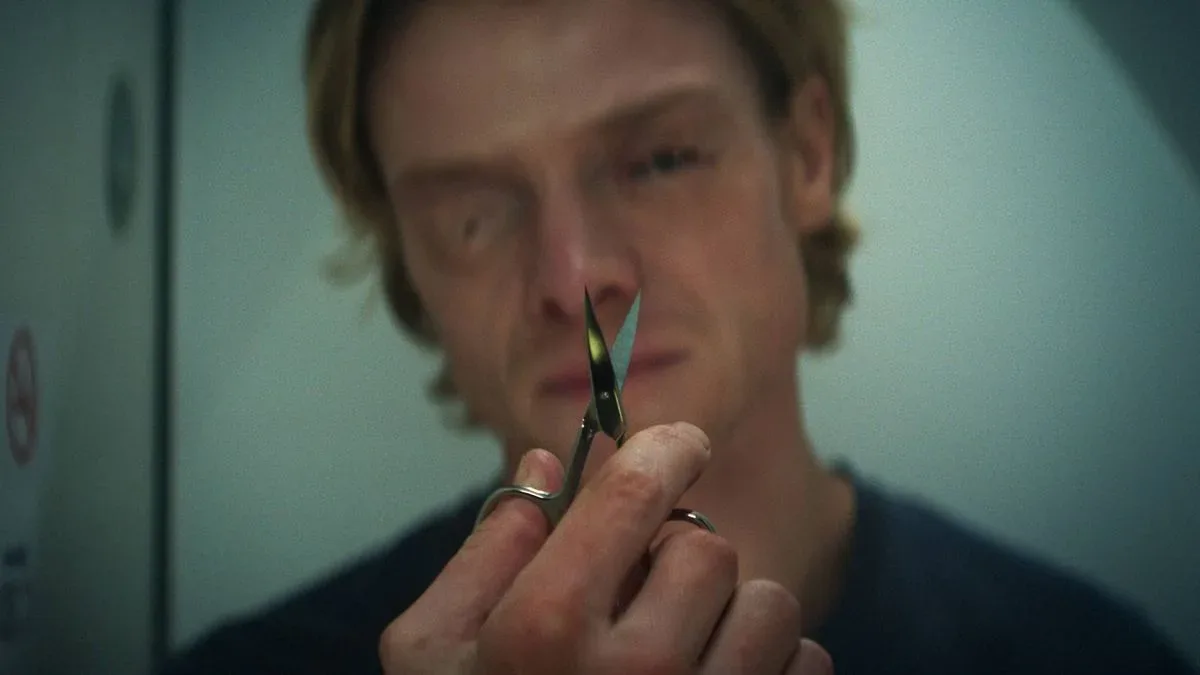
Clayface is the clearest symbol of the DCU’s contradiction. It is an enjoyably grotesque horror story with solid character work, but it is not the obvious pillar for a conventional mega-franchise. That should not be held against it. A cinematic universe is healthier when it has room for projects that serve an idea first and a corporate org chart second.
There is a difference between a lower-scale experiment and a random detour. The former can broaden the emotional and aesthetic range of a superhero setting. The latter lacks a point of view and merely consumes attention. Clayface, with its deliberately gloopy and gruesome sensibility, at least demonstrates a clear reason to exist. It uses the possibilities inherent in its title character instead of sanding them down to fit a generic superhero mold.
That is precisely the sort of permission future DC leadership should preserve, even if its broader focus becomes more concentrated on major characters. Batman, Wonder Woman, Aquaman and the Flash are obvious priorities for a company trying to build a durable mass-market slate. But a roster composed only of its safest names can become predictable quickly. Smaller, distinctly authored films can work as pressure valves: they allow creators to explore corners of the mythology that a tentpole cannot, while giving audiences something other than another required chapter.
The key word is controlled. Experimentation needs a clear budgetary and release strategy, a firm understanding of continuity, and an honest sense of what audience it is trying to reach. None of that requires turning every unusual character into a flagship. It simply requires deciding whether the story justifies the project.
That tension between authorship, management and workplace expectations is not unique to comic-book entertainment; it also runs through the broader discussion of screen production, including the importance of professionalism and safer film sets. A stable creative environment and distinctive creative work are not opposing goals. Big franchises need both if they want to keep talent and audiences invested over time.
The Batman problem is now the biggest test
The post-Gunn DCU has an unusually complicated Batman issue. Matt Reeves’ The Batman: Part II exists in a separate “Elseworlds” continuity. Elseworlds, in this case, means a story set outside the main DCU continuity rather than a chapter in the same shared narrative. The sequel was once expected in 2025 but, after major delays, is now eyeing February 2028.
Meanwhile, the status of The Brave and the Bold, planned as the DCU Batman film and previously set to be helmed by Gunn, is unclear. The original timing would have more cleanly separated the two approaches. With Reeves’ film now further away, introducing another live-action Batman while promoting a distinct Batman continuity becomes much more delicate.
This is not unsolvable, but it requires unusually plain communication. The public can understand that two versions of Batman coexist. Comic readers have navigated variations, relaunches and parallel continuities for decades. Confusion comes when a company assumes that labels alone do all the explanatory work. Latcham’s team will need to make the distinction legible in marketing and in the films themselves: which Batman belongs to which world, what viewers need to have seen, and whether either version affects the other.
The urgency is understandable. Batman is too central to DC to leave undefined indefinitely, particularly if a Justice League team-up remains part of the broader plan. Gunn was working on both Superman 3 and a Justice League project when he was removed from his studio role. But forcing a new Dark Knight into place simply to check off a franchise requirement would be the wrong response. The character needs a strong creative premise, not just a release date.
What Jeremy Latcham inherits
Latcham inherits recognizable pieces rather than a blank slate. Superman established a lead and supporting ensemble with momentum. Lanterns demonstrated that an unconventional TV format could work. Peacemaker, even with its second season not reaching the first season’s heights, still has John Cena delivering a mix of comedy and genuine hurt, with the character currently left on Salvation. Creature Commandos and Clayface show that DC’s strange end is worth visiting.
He also inherits unresolved questions. Which announced or developing projects remain active? How aggressively will the studio prioritize the marquee heroes? Will Gunn return in any capacity, perhaps for a third Superman film or the unnamed project he has referenced? Gunn’s comments about difficult circumstances behind the scenes did not rule out future collaboration, but no such involvement should be treated as settled.
The sensible reading is not that the entire DCU must be erased or relaunched again. A refocus is more plausible than another total reset, though the details have not been confirmed. Preserving what works while making the hierarchy of projects clearer would allow the studio to avoid treating every leadership change as a mandate to abandon the work that came before.
Chapter One was bumpy, occasionally baffling and sometimes less strategically legible than it needed to be. It was also alive in a way large franchises often are not. Its best projects understood that superhero material can be hopeful, frightening, absurd, bruised, cosmic and intimate without becoming one indistinct product. DC’s next chapter should keep that lesson, even as it brings much-needed clarity to Batman, Superman and the universe’s larger direction.