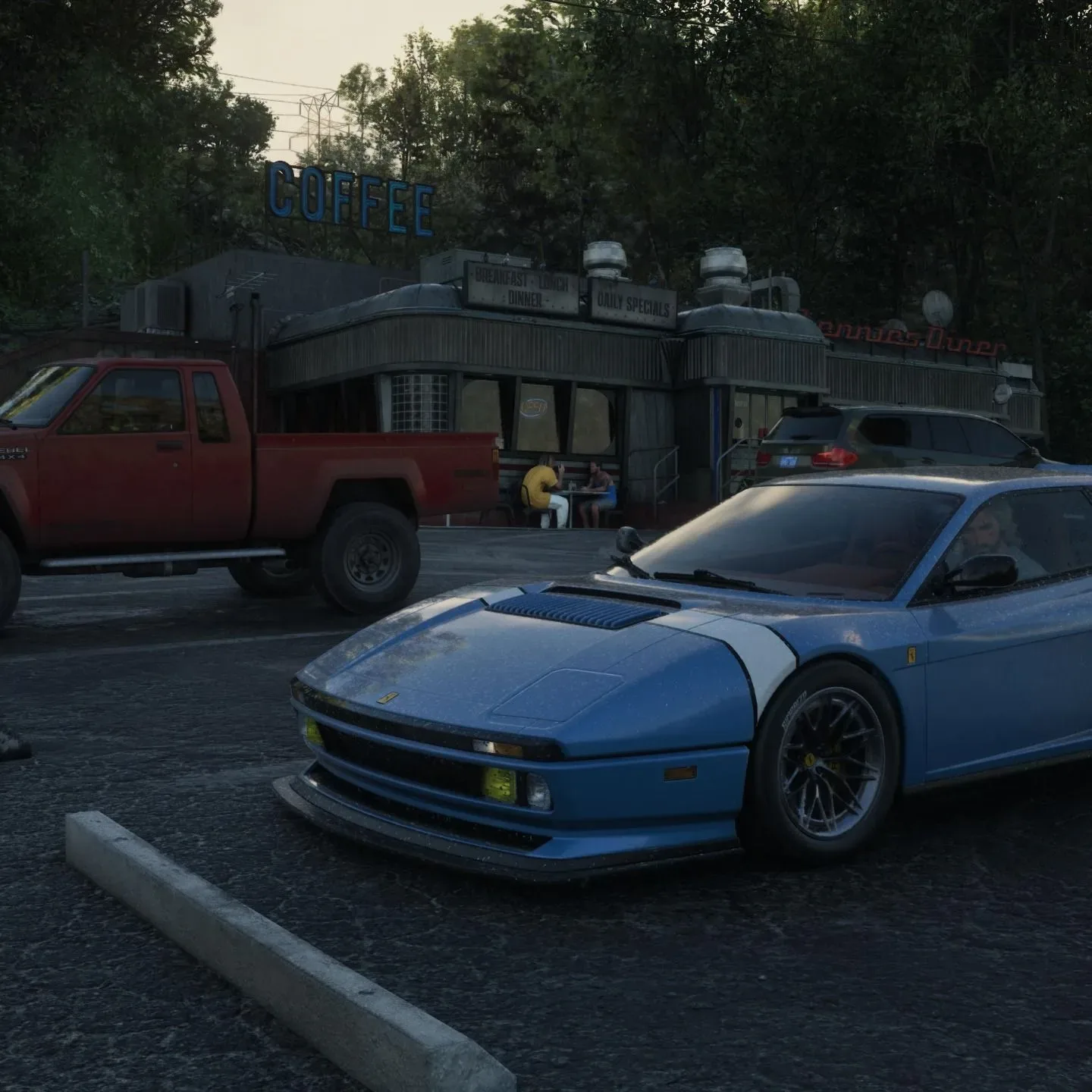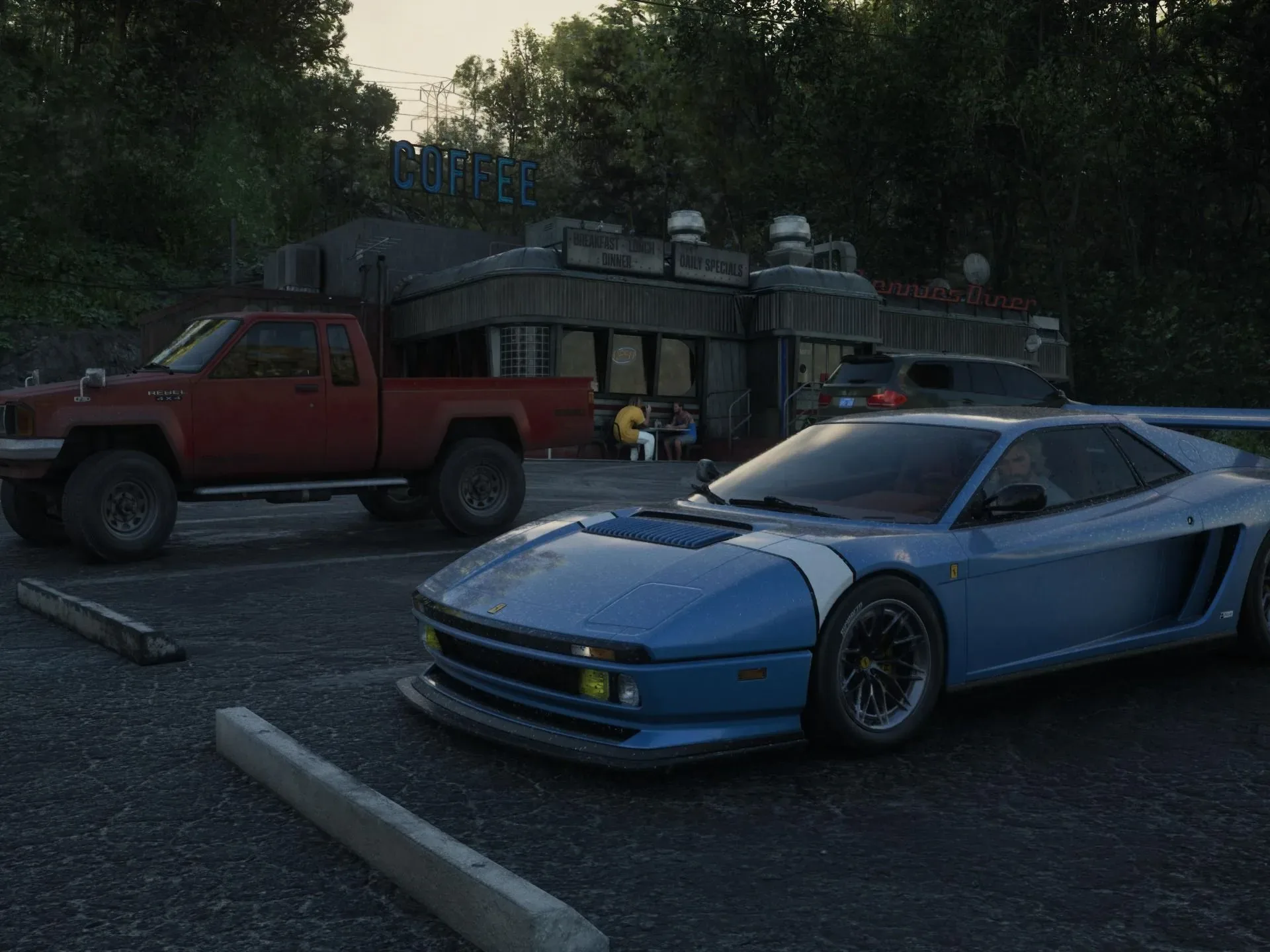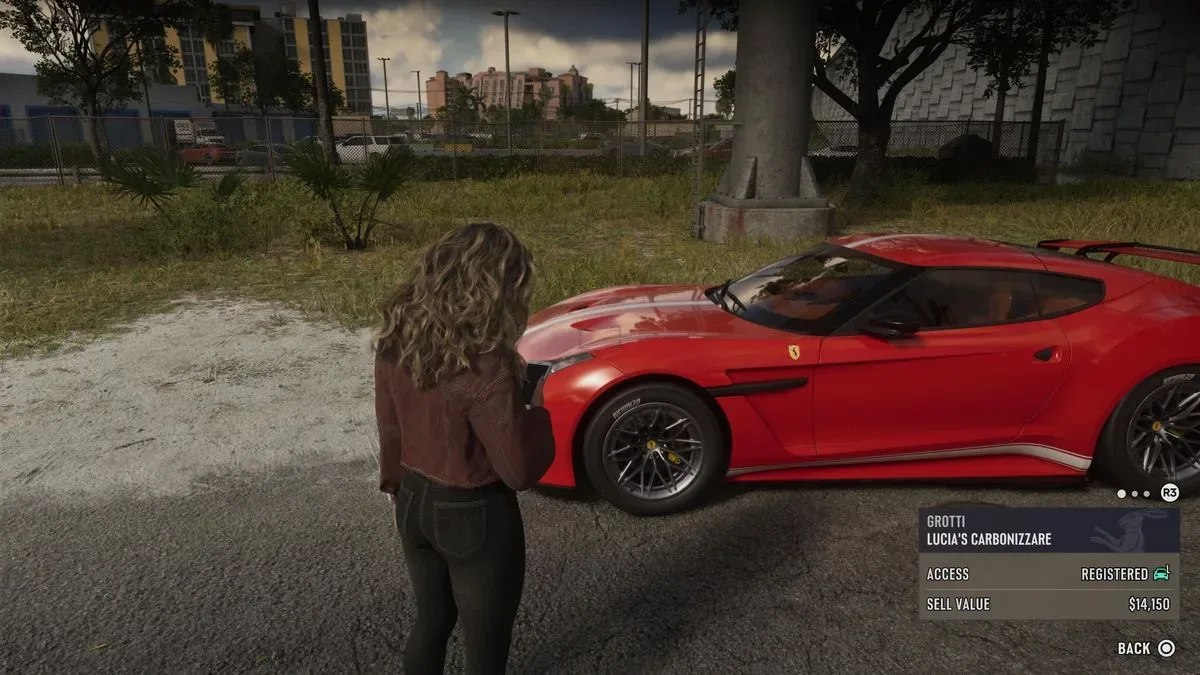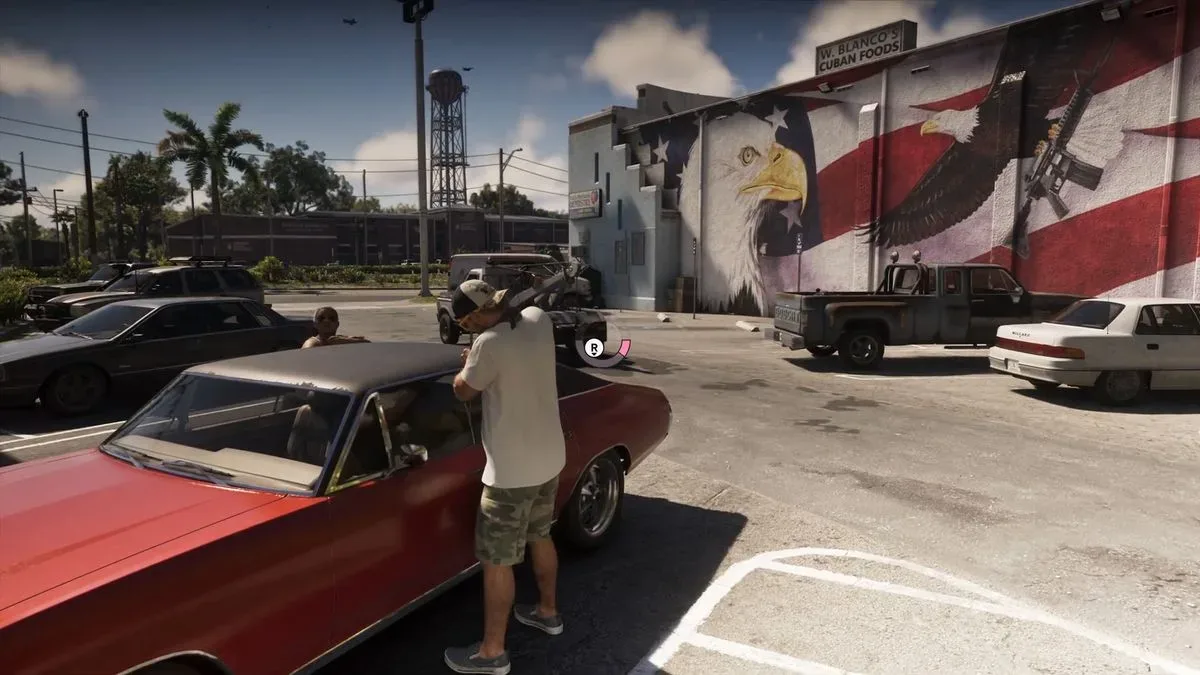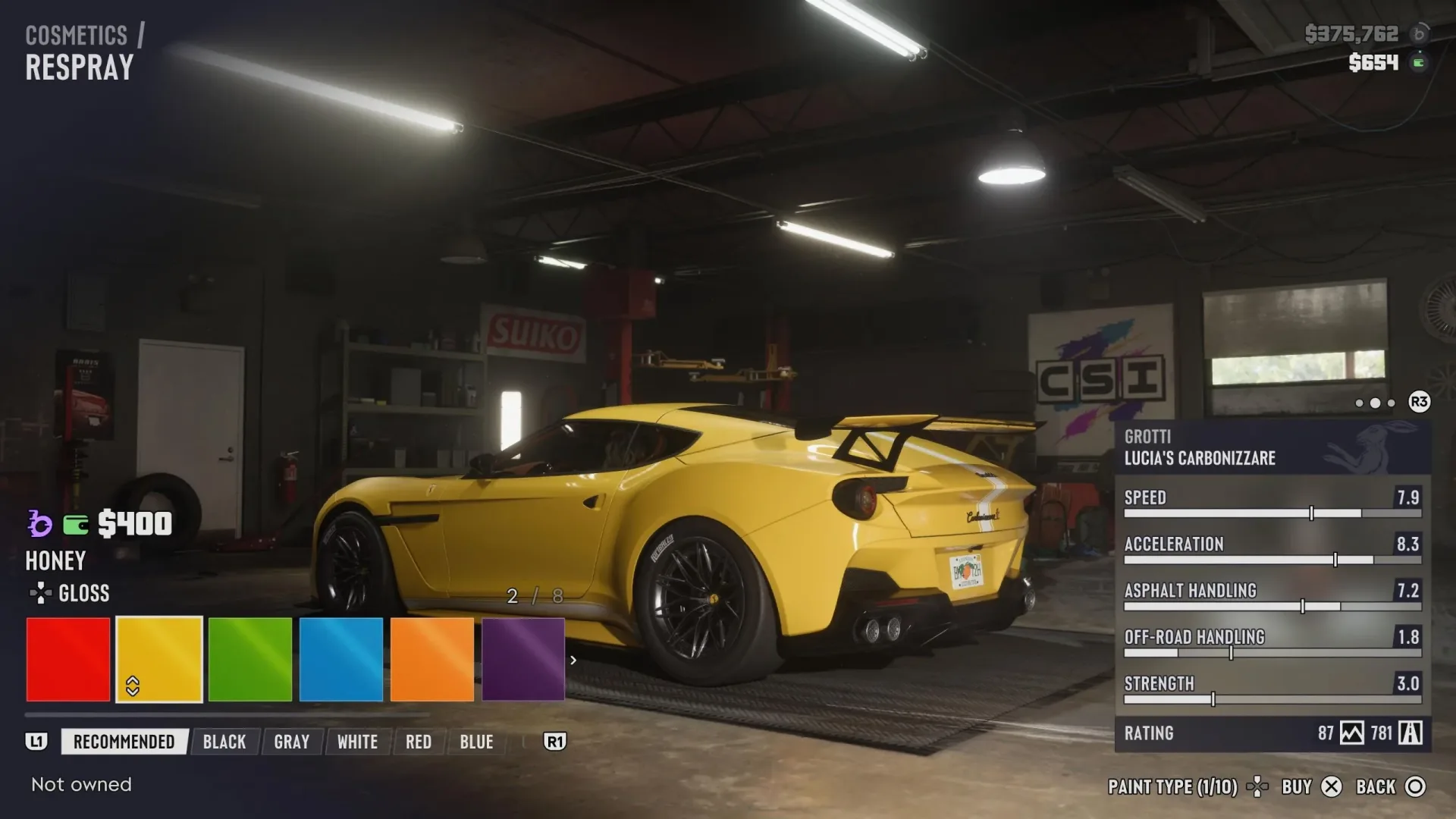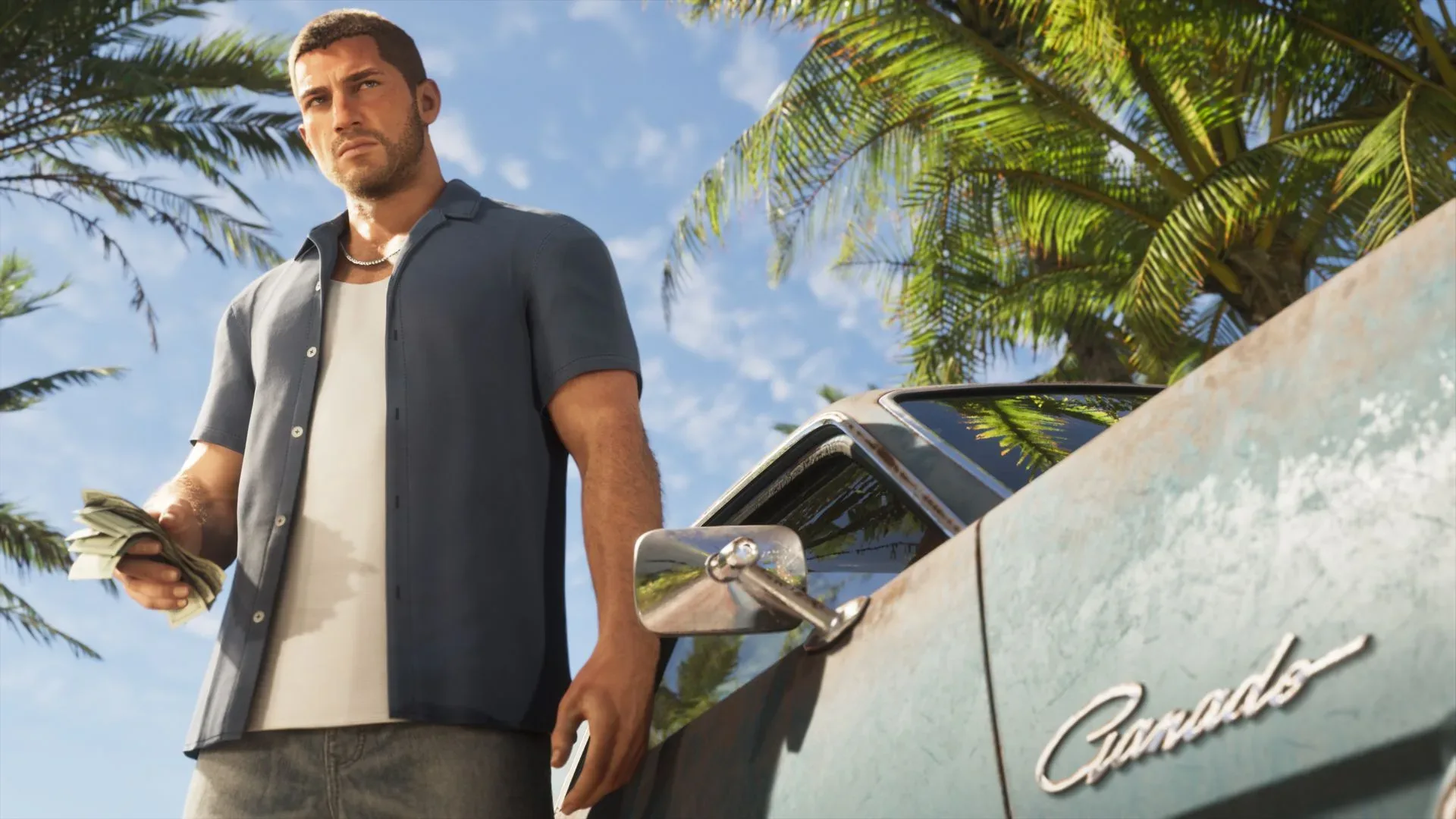
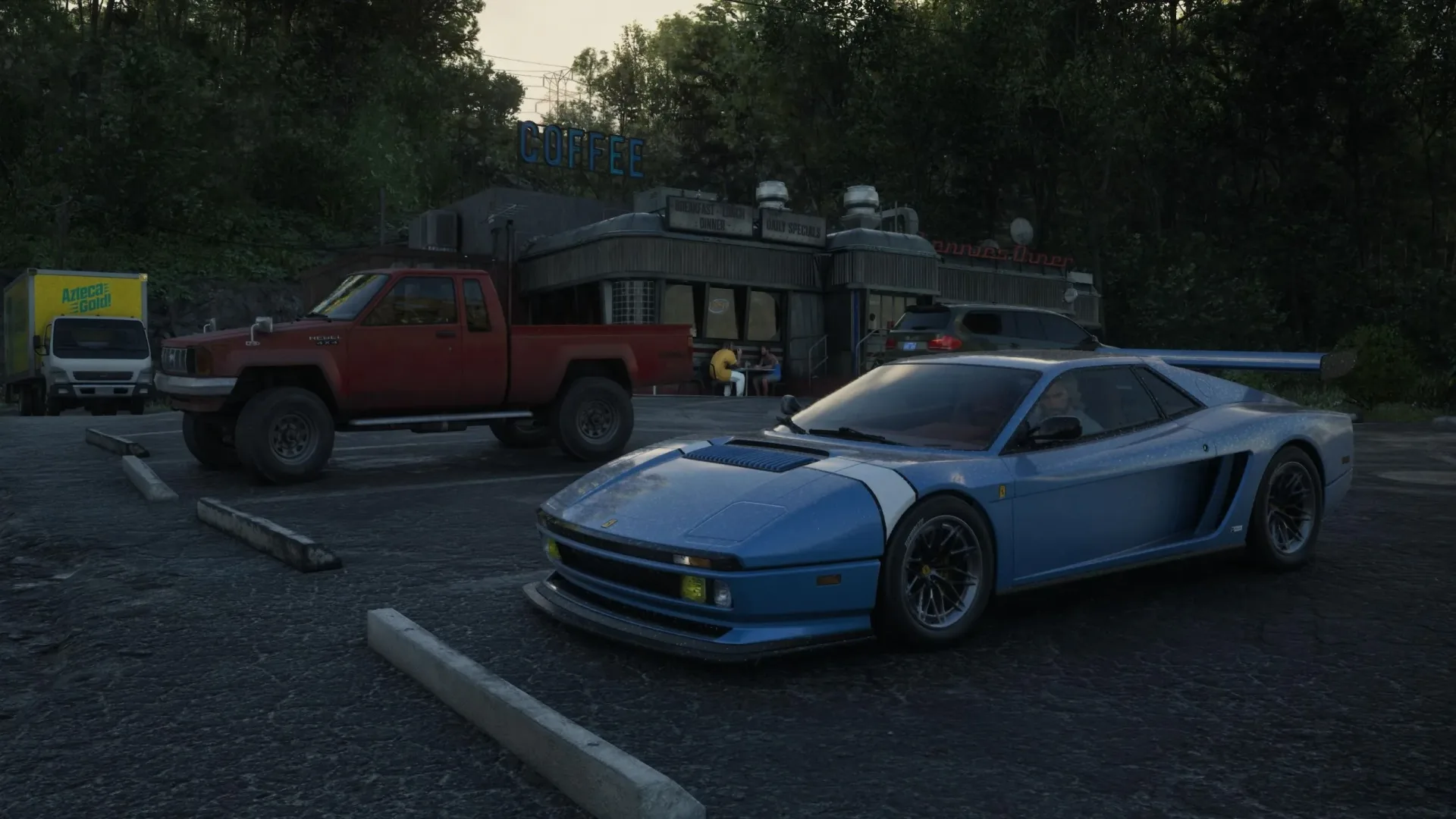
Leonida has more than 157 cars and 29 kinds of bikes to encounter, which makes a great deal of spontaneous transport available to Jason and Lucia. It also makes one distinction especially important: a vehicle you happen to be driving is not necessarily a vehicle you own.
In GTA 6, the durable answer to transport problems is the Personal Vehicle system. Registration turns an eligible unowned car or bike into a vehicle assigned to Jason or Lucia. That status matters because it makes the ride trackable and recoverable through the ScooterBros phone app when it is lost or destroyed. The practical downside is that registration, delivery and recovery all involve fees, while garage capacity limits how many owned rides can be kept.
This guide explains the difference between Personal and unowned vehicles, where to register a ride, how garages expand the collection, and why vehicle trunks deserve extra attention before a police escape.
What a Personal Vehicle is in GTA 6
A Personal Vehicle is a car or bike legally registered to one of the two protagonists. Jason can have a current Personal Vehicle, and Lucia can have one too. Registration is not free; its cost can vary with the make and model of the vehicle.
The key advantage is resilience. A registered ride is shown in the Personal portion of the GTA 6 Index on the map, making it much easier to locate than a random car left somewhere in the world. If that owned vehicle disappears or is wrecked, ScooterBros can recover it for a fee.
Personal Vehicles do more than get the player from one point to another. Their trunks act as a place to manage a loadout, store stash bags, hold hunting spoils and change outfits. Outfit changes can lower Appearance heat, meaning the vehicle can be part of managing attention from law enforcement rather than simply an escape tool.
Personal Vehicle features at a glance
- Ownership: the car or bike is registered to Jason or Lucia.
- Map tracking: its position is available through the Personal tab of the GTA 6 Index.
- Recovery: ScooterBros can retrieve a lost or destroyed registered vehicle for a charge.
- Trunk utility: the trunk supports inventory management, outfit changes and item storage.
- Garage support: further registered rides can be retained when there is garage space.
That combination changes the calculation around a vehicle worth keeping. A Personal Vehicle is an investment in recoverability and storage, not merely a preferred set of wheels.
How to register a car or bike
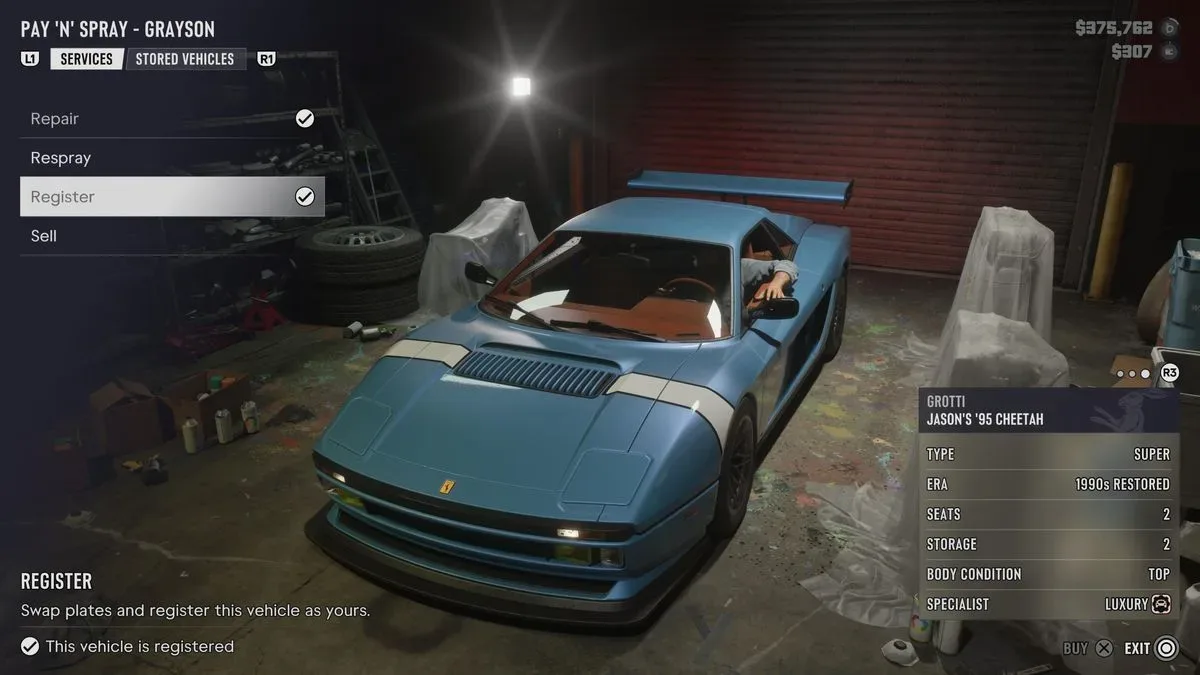
To make an unowned ride into a Personal Vehicle, drive it to a Pay ’n’ Spray location. Pay ’n’ Sprays are found through the Vehicles category in the map index. Once inside with the vehicle, the registration option and its cost become available.
Related coverage includes GTA 6 Personal Vehicles Guide: Registration, Garages, Recovery and Impounds.
Registration can also be handled through key contacts after the appropriate story mission has been unlocked. Some options are gated by story progress: standard and advanced trackers cannot be registered until the player has advanced far enough. In other words, finding an appealing car early does not guarantee access to every ownership-related system immediately.
Registration checklist
- Acquire the unowned car or bike you want to preserve.
- Open the map index and use the Vehicles section to find a Pay ’n’ Spray.
- Drive the vehicle into the business.
- Check the displayed registration fee.
- Register the ride if it is worth the cost and, for additional vehicles, if suitable garage space is available.
The decision is primarily about risk. If a vehicle is just temporary transportation, registration may be unnecessary. If it has become a favored ride, contains important trunk storage, or would be painful to lose after an accident, registration provides the recovery safety net that an unowned car lacks.
It is also worth separating registration from repair and heat management. A Pay ’n’ Spray has a role in vehicle ownership, while changing a car’s appearance and removing Vehicle Heat are related but distinct considerations. For the latter, see the GTA 6 respray guide.
How to own more than one vehicle
Each protagonist can have a Personal Vehicle, but that does not cap the total number of registered cars and bikes. New garages provide the storage needed to register more vehicles in Jason’s and Lucia’s names.
Garage ownership is therefore the foundation of a larger personal fleet. As long as there is room to store a new vehicle, it can be registered. This gives players a reason to think about vehicles as a collection of functional options rather than a series of disposable steals.
When a particular owned ride is needed, use the ScooterBros app to summon it. The service delivers the selected registered vehicle and sends the currently active owned vehicle back to storage, charging a fee for the transaction. It is a convenience system, but it means changing rides is not consequence-free. Choosing the right vehicle before setting out can avoid repeated paid swaps.
A sensible garage strategy
Because vehicle classes, prices and personal priorities vary, there is no single ideal garage lineup. The reliable approach is to reserve registration for rides that serve a purpose or would be hard to replace. Before adding a vehicle, consider whether it is likely to be summoned again, whether its trunk is being used for items, and whether the registration expense is justified by its recoverability.
Garages should not be viewed as a way to make every vehicle encountered permanent. They are the storage requirement that enables a roster of registered vehicles. If there is no space, the player cannot simply keep expanding the registered collection.
Unowned vehicles: useful, but much less secure
Provided the required equipment is available, many cars can be stolen and driven. An unowned vehicle can be convenient for a quick trip or an emergency change of transport, but its status has major limitations.
The last unowned vehicle left behind is marked under the Personal section of the map index, which can make it possible to retrace steps. That marker should not be mistaken for ownership. Unlike a Personal Vehicle, an unowned ride is not eligible for recovery if it is destroyed.
There are two ways to keep an unowned vehicle around without registering it. It can be left in an available parking space outside a safehouse, or it can be stored in a garage. These measures help preserve the vehicle, but they do not grant the full protections of registration.
Register, park or store?
- Register it when recovery through ScooterBros and clear ownership are worth paying for.
- Use safehouse parking when an available exterior space provides a convenient place to leave a vehicle.
- Use a garage when the objective is to keep a vehicle secure rather than abandon it in the world.
- Keep it temporary when the vehicle is only needed for the current journey and does not justify further spending.
The most consequential difference appears after a crash. An unowned vehicle that becomes undriveable is permanently lost, and anything stored in its trunk goes with it. That makes temporary rides a poor place for valuable stash bags or hunting rewards.
Destroyed vehicles and what happens to trunk items
Vehicle damage can eventually leave a car or bike undriveable if no repair option is found. The aftermath depends entirely on the ownership status.
When a registered Personal Vehicle is destroyed, ScooterBros can recover it for a fee. It remains an inconvenience and an expense, but not the permanent end of a vehicle that has been registered.
When an unowned vehicle is destroyed, it is gone permanently. More importantly, its trunk contents are also lost. Players using trunks to hold items should treat ownership as a protection decision. A trunk is practical storage, but it is not equally safe in every vehicle.
Before taking risks, check what is in the trunk
It is sensible to review a trunk before a chase, a dangerous detour or any plan that involves ditching a vehicle. Personal Vehicles can be restored after destruction, while unowned rides cannot. Yet even with a Personal Vehicle, an impound situation can complicate the fate of stored stash bags. Keeping track of what is being carried matters as much as keeping track of the car itself.
Impounds, Vehicle Heat and recovering your ride
Abandoning a vehicle can be an effective way to shed Vehicle Heat and improve the odds of escaping a Wanted Level. The trade-off is that police may impound the vehicle. Impounding can also occur when the player is Wasted or Busted while driving a Personal Vehicle.
ScooterBros can recover an impounded vehicle for a substantial fee. This is the fastest route back to the ride, but it carries a potential cost beyond money: stash bags hidden in the trunk may be lost.
Players who want the best chance of recovering their property can consult the Personal tab in the map index to find the impound location. From there, it is possible to attempt to steal the vehicle back. Nearby police cars are also worth checking if officers have already removed the trunk contents; they may hold the recovered loot.
Impound response plan
- Open the GTA 6 Index and go to the Personal section to identify where the vehicle is being held.
- Decide whether the speed of paid ScooterBros recovery outweighs the possible loss of hidden stash bags.
- If protecting stored items is the priority, go to the impound location and try to reclaim the vehicle directly.
- Inspect nearby police cars in case loot has been taken out of the trunk.
The essential lesson is that dumping a vehicle is not always a clean reset. It can lower Vehicle Heat, but it turns a chase decision into an ownership and inventory problem. Registered vehicles are recoverable, whereas unowned ones carry far greater permanent risk, and trunk contents may require their own recovery effort after an impound.
Key terms explained
- Personal Vehicle: a car or bike registered to Jason or Lucia, with map tracking and ScooterBros recovery access.
- Unowned vehicle: a vehicle that has not been registered. It may be parked or garaged, but cannot be recovered after destruction.
- ScooterBros: the phone-app service used to summon registered vehicles, send an owned vehicle back to storage, and recover lost, destroyed or impounded Personal Vehicles for fees.
- Vehicle Heat: attention attached to a vehicle while dealing with a Wanted Level. Ditching the vehicle can clear it, at the risk of impoundment.
- Appearance heat: attention tied to the character’s look, which can be lowered by changing outfits from a Personal Vehicle’s trunk.
- Wasted or Busted: states that can result in a Personal Vehicle being impounded if they happen while the player is driving it.
For everyday use, register rides that genuinely matter, buy garage capacity before trying to build a broad stable, and do not use an unowned vehicle as long-term storage for anything you cannot afford to lose. In Leonida, the difference between “the car you are in” and “your car” has real consequences.