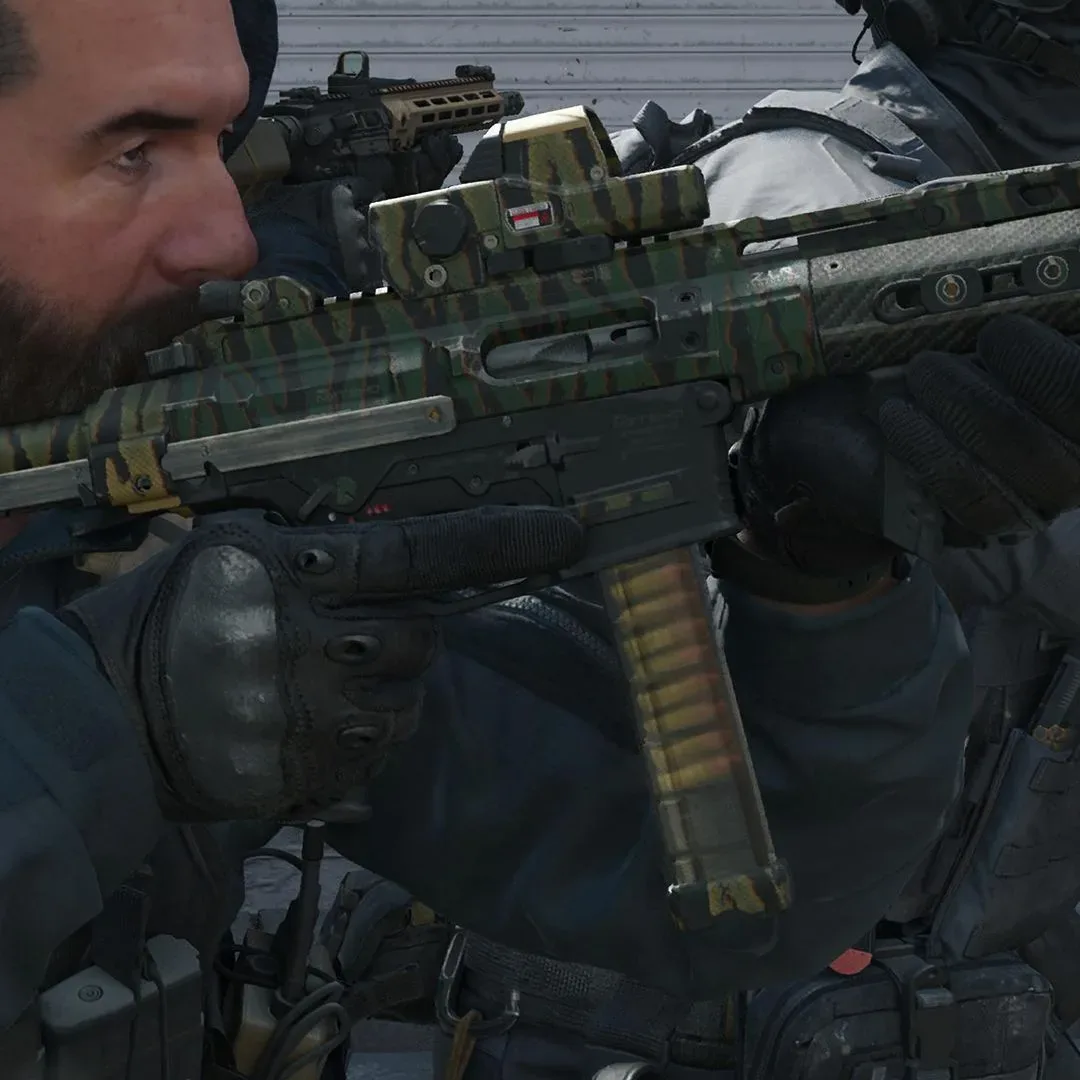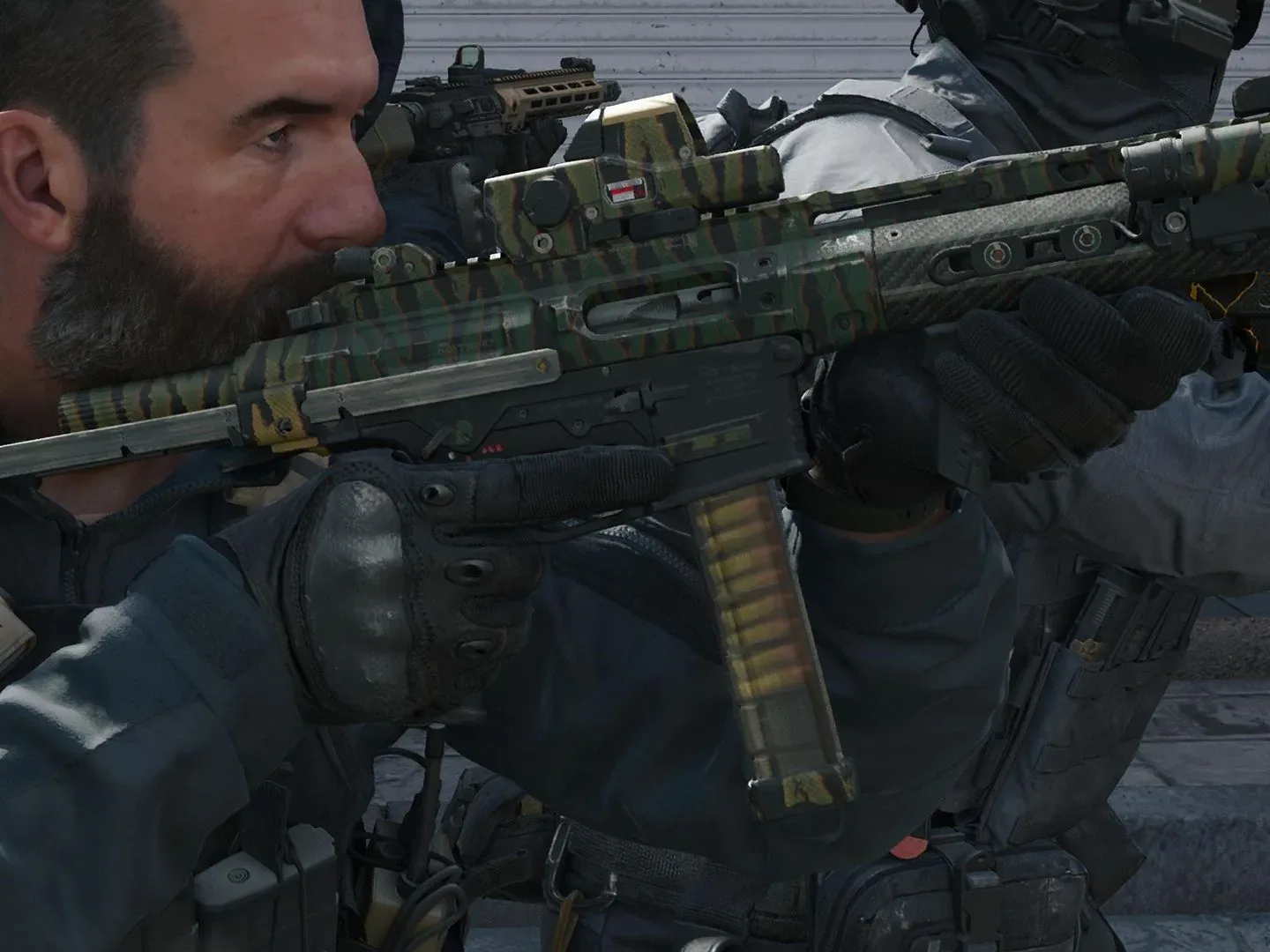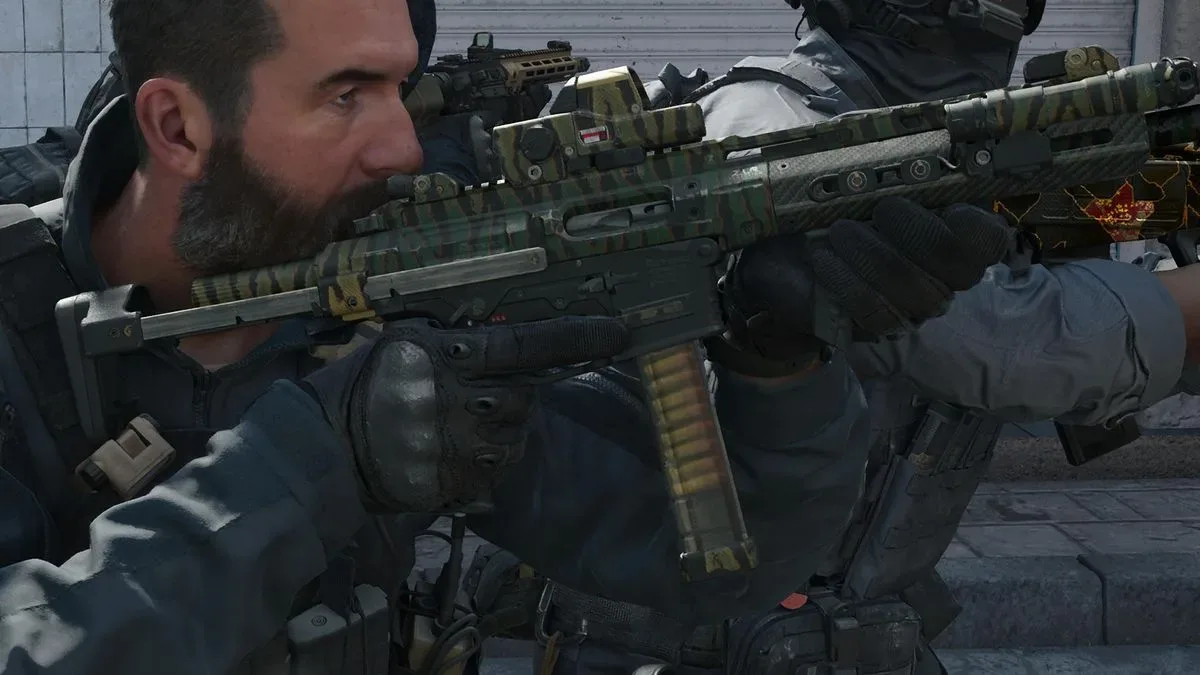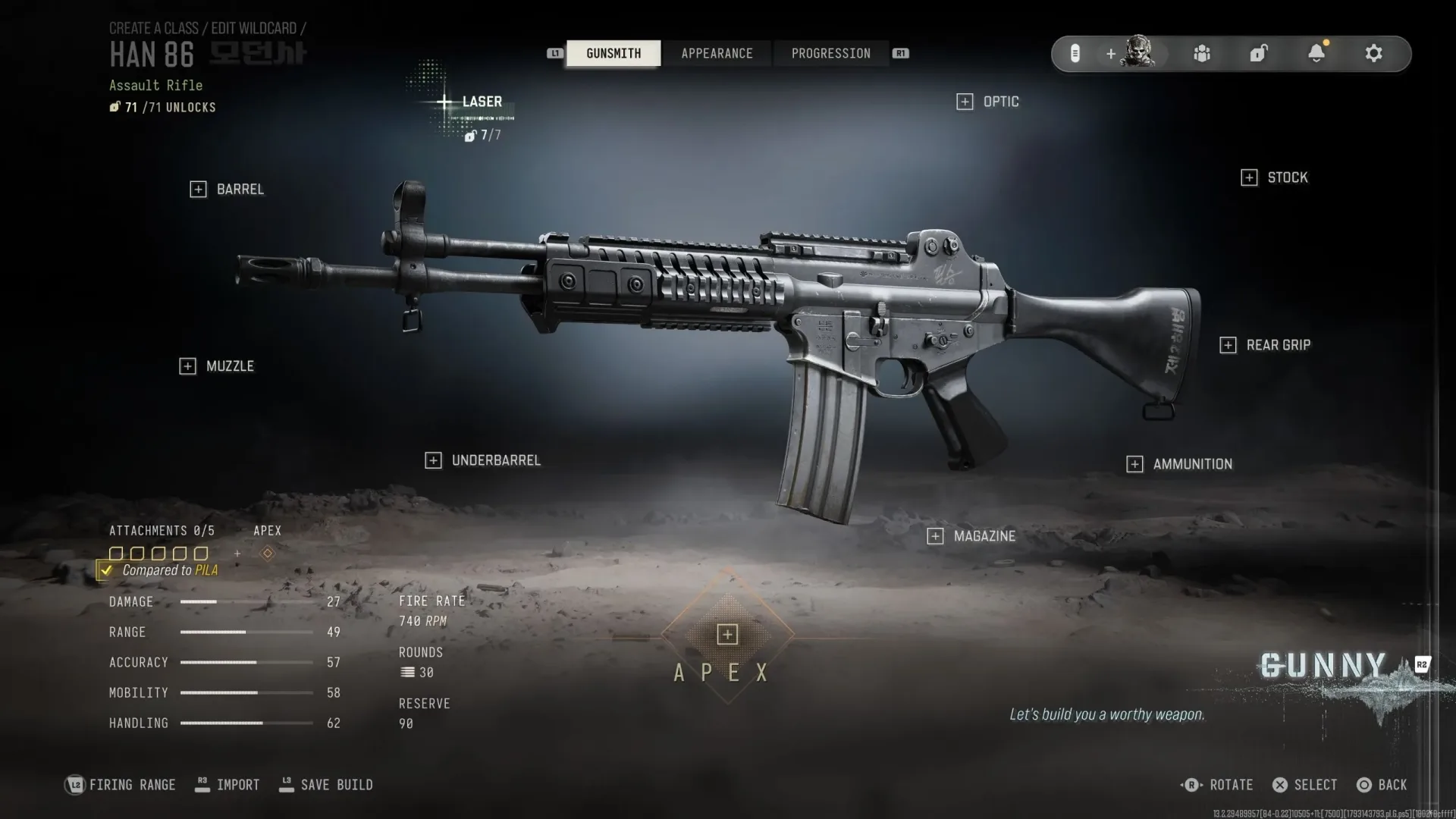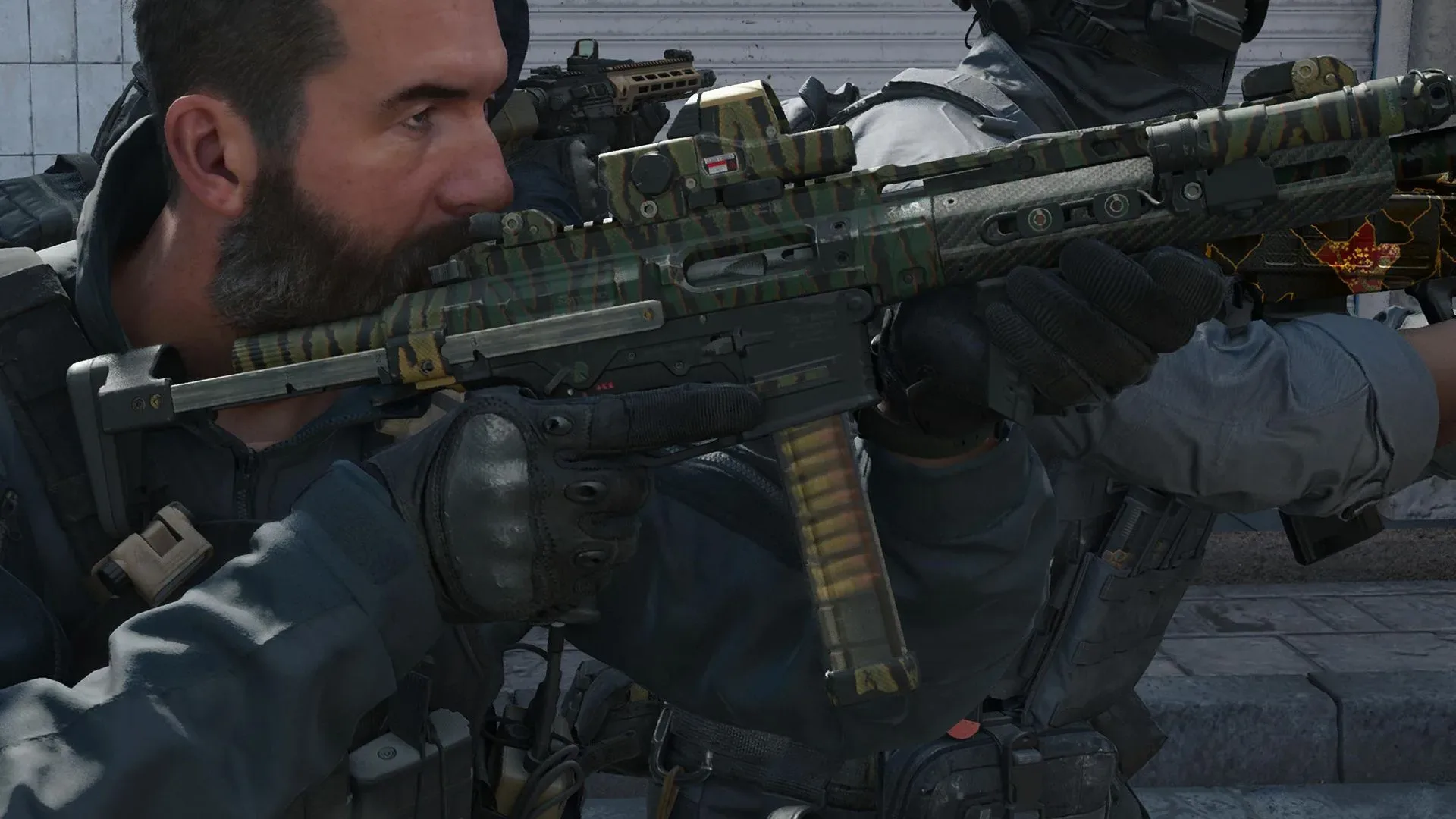
The ISO Nightshade can be configured for two very different jobs in MW4: a steadier all-purpose weapon intended for DMZ and wider-ranging encounters, or an aggressive close-quarters option built to get on target quickly in multiplayer. The right choice depends less on a universal “best” setup than on the distances, pacing and margins for error a player expects in a match.
That distinction matters because the Nightshade’s central drawback is its damage output. A build that emphasizes control, aiming speed and the ability to place shots accurately can help offset that weakness, but attachment choices still involve trade-offs. The long-barrel configuration accepts a hit to aim-down-sights speed in exchange for better damage, while the mobility setup leans into the risk of short-range run-and-gun engagements.
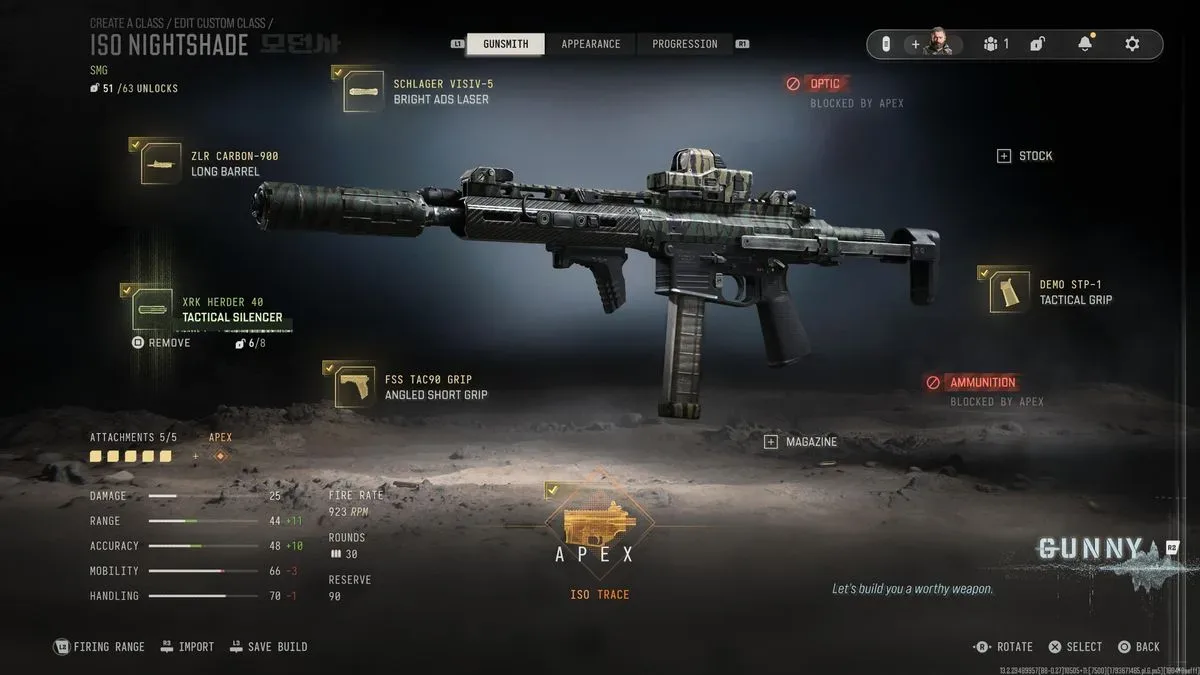
Best versatile ISO Nightshade build for DMZ
- Barrel: ZLR Carbon-900 Long Barrel
- Muzzle: XRK Herder 40 Tactical Silencer
- Laser: Schlager Visiv-5 Bright ADS Laser
- Underbarrel: FSS TAC90 Angled Short Grip
- Rear Grip: Demo STP-1 Tactical Grip
This is the better starting point for players who need the ISO Nightshade to cover varied encounters rather than specialize exclusively in very tight spaces. Its aim is a practical balance between damage and control, with multiple attachments directed toward quicker, more manageable aiming.
The defining piece is the ZLR Carbon-900 Long Barrel. It improves damage output, directly addressing the Nightshade’s major limitation. That benefit comes at the cost of ADS performance, meaning the weapon will not feel as immediate when brought up from a sprint or surprise encounter. In a broader DMZ-style environment, however, the damage gain is the compromise that makes the rest of the loadout worthwhile.
For more context, explore Phantom Blade Zero Mandate Encampment Key: Where to Find the Outer Gate Key.
ADS, short for aim down sights, refers to the act and speed of raising a weapon to its aimed firing view. It is especially important on a weapon that benefits from landing precise shots first. The rest of this build attempts to preserve that responsiveness while keeping the gun controlled: the FSS TAC90 Angled Short Grip and Demo STP-1 Tactical Grip are both used for ADS and control, while the Schlager Visiv-5 Bright ADS Laser is included for the same aim-focused role.
The XRK Herder 40 Tactical Silencer completes the five-attachment setup. With a long barrel, tactical silencer, laser, underbarrel and rear grip all working alongside each other, the build is not framed as a pure speed loadout. It is intended to make the Nightshade more dependable across mixed circumstances, where a player may need control and damage rather than maximum sprint-to-fire urgency.
How to use the versatile build
Use this configuration when the goal is consistency. The Nightshade is described as a weapon that benefits from strong ADS and accurate head placement, so it rewards players who can get aimed shots onto an opponent rather than rely on raw damage alone. The long barrel makes that approach more forgiving by improving output, while the grips and laser support the act of getting on target.
Its practical limitation is equally clear: it makes a concession on fast aiming. Players who expect every fight to begin at point-blank range or immediately after sprinting may prefer the alternate setup below. This version is for a weapon that sits between several needs—damage, control and responsive aiming—rather than dominating a single one.
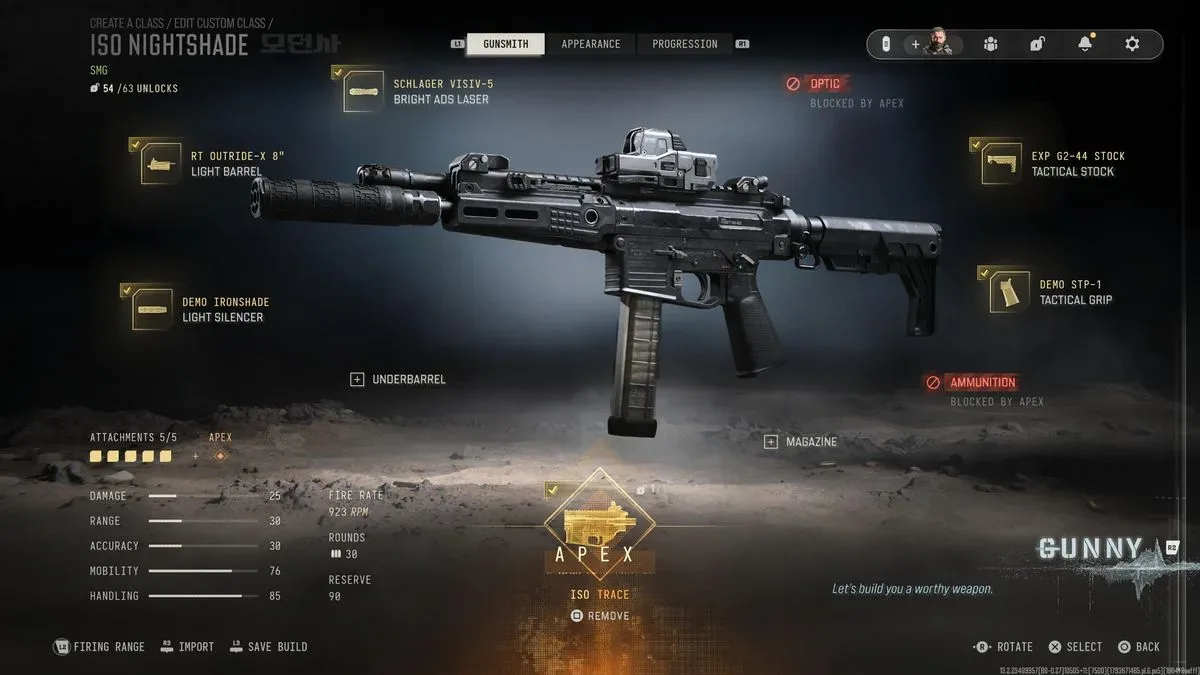
Best ISO Nightshade mobility build for multiplayer
- Barrel: RT Outride-X 8" Light Barrel
- Muzzle: Demo Ironshade Light Silencer
- Laser: Schlager Visiv-5 Bright ADS Laser
- Stock: EXP G2-44 Tactical Stock
- Rear Grip: Demo STP-1 Tactical Grip
The mobility loadout takes the opposite route. It is designed for short-range multiplayer fights, frequent sprinting and rapid draws. Instead of trying to make the Nightshade a more rounded option for broad encounters, it prioritizes the chance to aim and fire first when an enemy suddenly appears nearby.
The RT Outride-X 8" Light Barrel is central to that goal. Alongside the Schlager Visiv-5 Bright ADS Laser and the rest of the attachment selection, it is intended to help the player bring the gun up quickly after moving. The EXP G2-44 Tactical Stock replaces the versatile build’s underbarrel attachment, while the Demo STP-1 Tactical Grip returns as an ADS-oriented constant between both configurations.
This is the ISO Nightshade version for relentless forward momentum: sprint, acquire the target, fire, then keep moving. That play pattern carries more danger than the flexible DMZ build. A player must be comfortable committing to close engagements and maintaining a high pace, because the loadout is built around winning the opening moment rather than covering every possible distance.
Understanding the high-risk, high-reward approach
“High risk, high reward” here is not a claim that the build removes the Nightshade’s weaknesses. It means the player is deliberately concentrating its strengths around one narrow situation: very short-range fights in which fast ADS and mobility can decide who fires first. If that opening advantage is achieved, the setup can be effective. If an opponent forces a less favorable engagement, the specialization becomes a liability.
The key requirement is discipline in selecting fights. This build is best suited to players who already favor a run-and-gun style and can sustain it, rather than those looking for a universal answer to every multiplayer map and encounter. Its strength is speed of response, not broad versatility.
Which ISO Nightshade loadout should you pick?
Choose the versatile build if DMZ or mixed-distance engagements are the priority. The ZLR Carbon-900 Long Barrel’s damage benefit is valuable on a weapon whose damage is its main concern, and the remaining attachment choices are arranged to retain useful control and ADS capability. It is the safer choice for players who do not want to commit their Nightshade entirely to close-range rushing.
Choose the mobility build for small multiplayer maps and a fast, aggressive approach. The light barrel, ADS laser, tactical stock and rear grip all point toward quick target acquisition from movement. It can be potent in the hands of someone who consistently pushes close fights, but it asks that player to accept a much narrower operating range.
There is one shared takeaway from both builds: the Schlager Visiv-5 Bright ADS Laser and Demo STP-1 Tactical Grip appear in each. That overlap underlines the Nightshade’s need for responsive aiming. Whether the aim is a controlled all-round setup or a rapid multiplayer draw, improving the ability to get aimed shots away is the common foundation.
ISO Nightshade attachment logic at a glance
- Long Barrel: The damage-focused choice for the versatile build, traded against ADS speed.
- Light Barrel: The mobility-focused choice for quick close-range action.
- ADS Laser: A recurring aim-speed-focused component in both builds.
- Angled Short Grip: Part of the versatile configuration’s effort to support ADS and control.
- Tactical Stock: Used in the mobility configuration rather than the versatile build’s underbarrel.
- Tactical Grip: A shared rear-grip selection supporting the Nightshade’s aim-oriented approach.
The most effective choice is therefore situational rather than absolute. If a match asks for a controlled weapon that can handle broad encounters, build around the long barrel and the versatile supporting attachments. If the match is dominated by short lanes, constant sprinting and sudden face-to-face duels, the light-barrel mobility setup is the more focused answer. In both cases, the ISO Nightshade works best when its user understands the same basic assignment: aim quickly, establish the first accurate shots and avoid asking the weapon to solve every problem through damage alone.