Wu-Tang Clan’s Once Upon a Time in Shaolin was designed to be an argument as much as an album: recorded music, in its creators’ view, did not have to be inexpensive, instantly replicable, and everywhere at once. The result was a 31-track work presented as a single physical copy in a silver box. But the project’s rare-object premise became inseparable from the person who bought it—Martin Shkreli—and from the controversy that followed.
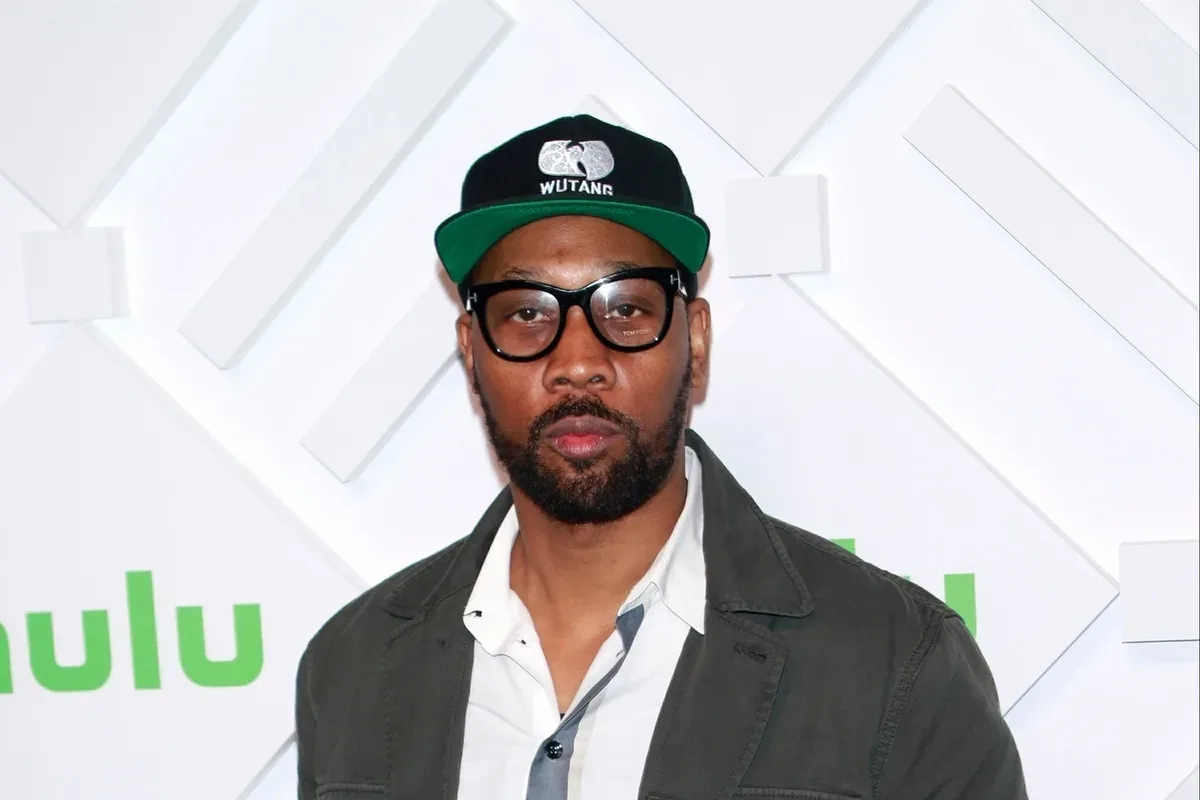
RZA has now reflected on the difficult period after Shkreli’s 2015 purchase, saying he wanted to get out of the deal after the buyer’s drug-pricing scandal created a major public backlash. A signed contract, RZA said, prevented that exit. His remarks arrive as The Disciple: A Wu-Tang Fable, a film centered on the album’s origins and the path of collaborator Cilvaringz, reaches streaming.
The situation is a reminder that a collectible is not merely an object. Its provenance—the documented history of who owned it and how it changed hands—can become part of its meaning. In this case, the music, presentation, legal history, group dynamics, and public reaction are all difficult to separate.
A one-copy album built to challenge music’s usual economics
Once Upon a Time in Shaolin was conceived as a work with only one physical edition rather than a conventional wide-release album. That scarcity was not incidental packaging. It was central to the idea. The single album was housed in a silver box, putting its format closer to a singular art object than the standard music product built around mass copying and broad distribution.
Shkreli purchased the album for a reported $2 million in 2015. The sale immediately made the record a high-profile example of a unique cultural item being privately owned. A one-of-one object can provoke fascination because it establishes absolute scarcity: there is no second copy for another collector to acquire. Yet that same condition can also make access highly dependent on the owner’s choices.
That tension is particularly sharp with music. A painting or sculpture is generally experienced by being physically present with it. A recorded album is ordinarily made to be heard repeatedly by many people. Turning an album into a one-copy object challenges that expectation. It asks whether sound recordings can be treated as singular art while also raising an unavoidable practical question: who gets to hear the art, and under what terms?
The documentary frames the project through Cilvaringz, born Tarik Azzougarh, a Dutch-Moroccan rapper whose relationship with RZA helped lead to the record. Director Joanna Natasegara has described the album as a challenge to the way the music business assigns value to art, particularly art made by artists of color. The central idea, then, was not simply to manufacture rarity. It was to question why recorded work can be widely consumed while its perceived financial value is often diminished by its ease of duplication.
Why the buyer changed the story around the album
RZA’s recollection makes clear that the sale did not remain an abstract experiment about art and ownership. Shkreli’s public notoriety became attached to the album after his drug-pricing scandal. RZA said he panicked and attempted to escape the agreement, only to find that the signed contract stood in the way.
Related coverage includes RZA Revisits Wu-Tang’s Complicated Martin Shkreli Album Deal.
“Yes, to be honest. Yes. You got to accept that,” RZA said when asked whether Shkreli’s role was now part of the Wu-Tang story.
That answer is not an endorsement of the association. It is an acknowledgement that an object’s history cannot always be edited cleanly after the transaction is finished. Once an item changes hands, its creators may retain the importance of authorship, but control over the item itself can be limited by the terms they agreed to. RZA has also described the album as something that has become an entity in its own right and said it should be allowed to live rather than remain subject to his control.
For collectors, the case illustrates the difference between owning a rare artifact and controlling its cultural interpretation. Ownership can determine custody, but it cannot dictate how the public remembers an item. The album’s association with Shkreli became a defining part of its public identity precisely because the buyer was so controversial.
It also underscores why agreements matter long after the excitement of a landmark sale. A signed contract is not just a record of payment and delivery. It can establish rights and restrictions that become decisive when reputational concerns, publicity, or unforeseen events arise. The available account does not detail the album contract’s terms, so it would be wrong to speculate about its specific provisions. Still, RZA’s account establishes the key point: he believed the agreement stopped the group from simply reversing the sale.
The separate legal case that moved the album again
The album’s later transfer was tied to a federal fraud case, which should be kept distinct from the drug-pricing controversy RZA referenced. A Brooklyn jury convicted Shkreli in August 2017 on two securities-fraud counts and one conspiracy count. The case involved cheating investors and manipulating a drug company’s stock. He was sentenced to seven years in prison.
As part of efforts to satisfy a roughly $7.4 million judgment, Shkreli had to surrender the Wu-Tang album. Prosecutors announced on July 27, 2021, that it had been sold and that the proceeds cleared the debt. This was a court-linked disposition of a high-value asset, not an ordinary collector-to-collector sale. The record’s journey therefore moved from an artistic experiment, to a reported multimillion-dollar private purchase, to an asset used in resolving a financial judgment.
That history gives the physical album an unusually layered provenance. In collecting terms, provenance often helps establish an item’s chain of ownership and authenticity. Here, it also supplies a narrative that is legally and culturally consequential. There is the original creation and presentation; the 2015 sale; the later criminal case involving the buyer; the forfeiture; and the subsequent sale announced in 2021.
It is important, however, not to confuse a complicated ownership history with a complete account of the album’s present access or status. The supplied information establishes that the record was sold after it was surrendered, but does not identify its current holder or state how, when, or whether the public can listen to it. Those unanswered questions are part of what continues to make the album a subject of discussion rather than a settled chapter.
Creative friction within Wu-Tang Clan
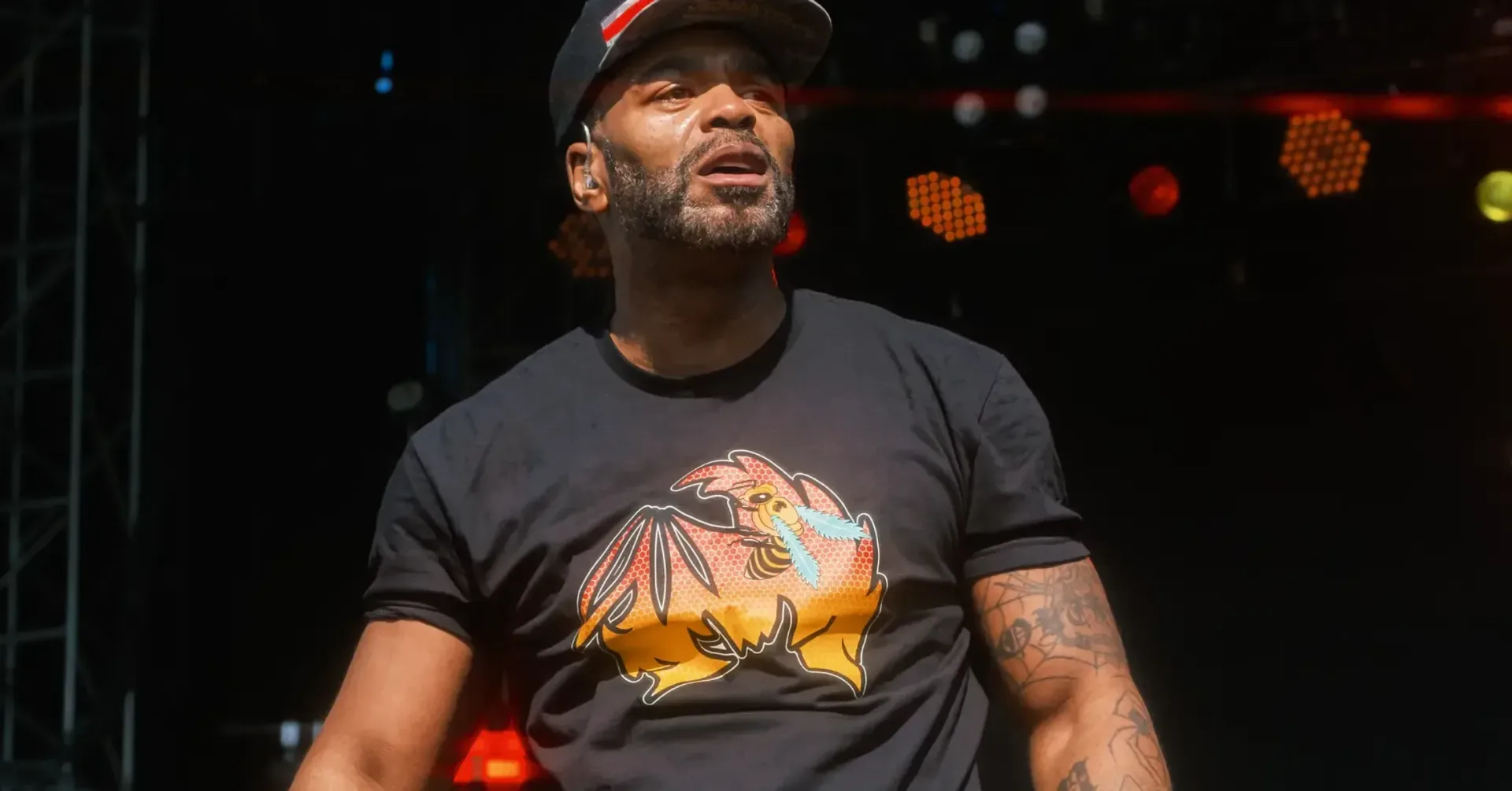
The one-of-one concept was not free of internal tension. Method Man said in 2024 that some members recorded verses without knowing how Cilvaringz intended to assemble and present the material. He characterized the album as a difficult subject within the group.
This matters because rarity can be a collective decision with uneven consequences. A unique album may gain symbolic stature, but the process of creating it can involve many contributors whose expectations about release, credit, circulation, and final form are not identical. The available information does not establish every member’s position, nor does it provide a full production timeline. What it does show is that the album’s complicated reception was not only an outside response to Shkreli; there was friction around the concept and packaging among those connected to Wu-Tang as well.
That complication gives the documentary’s focus on Cilvaringz added significance. His ambition to find a place within Wu-Tang and his creative link with RZA are presented as core to the project’s formation. But a film about the record cannot avoid the broader questions surrounding collaboration: who understood the final plan, who held decision-making power, and how an experimental release strategy affected the people whose performances were included.
Scarcity, access, and the life of a cultural object
RZA has said the project brought praise, enemies, and questions. That range of reactions makes sense for an album that intentionally rejects familiar expectations. Some will see the single-copy approach as a defense of artistic worth in an era of inexpensive, endlessly reproducible media. Others will see it as withholding music from the community that gives it life.
Neither response can be reduced to the sale price. The reported $2 million purchase is attention-grabbing, but the album’s continuing relevance comes from the collision of several ideas: artistic scarcity, music ownership, group authorship, reputation, public access, and legal control. It is a case in which the container, the contract, and the subsequent ownership history have become nearly as discussable as the 31 tracks themselves.
RZA’s current framing suggests less interest in personally directing the work’s future. He has said that a small audience may still carry its ideas forward. That position leaves room for the project to be considered beyond the identity of its original buyer, without pretending that history never happened.
For anyone following music as a collectible category, Once Upon a Time in Shaolin remains an unusually revealing object. It demonstrates the power of one-of-one design, but also its limits. Scarcity can elevate attention and perceived value; it cannot insulate art from contracts, controversy, institutional action, or disagreement among the people who made it. Questions around who owns creative work—and what ownership should mean—also continue to shape music far beyond this singular record, as seen in discussions of music ownership and artist control.
The Disciple: A Wu-Tang Fable began streaming on October 16. Its arrival puts the one-copy album back in view, not as a simple curiosity or a closed transaction, but as a cultural artifact still carrying the questions it was designed to raise.