Water damage can hide behind a clean-looking plastic case. A cover may appear acceptable from the front while its spine is swollen, its back shows a tide line, or its paper remains damp beneath a tray. The right buying decision depends on what you want: an inexpensive play copy, a complete-in-box display piece, original artwork, or a collectible that should retain as much untouched material as possible.
Treat every marketplace description as a claim to verify. A seller’s phrase such as “minor wear” does not tell you whether the paper is rippled, smells musty, has transferred ink to the sleeve, or was replaced with a reproduction. The following inspection separates damage that is mainly cosmetic from damage that can spread, worsen or make the item unsuitable for a clean collection.
Decide what kind of copy you are actually buying
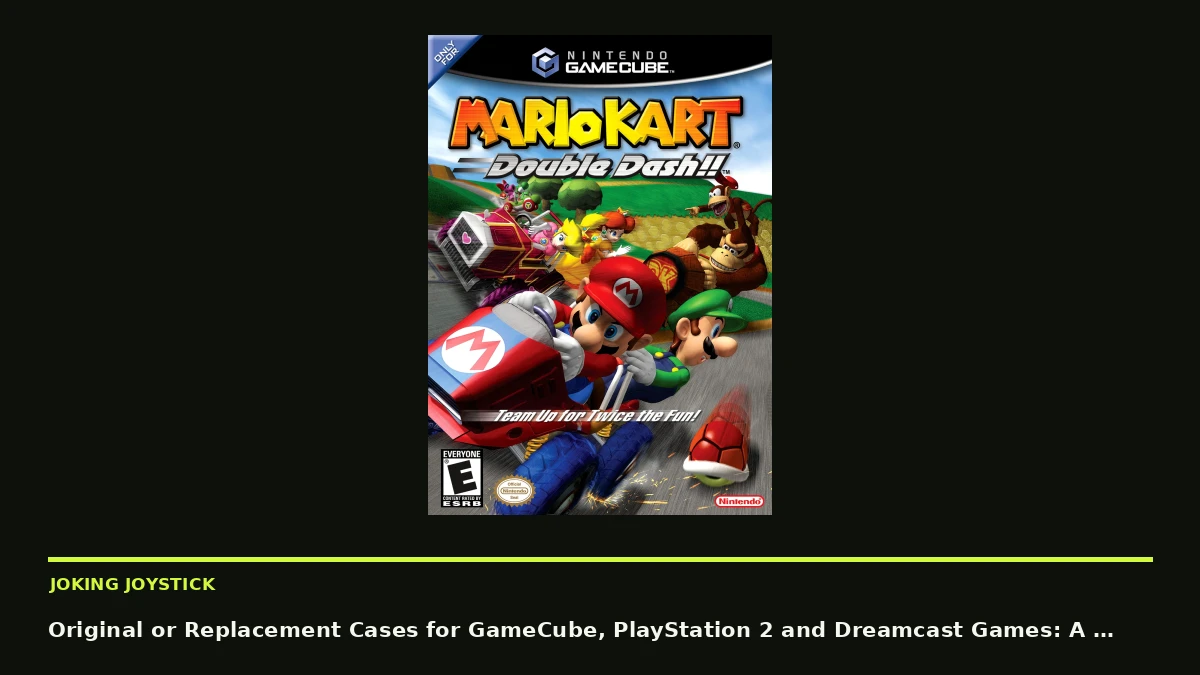
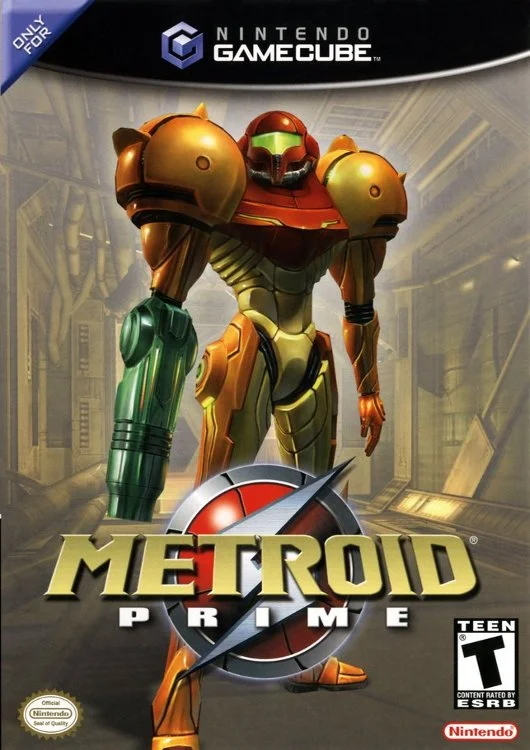
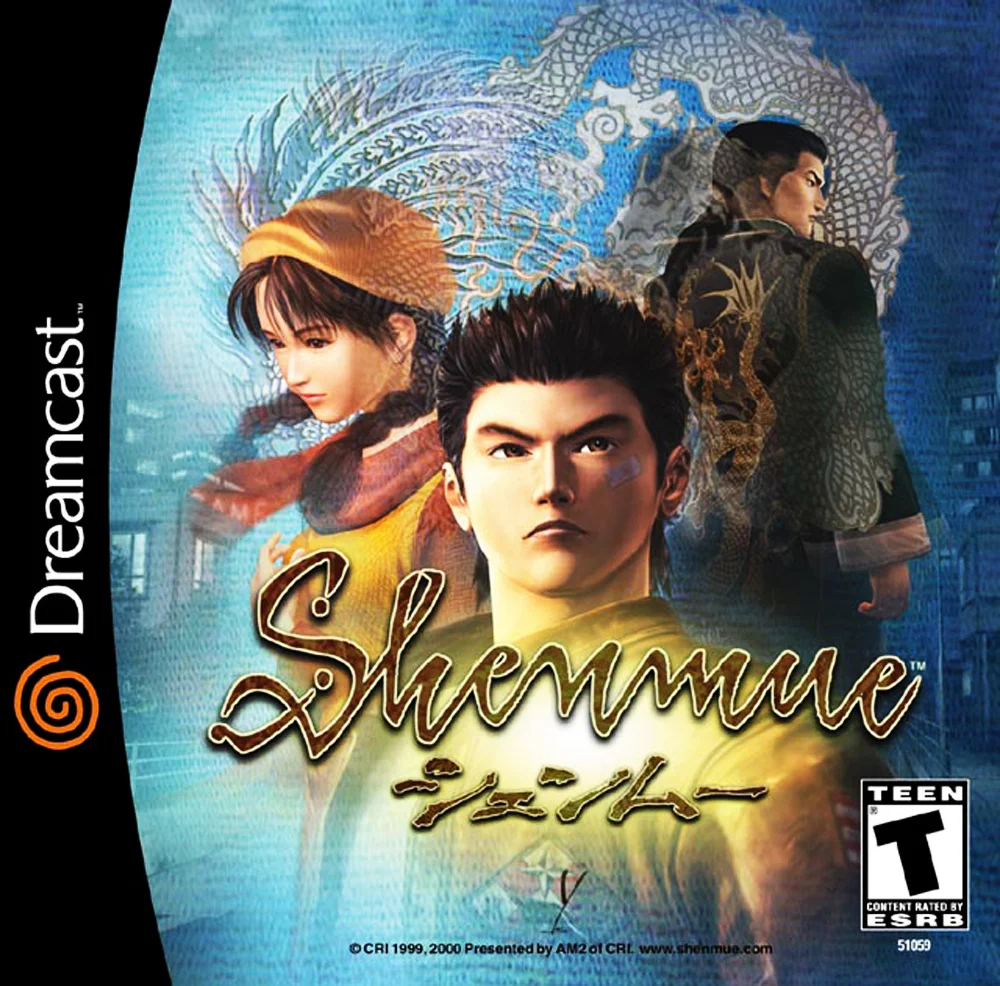
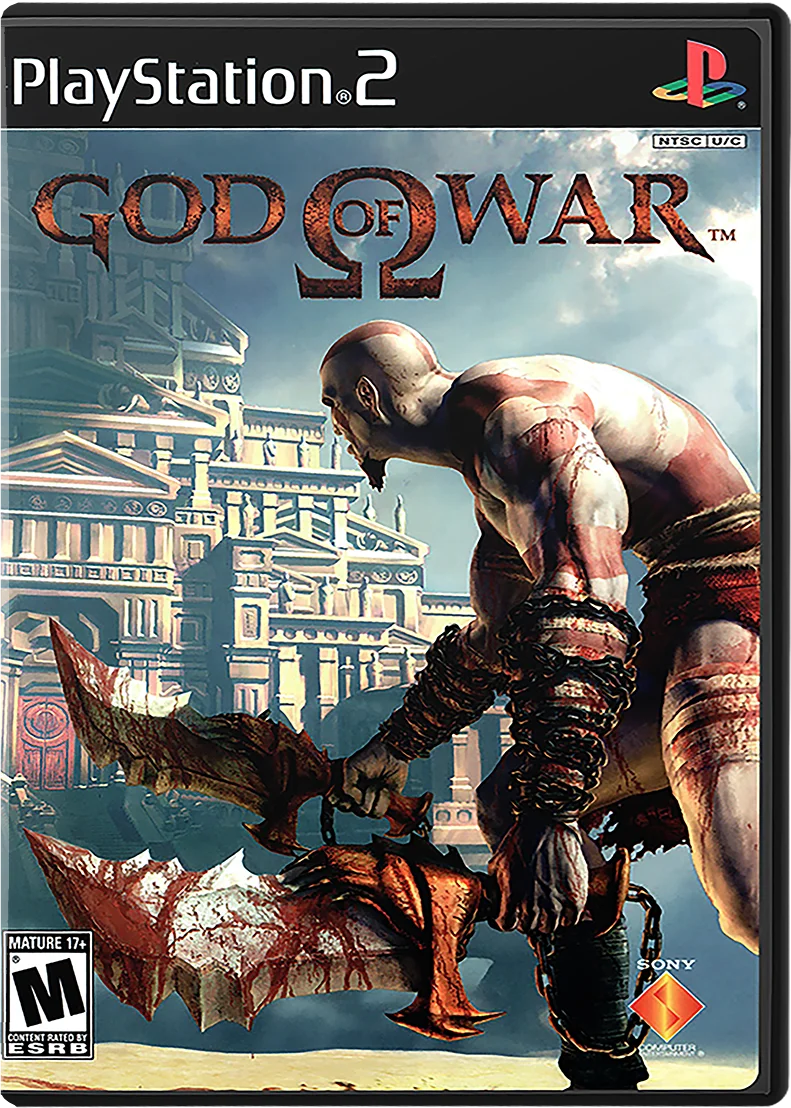
The same flaw can have different consequences for different buyers. If you only need a playable copy of Mario Kart: Double Dash!!, Sonic Adventure or God of War, a stained case may matter less than a readable disc and a secure holder. If you want a complete display copy of Metroid Prime, Shadow of the Colossus or Shenmue, original artwork, manuals, inserts and matching regional components become part of the purchase rather than decoration.
Write down your minimum requirements before looking at listings. Decide whether you need original cover art, a manual, registration material, spine cards, every disc, a specific regional edition, and a case that can go directly onto your shelf. This prevents a seller’s clean replacement shell from distracting you from missing or damaged paper. It also helps you compare a visibly flawed original against a cleaner but incomplete alternative without pretending they are the same item.
Preservation guidance is useful for understanding paper and coated image materials, but it does not turn a game buyer into a conservator. Commercial game inserts can use different papers, inks, laminates and adhesives. Treat general preservation principles as warning signs and decision tools, not as a promise that any particular cover can be restored.
- Choose play copy, display copy, complete-in-box copy or original-artwork copy as your goal.
- List the exact platform, region and edition you want before comparing photos.
- Treat missing photos as unknown condition, not as evidence that the unseen surface is clean.
- Decide whether suspected moisture damage is acceptable before you start negotiating.
Inspect the plastic case before judging the artwork
Start with the shell, but do not mistake a replaceable shell for a repaired package. Look through the clear sleeve for cloudy patches, trapped droplets, residue, warped edges and marks that follow the seams. Examine the hinge, spine, corners and tray supports. Water can collect where the case closes or where paper is pressed against plastic, leaving evidence that a straight-on front photograph misses.
A cracked or yellowed case may be an ordinary replacement issue. However, a new shell cannot remove a stain, restore swollen paper, reverse ink transfer or eliminate an odor in the artwork. It can also conceal a problem if the seller moved the original cover into another case without showing the transfer. Ask whether the pictured shell, artwork and tray are the exact components being sold.
Do not flex a brittle case aggressively or pry at a stuck sleeve to investigate it. A buyer’s inspection should be limited to normal opening and viewing. If paper is adhered to plastic, leave it in place and ask for clearer evidence or decline the purchase. For a mailed item, do not begin by forcing a tight tray or pulling a cover from a bonded sleeve; document the condition first.
- View the front, back, spine, hinges, corners, tray and sleeve edges.
- Look for cloudiness, trapped moisture, residue and distortion along seams.
- Ask whether the case is original, replaced or mixed with components from another copy.
- Do not use heat, solvents or force to separate stuck artwork.
- Photograph unusual case and sleeve marks before handling the paper.
Read rippling, cockling and tide lines from several angles
Moisture-damaged paper often changes shape before the damage is obvious in a flat photograph. Compare the cover with the straight edges of the case: does the surface rise and fall in waves, or does the spine look swollen compared with the front panel? Rippling, cockling, softened corners, edge swelling and uneven gloss can all be consistent with a wetting event, although none alone proves when it happened or whether the material is still damp.
Inspect the front, back, spine, top edge and bottom edge. Water staining that travels inward from an edge is more suggestive of substantial wetting than a tiny isolated mark, but staining cannot establish the source, age or severity of the incident. A darkened strip beside the spine could be water, adhesive, dirt or a shadow from the case. Request a sharp, evenly lit photograph rather than diagnosing from a low-resolution image.
Preservation guidance for wet books and records notes that no drying method returns collection materials to their pre-damage condition. It also distinguishes slight wetting, where stains may remain near the edges, from more extensive wetting that carries staining farther inward. That framework is useful for comparison, but it should not be treated as a precise grading system for game covers.
A cover that no longer feels damp may still have permanent distortion, weakened fibers or altered coating. Dryness tells you about the material’s present surface condition; it does not erase the history of the damage.
- Compare the paper’s edges and spine with its broad flat panels.
- Look for waves, swollen corners, uneven gloss and inward-running stains.
- Treat a dry surface as evidence of current dryness only, not proof of undamaged paper.
- Price visible distortion as permanent unless a qualified conservator says otherwise.
- Ask for photographs taken at a shallow angle so ripples catch the light.
Check adhesion, coating and ink transfer
Water can weaken more than the paper itself. Inspect laminated areas, glued seams, spine strips, stickers and any layer that appears to lift or bubble. A loose corner may continue separating when the case is opened. A cover that shifts inside its sleeve may have lost adhesion, or it may simply be incorrectly installed; either way, ask the seller to identify what is original and what has been moved.
Look for printed color or cloudy shapes on the clear sleeve. Damp ink, coated paper and glossy surfaces can block together or transfer. Ink offsetting may leave a mirrored mark on the plastic and a missing or smeared area on the artwork. Unlike a surface scuff on a case, transfer can permanently alter the printed piece. Do not assume that wiping the plastic will solve it, because cleaning may spread the pigment or damage the coating.
Adhesive failure is not limited to the cover. It may affect spine strips, stickers, registration cards or paper layers that were originally attached. A lifting laminate may look attractive in one photograph and become visibly worse when the case is opened. Ask the seller whether any material is loose, reattached, taped, trimmed or held flat only by the case.
Replacement artwork deserves separate disclosure. A sharply clean cover in an otherwise water-damaged package may be reproduced, swapped from another edition or newly printed. One photograph, one label or one intact seal cannot establish originality. Compare layout, rating marks, regional identifiers and component fit against reliable catalog references, while keeping authenticity conclusions appropriately cautious.
- Inspect lifted corners, bubbles, detached spine strips and shifting paper.
- Look for color on the sleeve and mirrored or missing areas on the print.
- Ask whether artwork is original, reproduced, replaced or moved from another case.
- Do not rub, peel or wet-clean printed material before deciding whether to buy.
- Treat undisclosed replacement artwork as a condition and transaction risk.
Use odor and mold as serious warning signals
A vague storage smell is not a diagnosis. Odor alone cannot prove active mold, identify the source of moisture or show how far damage extends. It is still a reason to ask more questions, especially when the smell is persistent, musty or noticeably stronger when the case opens. Paper can remain damp in folds, glued seams, enclosed trays or beneath a sleeve even when the exposed cover feels dry.
Visible wet, furry or spreading growth should be treated as a possible active mold concern, not ordinary discoloration. Library of Congress guidance states that mold can develop within roughly 48 to 96 hours after collections become wet, depending on conditions. High humidity and elevated temperature increase the risk. NEDCC guidance likewise warns that active mold can spread and should not be casually cleaned by an unprepared buyer.
Do not try to identify or remove suspected mold casually, and do not place damp or moldy paper in a sealed plastic bag for ordinary storage. A sealed bag can create a humid microclimate that encourages further growth. If you receive a questionable item, keep it away from clean games while you document the condition and decide whether to return it. Quarantine is not the same as promising that the item can be safely restored at home.
A flood or sewage history is a separate escalation. Contaminated water can introduce health hazards and should not be treated like a stained cover. If the seller reports flooding, sewage exposure, prolonged damp storage or widespread contamination, the safest purchase decision is usually no purchase. Professional advice may be appropriate for an unusually important item, but a marketplace game should not be treated as a guaranteed restoration project.
- Ask directly whether the item smells musty, was exposed to flooding or has visible growth.
- Treat persistent odor as a need for closer evidence, not proof of a harmless attic smell.
- Walk away from wet, furry, spreading or broadly contaminated material.
- Do not mix a damp or mold-suspect purchase with clean games.
- Do not use bleach, household sprays, solvents or casual brushing on suspected mold.
Open the case and inspect what photographs often hide
The interior is where a listing can change category. Inspect the underside of the cover, manual edges, registration cards, inserts, disc pockets and the paper trapped behind a tray. Look for softened corners, tide lines, stuck pages, transferred ink and a smell that is absent from the outside. A manual can look flat while its folded center or glued edge remains swollen.
The platform matters because packaging differs by release. GameCube examples such as Mario Kart: Double Dash!! and Metroid Prime should be checked for the correct manual, artwork and disc condition rather than judged by the shell alone. For PlayStation 2 copies of Shadow of the Colossus and God of War, confirm the edition, manual, artwork variant, disc count and inserts. Dreamcast copies of Sonic Adventure and Shenmue deserve careful inspection around multi-disc trays, disc stacks and any region-specific paper inserts or spine cards.
Dreamcast packaging varies by release and territory, so do not assume that every copy has the same tray arrangement, spine card or insert set. The same caution applies to PlayStation 2 reissues, special editions and regional variants. A clean-looking case may contain a manual from another edition or omit paper that was important to the original package.
Do not assume that a tidy arrangement proves originality. A seller may have moved paper into a replacement case, omitted a water-damaged manual or used a tray from another release. Request photographs of every included component laid out separately when completeness matters.
- Request inside-cover, manual, insert, tray and disc-pocket photographs.
- Check folded edges and areas hidden beneath trays or sleeves.
- Confirm disc count and the release-specific packaging for each platform.
- Treat a neat case arrangement as presentation, not proof of matching originality.
- Ask for separate photographs of manuals, cards and inserts rather than relying on a case overview.
Separate artwork condition from disc condition
A functioning disc does not prove that the package is healthy. Conversely, attractive artwork does not prove that a disc is readable. Inspect the label side, playing surface, hub and center ring independently. Water exposure can leave residue, staining or label-side changes that are not visible in a front-cover photograph. For a multi-disc Dreamcast or PlayStation 2 release, each disc needs its own inventory and condition evidence.
Nintendo’s GameCube documentation recommends handling discs by their edges, storing them in their cases and cleaning them with a soft, slightly damp cloth using water only when necessary. That advice concerns discs; it is not permission to wet-clean cover art, manuals or inserts. Printed paper, coatings and adhesives can react differently, and a buyer should not turn an uncertain listing into an irreversible cleaning experiment.
Ask for a clear disc-label photograph and, when possible, evidence of the disc’s actual condition through the platform’s protected transaction. A game that boots may still have damaged original artwork, and a clean cover may house a substituted disc. Keep those assessments separate when comparing listings.
Do not infer that an intact disc proves the case was never wet. Plastic and optical media may appear acceptable while paper components show the strongest evidence of exposure. Conversely, a damaged case does not automatically mean the disc is unusable. Each component needs its own decision.
- Inventory every disc, manual and insert independently.
- Inspect label side, hub, center ring and playing surface separately from the case.
- Do not apply disc-cleaning guidance to paper artwork or inserts.
- Do not treat a booting test as proof of complete package condition.
- Ask whether any disc, tray or manual was substituted.
Ask the seller questions that produce usable evidence
Good questions are specific enough to answer with observable facts. Ask for straight-on photographs of the front, back and spine, then close views of corners, sleeve edges, hinges, tray backs, manuals and inserts. Request one photograph with the case open and the paper removed only if it can be done normally without forcing anything. Ask whether the item has a musty odor, has ever been stored in a damp area, shows staining inside, or contains any reproduced or replacement component.
Ask the seller to confirm the exact contents: region, edition, number of discs, manual, registration material, spine card where applicable, and whether the photographed case is the one shipped. A statement that the game was kept in a dry home is useful context but cannot replace photos of the actual paper and hidden surfaces.
Ask about prior cleaning or restoration, too. “Cleaned” might mean that someone wiped the plastic, replaced the case, pressed the cover, removed a sticker or printed new artwork. Those are materially different actions. The seller should be able to say what was changed and whether the original components remain.
Evasive answers are evidence about transaction risk, not proof that the item is damaged. If the seller refuses ordinary condition photos, says “untested” while making detailed claims about completeness, or cannot explain an obvious replacement shell, keep your money and search for a listing with verifiable evidence.
- Request actual-item photos rather than stock art or a single front image.
- Ask specifically about odor, moisture history, mold, replacement artwork and case swaps.
- Confirm every included component and the exact edition.
- Ask whether any cleaning, pressing, replacement or restoration has occurred.
- Save the seller’s answers with the listing before checkout.
Calculate total cost without inventing a fair price
Do not decide from the listing price alone. Build a total-cost comparison that includes item price, shipping, tax, replacement case or sleeve, missing manual or insert costs, professional advice, return shipping risk and the possibility that the artwork cannot be restored to an acceptable standard. A cheap damaged copy may become more expensive than a cleaner complete alternative once the missing or compromised components are counted.
Compare like with like. A loose playable disc, a complete copy with a replacement case and a complete copy with original artwork are different products. Use multiple completed sales or current comparable listings only to understand how buyers distinguish those categories, not to invent a universal value. Your personal ceiling should reflect your use case and tolerance for uncertainty.
Give irreversible damage more weight than an easily replaceable shell. A cracked case is usually a housing problem. Ink transfer, mold concern, widespread staining, delamination and severe odor are condition problems that may remain after spending more money. A replacement cover can improve presentation, but it changes the originality question and should be disclosed in your records.
Include the cost of a failed transaction in your thinking. A return may require time, repacking and shipping. Some damage may be difficult to prove after the item has been cleaned or altered. If the listing does not provide enough evidence to make a confident decision, the missing information itself belongs in the risk calculation.
- Add shipping, tax, replacement parts, missing components and return risk.
- Compare complete copies with the same region and edition.
- Treat a replacement shell as a separate improvement from original-artwork condition.
- Set a maximum before bidding or negotiating.
- Do not pay restoration-level money for a package whose contents remain unverified.
Set clear walk-away rules and protect the transaction
Walk away when there is visible active or spreading growth, a severe persistent odor, suspected contaminated-water exposure, broadly damp or crumbling paper, or staining that reaches multiple hidden components. Also stop when the listing lacks interior photographs, the seller will not answer direct questions, reproduction material is undisclosed, or the total cost approaches a cleaner and better-documented alternative.
Other stop conditions are less dramatic but still important. Leave when the case is sealed shut by residue and the seller will not show the interior, when the disc count cannot be confirmed, when the item photographed is not clearly the item shipped, or when the seller’s written description conflicts with the pictures. Uncertainty is not automatically damage, but it is a reason not to pay as though the condition were known.
If you proceed, keep payment and communication on the marketplace. Do not move to off-platform payment to obtain extra photos or a lower price, and do not assume a platform’s return process will accept every claim automatically. Read the active buyer-protection and return terms shown for the transaction. For example, eBay’s current Money Back Guarantee policy ties eligibility to completing payment on the platform, meeting its stated requirements and acting within the applicable time limits.
Photograph the package, shipping label, unopened parcel and every component as soon as it arrives. Preserve the listing, messages, payment record and photos. If the received item materially differs from its description, use the platform’s stated not-as-described process within its current deadline. Do not clean, discard or alter disputed materials before documenting the problem.
- Stop for active mold concerns, contaminated-water history, severe odor or widespread distortion.
- Stop when evidence is missing or the seller’s answers conflict with the photographs.
- Keep payment and messages on the marketplace.
- Document the package and contents immediately, then follow the current platform policy.
- Do not alter disputed artwork before creating a complete record.
Water-damaged game packaging is not a single cosmetic grade. Ripples, stains, odor, lifted layers and transfer marks each tell you something different, while none should be interpreted beyond the evidence available. Inspect the case, artwork, hidden paper and discs as separate parts, and remember that a replacement shell cannot undo damage to original print.
For a play copy, you may accept limited cosmetic wear after verifying the disc and storage risk. For a complete or collectible copy, missing photos, suspected mold, persistent odor and irreversible paper damage justify leaving the listing behind. The strongest purchase is the one whose condition, contents and return path are documented before payment.