Buying a retro game in a case does not answer the most important question: what, exactly, is original? A disc may be authentic while the shell is a replacement. A genuine case may have been borrowed from another title. A printed cover may be a reproduction, and a complete-looking package may still contain the wrong regional or edition-specific artwork.
That distinction matters for Mario Kart: Double Dash!!, Metroid Prime, Shadow of the Colossus, God of War, Sonic Adventure and Shenmue because their packaging can vary by region, release style, disc count and later budget editions. Decide whether you need safe storage, a display-ready package, or a matching collectible set before judging any listing.
Start with the use case, not the word original
There are four different purchases hiding behind the phrase game with case. The first is functional storage: a shell that closes securely, holds the disc without rubbing and protects artwork or inserts. The second is a display package, where clean plastic, an attractive spine and readable cover matter more than manufacturing provenance. The third is a matching original release, where the case, artwork, manual, disc and inserts belong to the same edition. The fourth is a specific variant, such as a regional release, Player’s Choice edition, Greatest Hits edition or multi-disc package.
A compatible replacement can be the sensible choice for a game you intend to play. It can also protect a fragile original cover while the original shell is stored separately. It is not, however, equivalent to an original retail package. Record that distinction in your collection notes instead of using a broad condition label such as complete.
Nintendo’s GameCube support library provides system and game manuals, while Nintendo’s system guidance establishes that discs belong in their cases when not being used. That supports the case’s practical storage role, but protection alone does not establish collectible identity.
- Write down the required region, edition and disc count before comparing listings.
- Choose whether your priority is storage, shelf appearance, original components or a specific release variant.
- Treat case included as a storage claim unless the seller identifies the shell, artwork, inserts and edition.
Separate the package into five independent claims
Inspect a package as five parts: the outer shell, the tray or disc hub, the artwork, the printed inserts and the contents. Each part can be original, compatible, reproduced, damaged, missing or mismatched. A genuine shell from another game may preserve some period-appropriate plastic characteristics while still failing to preserve the title’s original package identity.
The artwork requires its own check. A scan printed on modern stock can look convincing in a marketplace photo, but sharpness, paper weight, color, trimming and sleeve fit do not prove it was printed for the original release. Likewise, a correct manual does not prove it traveled with that disc. Matching title, region, publisher information, rating mark, barcode and edition markings is stronger evidence than a front image alone.
Do not authenticate from one logo, screw, tray stamp, seal, plastic texture or disc label. Those observations can support an identification, but they cannot establish that every component belongs together. For expensive or disputed examples, use a qualified specialist rather than making a confident claim from photographs.
- Ask whether each component is original, replacement, reproduction, donor or unknown.
- Compare front, spine and back markings rather than judging only the cover image.
- Keep uncertainty visible in your catalog instead of upgrading an incomplete package to complete.
GameCube cases: check the slot, booklet and edition
North American GameCube cases commonly include a memory-card slot. A case that holds a miniDVD but lacks the expected platform-specific interior may be a generic replacement rather than a correct-format donor. Check the slot’s shape, the disc hub, hinge movement, plastic color, cover sleeve and whether the shell closes without stressing the disc. A replacement marketed for North American discs may be a useful functional part, but seller claims about color matching or an OEM-like design do not prove Nintendo retail provenance.
The booklet is another observable reference. Nintendo’s GameCube booklet template specifies outside-cover dimensions of 105 by 178 millimeters. Size is not authentication, but a booklet that is obviously wrong for the expected format deserves an explanation. Check that its language, rating panel, publisher details and title match the disc and artwork.
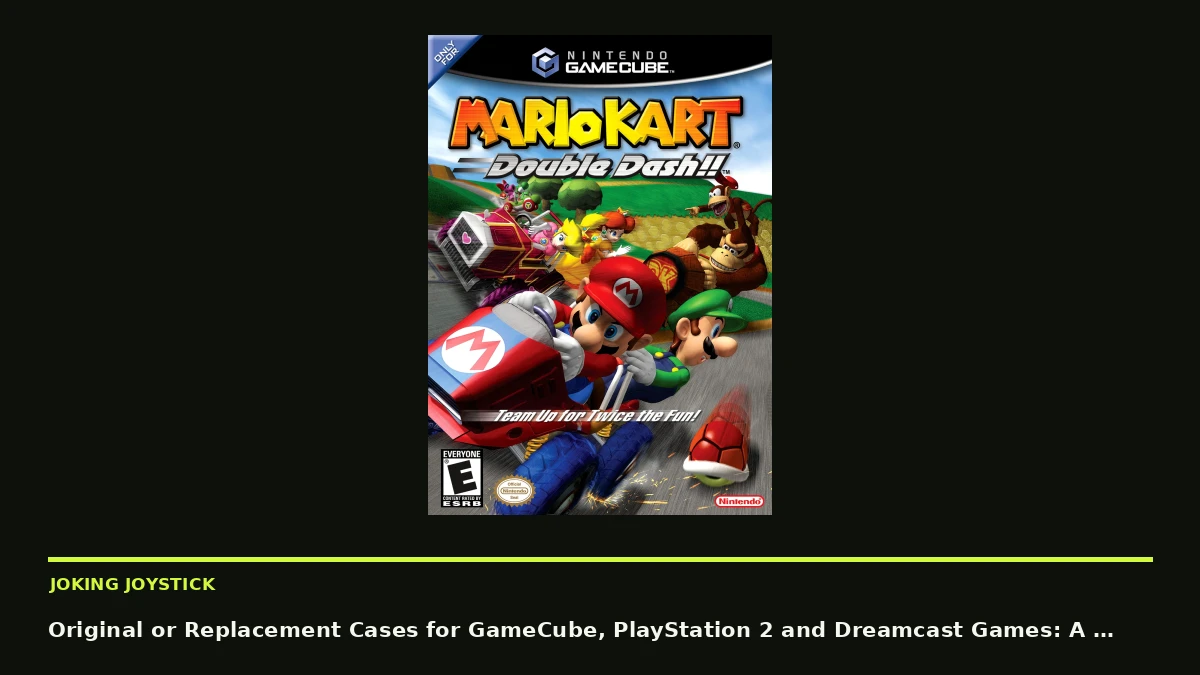
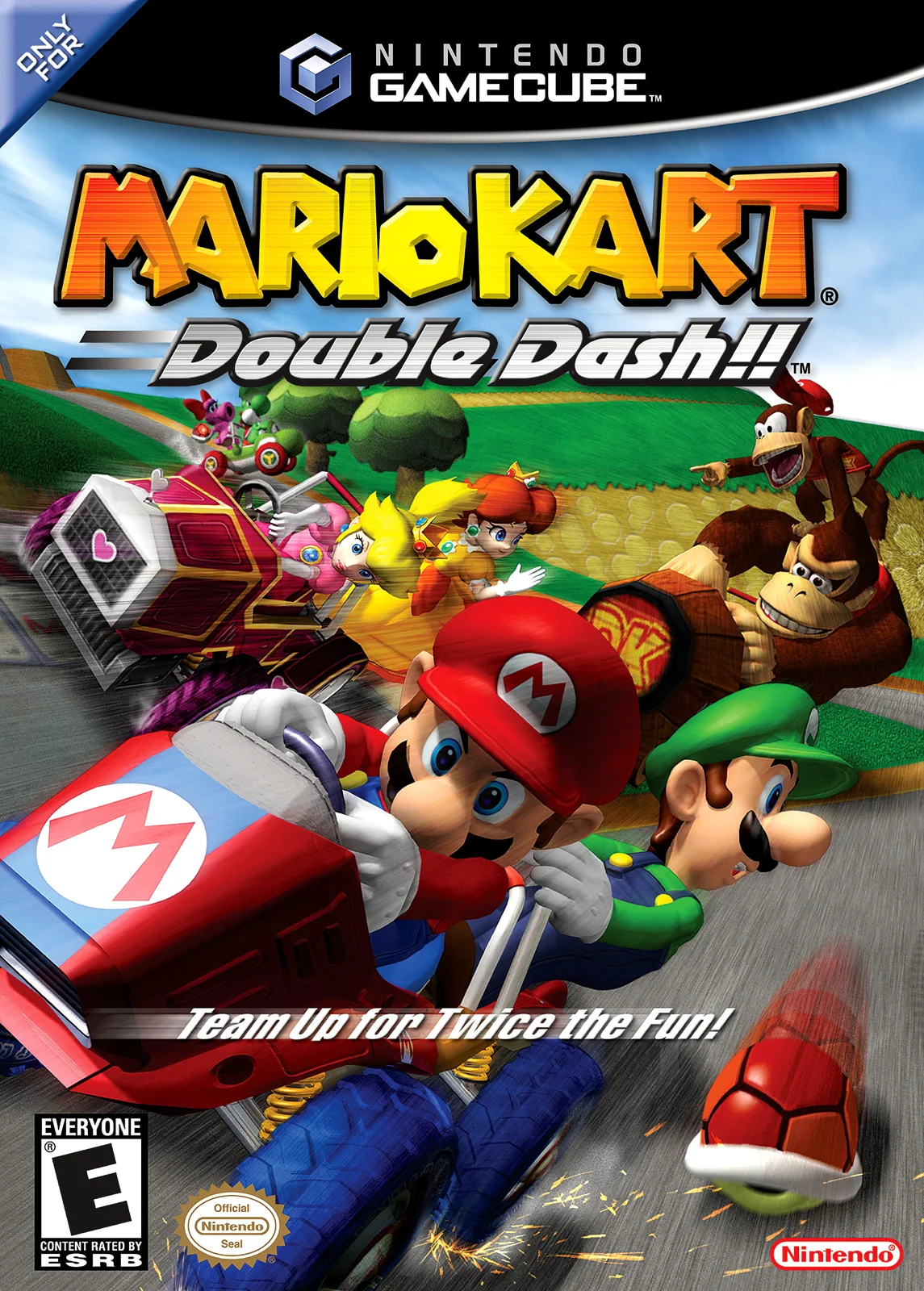
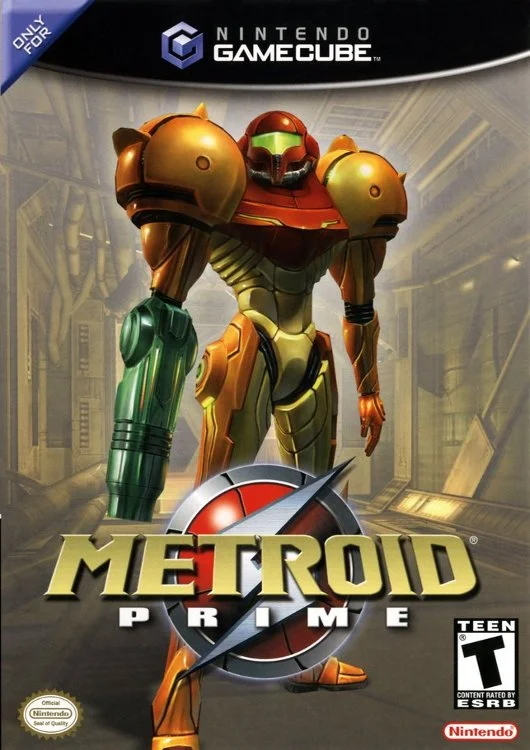
Mario Kart: Double Dash!! illustrates the edition problem. Some pre-order and promotional packages used a special two-disc case for a bonus disc, while later Player’s Choice and regional releases used different packaging treatments. Metroid Prime also has packages associated with Player’s Choice branding and bonus-disc contents. Confirm every disc and insert before accepting a case as the claimed version.
A replacement GameCube shell can solve a broken hinge or missing hub without restoring original packaging value. Label it as a replacement in the collection record, especially if the artwork and manual remain original.
- Photograph or request the interior memory-card slot, hub and hinges.
- Measure questionable booklet dimensions and compare region, language and edition markings.
- For Mario Kart: Double Dash!! and Metroid Prime, confirm whether the listing is standard, Player’s Choice or a bonus-disc package.
- Check whether the case has capacity for every disc associated with the specific edition.
PlayStation 2 cases: match the sleeve, clips and release strip
PlayStation 2 cases generally use a clear front sleeve for cover art, with internal areas for the manual, disc and often a memory card. Replacement cases can match the broad dimensions and layout of an original while differing in plastic texture, hinge design, spine width, tray markings or the feel of the disc-release button. A blue or black replacement case may be perfectly practical and still not be an original Sony retail shell.
Inspect the sleeve for tears, shrinkage, clouding and adhesive residue. Check that the artwork sits squarely and that the spine is not folded, trimmed or substituted from another edition. On the interior, look for broken clips, a loose tray, a missing manual holder and a disc button that does not release the disc cleanly. These are separate storage questions from whether the printed material is original.
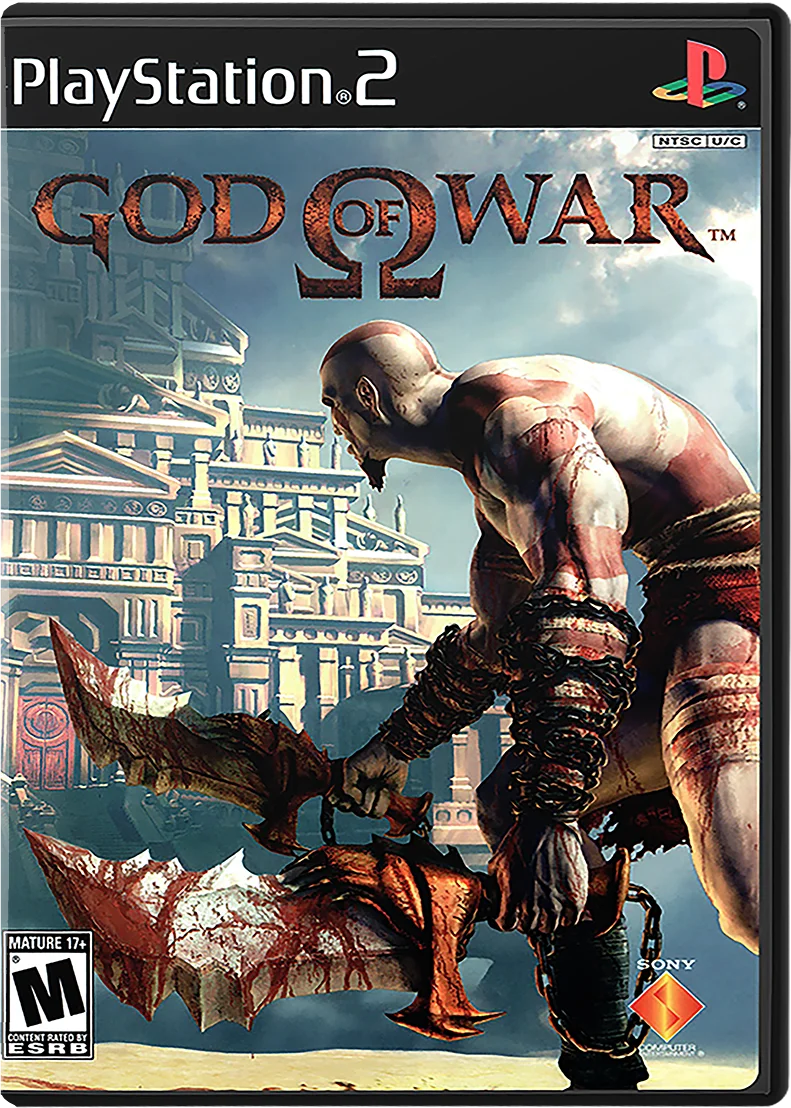
Shadow of the Colossus and God of War both require edition awareness because standard and Greatest Hits-era packaging can differ. Cover strips, spine treatment, disc labels and manuals may identify a later budget release even when the title and basic case shape are unchanged. A correct title with the wrong strip is not the same package if you collect release variants.
A genuine PS2 case from another game preserves some manufacturing characteristics, but it does not restore the original identity of the package. If you use a donor shell, record the title it came from when known and avoid describing the result as an untouched original set.
- Request clear photographs of the front sleeve, spine, back, interior clips and disc button.
- Check the cover strip and spine against the exact standard or Greatest Hits edition being offered.
- Confirm whether a replacement shell is being sold as compatible rather than official or original.
- Inspect the memory-card area and manual clips separately from the disc tray.
Dreamcast cases: region and disc count come first
Dreamcast packaging varies visibly between markets. North American releases generally use black jewel-style cases, while Japanese and European releases can use different thicknesses, tray arrangements and regional inserts. A standard CD jewel case may close around a disc and still be wrong in thickness, hub design, insert dimensions or visible molding details.
Sonic Adventure is a useful regional warning. A case that fits a North American disc is not automatically correct for a PAL or Japanese package. Compare rating marks, language panels, spine layout, product codes and regional catalog information before selecting a donor shell or replacement artwork. Version references for Sonic Adventure show that the title exists in region-specific packaging records, not one universal case format.
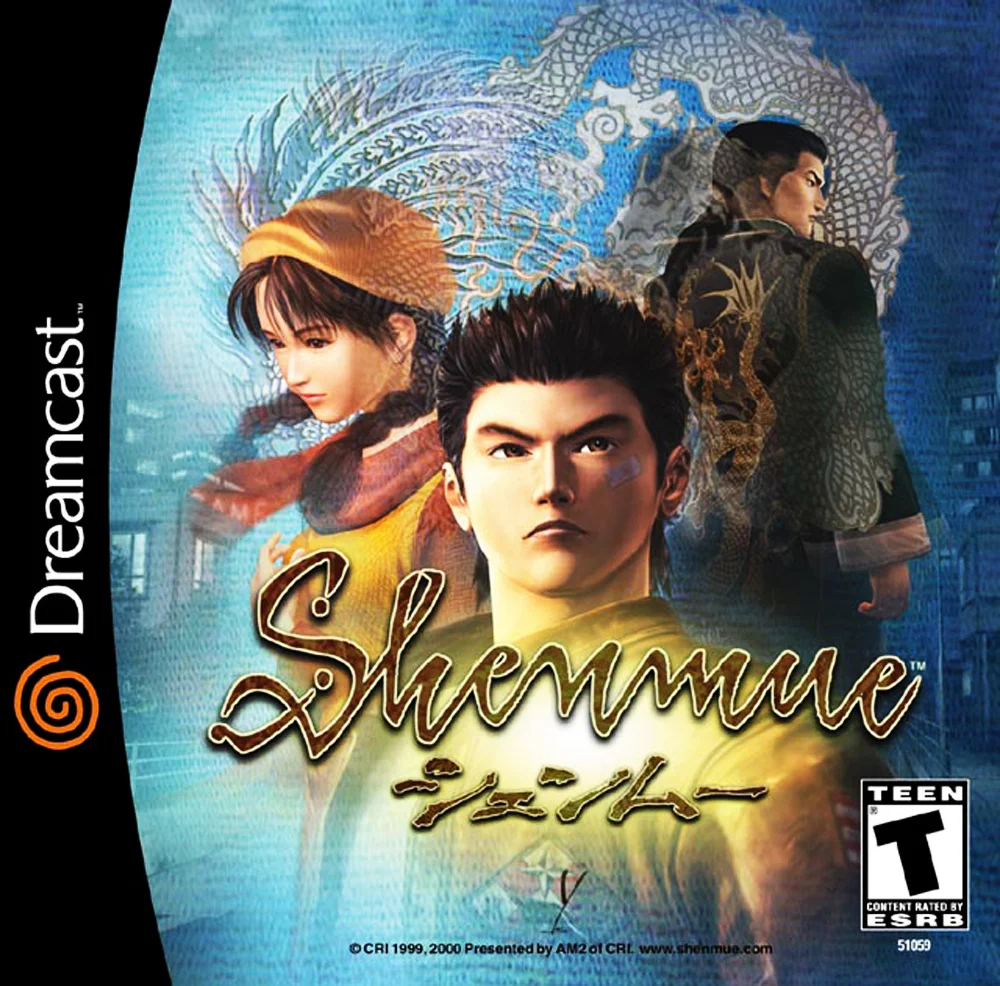
Shenmue requires an additional check because its release includes a separate Shenmue Passport disc and appears in several regional and limited-edition package formats. Count every disc, verify its order and inspect whether the tray structure can hold the complete set without stacking discs loosely. A single-disc case that looks attractive from the front can create an unsafe or incomplete package.
Do not assume that a replacement Dreamcast shell is correct because it has the right general color or closes properly. The insert dimensions, case thickness and tray arrangement can be more important than the outside silhouette.
- Identify the market before buying a Dreamcast case or artwork.
- For Sonic Adventure, match the case and printed material to the disc’s region.
- For Shenmue, confirm every game and Passport disc, tray position, insert and the case’s multi-disc capacity.
- Compare the case format with region-specific reference images rather than a generic CD jewel case.
Damage: cosmetic flaw or storage failure?
Judge each defect by what it affects. A cloudy outer shell can reduce display appeal without threatening the disc. A torn cover sleeve may be replaceable, but removing stuck artwork can damage original paper. Sun fading changes the appearance and may erase edition distinctions on a spine. Water marks can distort paper, encourage sticking and make a package difficult to separate safely.
Hinges and hubs deserve priority because they affect use. A cracked hinge can let the shell open during handling. A broken disc hub can leave the disc loose, allowing scratches. Stress whitening around the center hub, a crack extending into the disc-retention ring or corrosion on metal components should be treated as a storage risk, not merely an appearance issue. Do not bend brittle plastic or force a stuck tray during inspection.
A scratch on a shell does not prove the case is fake, and a clean shell does not prove it is original. Likewise, a sealed-looking package may have replaced contents. Condition and provenance are different claims.
Artwork damage should also be separated from shell damage. A clean donor case may improve presentation while lowering historical completeness if it replaces a case that was original to the title. If original paper is fragile, storing it separately in an archival sleeve can be preferable to repeatedly removing it from a brittle shell.
- Separate cosmetic flaws from defects that let the disc move or expose it to damage.
- Look at hinges, hubs, clips, sleeves and tray anchors independently.
- Stop handling if plastic is brittle, cracked or stuck rather than forcing it.
- Photograph water damage, fading and torn paper before attempting any cleaning or replacement.
Read listing language as an invitation to verify
Terms such as CIB, complete, original case, case only, disc and case and replacement are not interchangeable. Case included may mean only a shell. Original case may refer to a genuine platform case that was swapped from another title. Complete may omit a registration card, bonus insert or second disc that matters to a particular edition.
The main photograph is not proof of the unseen sides. A front cover cannot establish the back barcode, region, tray count, manual or disc label. Mixed photos can also show several copies of a title. Ask whether the pictured components are the exact items shipped.
Marketplace descriptions and photos are claims to verify, not catalog records. Save the listing and messages before purchase. If the seller will not identify the region, refuses interior photos, uses stock images for a supposedly unique item or describes a reproduction as original, the missing evidence is itself part of the buying decision.
The word original should be unpacked. It might describe the plastic shell, the printed cover, the manual, the disc or the seller’s belief that the package was untouched. Ask which component the claim applies to and what evidence supports it.
- Translate every vague term into a specific component question.
- Confirm that the photographed item is the exact item being shipped.
- Do not treat stock artwork or a front-only photograph as proof of completeness.
- Ask whether original refers to the shell, artwork, inserts, disc or entire matching package.
Use a precise seller message
A short, respectful request can resolve most case-related uncertainty without asking the seller to perform invasive work. Request photographs rather than relying on assurances. For a multi-disc game, ask for each disc and every tray position. For edition-sensitive games, name the exact release you want.
Ask whether any component is a reproduction, replacement, donor part or reproduction print. The answer should be recorded inside the marketplace messaging system. If the seller says they cannot tell, price the item as uncertain rather than assuming the best interpretation.
For high-value or unusual packaging, request photographs in consistent light of the front, spine, back, interior, hub, manual cover, disc labels, bonus inserts and any regional or edition markings. A seller does not need to remove labels or open sealed materials to provide useful evidence.
Avoid asking a seller to scrape stickers, remove shrink wrap, open sealed seams or disassemble a case. Those actions can damage the item and still may not prove authenticity.
- Can you confirm the region and exact edition shown on the disc and spine?
- Are the shell, tray, artwork and manual original to this title, or is any part replacement or reproduction?
- Please show the front, spine, back, interior, hub, manual, every disc and all bonus inserts.
- For Shenmue, can you show the full multi-disc tray arrangement and disc order?
- Are the photographs of the exact item that will be shipped rather than a stock or representative copy?
Compare total cost, not the sticker amount
A low-cost case can become expensive after shipping, taxes, protective sleeves, replacement artwork, donor parts and return risk. Add the cost of a compatible shell if the original arrives cracked, the cost of reproducing a missing insert if display matters, and the time required to locate a correct replacement. These categories are more durable than any single current price.
Compare like with like. A case-only listing should not be compared directly with a documented complete package. Sold-listing research can show how collectors distinguish loose, boxed, replacement and edition-specific examples, but it should be used as a comparison method rather than a promise of fair value. Do not pay a premium for uncertainty when a better-documented copy is close in total cost.
Shipping also matters. A loose disc rattling inside a case can arrive with new damage. Ask how the disc, artwork and case will be packed, and whether the seller will protect the hinge and corners. A multi-disc Shenmue package needs enough internal support to prevent discs from rubbing during transit.
Never move payment off the marketplace to obtain a lower number. The apparent saving can remove the dispute process that makes documentation useful.
- Add item cost, shipping, tax, protective materials, donor parts and possible return shipping.
- Compare the complete delivered package with better-documented alternatives.
- Include the cost of replacing missing artwork, trays or manuals only if those parts are genuinely necessary for your goal.
- Keep payment and communication within the platform’s protected checkout process.
Plan inspection and returns before checkout
Save the listing, photographs, description and seller messages. When the package arrives, photograph the unopened shipping carton and then the contents before rearranging them. Compare every component with the listing: shell, artwork, manual, tray, disc count, region and edition. Test only what is necessary to establish the advertised condition, and avoid cleaning or modifying the item before deciding whether it must be returned.
Marketplace rules and deadlines differ. eBay’s Money Back Guarantee covers most transactions when the item does not arrive or does not match the listing, subject to eligibility and required time limits. Its current policy gives many not-as-described returns a 30-calendar-day window, but exclusions and seller-specific conditions can apply. Check the transaction’s actual return details rather than relying on a general rule.
Mercari’s buyer-protection page states that buyers have 72 hours after confirmed delivery to report an item that is not as described. If no claim is made during that window, the transaction can complete automatically and the sale becomes final under the stated policy. This makes same-day inspection especially important for case-heavy purchases where the unseen interior may change the decision.
Use the platform’s formal return or dispute process. Off-platform payment weakens the evidence trail and can remove protection. Keep packaging until the inspection is complete, especially when a cracked shell or missing insert must be documented.
- Record arrival condition before removing discs or inserts.
- Open a formal marketplace issue within the applicable current deadline if the item is misdescribed.
- Do not rate, modify or pay outside the platform before completing inspection.
- Retain the shipping materials and photograph discrepancies before repacking a return.
Make the decision: original, replacement, donor or walk away
Choose an original matching case when edition identity, shelf consistency and display provenance matter. Choose a compatible replacement when the goal is safe storage and the replacement is clearly labeled in your records. Choose a donor case when the existing shell is damaged but you want period-appropriate platform characteristics; document that the shell came from another title unless the original match is proven.
A replacement case is often the best answer for a playable disc with a cracked hinge, loose hub or missing shell. It is also useful when the original artwork is valuable and should be stored separately. The decision changes when the package itself is the collectible. In that situation, a reproduction cover or donor shell may improve appearance while reducing the package’s original-component value.
Walk away when the seller refuses interior photographs, avoids region or edition questions, mixes photos from multiple copies, will not confirm disc and insert count, or presents reproduction material as original. Also stop when the delivered total approaches a better-documented complete copy. In that situation, uncertainty is not a discount; it is the product being sold.
For Mario Kart: Double Dash!!, Metroid Prime, Shadow of the Colossus, God of War, Sonic Adventure and Shenmue, preserve the distinctions in your catalog. A playable disc in a replacement case is a valid collection object. It simply tells a different story from a matching original package.
- Buy original when matching edition and display provenance are the priority.
- Buy replacement when protection is the priority and the part is honestly described.
- Buy a donor case only when its origin and limitations will be recorded.
- Walk away when evidence, capacity, region or buyer protection is inadequate.
- Label reproduction covers, donor shells and uncertain components in the collection database.
The safest inspection habit is to stop treating the case as one indivisible object. Shell, tray, artwork, manual and disc each need their own identification, condition assessment and evidence. That approach prevents a functional replacement from being mistaken for an edition-specific original.
A clear record protects both your money and your collection history. Label reproduction covers and donor shells, retain original parts when possible, and use complete only when the components and edition have been checked together.