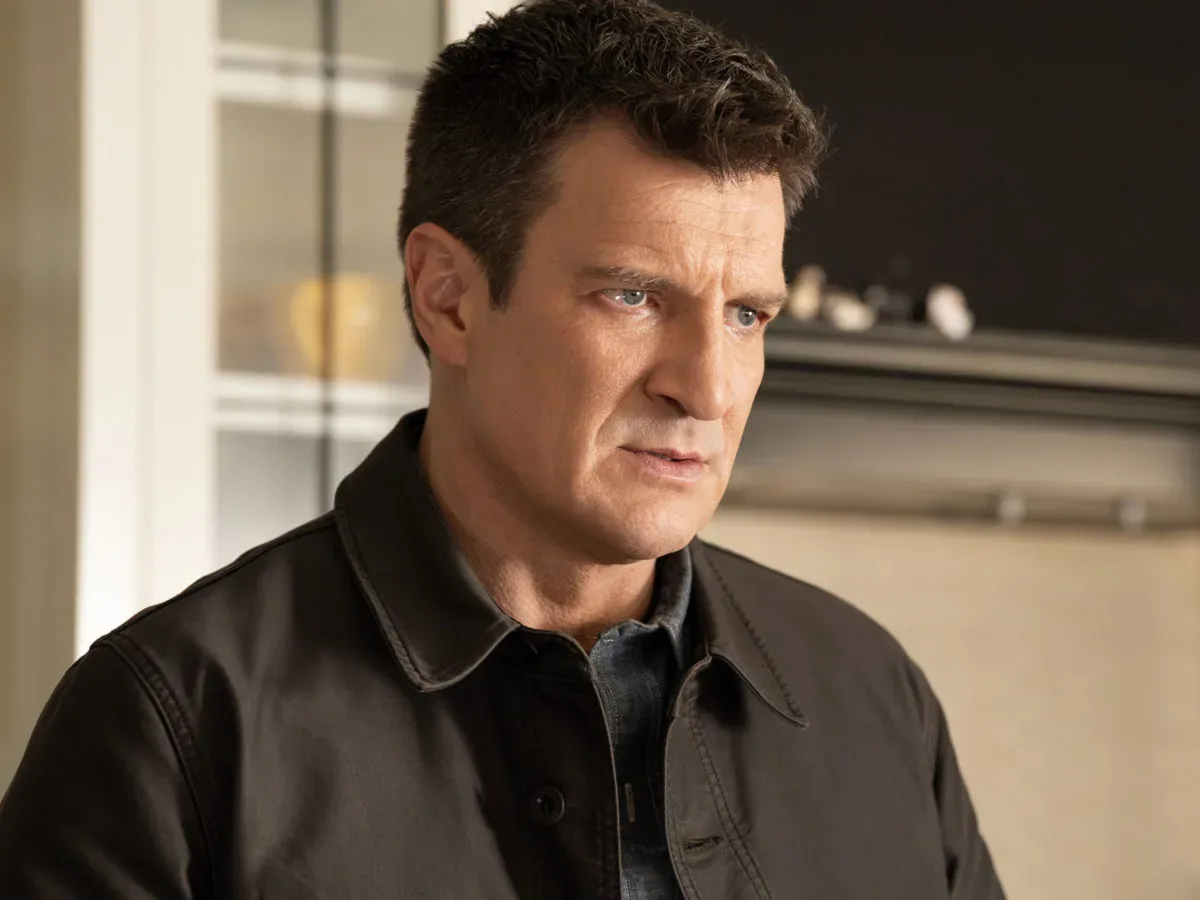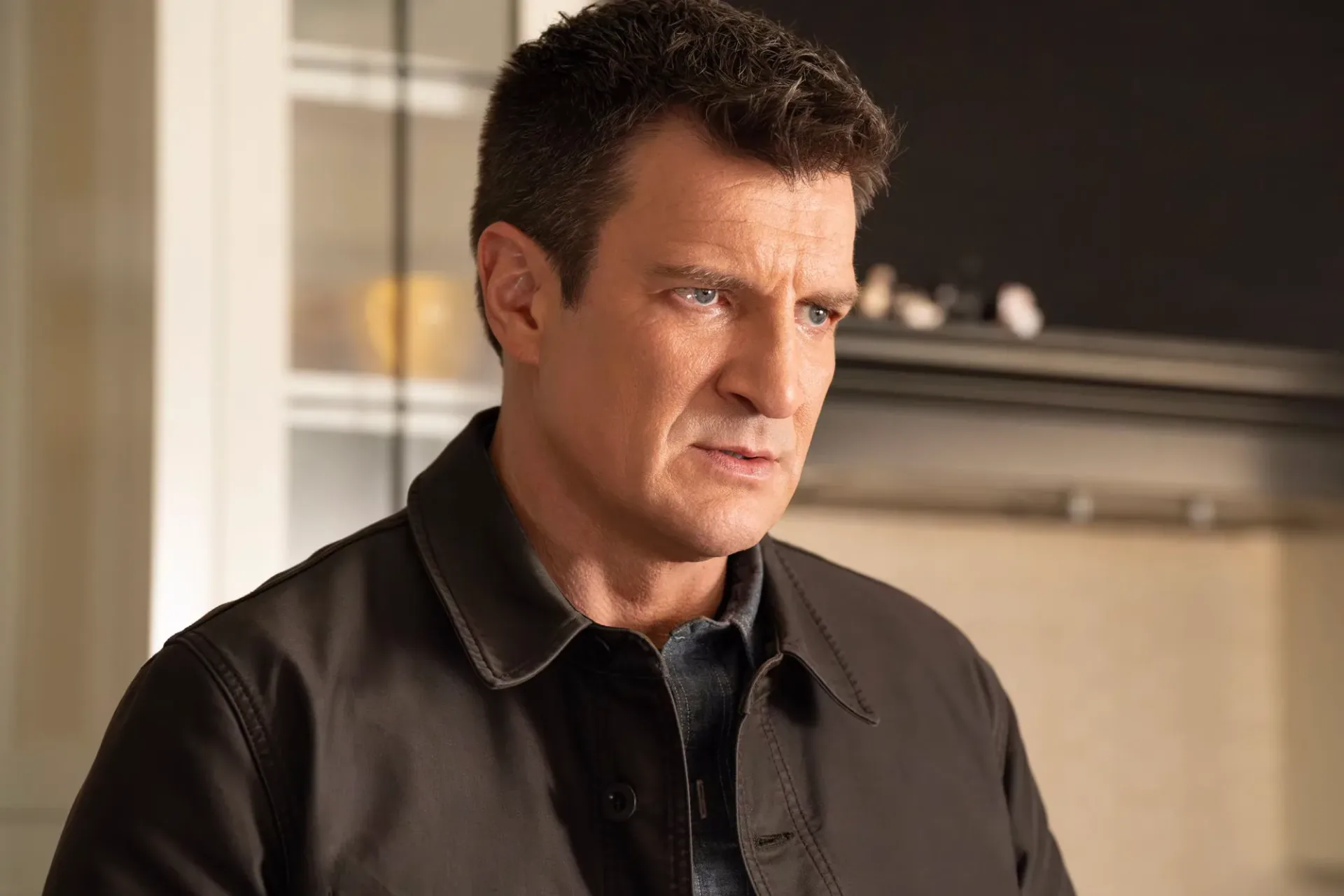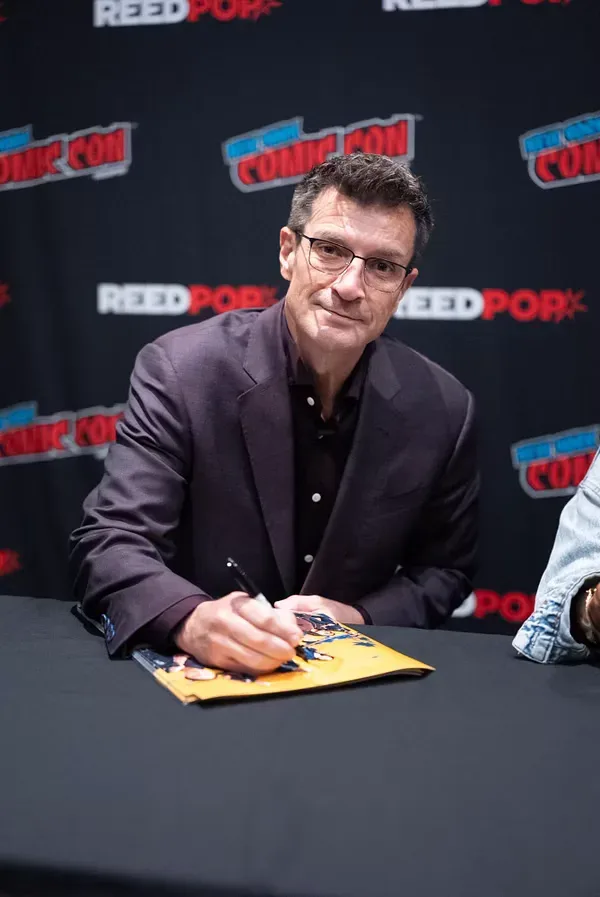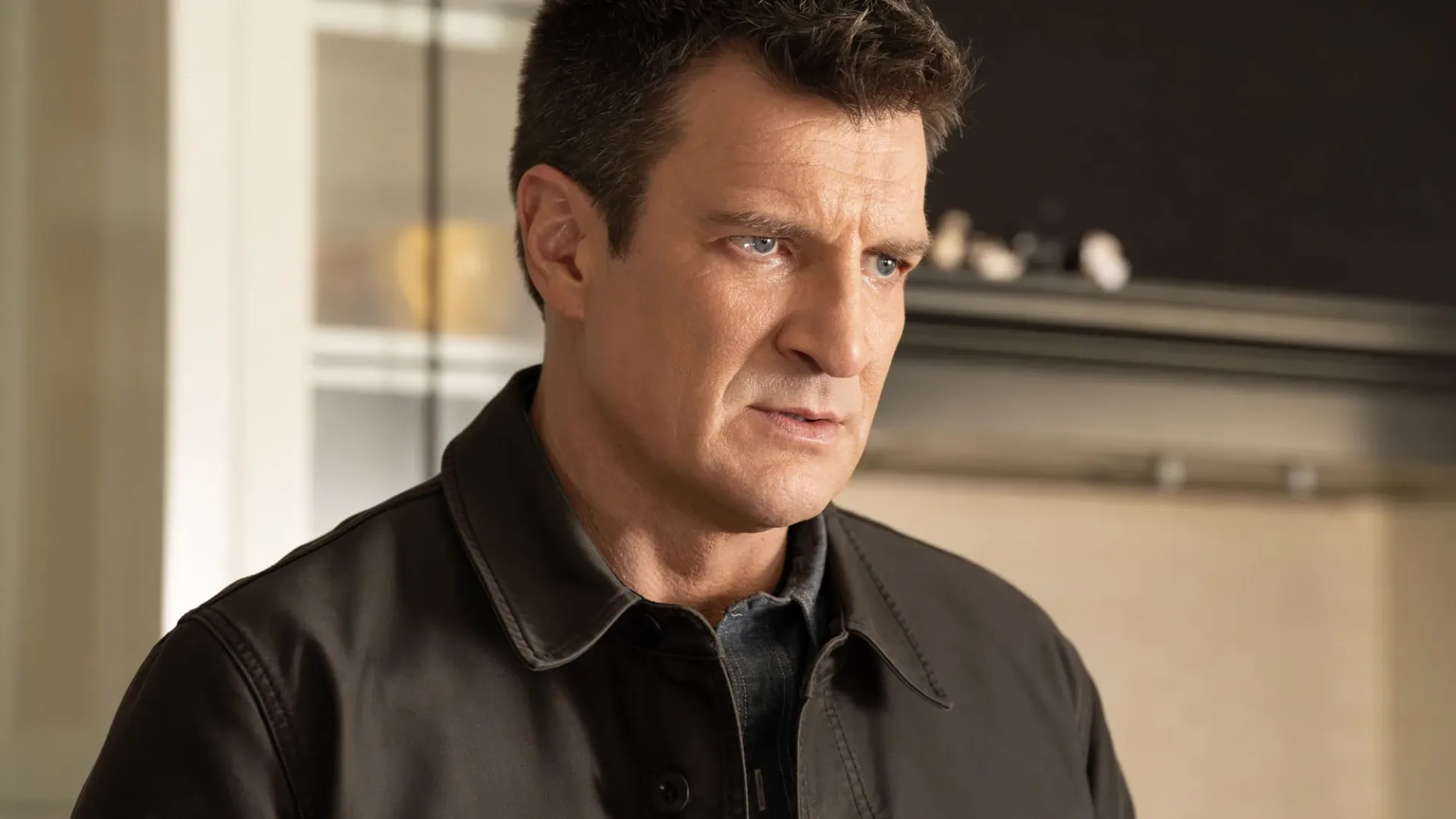
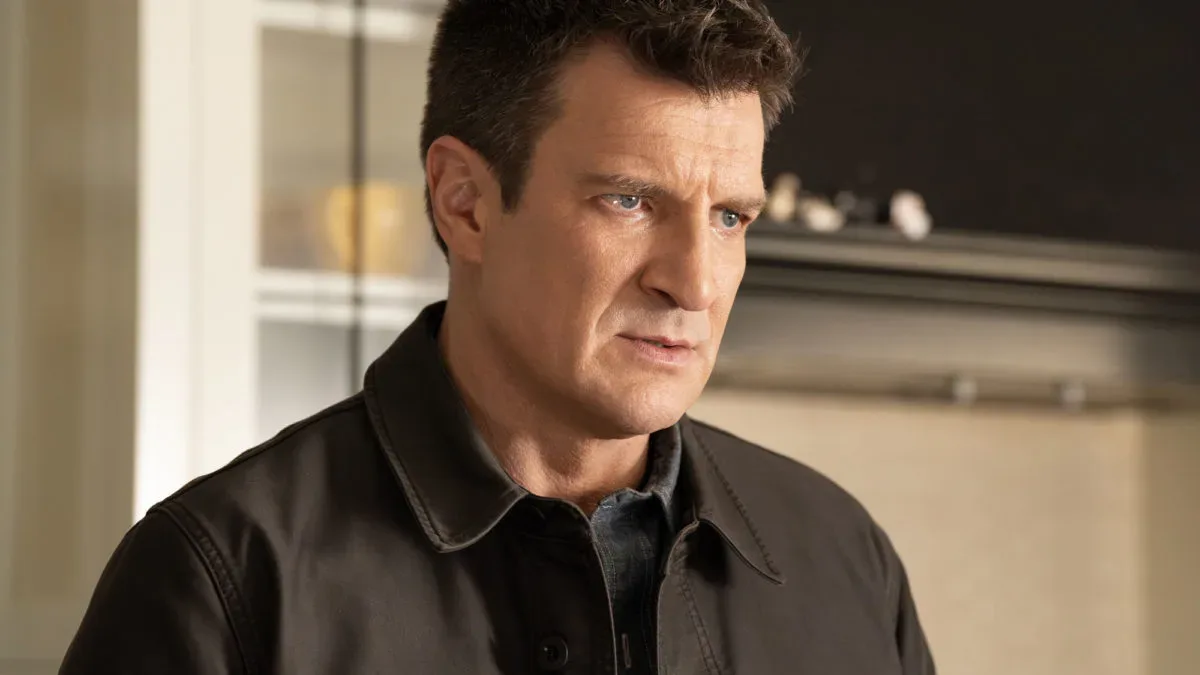
Nathan Fillion says Lionsgate has acquired the film adaptation rights to Witness Point, the four-issue Dark Horse Comics noir he co-wrote with Heath Corson and which Soo Lee illustrated. The news places a deliberately strange small-town murder mystery on a potential path from sequential art to the screen—though no cast, filmmaker, release window, or production timetable has been provided.
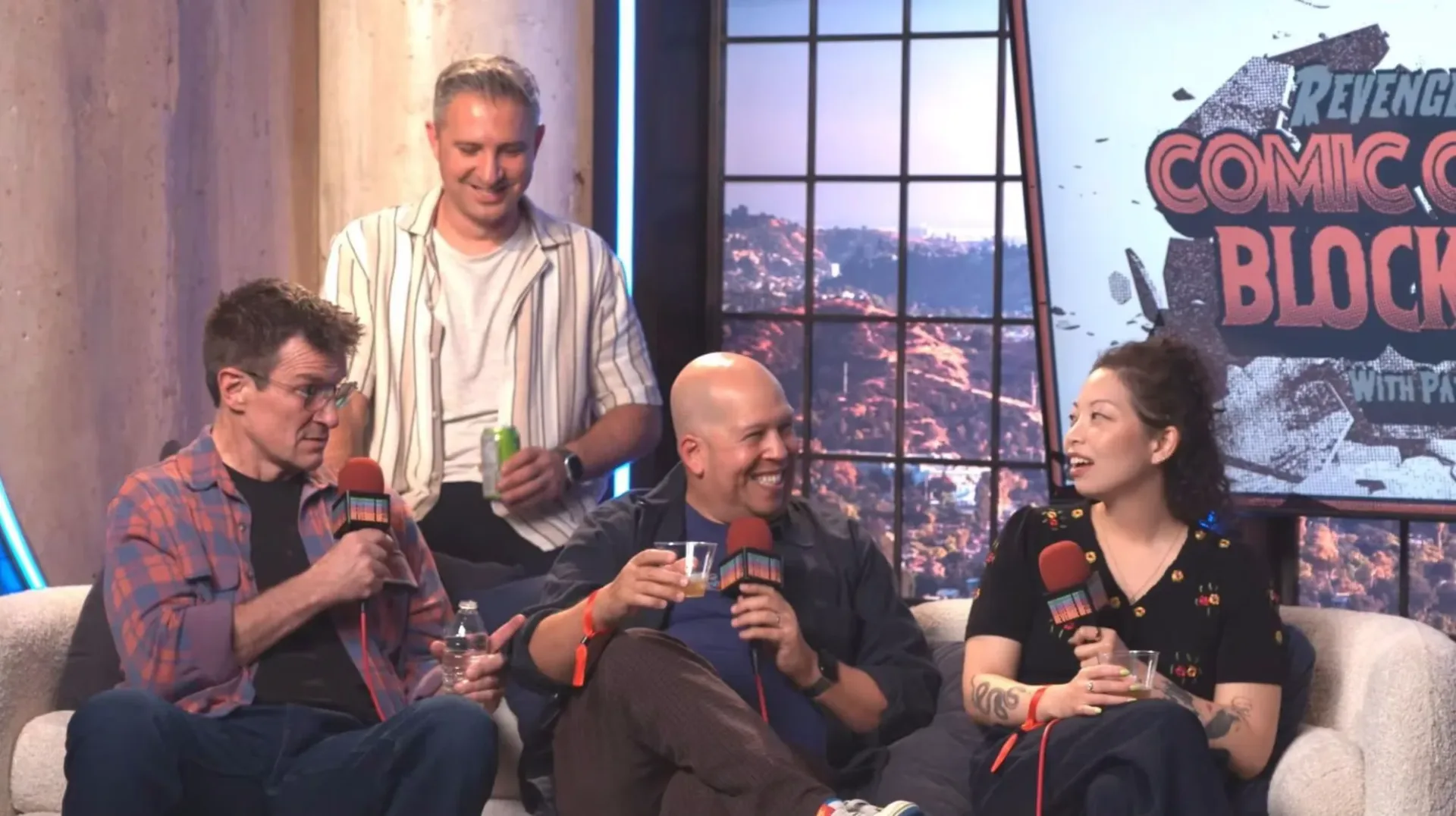
Fillion, Corson, and Lee shared the news during the closing stretch of Patton Oswalt’s lengthy Revenge Of Creators Block Party livestream. Fillion also indicated that a Witness Point sequel is planned from Dark Horse for 2027. At this point, that continuation and the Lionsgate rights deal are the substantive forward-looking details available; fans should be cautious about treating a rights acquisition as confirmation that cameras are about to roll.
A Midwestern noir with a very crowded secret
Witness Point is set in Baraboo, Wisconsin, a seemingly convivial town of cold beer, warm welcomes, a circus headquarters, and an annual Harvest Festival. Its central conceit is considerably less cozy: for four decades, the town has served as a relocation point for people in the Witness Protection Program. The result is a community full of people who may have old criminal ties, new identities, or reasons to keep their histories buried.
The story’s catalyst is the discovery of a naked, dismembered U.S. Marshal in the town square shortly before the festival. Local sheriff Carter “Kite” Calhoon must work with Deputy Marshal Priya Khabrani to investigate. As the town’s underlying arrangement becomes public, fear and suspicion spread among residents who suddenly cannot be sure who lives next door—or what someone may have done before arriving.
That setup explains why the project may be attractive as a screen property. A noir is generally a crime story shaped by moral uncertainty, pressure, secrets, and compromised characters rather than a simple puzzle with cleanly divided heroes and villains. Witness Point gives that mode an unusual engine: paranoia is not confined to a single suspect, but becomes a civic problem. The murder has the potential to expose the entire premise on which the town has operated.
It also provides a finite core narrative. The current comic story spans four issues and is collected in one volume, giving prospective viewers and readers a clear entry point rather than requiring knowledge of a long-running universe. The planned sequel suggests that Fillion and his collaborators see more stories in the setting, but it does not establish what, if anything, a Lionsgate adaptation would cover beyond the existing premise.
The creative team behind the comic
Fillion and Corson share writing credit on Witness Point, while Lee provides the art. The project was first discussed publicly around San Diego Comic-Con in 2025, at a stage when Kris Douglas was attached to the art. The completed series ultimately arrived with Lee as artist.
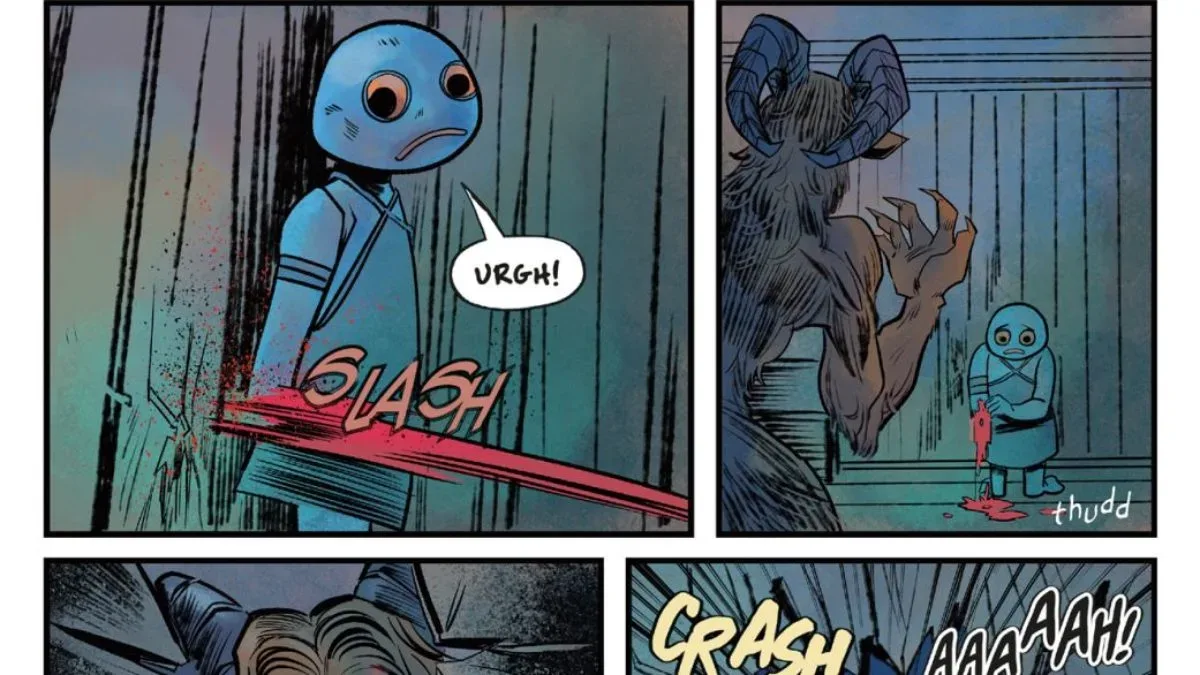
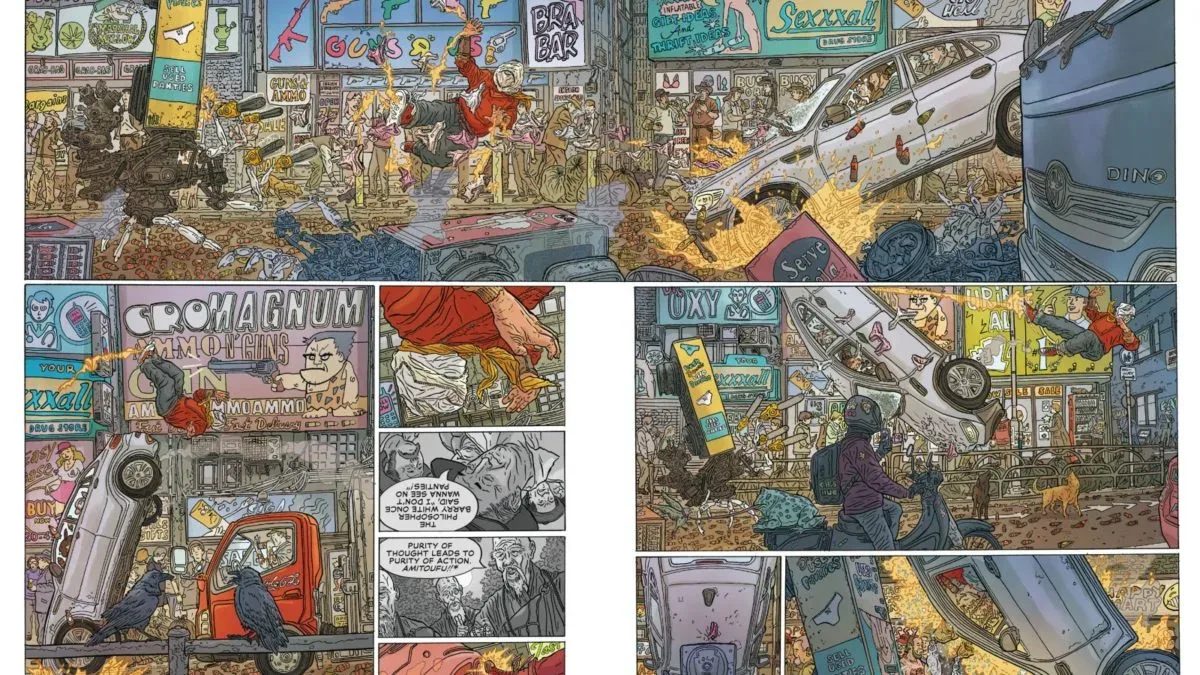
Fillion has described Corson as the person who brought him into the world of Witness Point, saying he immediately saw potential for it as a comic series. Corson, in turn, has praised Fillion’s storytelling instincts and sense of character. Lee has stressed that the book is not intended to look like a routine crime comic: its odd setting, suspects, and personalities informed the colors and visual approach.
That creative intent matters when discussing adaptation. In comics, visual atmosphere can be carried by page composition, coloring, character design, and the reader’s control over pacing from panel to panel. A film would need to translate those choices through production design, photography, editing, performance, and sound. The source material’s basic hook—an outwardly cheerful place hiding an organized accumulation of secrets—offers a strong visual contrast, but no details have been given about how a screen version might approach Lee’s aesthetic.
What acquiring film rights actually means
Film rights are the legal permission to develop a screen adaptation of an underlying work. Their acquisition is meaningful because it puts a studio or production entity in position to pursue a movie; it is not, by itself, a guarantee that a movie will be made or released. A project can still require a screenplay, attached producers and filmmakers, financing decisions, casting, scheduling, and a production green light.
For Witness Point, the announcement establishes Lionsgate as the company with the rights described by Fillion. It does not answer several major questions: whether Fillion will act in the adaptation, whether he or Corson will write or produce it, whether Lee will have a formal role, or whether the planned 2027 comic sequel will influence the film’s story. None of those details should be assumed from the rights deal alone.
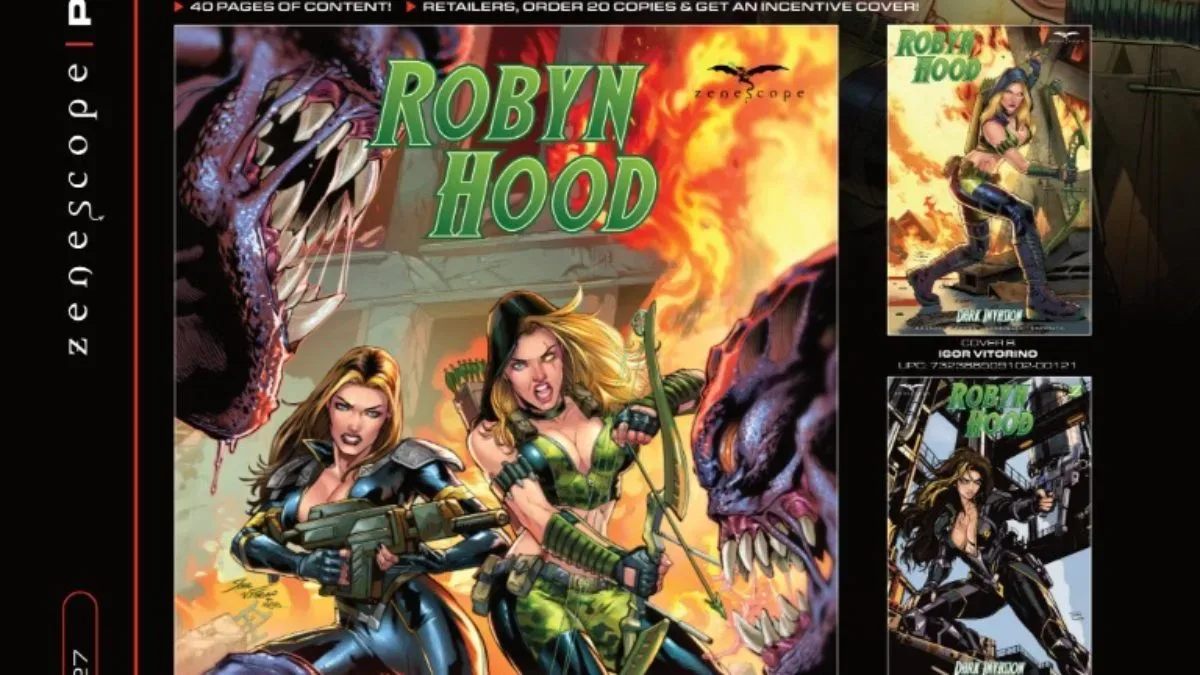
Still, the development is notable for a creator-associated original comic. Fillion is widely known for screen work, but Witness Point is presented as his first original comic, made with Corson and Lee. That combination gives the project a recognizable name while retaining a distinct collaborative identity and a compact crime-fiction concept. Readers interested in other new comic-story announcements can also find our coverage of Zenescope’s January 2027 comic lineup.
A sequel is planned, while issue #1 attention may rise
The teased 2027 Dark Horse sequel is potentially the more immediate creative development for readers, even as the Lionsgate deal has the larger industry profile. The initial series collects Witness Point #1 through #4, so new readers can approach the whole first arc before any next chapter arrives.
Adaptation news often leads collectors to focus on debut issues, variants, and signed copies. Recent marketplace activity cited for Witness Point #1 showed ordinary copies selling below $5, with listings beginning around $2.34, while a signed variant bearing signatures from the creative team sold for $40. Those are individual sales and listings, not a reliable valuation standard—and asking prices are not the same as completed purchases.
For anyone considering a copy after the film-rights news, the practical distinction is straightforward: buy the collected edition or regular issues to read the story; buy a specific first printing, variant, or signature only after checking exactly what it is and its condition. A film option or rights deal can create a burst of interest, but it cannot by itself determine long-term demand, print scarcity, or a comic’s eventual market value.
The most concrete takeaway remains the comic itself: a four-part, Midwestern crime tale built around a community whose shared secret transforms a murder investigation into a test of every resident’s identity. Lionsgate’s reported acquisition gives the premise a possible cinematic future. Until further information emerges, the 2027 sequel and the collected first story are the clearest places for the world of Witness Point to expand.
Shop the products
Check current price, model and availability at the retailer.