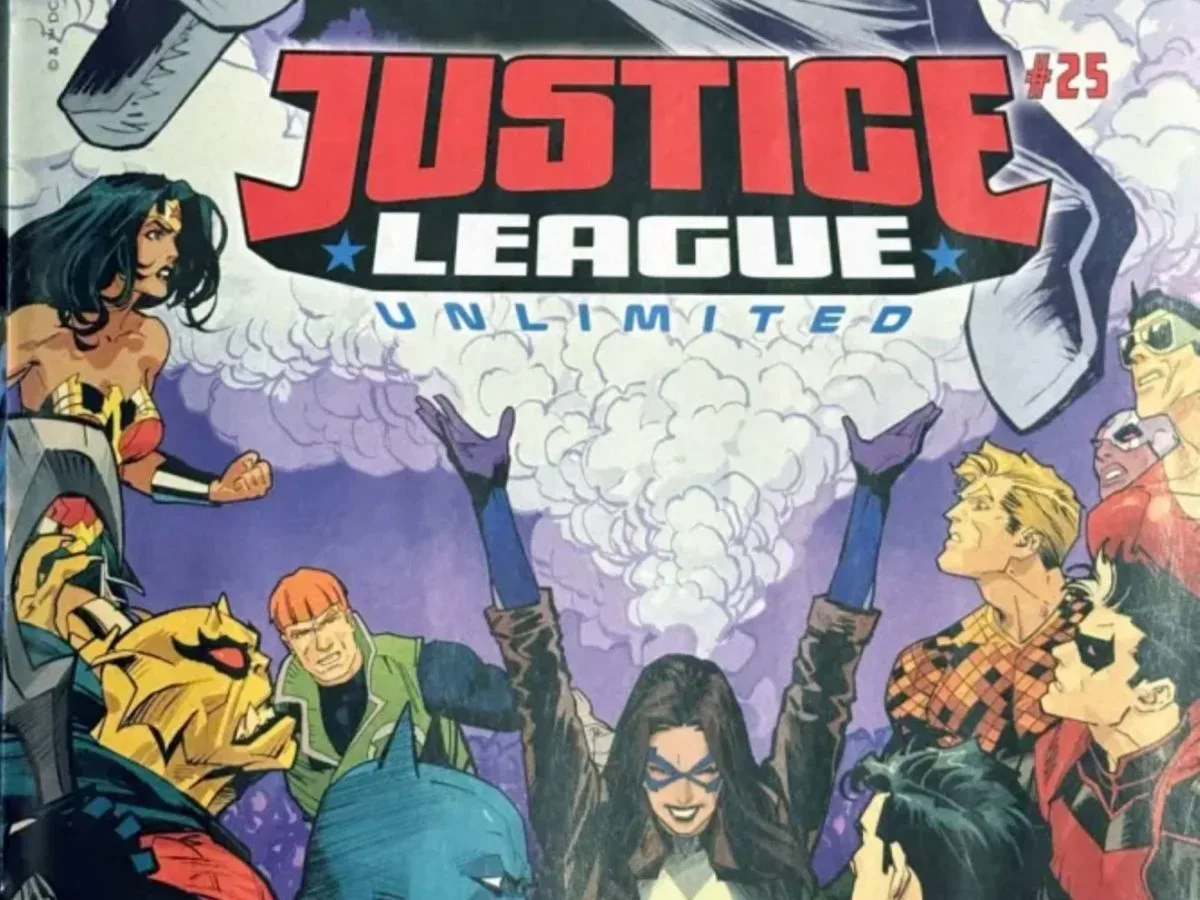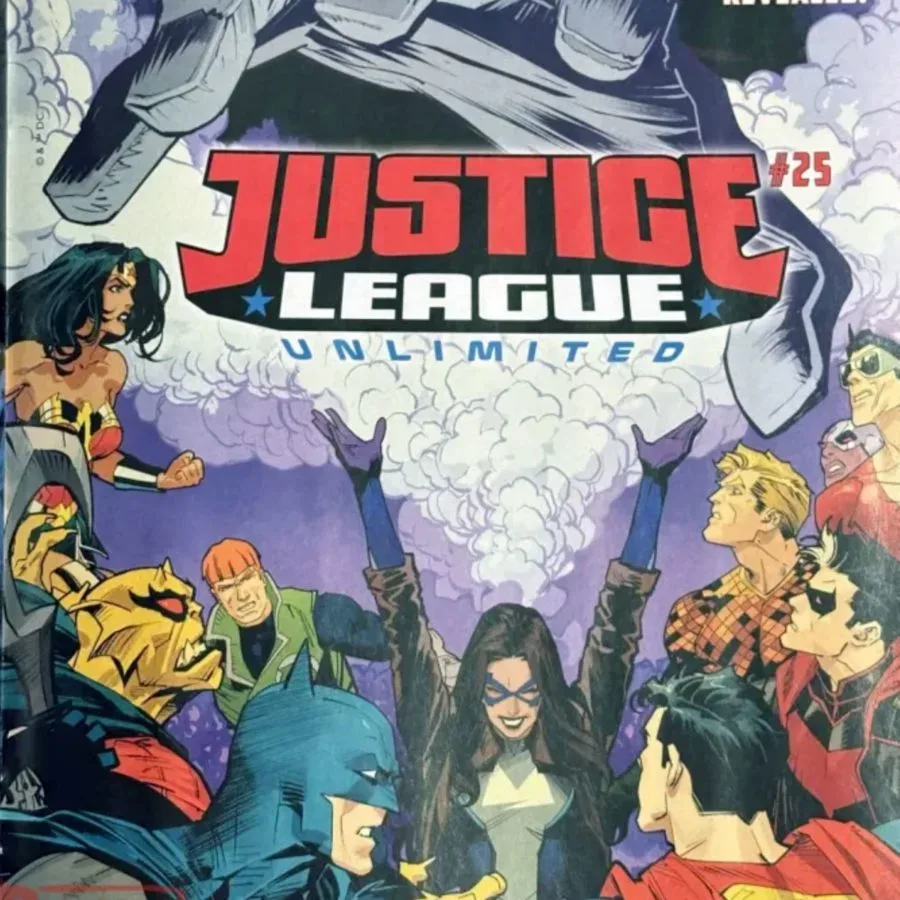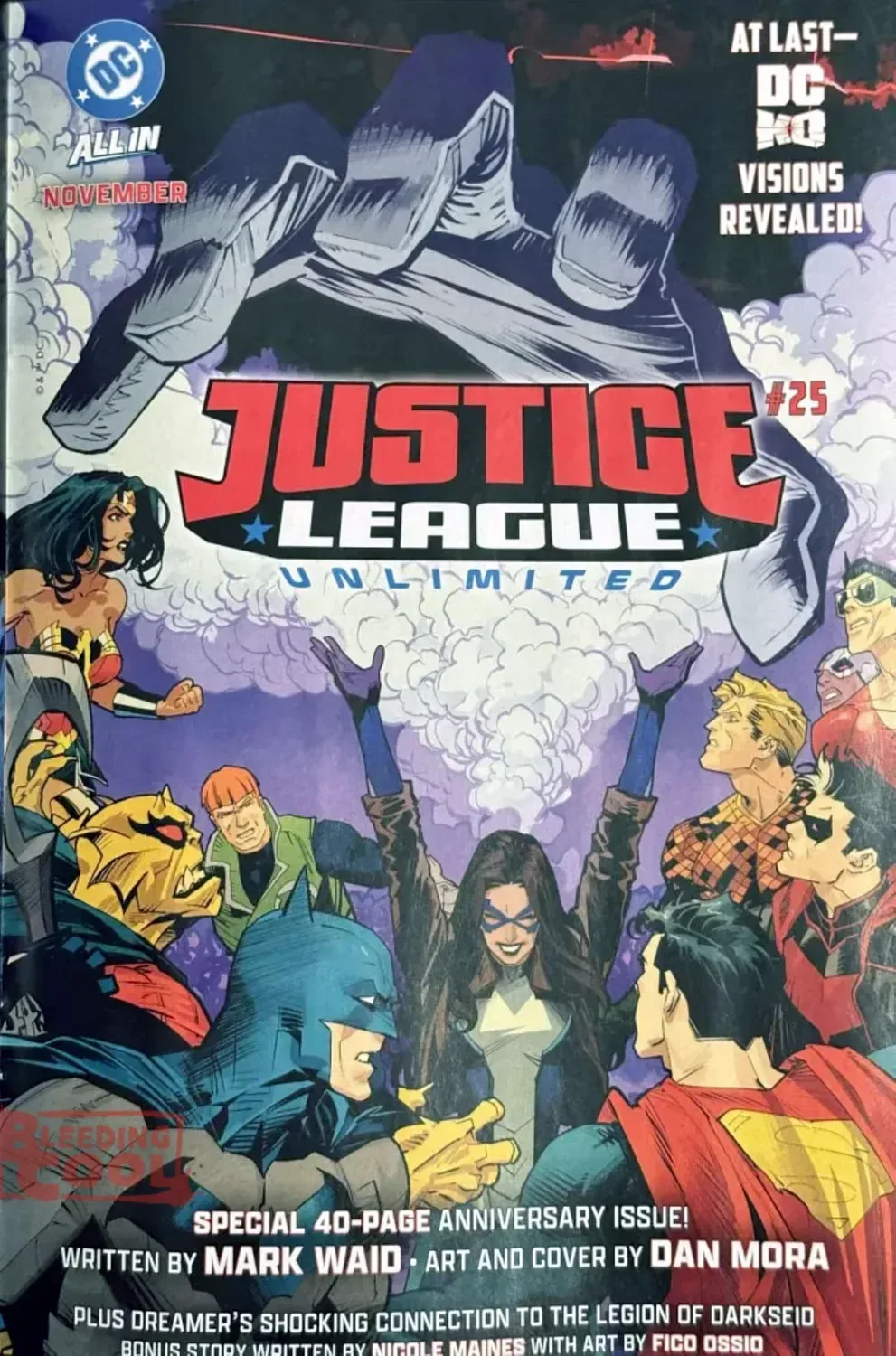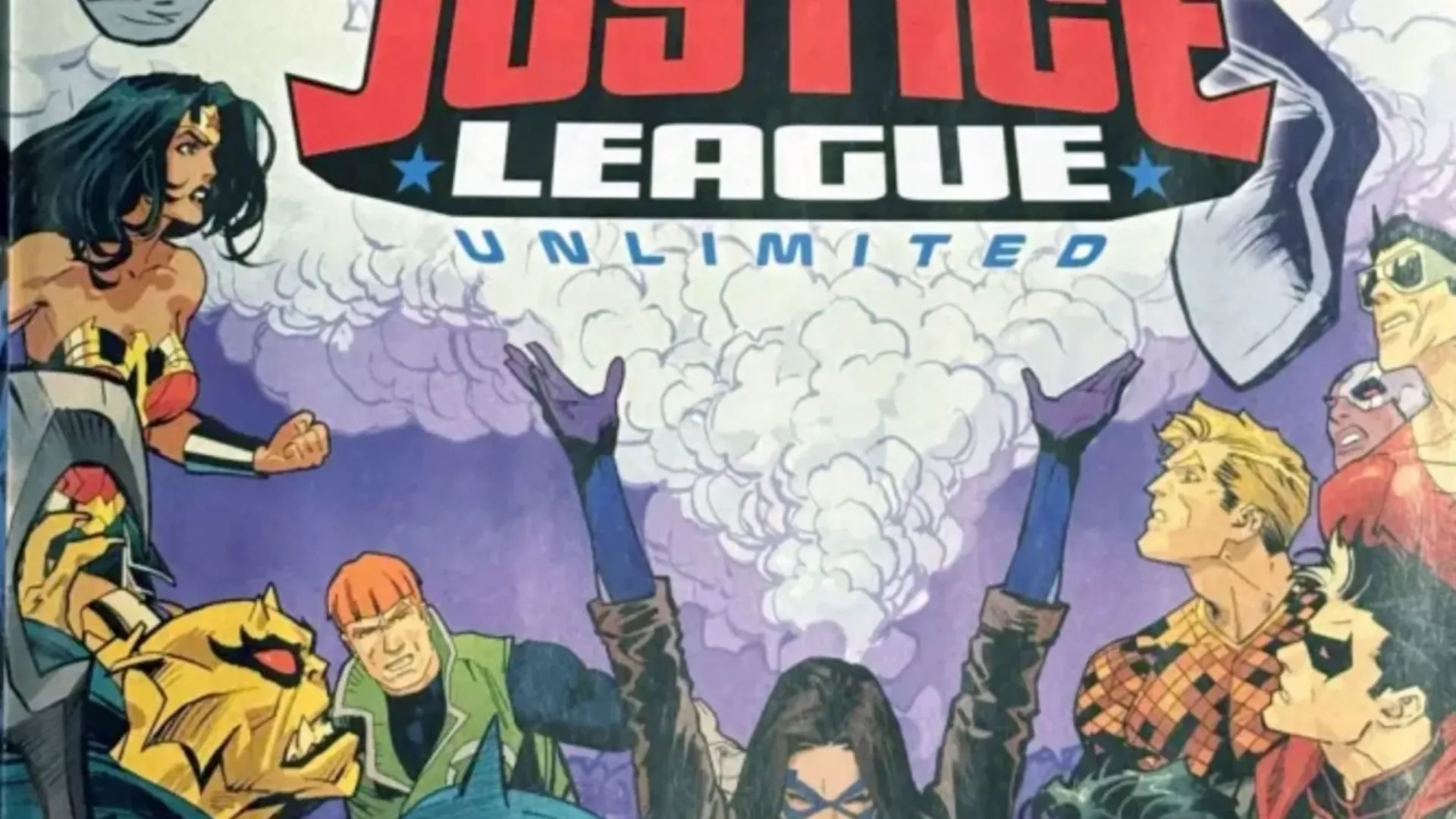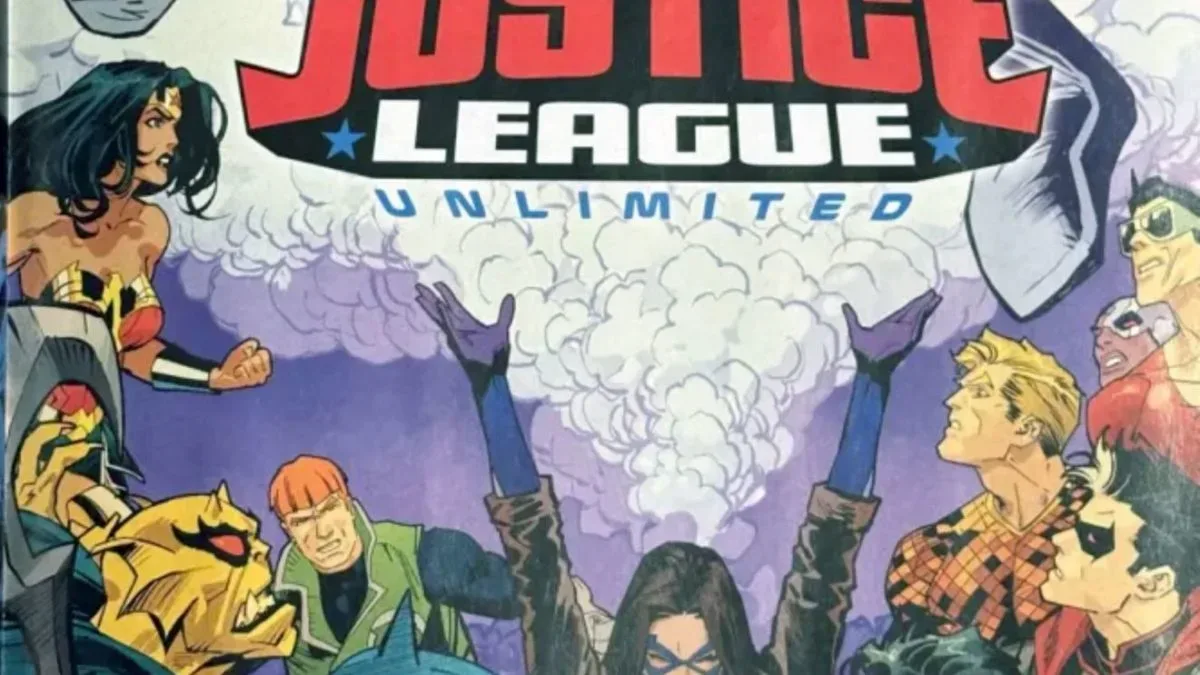
Justice League Unlimited #25 is positioning Dreamer as the crucial figure in the next major turn of DC’s All In saga. The oversized anniversary issue, due November 25, 2026, promises to finally reveal the visions that followed the DC K.O. tournament while sending the Justice League after a fugitive precognitive hero capable of bringing a growing surge of power together.
The issue is credited to writers Mark Waid and Nicole Maines, artists Dan Mora and Fico Ossio, with a Dan Mora cover. Its solicitation frames the plot as “A Vision of Crisis,” a phrase that neatly describes the book’s two biggest story obligations: explain what the tournament-generated visions mean, and establish why Dreamer is indispensable to the heroes’ response.
That makes issue #25 more than a commemorative number. It is being billed as a major All In saga event, and its premise places one character’s ability to perceive the future at the intersection of several ongoing superhero-story mysteries.
What the issue is set to reveal
The central unanswered thread is the set of visions experienced after the K.O. tournament. Those visions have helped drive stories involving the Justice League, Aquaman, the Flash, and the Green Lantern Corps. Justice League Unlimited #25 is explicitly presented as the point where those post-tournament visions will be revealed at last.
“Post-K.O.” matters here because the solicitation treats the tournament as a catalyst rather than merely a self-contained event. The visions emerged in its wake and have apparently carried consequences across multiple corners of the DC universe. A delayed explanation can make an eventual reveal feel consequential: readers have been asked to hold onto an image or warning without having the full framework for interpreting it.
There is still an important limit to what has been confirmed. The issue has promised a reveal, but the available material does not spell out the visions’ content, identify their ultimate cause, or say precisely how the various involved titles will be affected. The certainty is the story’s focus, not its resolution.
What “precog” means in this story
Dreamer is described as a precog, short for precognitive: someone with the power to perceive or foresee future events. In a superhero narrative, that ability creates a different kind of stakes from a straightforward physical threat. A character who sees possibilities can be hunted for information, blamed for a future that has not happened, or forced to decide whether acting on a vision prevents disaster or helps cause it.
The solicitation says the League must locate the one precog with enough power to unite the surge of power. That wording makes Dreamer’s role practical as well as prophetic. She is not simply someone holding a clue that the team needs. She may be the means by which scattered or unstable forces can be brought into alignment.
At the same time, Dreamer is identified as a fugitive. The material does not establish who is pursuing her, why she is on the run, or whether the League’s search begins as a rescue, an attempt to gain her cooperation, or something more complicated. That uncertainty is central to the hook. A hero who can see danger coming may have especially strong reasons not to let powerful institutions decide how her power will be used.
Dreamer’s “unlikely savior” role
Nicole Maines and Fico Ossio are specifically attached to Dreamer’s journey toward becoming an “unlikely savior.” The phrase signals a transformation in how the character is viewed within this conflict. It does not necessarily mean that Dreamer begins as an antagonist; rather, it suggests that her importance may be underestimated, contested, or difficult for the wider heroic community to accept.
That is a fitting dramatic function for a character tied to future sight. Precognition does not automatically produce certainty. Visions can be warnings, possible outcomes, or fragments that need interpretation. Even a clear prediction can become difficult to act upon when other people do not share the context behind it. By making Dreamer both the target of the League’s search and the potential figure who can save the situation, issue #25 gives her agency in a plot built around knowledge, power, and the future.
The creative split is also notable without requiring assumptions about the structure of the issue. Waid and Mora are described as the team that began the series, while Maines and Ossio are named for Dreamer’s portion of the story. Whether that takes the form of a distinct backup, an interwoven narrative, or another format has not been detailed. What is clear is that the anniversary issue is using its expanded scope to foreground Dreamer rather than treating her as a supporting clue in someone else’s event.
The Legion links, and what remains unclear
Promotional material points toward a connection involving Dreamer, the Legion of Darkseid, and the Absolute Universe’s Legion of Super-Heroes. That is potentially the issue’s broadest piece of setup, because it invokes groups associated with very different corners of DC storytelling.
However, “connection” should not be mistaken for a complete explanation. The available description does not confirm whether Dreamer has a shared history with either Legion, whether they are enemies or allies, or whether the link is rooted in the revealed visions. Nor does it define the Legion of Darkseid’s relationship to the Absolute Universe’s Legion of Super-Heroes.
For readers keeping score, the most sensible approach is to separate the firm facts from the teased implications:
- Confirmed: Dreamer is a fugitive precog whom the League needs to find.
- Confirmed: the issue will address the visions that followed the K.O. tournament.
- Confirmed: promotional material has pointed to Dreamer’s connection with the Legion of Darkseid and the Absolute Universe’s Legion of Super-Heroes.
- Not yet detailed: the exact nature of those links, the identity of Dreamer’s pursuers, and the result of the vision reveal.
That distinction is worth making because crossover-oriented comic promotion often works through names and concepts before it supplies the mechanics. The presence of Darkseid, an Absolute Universe reference, and two Legions immediately expands the apparent scale of the story, but issue #25 is where the promised specifics are expected to begin arriving.
A team of minds rather than a simple power contest
The solicitation asks whether a new core team made up of the DC universe’s “mightiest minds” can confront what lies ahead. That wording shifts the anticipated conflict away from a purely force-based showdown. A crisis involving visions, a fugitive seer, and multiple possible cosmic connections naturally demands interpretation as much as strength.
In comic-book terms, a “core team” is a smaller group operating within a broader team roster. The phrase does not identify every member here, so there is no confirmed lineup to list. But the idea has clear story value: narrowing a large Justice League operation to its problem-solvers can put the emphasis on investigation, strategy, and competing readings of incomplete evidence.
The question of whether a dream becomes a nightmare also works on two levels. It is an obvious play on Dreamer’s name, but it reflects the uncertainty at the heart of precognitive stories. A vision may be salvation, warning, manipulation, or all three depending on who understands it and what they do next.
Why this anniversary issue may matter across the line
DC has described Justice League Unlimited #25 as the biggest anniversary event in the All In saga. The milestone status is backed by the oversized format, the return of Waid and Mora alongside Maines and Ossio, and a plot designed to pay off a thread that has run through several superhero books.
For readers following the broader saga, the key practical implication is that this issue looks positioned as a clarification point. The K.O.-related visions have been an ongoing element in Justice League, Aquaman, Flash, and Green Lantern Corps material; the new issue is the one directly promising answers. That does not prove it will resolve every storyline at once, but it does make it a likely reference point for anyone trying to understand the next phase.
For Dreamer readers, the draw is more character-specific. Rather than simply being adjacent to the event, she is named as the person whose power can unify the crisis and whose path leads toward an unlikely savior role. The teased Legion and Absolute Universe material adds wider intrigue, but the emotional and structural center appears to be Dreamer’s difficult position: vital to the future, yet currently running from those who want to find her.
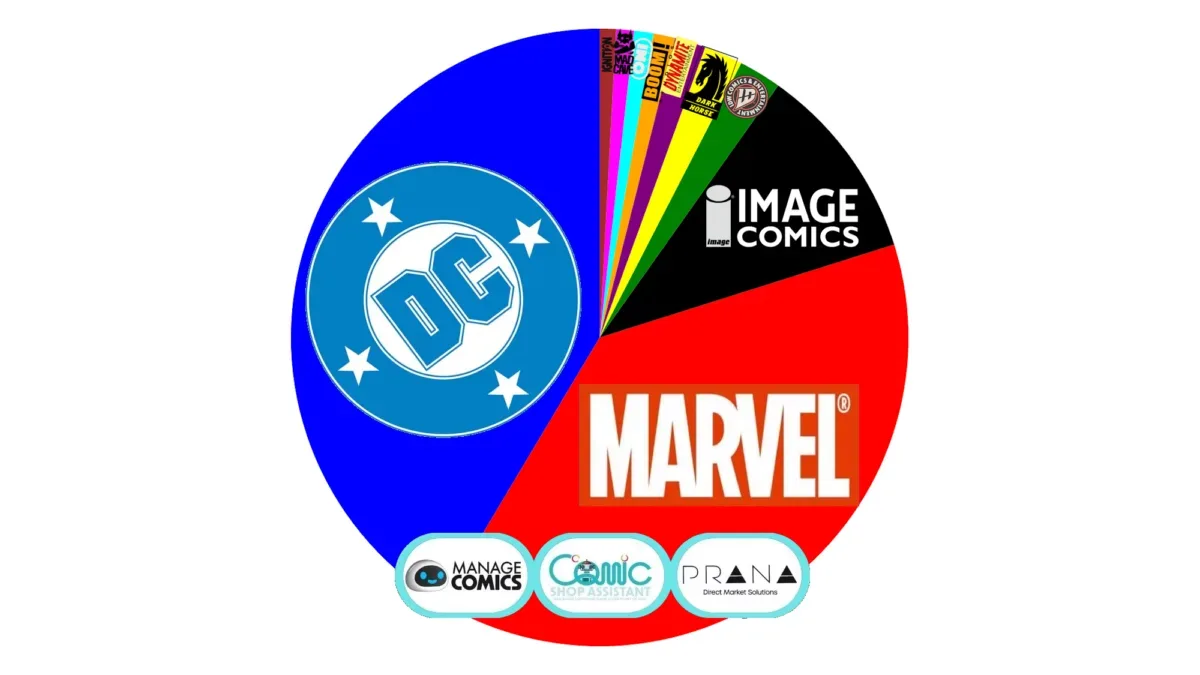
It is also another example of the way current superhero comics use an ongoing event framework. The tournament, the visions, the League’s search, and the Legion references are not presented as isolated facts. They are parts of a continuing chain, with one title carrying the burden of explaining enough to propel the next set of stories. Readers looking for another recent snapshot of comic-shop attention around DC and Marvel can find it in this comic sales-share report.
Release details
Justice League Unlimited #25 is scheduled for November 25, 2026, at $4.99. Mark Waid and Nicole Maines are credited as writers, Dan Mora and Fico Ossio as artists, and Mora as cover artist. The issue is oversized and serves as the series’ 25th installment.
Until the comic arrives, the most substantial promises remain the long-awaited post-K.O. vision reveal and Dreamer’s elevation from fugitive precog to potential savior. The Darkseid and Absolute Universe Legion material gives the chapter a larger horizon, but its exact purpose is still being held back—appropriately enough for a story about a hero who can see ahead when everyone else cannot.