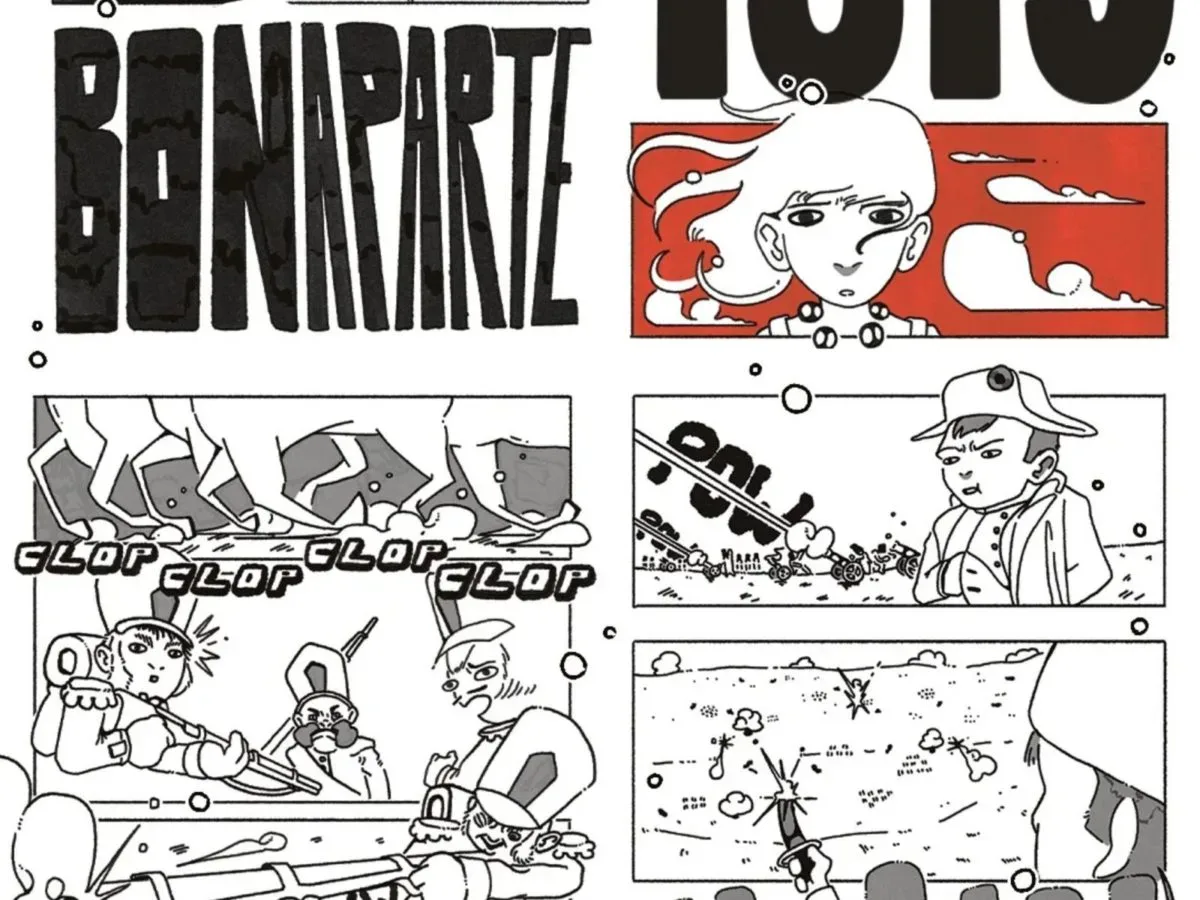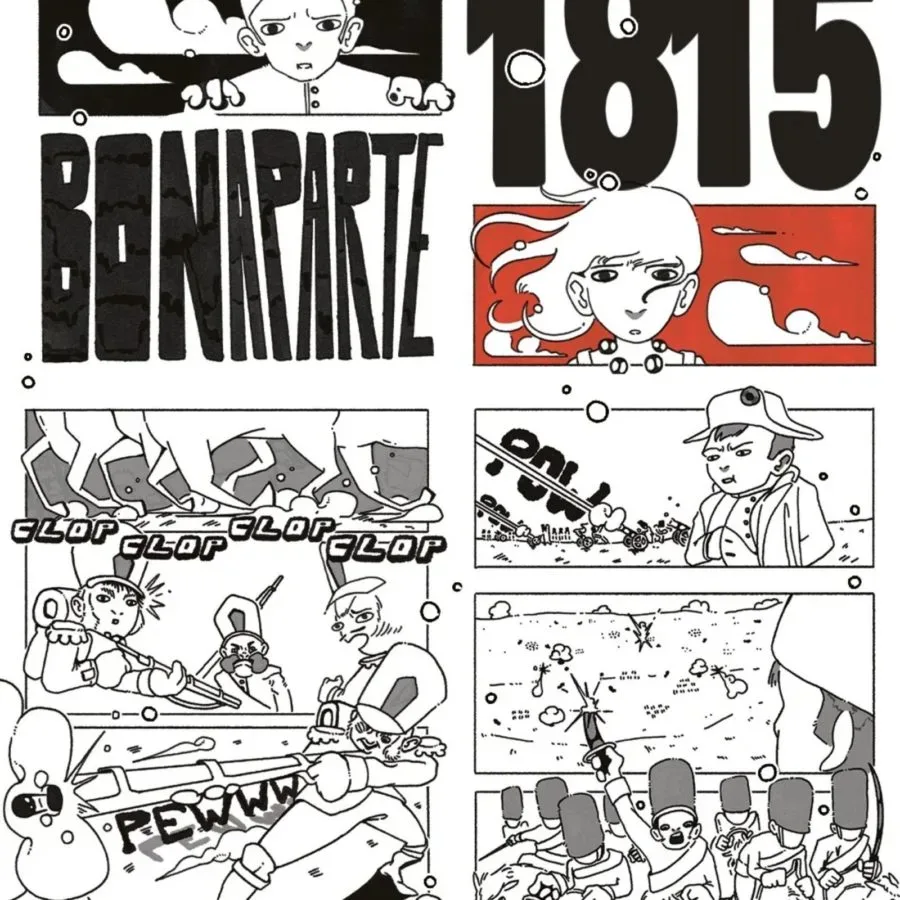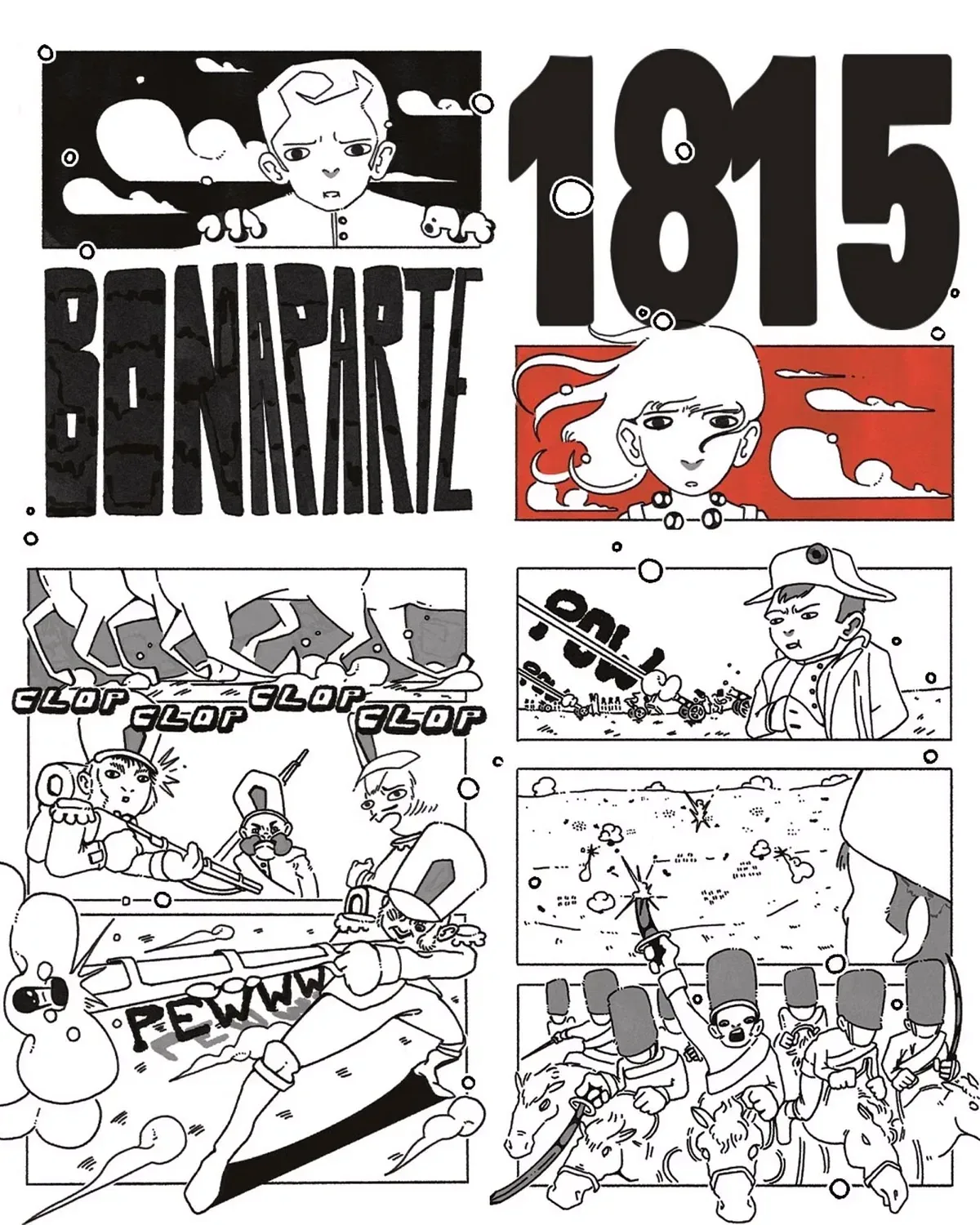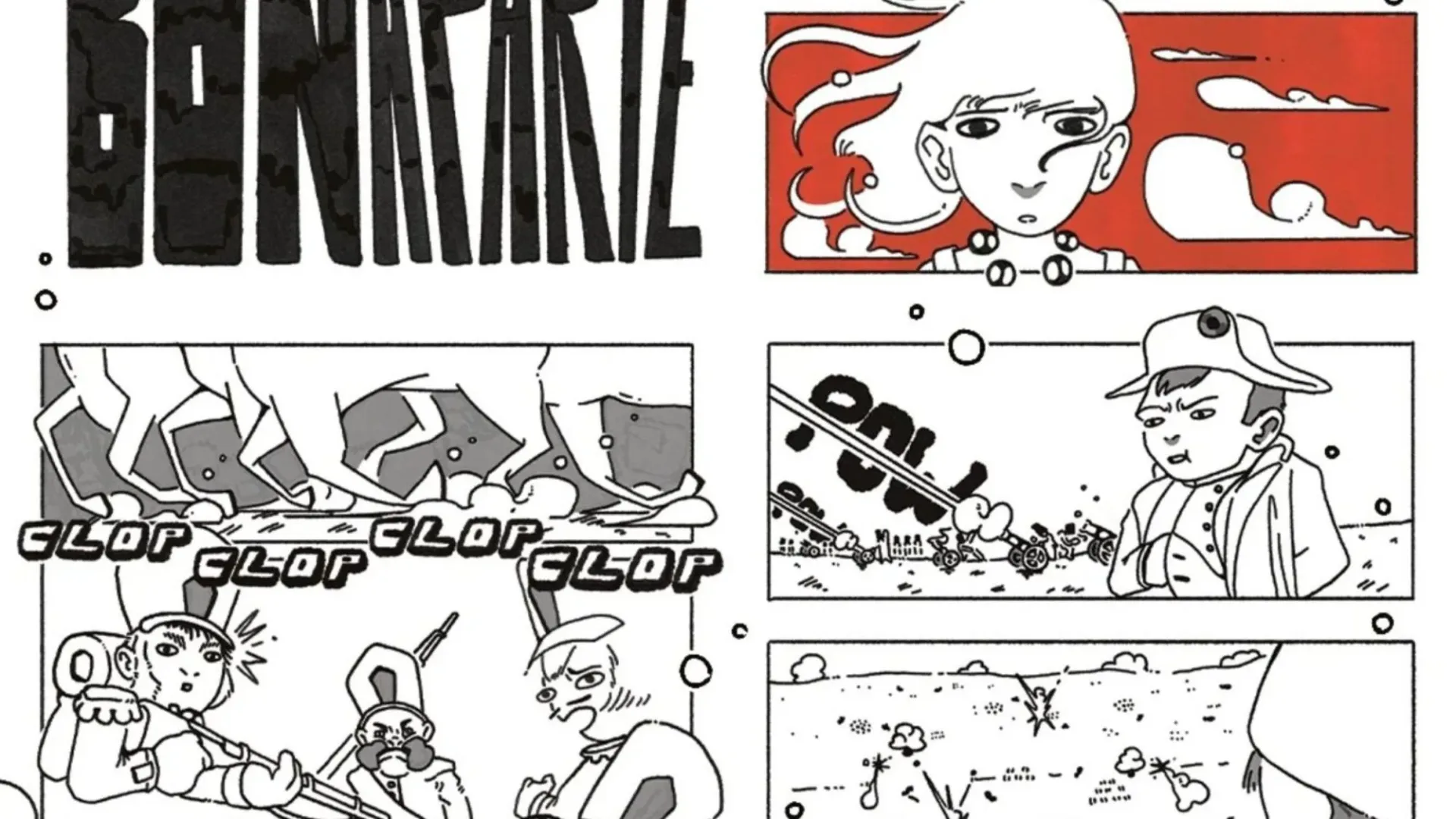
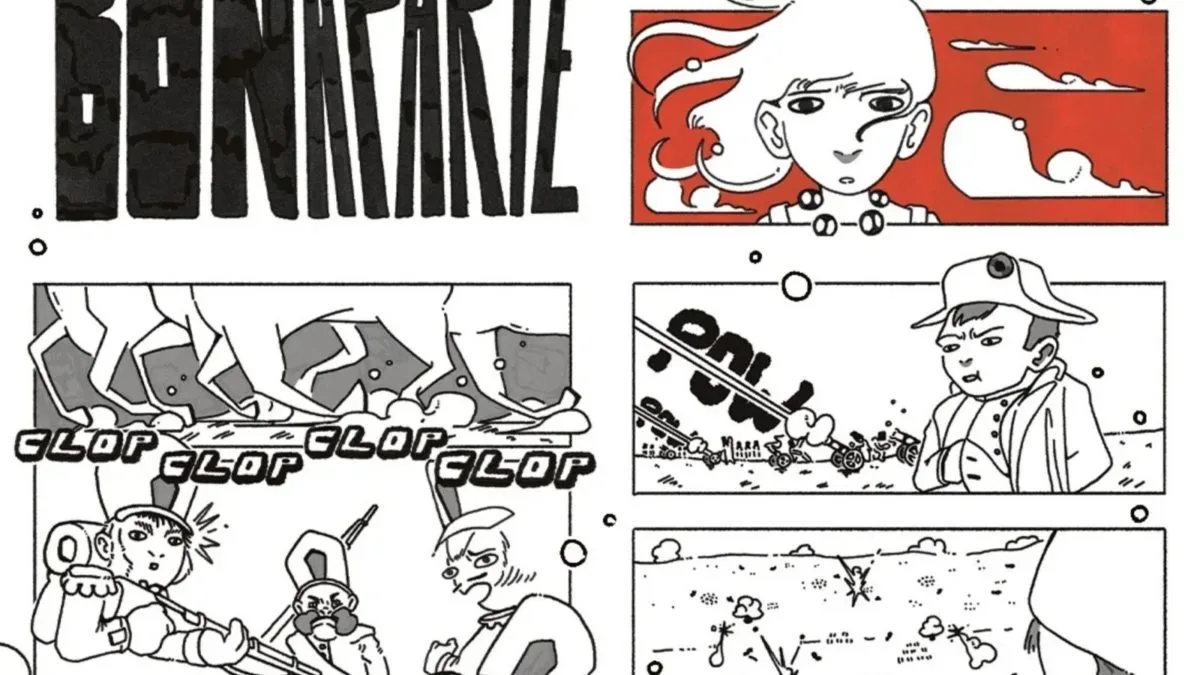
Bonaparte, a new adults-only manga-format comic by Luca le Jeune, is set to debut at Thought Bubble. Published under the Loocart name, the book follows Napoleon Bonaparte’s return and the mounting pressure ahead of Waterloo, the battle that became the decisive confrontation of the Napoleonic Wars.
Readers attending the Harrogate event can find Luca le Jeune in Redshirt Hall at table B6b. The debut is timed for Thought Bubble’s 20th show, held on November 14 and 15 at Harrogate Convention Centre as the endpoint of a wider week of events across Yorkshire.
A historical comic focused on the approach to Waterloo
The premise is deliberately narrower than an attempt to recount every stage of Napoleon’s military and political life. Bonaparte is positioned around his return and campaign toward Waterloo, with particular attention to the moments before his final battle. That framing matters: stories about landmark battles often place their emphasis on the action itself, while a lead-up can make uncertainty, ambition, calculation and dread the real dramatic engine.
Waterloo carries an unusually final weight as a subject. The battle is identified as the decisive battle of the Napoleonic Wars, so a comic that moves toward it is not merely presenting a military destination. It is using an outcome readers may already recognize to create tension from the route taken to get there. The pertinent question becomes less “what happens?” than how the work depicts the approach to an event whose historic importance is already embedded in its title.
The term manga-format describes the form or presentation being used for the comic; it does not, by itself, establish a particular plot structure, artistic technique, page count or reading direction. What is clear is that Le Jeune is approaching this historical material as a comic rather than as a conventional prose account or a screen production. In comics, the creator controls the reader’s pace through panel arrangement, page turns, image scale, dialogue and silent intervals. For a story built around anticipation, that control of rhythm can be as significant as the depiction of the eventual conflict.
The film influence behind the project
Le Jeune has pointed to Sergei Bondarchuk’s 1970 film Waterloo as an inspiration. That English-language historical war epic starred Rod Steiger as Napoleon Bonaparte and Christopher Plummer as the Duke of Wellington. It is especially known for its battle sequences, filmed in Ukraine with 17,000 extras in period dress.
That reference establishes a useful creative context without defining exactly what the comic will look like or how closely it will follow the film. An influence is not a promise of adaptation. Still, Bondarchuk’s film is a natural touchstone for a comic about Waterloo because of its commitment to visual scale and the difficulty of making a massive historical confrontation legible to an audience.
A comic faces that problem differently from a film. A movie can direct the viewer’s eye through movement, editing and sound; a comics page must organize the eye through still images and sequence. One wide image may communicate the extent of an army or landscape, while a close panel can abruptly narrow the focus to a face, an order or a private hesitation. The medium can shift from spectacle to interiority without needing an enormous physical production. That is an analytical observation about comics storytelling, rather than a claim about specific pages in Bonaparte, which have not been detailed here.
The adults-only designation also deserves to be read carefully. It establishes the intended audience, but it does not specify why the book has that rating or what content it contains. Historical warfare, political conflict and the human realities surrounding them can all support mature treatment, yet no further description of the comic’s content has been provided. Prospective readers should therefore take the adults-only label as an audience marker, rather than infer details that have not been confirmed.
Why Thought Bubble is a fitting debut venue
Thought Bubble is a major UK comic-art festival with a strong focus on creators, particularly artists and writers, and a notable commitment to small press work. Its convention component now takes place in Harrogate, following a move from Leeds in 2019 driven by the need for additional space and issues involving Leeds City Council.
The festival began in 2007, founded by Yorkshire artist Lisa Wood, also known as Tula Lotay, as part of the Leeds International Film Festival. Its first event took place in the basement of Leeds Town Hall and drew a few hundred attendees. Two decades later, the 20th show offers a setting where a creator-owned or small-press historical comic can meet readers in the same space as a broad range of comics, illustration and animation work.
That direct setting is practically important for a debut. A table appearance gives visitors the clearest opportunity to locate a specific book, speak with its creator and assess whether its format and historical subject appeal to them. In this case, the useful details are straightforward: Bonaparte is associated with Loocart, Luca le Jeune is listed for Redshirt Hall table B6b, and the comic is intended for adults.
Thought Bubble’s small-press emphasis also helps explain why a project such as Bonaparte can stand out. A comic does not have to belong to a giant shared universe or arrive with a familiar licensed property to offer a compelling premise. The combination here is specific: a manga-format work, a major historical subject, and a focus on Napoleon’s road to his final battle. Festival-floor discovery is particularly suited to that kind of concise creative proposition.
What prospective readers should and should not expect
The confirmed material supports a clear expectation of historical drama centered on Napoleon and Waterloo’s immediate lead-up. It also supports an expectation that the work engages with the visual legacy of Bondarchuk’s 1970 film. Beyond that, restraint is warranted. No price, page count, print run, wider release plan, plot breakdown or additional characters have been specified.
That lack of detail is not a flaw in the premise; it simply defines the boundary between established information and speculation. It would be premature to characterize the comic’s historical argument, its exact visual style, the degree of battlefield action, or its treatment of figures beyond Napoleon. The more accurate description is that it is a mature historical comic set against the campaign toward Waterloo and debuting at the festival.
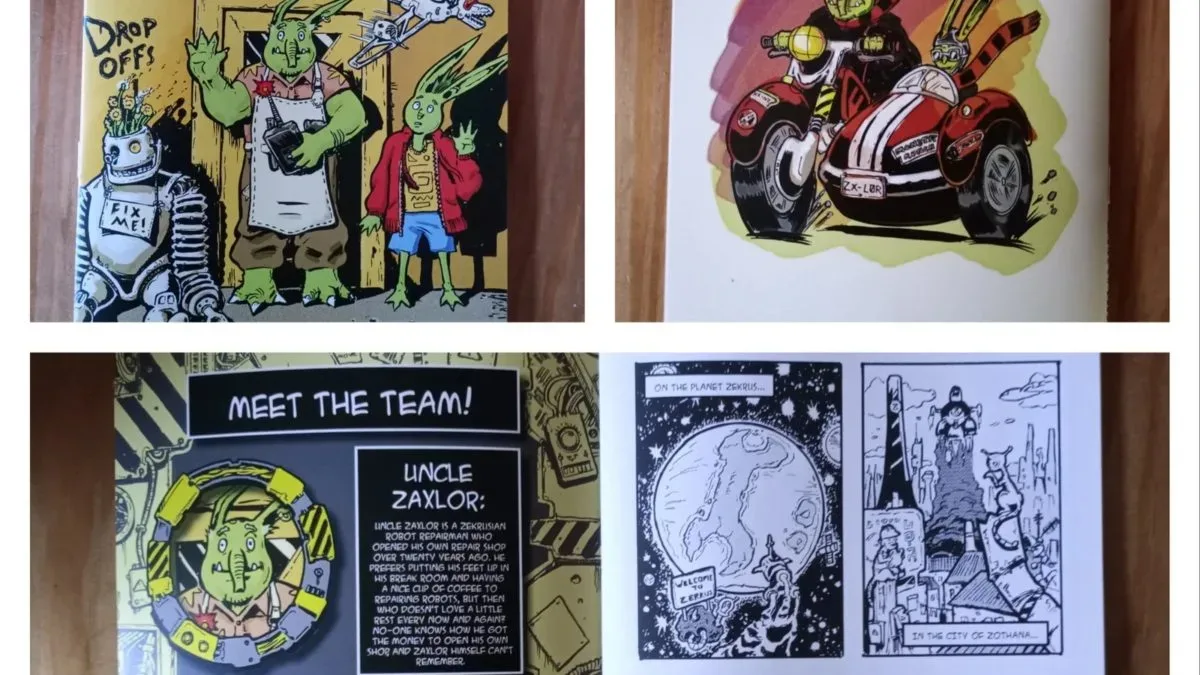
For attendees planning their routes through the convention, table B6b is the key detail. For readers interested in the broader Thought Bubble slate, the festival’s creator-first environment continues to make room for very different kinds of comics, from history-driven adult work to family-oriented projects. One other festival item, for instance, is a free all-ages robot-repair sampler: Uncle Zaxlor Sampler brings robot-repair comedy to Thought Bubble.
Bonaparte arrives with a focused hook rather than an overexplained one: Napoleon’s return, the campaign toward Waterloo, and a medium capable of balancing grand historical setting with close, controlled moments of suspense. For visitors seeking an adults-only small-press comic with a distinctly historical frame, Luca le Jeune’s table is a specific stop to add to the Thought Bubble plan.