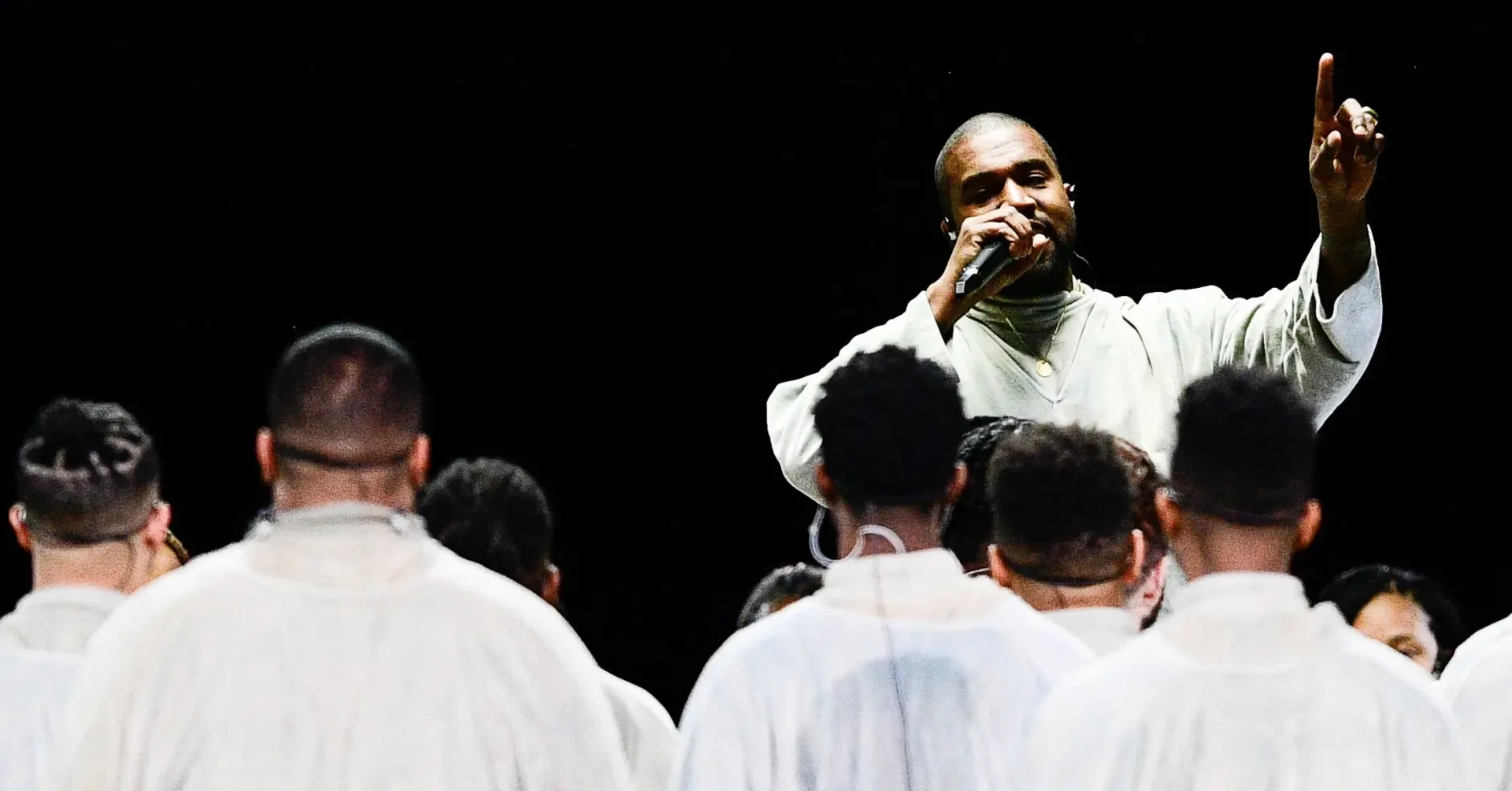
Yeezy is reportedly testing same-day delivery in Los Angeles and nearby areas, using the restock of its Yeezy x Mowalola Kitty pieces as an early proving ground. The service applies to orders submitted by noon PT, and early buyer accounts suggest at least some packages have arrived before the end of the day.
The test is notable less because fast delivery is a new idea than because it addresses a specific pressure point for the brand: fulfillment. Clothing drops can generate immediate attention, but the experience does not end at checkout. Inventory processing, shipping communication and the actual arrival of an order all shape whether a customer views a limited release as successful. A same-day option turns that normally invisible final stage into part of the drop itself.
What is included in the Los Angeles test?
The reported service covers Los Angeles and surrounding areas for the restocked Kitty Panty, identified as KP-01, and Kitty Short, identified as KS-01. The Kitty Panty is listed at $30, while the Kitty Short is listed at $40.
Both garments are sheer white pieces carrying a small kitten graphic on the front. The collection was announced on August 31, and the items were reported to have sold out on September 25 before the later restock. That sequence matters: a restock serves shoppers who missed the first chance to buy, while rapid local fulfillment offers a way to make the second opportunity feel unusually immediate.
Same-day delivery, in this context, means an order placed during a stated cutoff window is delivered on the day it is purchased rather than entering a standard multi-day shipping flow. The reported noon PT deadline is therefore central to the offer. It sets the boundary between an order the operation may be able to dispatch locally that day and one that may need conventional handling later.
Early delivery reports are encouraging, but limited
The strongest early detail is a buyer’s account of placing an order at 9:45 a.m. and receiving the package at roughly 9:30 p.m. that evening. If accurate, that is a delivery window of under 12 hours. Another image reportedly showed a package left in a mailbox.
Those reports should be treated as individual customer observations, not a complete description of how every eligible order is handled. They do, however, give a useful picture of the unusual parts of the test. One buyer said there was no tracking, shipping label or confirmation email, and speculated that the Yeezy team delivered the order personally. That last point is speculation, rather than a confirmed detail about the delivery system.
The lack of visible tracking creates a trade-off. For some shoppers, receiving the item the same day may outweigh a sparse notification trail. For others, tracking and shipping confirmation are part of the reassurance that an online order is moving as expected. Fast fulfillment is compelling, but predictability also matters—especially for customers expecting a package at a residence, apartment building or mailbox.
Related coverage includes Yeezy Tests Same-Day Delivery for Mowalola Kitty Restock in Los Angeles.
Why fulfillment is part of the product experience
Direct-to-consumer fulfillment refers to a brand selling to customers through its own storefront and then coordinating the shipment to the buyer. In a limited drop model, it does more than move boxes: it determines whether the excitement generated by a release carries through after checkout.
Yeezy has faced shipping issues in the past, making this local experiment a practical response as well as a highly visible gesture. Delivering a low-cost item in a matter of hours is a way to demonstrate operational speed. Yet it also raises the standard customers may reasonably apply to the rest of the purchase journey. A buyer who receives a package on the day of purchase may remember that responsiveness; a buyer who gets no confirmation may remember the uncertainty.
The current evidence does not establish how broad the coverage area is, how many orders can be fulfilled in a day, whether every eligible purchase receives the same treatment, or whether the model will expand beyond Los Angeles. It does establish a clear early framework: local buyers, a noon cutoff and a small Mowalola collaboration restock.
The Mowalola connection
The Kitty release comes from Ye’s continuing work with designer Mowalola Ogunlesi. Ogunlesi joined Ye’s team in 2020 as design director for Yeezy Gap and continued working with him after that arrangement ended. Their independent work has already produced a widely circulated WET tank top, which retailed for $20 in 2024.
That background helps explain why a compact apparel release can draw outsized attention. The pieces are not positioned simply as basics; they arrive through a recognizable creative partnership, have concise product names and identifiers, and use a visual motif designed for quick recognition. That is a familiar formula for online-drop culture, where the item, the creative association and the purchase experience all become part of the conversation.
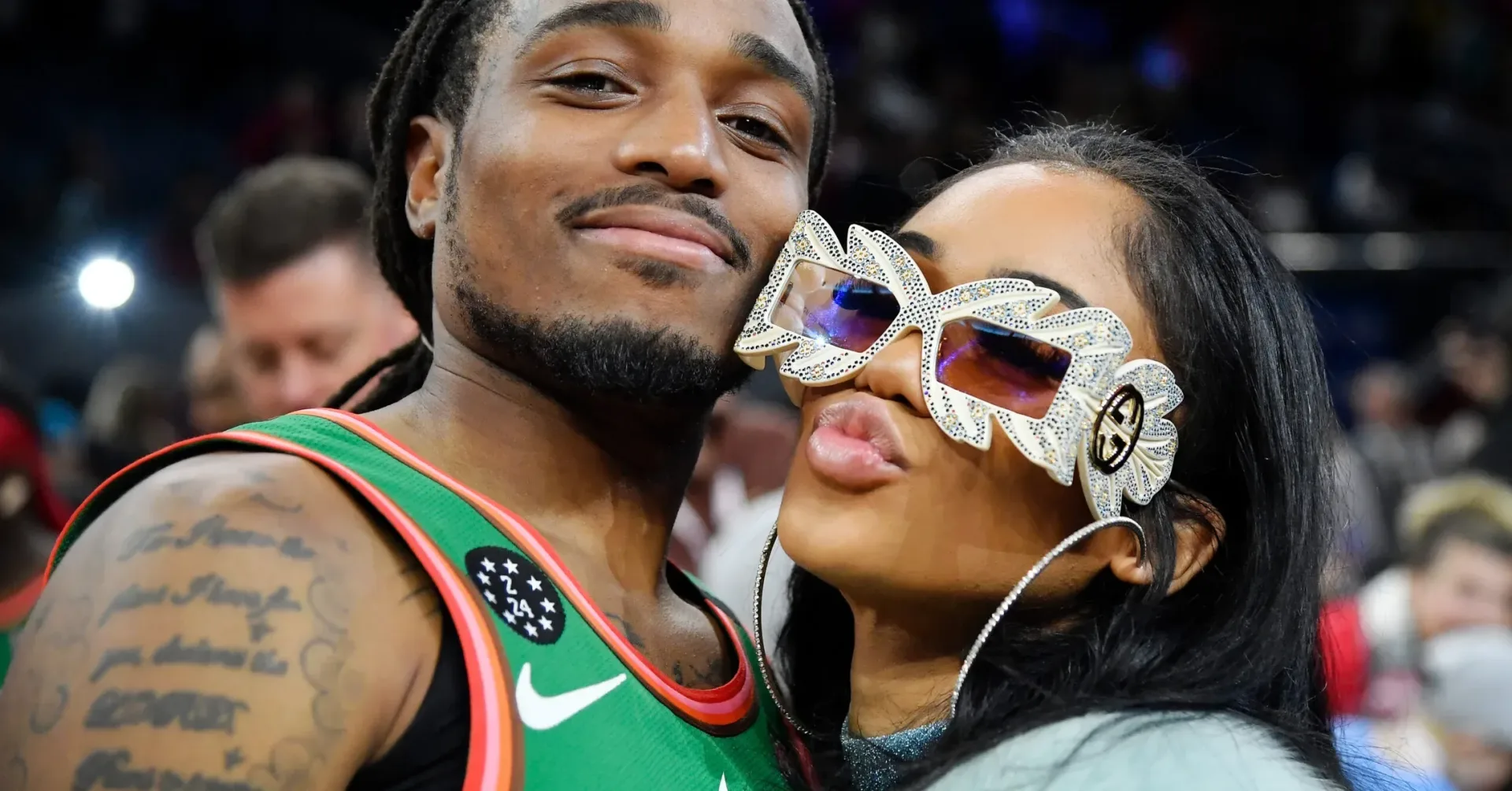
Ye’s commercial activity has repeatedly crossed music, design and celebrity culture. For a broader example of the music-world stories that often move through the same pop-culture ecosystem, see this report on Quavo revisiting the Saweetie Bentley dispute.
What fast local delivery could mean for a drop
The potential value of same-day delivery is especially clear for inexpensive, quickly selling items. The Kitty Panty and Kitty Short sit at $30 and $40, respectively—prices that can lower the barrier to an impulse purchase compared with larger-ticket fashion releases. If a local shopper can buy at breakfast and receive the item that night, the distance between seeing a product online and owning it becomes unusually short.
That speed may also affect resale dynamics. Resellers typically benefit when demand is high, stock is constrained and buyers who missed a drop must look elsewhere. A direct restock gives the brand another route to reach customers, while fast local delivery makes that official route more attractive. It does not eliminate resale activity, and the available information does not show how much stock was offered, but it can reduce the practical appeal of paying a markup merely to avoid waiting.
There is also a communication lesson in the early reports. Same-day service needs clear expectations around eligibility, cutoff times, delivery area and notification practices. The most useful version of the model combines speed with enough information for a customer to understand whether an order is confirmed and when to expect it. The reports so far indicate that Yeezy’s delivery pace can be striking, while the tracking experience may be less conventional.
A retail test with bigger operational stakes
The delivery effort arrives as Yeezy rebuilds its retail setup, including a new deal with JD Sports. That broader context makes the Los Angeles program more than a one-off convenience feature. It suggests the brand is experimenting with how direct online orders fit alongside a changing retail strategy.
For now, the crucial distinction is between what has been reported and what remains unknown. Reported facts include the Los Angeles-area focus, the noon PT cutoff, the prices of the two Kitty products and individual accounts of same-day arrival. Still unclear are the delivery partner, the scale of the test, its duration and whether Yeezy will offer comparable service for future drops or in other markets.
Even with those limits, the test is easy to understand as a response to the reality of online fashion releases: excitement is immediate, and brands increasingly have an incentive to make fulfillment feel immediate too. The Kitty restock gives Yeezy a small, price-accessible product pair through which to test that proposition. Early accounts suggest the speed can be real. The next question is whether the brand can pair that speed with dependable, transparent order communication as the experiment develops.