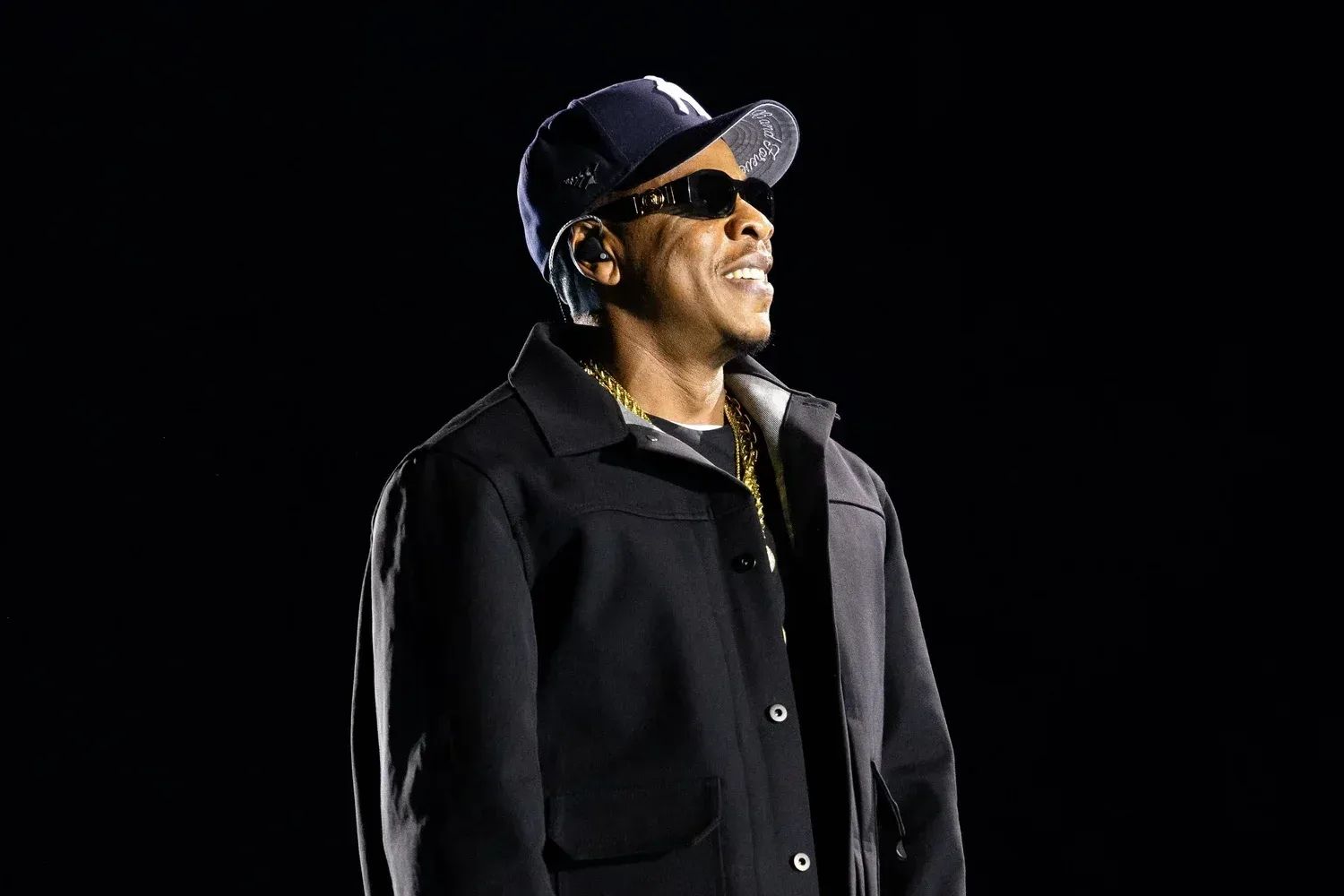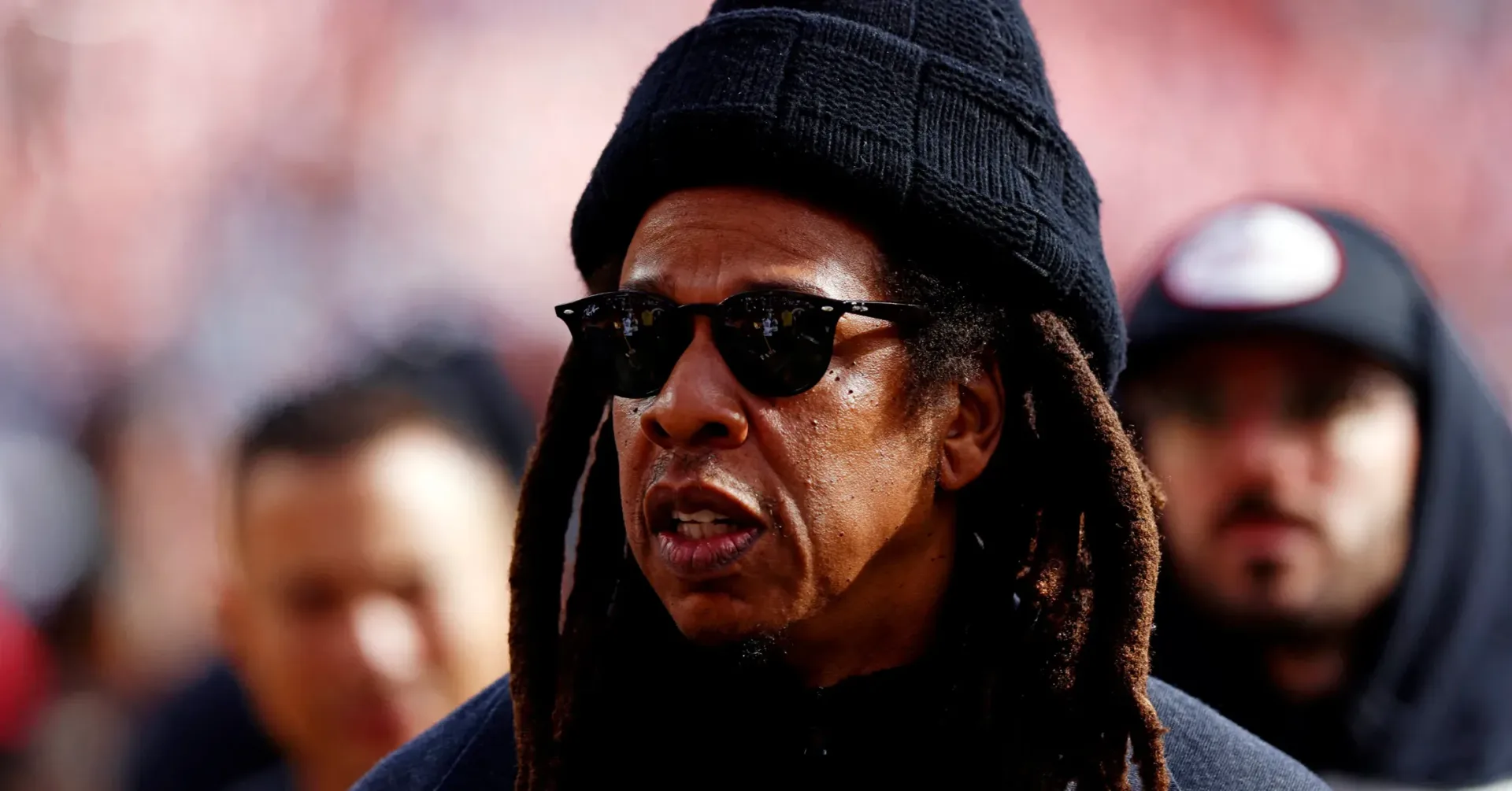
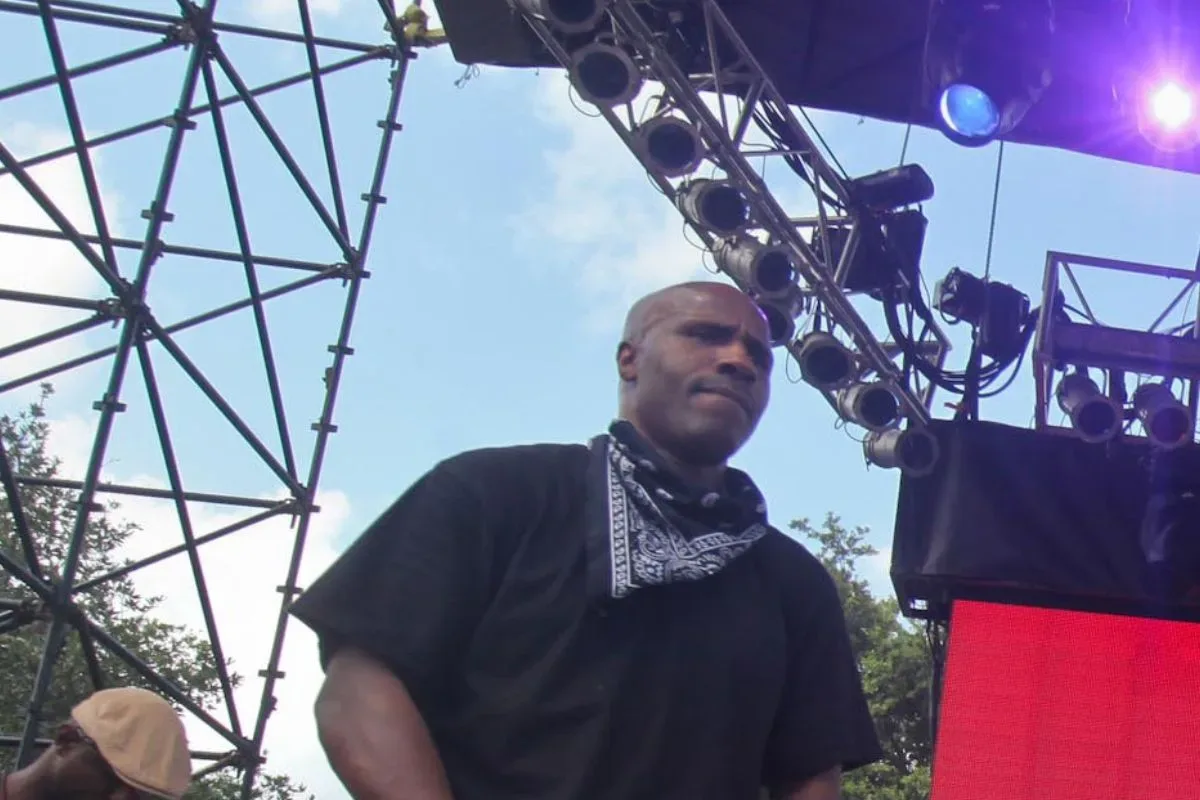
Willie D is embracing a role that hip-hop does not always make easy to claim publicly: the veteran artist who is still present, still listening and willing to offer perspective without demanding that younger performers make music exactly like his generation did.
The Geto Boys member, now 60, has said he wants to be “the old dude on the porch” whom younger people can approach for information. It is a compact image, but it makes a larger point about longevity. Getting older is not merely something an artist survives while chasing relevance; it can create experience worth sharing, particularly in a field where youth, novelty and fast-changing tastes often dominate the conversation.
Willie D’s view is not built around pretending to enjoy every current record. Instead, he has described a willingness to respect artists who are making an honest living through their work. That distinction matters. Advice does not have to begin with blanket approval, and a generational difference in taste does not have to become contempt. For an older artist, respecting the work can mean recognizing another person’s effort and opportunity even when their sound is not personally appealing.
An elder role is more than a title
Calling oneself an elder can sound ceremonial if it is only about age. In the sense Willie D describes, though, the role comes with practical responsibilities: being available, honoring commitments and remaining open to learning. He has tied trust at home to keeping promises to his children, and he has said parenting taught him to be flexible rather than assume he already has every answer.
Those lessons translate beyond family life. Younger artists may want career guidance, but mentorship is not simply a lecture about what went wrong decades ago. It involves hearing what conditions are actually like for the person seeking advice, identifying what experience can usefully transfer, and recognizing where the world has changed. Willie D’s emphasis on flexibility suggests a model of guidance that is reciprocal: an elder can offer context while also accepting that younger people may have knowledge and perspectives of their own.
That is especially relevant to a culture prone to framing generations as rivals. The easy version of that argument pits veterans who criticize new music against new artists who dismiss established names as out of touch. Willie D’s stance is more useful because it leaves room for disagreement. He does not present identical taste as a requirement for respect, nor does he frame younger rappers as a problem to be solved.
Why his history carries weight
Willie D’s interest in becoming an accessible veteran voice is grounded in a career with the Geto Boys, alongside Bushwick Bill and Scarface. The group became a national presence while making music that confronted fear and the consequences of violence from a street-level perspective. That background gives additional force to Willie D’s acknowledgement that he has watched people around him wind up imprisoned or dead.
It is important not to flatten that experience into a generic slogan about “the streets.” The Geto Boys’ work made room for psychological pressure as well as physical danger. Their 1991 album We Can’t Be Stopped achieved platinum certification, and its standout single, “Mind Playing Tricks on Me,” reached the pop charts. The album peaked at No. 24 on the Billboard 200, while the single rose to No. 23 on the Hot 100.
Related coverage includes Willie D Embraces Being an Elder Voice for Younger Rappers.
Those results mark a significant crossover moment. The Billboard 200 is an album chart, so its ranking reflects the commercial position of a full record. The Hot 100 ranks songs, making the No. 23 peak for “Mind Playing Tricks on Me” a measure of the single’s reach. The difference is worth noting because an album and one of its songs can connect with audiences in different ways: one establishes the broader project, while the other can become the doorway for listeners who did not yet know the group’s catalog.
“Mind Playing Tricks on Me” is particularly important in the context of Willie D’s comments because its verses put paranoia at the center of the conversation without erasing the perspective from which the group spoke. The song’s success shows that a record could address interior strain and fear while still retaining the specificity of its world. That legacy makes a case for experience as something more substantial than nostalgia. It is not simply that Willie D has been around a long time; his work participated in a lasting discussion about the emotional cost of violent surroundings.
The group’s path also remained connected to Houston through Rap-A-Lot Records, rather than requiring a move away from the city that shaped its identity. That local foundation is part of why the Geto Boys’ national ascent matters. It demonstrates that regional perspective can travel, and that an artist’s value is not dependent on sanding off every detail that makes their voice distinct.
Respecting work without erasing standards
Willie D’s position offers a practical alternative to the false choice between unquestioning praise and dismissive criticism. A veteran can say, in effect, “This is not what I would make or play every day, but I recognize the value of someone pursuing a legitimate livelihood.” That is not the same thing as declaring every release great. It is an acknowledgment that creative labor, survival and personal goals are real even across stylistic lines.
For younger rappers, the underlying message is that aging need not be treated as a loss of identity. The fear of becoming older can be intensified in entertainment spaces where the next trend appears to arrive before the last one has settled. Willie D instead frames age as a chance to become useful to others. There is a difference between clinging to a former moment and carrying hard-earned lessons forward.
That approach also avoids placing all responsibility on the youngest people in the room. If established artists want to be trusted, they need to show consistency. Keeping promises, as Willie D has stressed in discussing parenthood, is one example. Being willing to learn from the people one hopes to advise is another. The elder role gains credibility through conduct, not simply through a résumé.
A career that extends beyond the group’s landmark era
Willie D’s own catalog began before We Can’t Be Stopped. His solo debut, Controversy, arrived in 1989. That chronology matters because it places his individual career alongside, rather than after, the Geto Boys’ most widely recognized commercial breakthrough. His perspective on durability therefore comes from navigating both a group legacy and a solo body of work.
The broader music conversation also continues to involve the ways success is measured. Chart rankings remain a familiar shorthand, but they do not capture every form of influence, community impact or artistic endurance. We Can’t Be Stopped and “Mind Playing Tricks on Me” have concrete commercial landmarks attached to them, yet Willie D’s current focus is less about revisiting placement than about what lived experience can offer younger people now.
For readers interested in how contemporary chart methodology itself can become a point of debate, YouTube’s planned return to Billboard’s U.S. charts is another example of how the systems around music visibility continue to evolve. Willie D’s comments operate on a different level: beyond the mechanics of ranking songs, he is talking about the human consequences of sustaining a life and career over time.
What younger artists can take from the message
The value in Willie D’s remarks is not that a single veteran can supply a universal roadmap. Every artist’s circumstances, sound and ambitions differ. But the themes he identifies are broadly understandable:
- Longevity can be an asset: Living longer creates the possibility of perspective, not an automatic reason to step aside.
- Respect can exist alongside disagreement: An older artist does not need to share every younger artist’s taste to recognize their work and right to build a career.
- Reliability builds trust: Keeping promises matters in family life and in any relationship where someone is expected to provide guidance.
- Learning should not stop with age: Flexibility and a willingness to learn from one’s children or younger peers can make advice more grounded.
- Experience has stakes: Having seen incarceration and death among people around him, Willie D is speaking about outcomes, not merely industry fashion.
There is also a quiet challenge here for audiences. Listeners often ask artists to be timeless while treating age as an obstacle. Willie D’s self-described goal pushes back against that contradiction. It proposes that the most meaningful late-career contribution may not always be a contest to look or sound young. It can be the willingness to remain visible as a resource, offer honest context and make space for a new generation to define its own music.
For Willie D, that role is not abstract. His history with the Geto Boys includes a platinum album, a charting signature song and a Houston-rooted rise that reached a national audience. His present focus, however, is on what remains possible at 60: becoming someone younger artists can approach, and treating accumulated years as knowledge to share rather than a reason for fear.