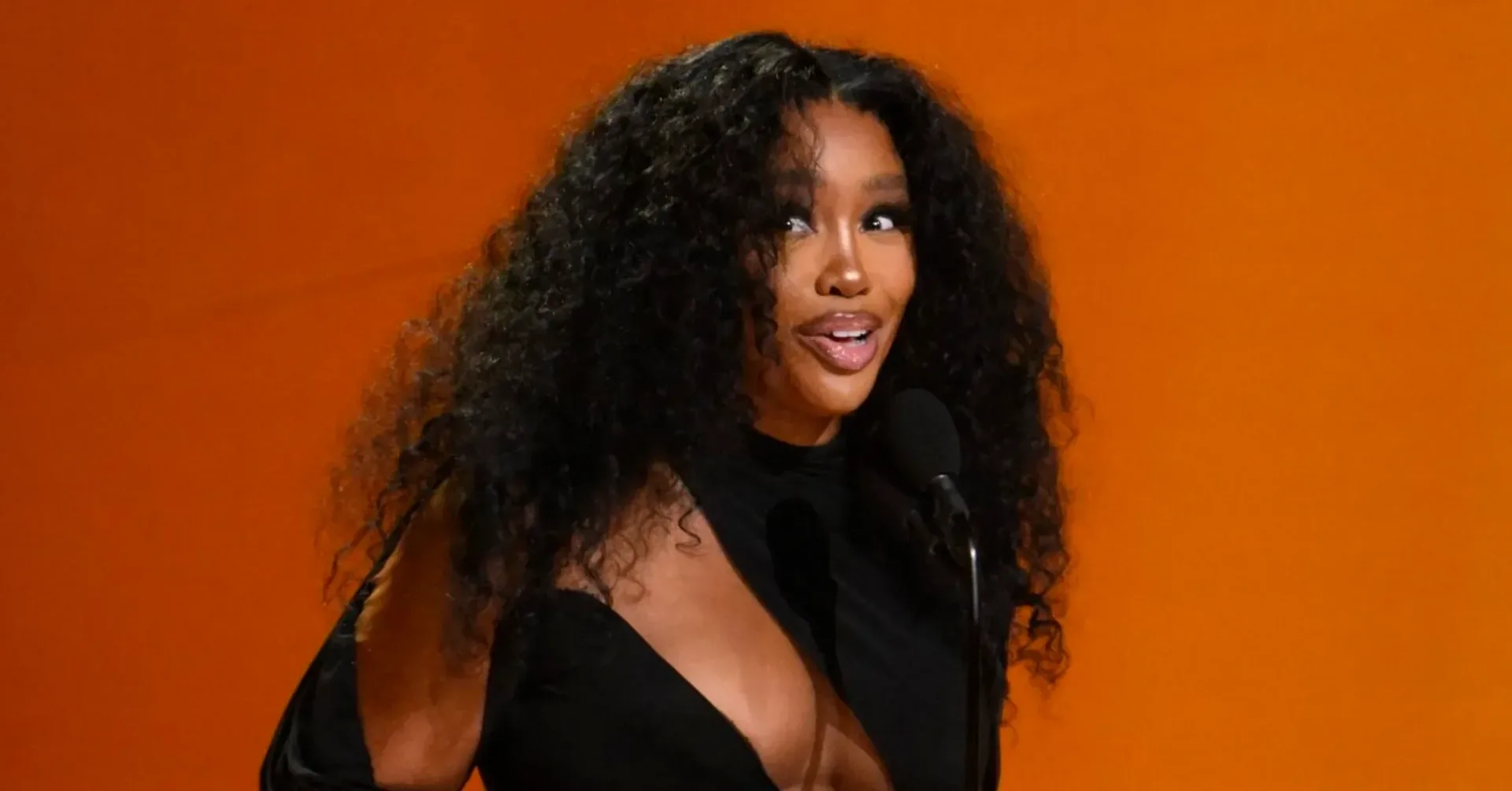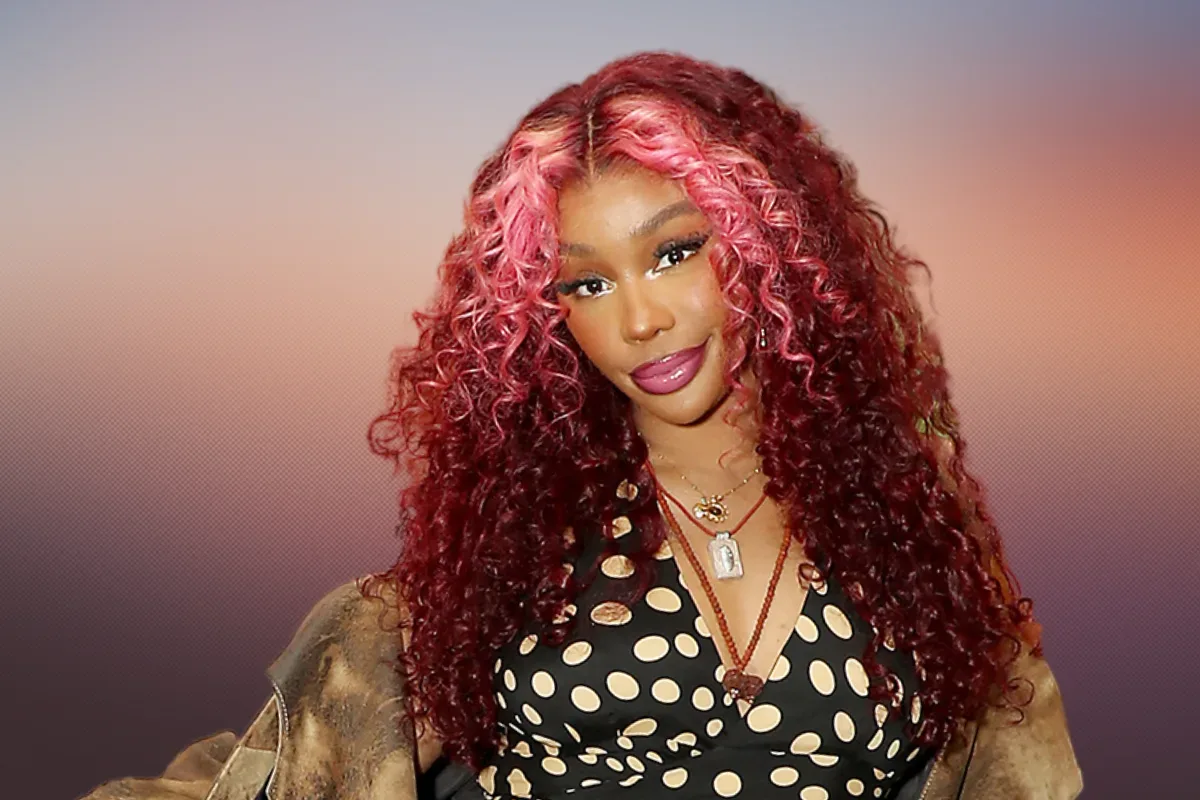
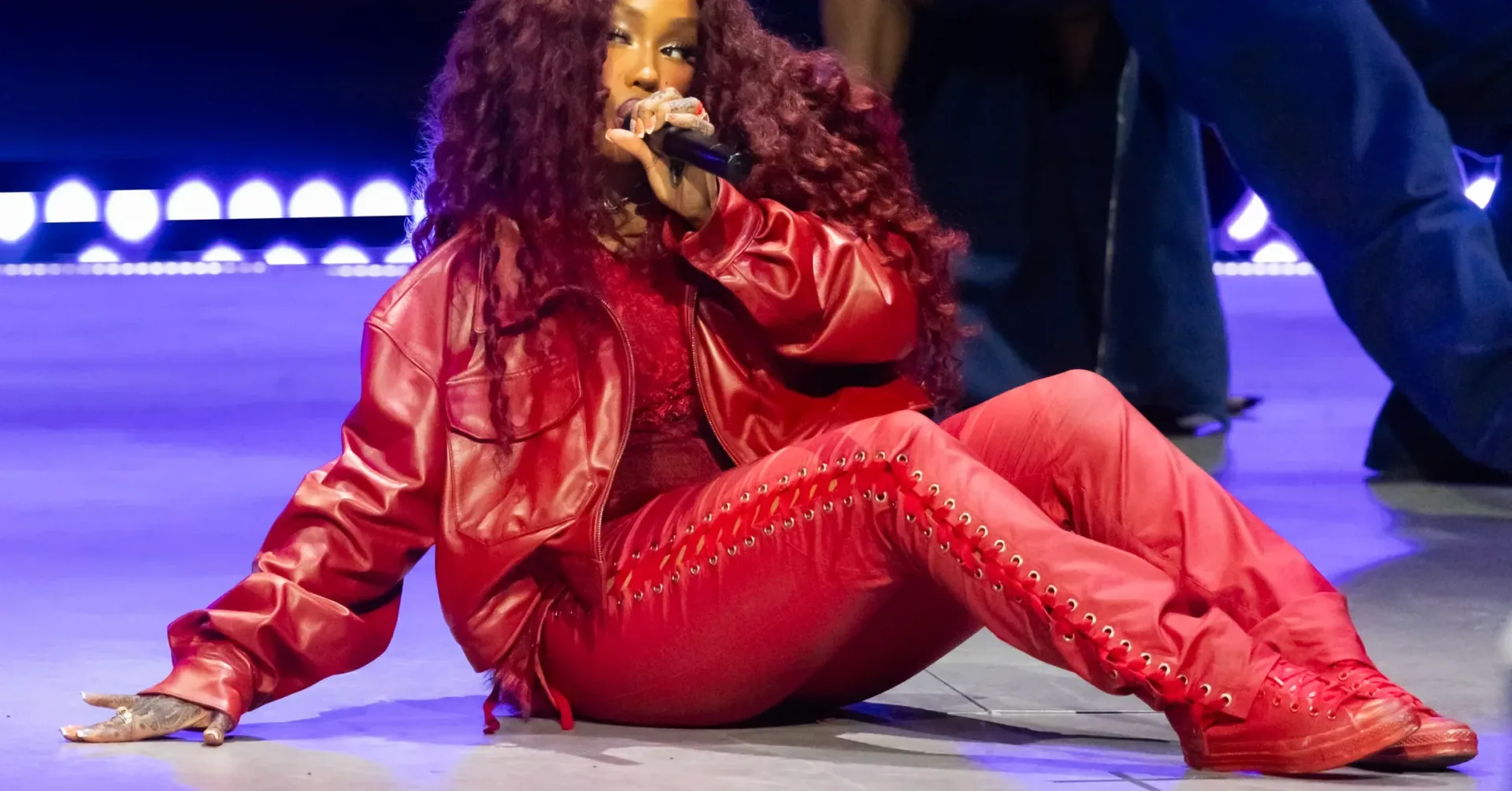
SZA is set to headline the third day of Coachella’s two-weekend 2027 run, joining Dua Lipa and Tame Impala at the top of the bill. The festival is scheduled for April 9–11 and April 16–18 at the Empire Polo Club in Indio, California.
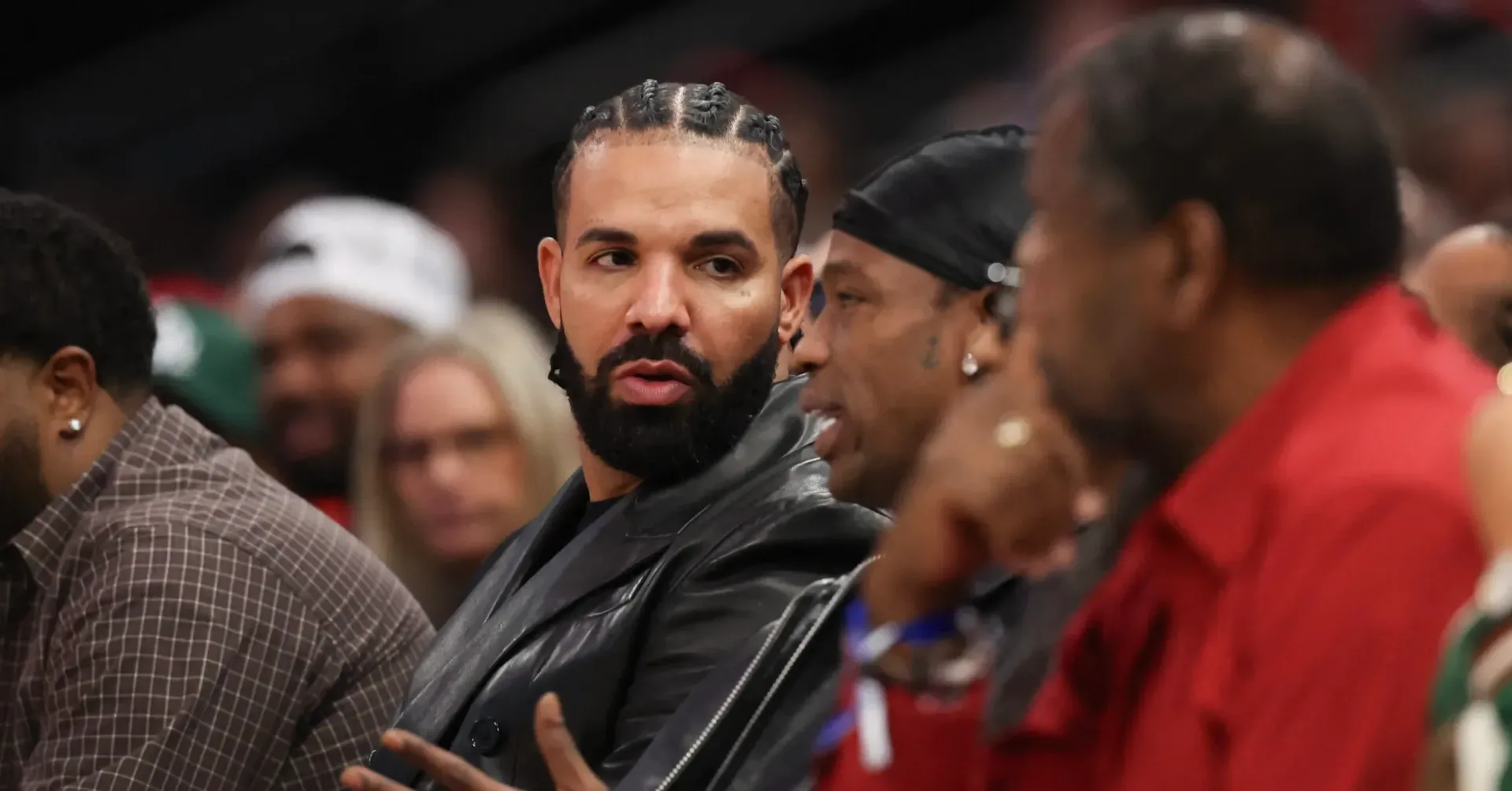
That headliner trio makes for a broad pop and alternative-facing marquee, but another part of the lineup conversation is just as notable: hip-hop appears to have a far smaller role than many fans may expect. Don Toliver is among the rap-adjacent names identified for the third day, yet the overall slate is described as having very few rap acts. Rumors that Drake might appear did not come to fruition; his reaction to missing the headliner spot has already become part of the surrounding discussion in a separate look at the lineup response.
SZA takes a top-billed role
For SZA, a headline placement puts her at the center of one of the biggest live-music weekends on the calendar. The supplied lineup information places her on day three of each weekend rather than merely among the many lower-billed acts. That distinction matters: a headliner is generally the act presented as the main draw for a given day, the name that anchors the festival’s public-facing identity and the conversation around its biggest performances.
Dua Lipa and Tame Impala round out the stated headliners. Taken together, the three names suggest a programming mix that reaches across pop, R&B and alternative-leaning music rather than concentrating its top slots in a single genre. SZA’s place on that list is also meaningful because her music does not fit cleanly into a one-word genre label. Still, the limited number of explicitly rap-focused bookings makes the broader hip-hop question difficult to avoid.
There is an important difference between an artist whose work overlaps with hip-hop and a lineup with deep representation for rap as a whole. A major artist can be prominent on the poster while fans of a particular scene still find few choices throughout the day. In a festival setting, depth matters alongside the headliner line: it affects whether attendees can build a full schedule around the music they most want to see, discover developing performers, or move between established and newer acts within a genre.
Why the reduced rap representation stands out
Coachella has supported hip-hop in prior years, including at the highest level of festival billing. The present lineup is therefore being read not simply as an isolated set of bookings, but as a potentially meaningful shift in how the event is balancing genres. The evidence here supports a narrower claim than a declaration that rap has vanished: hip-hop is still represented, and Don Toliver’s inclusion matters. But representation appears comparatively sparse, especially for a festival with multiple days and two complete weekends of programming.
That can be disappointing for fans who associate major festivals with an expansive cross-section of current music. A large festival has limited top-line slots and a finite number of booking positions, so any lineup involves choices. When relatively few of those choices go to rap, the impact is visible not only in the headliner row but in the options available below it.
The supplied information points to audience changes as one possible explanation for the direction of the bill. That is an interpretation of the festival’s recent programming environment, not a confirmed statement of booking policy. No official reason is provided for the low number of rap acts, and no evidence establishes a permanent genre strategy. It is more accurate to say that the 2027 lineup has prompted that concern than to claim the event has formally ruled hip-hop out.
Headliners are not the whole genre story
Festival posters can create an understandable tendency to judge genre presence by the largest type. Yet the undercard—the performers listed beneath the headline tier—often determines how widely a scene is represented. It is where genre fans might normally find multiple styles, different generations of performers and opportunities to catch artists outside the biggest names.
That is why the discussion goes beyond whether SZA, whose work intersects with R&B and pop as well as hip-hop influence, is present. The concern is the apparent lack of a wider rap bench. A single high-profile artist, or one or two crossover-friendly bookings, does not necessarily serve listeners looking for rap’s full range. Conversely, the current information does not provide a complete artist-by-artist genre breakdown, so it would be premature to quantify exactly how many acts qualify under any particular label.
Genre labels themselves are imperfect tools. Many contemporary artists draw from rap, R&B, electronic music, pop and alternative sounds at once. “Hip-hop presence” can therefore mean several things: the number of rappers, the number of artists with hip-hop influences, the placement of those artists in the billing hierarchy, or the breadth of styles represented. The clearest observation available is straightforward: the lineup is being perceived as light on rap acts compared with expectations created by the festival’s past association with the genre.
Drake rumors remain just rumors
Drake was rumored as a possible inclusion, but he is not part of the described headliner lineup. The absence has attracted attention precisely because a Drake booking would have changed the conversation around hip-hop’s role immediately. It would not, on its own, have answered every question about undercard depth, but a major rap headliner would have made the top of the poster look markedly different.
For now, it is best to separate the confirmed information from speculation. SZA, Dua Lipa and Tame Impala are the cited headliners. Don Toliver is noted on the third-day programming. The reported Drake possibility did not materialize. Beyond that, fans should avoid treating unconfirmed rumor cycles as evidence of a last-minute change or an alternative lineup that nearly happened.
What attendees can plan around now
Coachella will return to the Empire Polo Club for two weekends: April 9–11 and April 16–18, 2027. The repeat-weekend format gives fans two windows to attend, though the supplied details do not establish differences in programming between them. Anyone weighing a trip should check the festival’s official channels for the current ticket process and the available transportation or accommodation packages.
Those packages are particularly relevant for people traveling from outside the area. A festival ticket is only one part of the planning picture; transport and lodging can shape which weekend is practical. The available information notes that packages exist for each weekend, but it does not specify their contents, cost or availability. Prospective attendees should therefore verify those details directly before making plans.
For listeners chiefly interested in hip-hop, the practical question is whether the finalized schedule supplies enough acts across the day to justify the trip. A poster’s headline row is useful, but daily set times and stage assignments can be equally important once released. They reveal conflicts between artists, the amount of time available to move around the site, and whether a small number of genre-relevant acts are clustered or dispersed.
For everybody else, the announced headliners offer a clear starting point: SZA on the third day, alongside festival-leading sets from Dua Lipa and Tame Impala. The larger conversation, however, will remain focused on what seems missing. Coachella’s 2027 bill may still offer a wide musical spread, but its limited visible rap representation is likely to be a defining point of debate as the April weekends approach.