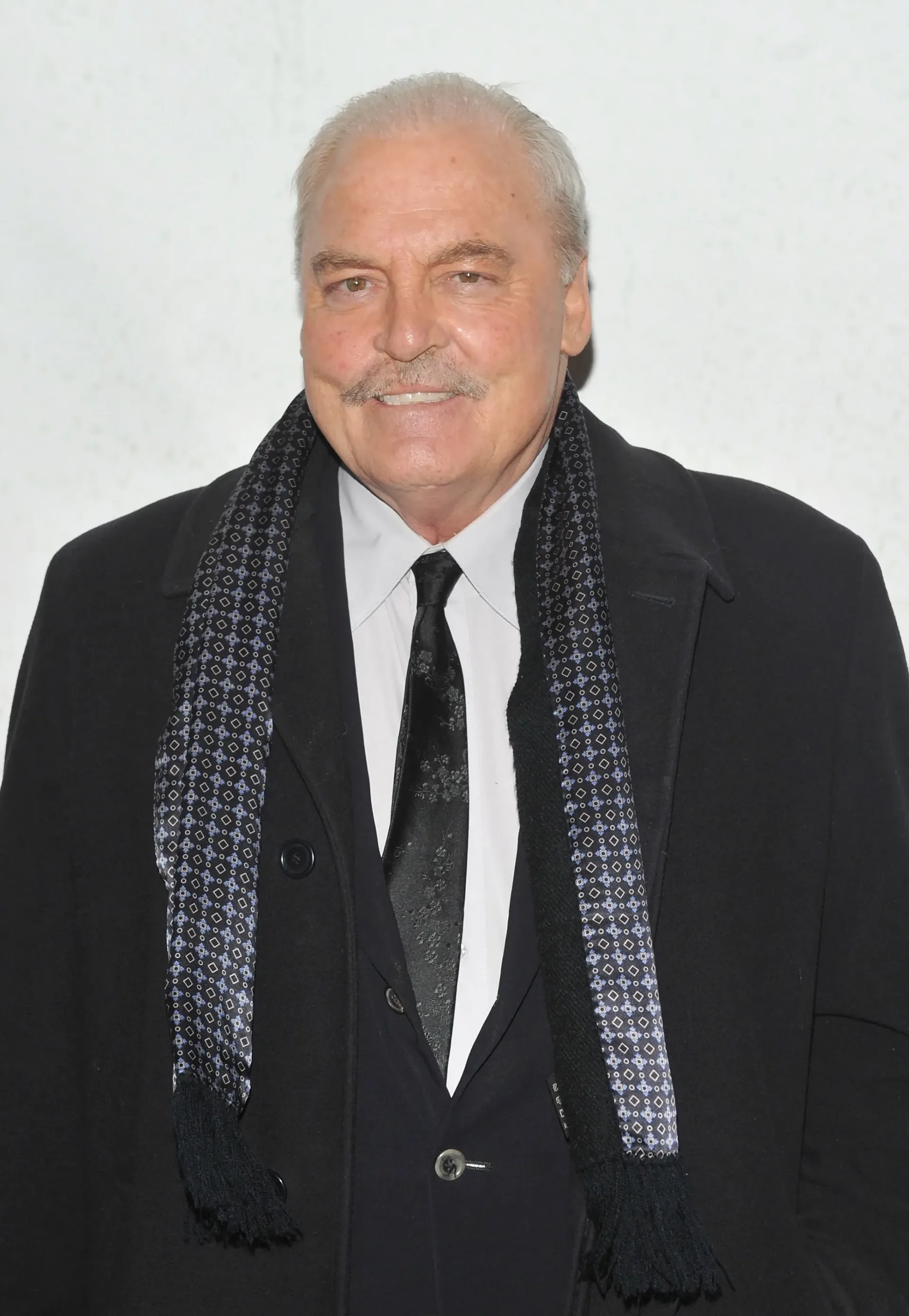

Randall England, an actor, model, writer and producer whose screen work included a recurring villain role on General Hospital, died September 25 in Los Angeles. He was 75.
England’s family announced his death. No cause of death was confirmed. The family noted that memorial donations may be made to the Esophageal Cancer Action Network, but that request should not be read as confirmation of a cause.
For television viewers, England is most closely associated with Jack Slater, a villain he played on General Hospital beginning in 1984. He appeared in more than 30 episodes of the long-running soap. His career also encompassed modeling, theater, film, voice performance, writing and producing—an unusually broad set of disciplines that put him to work across several corners of entertainment rather than within a single format.
A recurring presence in daytime drama
England was cast as Jack Slater in 1984, the same year he appeared in an episode of This Is the Life. While “more than 30 episodes” is a modest figure beside the runs of a soap’s permanent leads, it signals a recurring role rather than a one-off guest appearance. In serial television, that distinction matters: recurring characters can return as a story requires them, becoming recognizable pieces of a show’s larger fictional world without appearing in every installment.
Villain roles, especially in an ongoing drama, demand a particular kind of clarity. A performer has to establish threat, conflict or mystery swiftly enough for viewers who may be dropping into a continuing story, while still leaving room for a character to develop over repeated appearances. England’s Jack Slater credits placed him in that durable serial tradition.
Daytime soaps are also a demanding acting environment because they rely on continuity. Characters and relationships accumulate meaning over many episodes, and actors must fit into a narrative that is already moving. England’s 30-plus appearances indicate that Jack Slater was given room to recur within that framework, helping make the role the most substantial television credit named in his career record.
England later appeared in two episodes of Baywatch during the late 1990s. The two series reflect different kinds of television exposure: General Hospital gave him repeated work in a serialized daytime setting, while Baywatch added episodic primetime credits. Neither fact needs embellishment to show the range of his television résumé.
From modeling to acting
Born September 22, 1951, in Oklahoma City, England graduated from the University of Oklahoma. He began modeling in the early 1970s and worked in New York, London, Zurich, Milan and Los Angeles before building his career as an actor.
Related coverage includes Randall England, ‘General Hospital’ Actor, Dies at 75.
That international modeling work came before the screen credits listed for him. His earliest cited television credit was an uncredited role in the 1978 TV movie Ruby and Oswalk. An uncredited role means the performer appeared in the production but was not listed in its on-screen credits; it remains part of a performer’s work history, though it does not carry the same public billing as a credited part.
England studied acting with Kim Stanley and Stella Adler. Both names are significant markers in his training history, but the more important point is the sustained preparation behind a career that later moved among television, film and stage work. Acting training can supply technique, vocabulary and rehearsal discipline; it does not predetermine the parts an actor receives. In England’s case, the available record shows a performer who followed modeling with years of work across several media.
His connection to Stanley extended beyond study. England’s producing work included the documentary The Needs of Kim Stanley. That credit adds a behind-the-camera dimension to a career more often summarized through his acting roles. A producer’s responsibilities vary greatly from project to project, and the supplied record does not specify England’s exact duties on the documentary. What can be said is that he held a producing credit and that the project concerned a teacher with whom he had studied.
Stage work and ensemble recognition
England also maintained a theater résumé, appearing in productions of All My Sons, The Glass Menagerie and The Three Sisters. These are three distinct plays, and the available details do not identify his roles or the dates and venues of those productions. Still, their inclusion establishes that theater was a meaningful component of his working life, not merely an early training stop before television.
His work in The Three Sisters earned a Drama League Award for best ensemble cast. An ensemble award recognizes a group rather than isolating one performer. That is particularly apt for theater, where scene work, rhythm and the relationships among characters are central to what reaches an audience. The recognition does not establish which individual contribution was judged most important; rather, it identifies the production’s cast as a collective achievement.
England’s stage credits also provide useful context for his screen career. Theater and screen acting are related but not identical crafts. Stage performance is constructed for a live audience and depends on the continuity of a full performance, while filmed work is created in pieces and shaped through production and editing. A performer who works in both has to adapt to different practical demands. England’s credits show that he did so across dramatic theater, daytime television, a TV movie, film and voice work.
For more entertainment coverage with a theater focus, see the report on Jessica Chastain’s planned Broadway return in Lost Lear.
Film and voice performance
England’s film work included a voice role as Butler in the 2008 movie Beverly Hills Chihuahua. Voice performance is a separate on-screen credit category: the actor supplies a character’s voice rather than appearing physically on camera. It can be brief or extensive, and the information available here identifies the character but not the size of the role.
His final listed credit was the 2018 film Shiner. As with many career summaries, “final credit” refers to the latest recorded credit supplied here, not necessarily a statement about the final day he performed, wrote, produced or participated in a creative project. It does, however, place his documented screen career across four decades, from the 1978 television movie appearance through the 2018 film.
Across that span, England’s credits point to a working actor’s path: early uncredited work, an episode credit, a recurring part on a major daytime drama, later television appearances, a voice role and continuing film work. Alongside it sat work in theater and production. That kind of professional breadth is often easy to flatten into a short list, but each format calls for different collaboration and preparation.
A career defined by range
England’s work cannot be reduced solely to Jack Slater, even though the General Hospital role remains his best-known television association. He had modeled on several international circuits, trained with Stanley and Adler, appeared in stage productions, received ensemble recognition, worked in television and film, lent his voice to an animated feature and earned a producer credit on a documentary.
Those facts also offer a more complete picture than a tally of screen appearances alone. Theater credits speak to his live-performance work; modeling documents the professional route he took before acting; voice acting demonstrates another performance form; and producing shows an investment in work beyond appearing before the camera. The record supports seeing England as a multi-disciplinary entertainment professional whose career moved through several related fields.
England is survived by his daughter, Micaela Reed (Sam); grandchildren Katherine and Julian; his mother, Catherine Burgess; his sister, Linda Baker; and extended family.