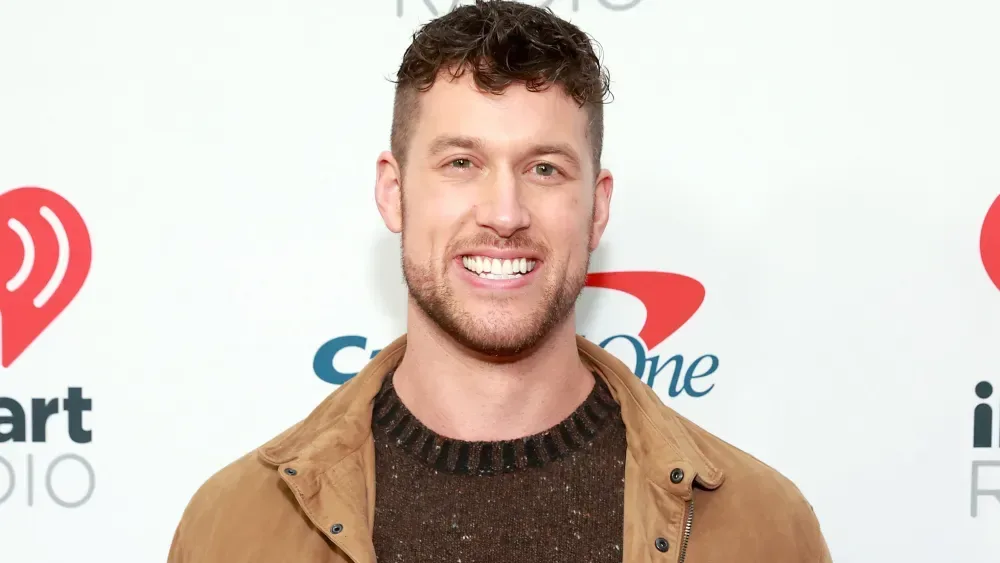
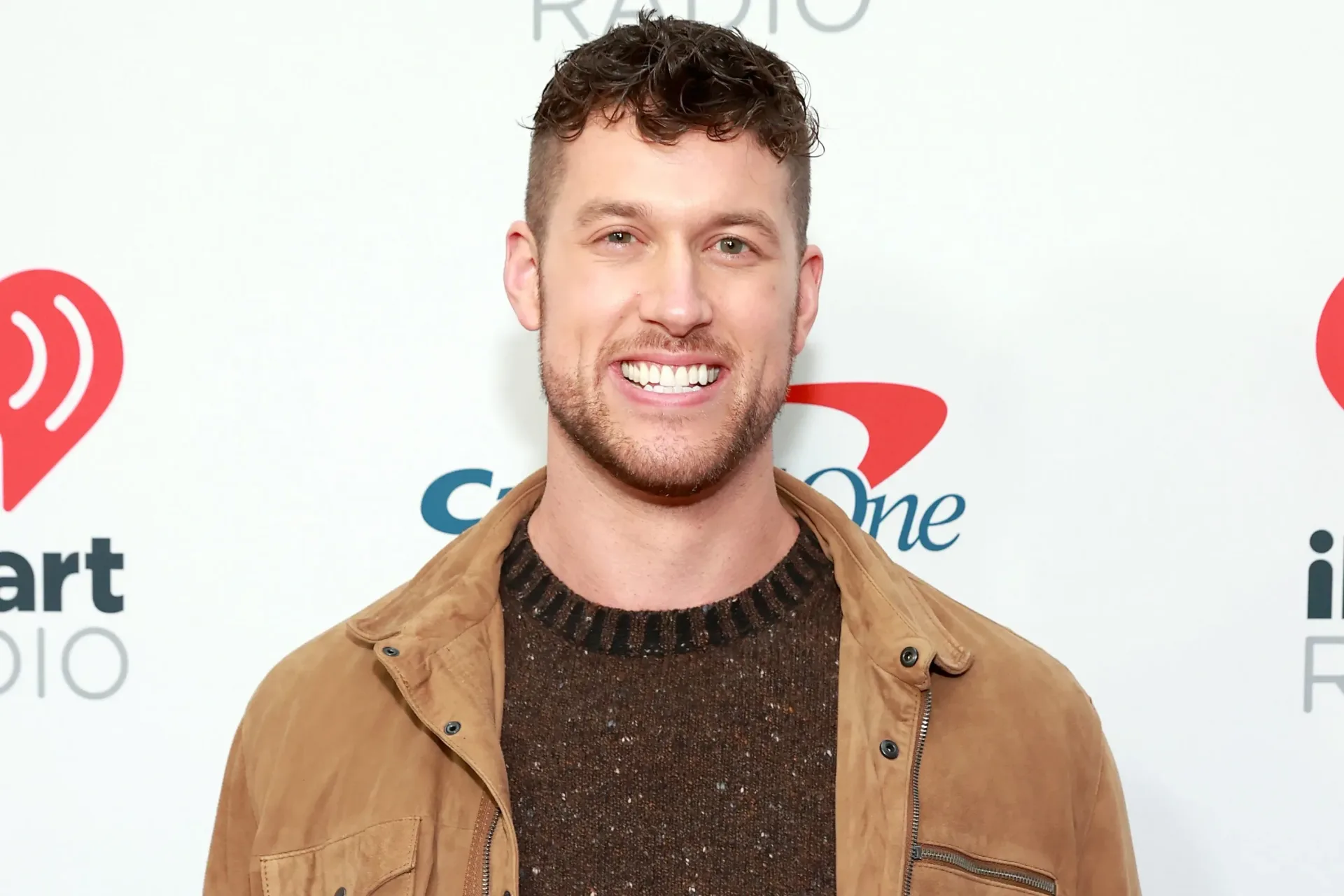
Peacock has set Love Trapped: The Case of Laura Owens, a four-part documentary series planned to premiere sometime in 2027. The project adapts the first season of the 2026 podcast Love Trapped and centers on the prolonged, highly publicized legal dispute involving former Bachelor participant Clayton Echard and Laura Owens.
The limited series arrives with an unusually broad promised range of participants. Peacock says its interviews will include Echard, members of his legal team, Owens’ mother, other men described as having been targeted by Owens, podcast host Stephani Young, and online researchers who followed the case. Owens will also present her perspective in the documentary for the first time.
That last point is significant. A documentary about a dispute that grew through legal proceedings, social-media discussion, and independent online research needs to distinguish carefully between verified material, legal arguments, participant recollections, and internet speculation. The announced interview lineup suggests the series will aim to examine how a private conflict became a public narrative rather than treating its audience fascination as incidental background.
What the series says it will cover
The premise begins with Echard and Owens meeting through a potential real-estate transaction. Following what Peacock describes as a brief connection, Owens told Echard that she was pregnant with twins. The matter subsequently developed into a years-long legal battle and became a subject of intense public attention online.
Peacock’s official description characterizes the story as one that widened beyond the two central figures. It points to legal threats, alleged deception, public humiliation, social commentators, and self-directed online investigators as parts of the wider media storm. Those are serious elements, and the announcement frames them as the subject of the documentary’s investigation rather than independent findings newly established by the series itself.
In practical terms, viewers should expect a story with several overlapping layers:
- The personal layer: the initial relationship and the competing accounts surrounding it.
- The legal layer: a dispute resolved and argued through formal legal processes over an extended period.
- The media layer: the way a recognizable reality-TV figure and an emotionally charged allegation generated public attention.
- The online layer: the role of citizen researchers and commentators in gathering, interpreting, and circulating information.
That structure can make for compelling documentary television, but it also places a heavy burden on editorial clarity. The most useful version of this series will make clear when it is presenting a document, a court argument, a witness account, a participant’s interpretation, or a claim that remains disputed.
Why the citizen-sleuth angle matters
The announcement repeatedly highlights the role of “citizen sleuths” and online detectives. That term generally refers to members of the public who collect open information, compare documents, build timelines, and share theories online. Their work can draw attention to details that might otherwise receive little notice, particularly in a fast-moving story. But it is not the same thing as formal reporting, legal discovery, or a judicial finding.
Related coverage includes ‘Love Trapped: The Case of Laura Owens’ Set as Four-Part Peacock Docuseries.
For a project built around an online following, that distinction is more than a technicality. Digital audiences often encounter a case through clipped videos, posts, screenshots, summaries, and influencer commentary rather than a complete body of material. Each step of compression can make an uncertain or contested detail sound settled. A four-part format gives the filmmakers room to slow that process down—provided it uses the time to establish chronology and evidentiary context rather than merely replaying the most sensational turns.
The involvement of podcast host Stephani Young may help connect the new series to the format that brought the case to a broader listening audience. The first season of the Love Trapped podcast premiered in February 2026, and its finale arrived on November 12. The television production, therefore, follows a completed podcast season rather than serving as a simultaneous companion episode.
The shift from audio to a screen documentary can change the way audiences process the same story. Podcasts often lean on narration, interviews, recordings, and documents described aloud. Television can add on-camera testimony, visual timelines, location context, archival material, and the visible responses of participants. None of those tools automatically makes an account more definitive, but they can make the chain of events easier to follow if deployed with care.
A four-part format can provide needed room for context
Four episodes is a meaningful commitment for a case-driven documentary. It implies that Peacock and the producing team see more here than a single headline-making incident. The stated scope covers the initial meeting, the pregnancy claim, the legal conflict, the public response, the work of online researchers, and the perspectives of several people connected to Owens and Echard.
A sensible structure would separate those threads rather than forcing them into one escalating timeline. First, the series will need to establish what is known about the relationship and the claim at the center of the case. Next, it will need to explain the legal process in language that does not assume viewers already understand the filings or arguments. Then it can examine how the story migrated from a private dispute into an online spectacle. Finally, interviews with the people involved could address the personal consequences of having a conflict discussed by strangers at national scale.
That is analysis of the announced premise, not a disclosure of the episode plan. Peacock has not released episode titles, a precise premiere date, a trailer, or a full list of evidence the series will include. With a 2027 debut window, those details may come later.
The people behind ‘Love Trapped’
Keayr Braxton will direct Love Trapped: The Case of Laura Owens and also executive produce. Nancy Glass and Erin Lee Carr are executive producers alongside Braxton for Glass Entertainment Group. Danny Passman executive produces for Crybaby Media.
The producer and director credits matter because this is an adaptation, not simply a rebroadcast of a podcast in another format. A documentary team must make choices about what chronology to foreground, which voices receive time to respond, how documents are contextualized, and how to portray the massive online audience surrounding the dispute. The series’ announced promise of an interview with Owens is especially relevant to that process, because it indicates that the program will include her account directly.
The project also joins a wider current of long-form documentary programming that revisits stories whose public life was shaped as much by online participation as by conventional coverage. For another example of the medium being used to revisit a major cultural story, Peacock’s planned series sits alongside the broader 2027 documentary landscape outlined in plans for a new documentary tied to the 50th anniversary of Star Wars, though the subjects and stakes of the two projects are very different.
What remains unknown before 2027
The announcement establishes the core creative personnel, the four-episode count, the broad story focus, and several expected contributors. It does not provide a specific release date, episode runtimes, a trailer, or a detailed account of how the documentary will handle the legal record and competing narratives.
Those omissions are normal at this stage, but they are worth noting because a case of this kind can inspire viewers to search for primary materials and social-media recaps before the series arrives. The announcement itself should not be treated as a comprehensive account of every allegation, response, filing, or outcome associated with the dispute. It is a preview of a future documentary’s framing of the story.
For now, the clearest takeaway is that Peacock is committing a multi-part treatment to a case that already traveled from a private encounter into litigation, podcasting, and a substantial online conversation. Whether Love Trapped: The Case of Laura Owens becomes a careful explanation of how that escalation happened will depend on its sourcing, chronology, and willingness to mark the boundary between public fascination and demonstrable fact.