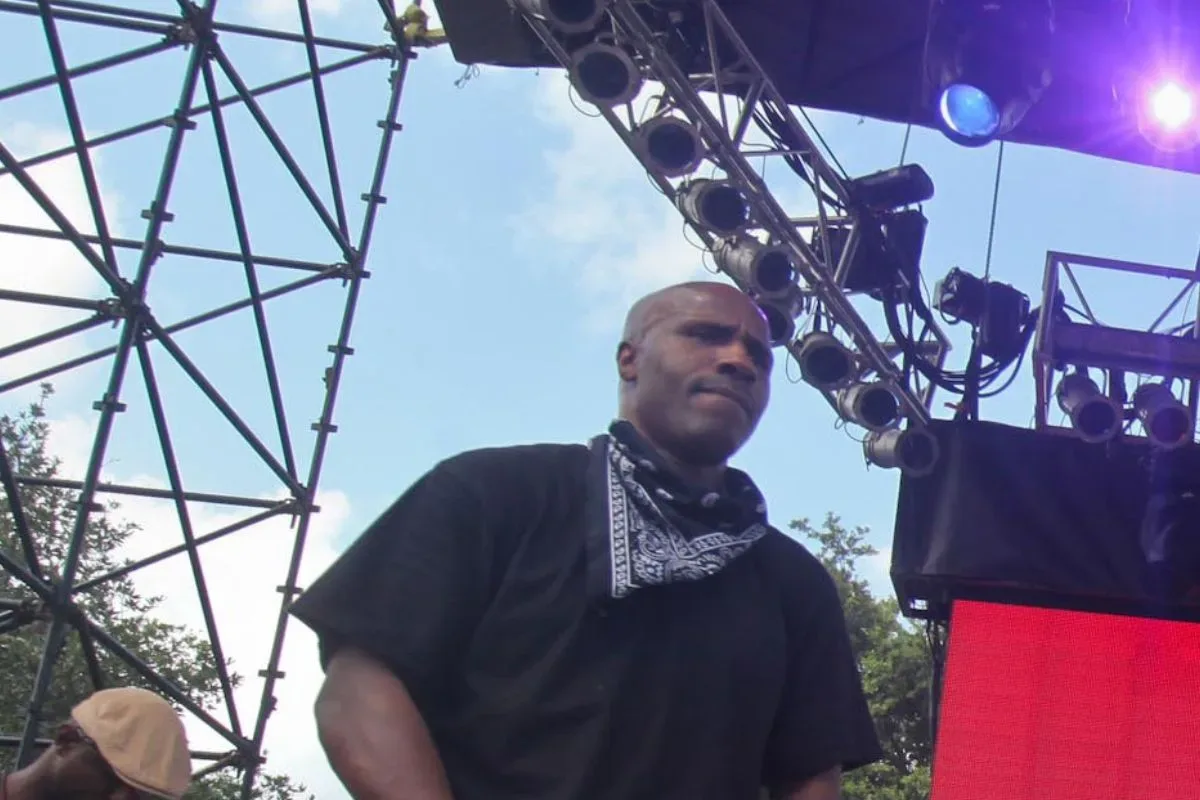
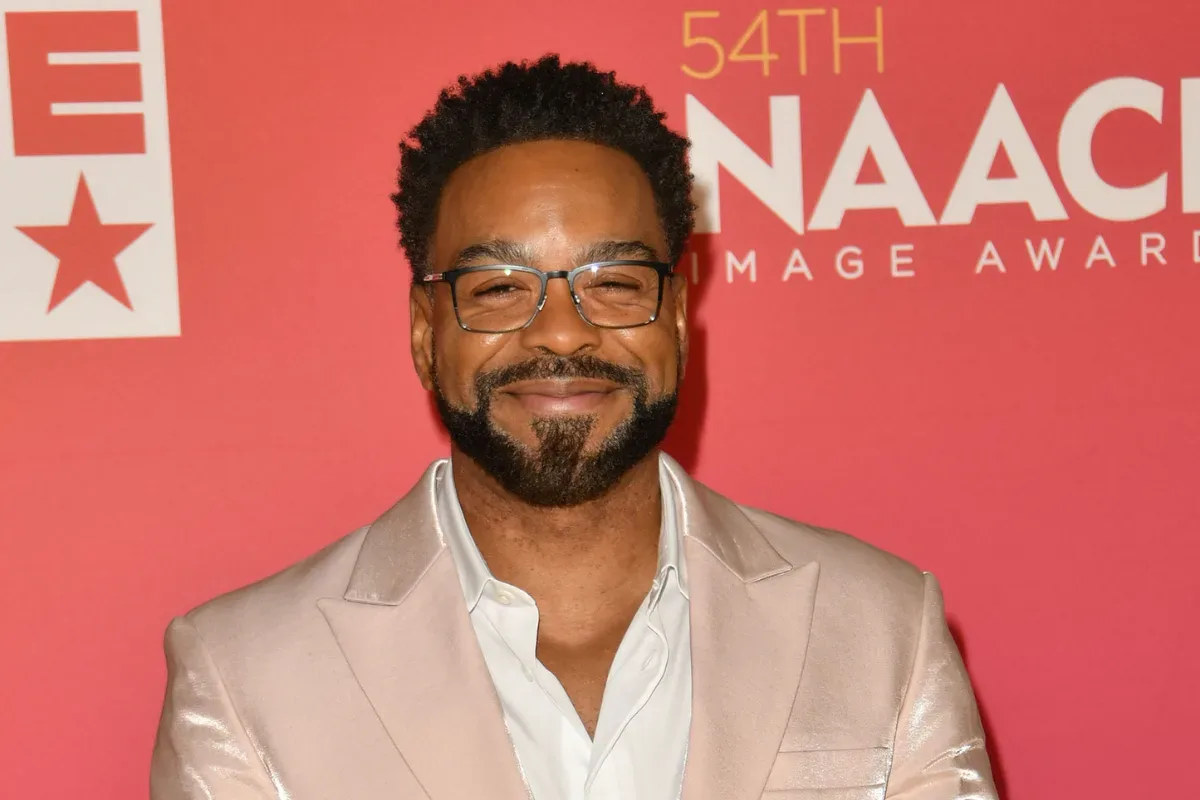
Method Man is bringing a music-industry conflict shaped by artificial intelligence into the courtroom of Cupertino. In the CBS drama’s November 12 episode, titled “YUNGWOOD,” he plays the titular rap veteran, whose streaming income falls after an AI studio begins producing music that imitates his work.
The episode’s central dispute places YUNGWOOD with attorneys Michael Price and Olivia Siffre, played by Mike Colter and Rachel Keller. Their target is the studio behind the alleged knockoff songs, with the financial harm to YUNGWOOD’s streaming business providing the practical stakes of the case.
It is a clean dramatic premise: a performer’s work is being echoed at scale, listeners have another supply of music that may compete for their attention, and the artist argues that the effect is hitting the money earned from streams. The story does not need to turn the courtroom into a software tutorial to establish why the conflict matters. For a musician whose recordings are his livelihood, a convincing imitation can become more than an artistic annoyance when it begins diverting revenue.
What the episode is about
YUNGWOOD’s complaint is not framed simply as a disagreement over inspiration. The issue is an AI studio making knockoff songs that cut into his streaming revenue. In everyday terms, streaming revenue is the money connected to plays of recordings on streaming services. If audiences choose competing tracks instead of an artist’s catalog, that can affect the income tied to those plays.
The phrase “AI studio” matters because it shifts the dispute from an ordinary rivalry between performers to a conflict with a technology-driven operation. The supplied episode details do not specify how the studio creates its songs, what data it uses, or the precise legal arguments Price and Siffre make. Those unanswered questions are likely part of what makes the fictional case useful for a Silicon Valley-set legal drama: technology, ownership, identity and economic power can all collide without the story reducing the artist’s concern to a vague fear of new tools.
That distinction is important. Artificial intelligence is a broad term for systems that generate or analyze material using computational models. Here, the relevant issue is not AI in the abstract; it is the alleged production of songs that copy a particular rapper closely enough to harm him commercially. The episode therefore puts a familiar creative-industry anxiety into a format built for competing claims, evidence and consequences: a courtroom case.
A personal case for Cupertino’s lawyers
The YUNGWOOD case also carries a second layer of pressure for Michael Price. He will face his own father on the other side of the courtroom, combining a professional conflict with a family confrontation. That setup gives the episode a personal fault line beyond the dispute between a rapper and an AI studio.
Michael and Olivia’s wider partnership is already rooted in their willingness to challenge powerful technology companies. Michael loses out on stock options at his former employer, while Olivia is recently fired. They then join forces to represent people dealing with similar imbalances of power.
Related coverage includes Method Man’s YUNGWOOD Takes AI Music Fight to Cupertino Courtroom.
Stock options are a form of compensation connected to the opportunity to buy company stock under particular terms. The episode details do not establish the full circumstances of Michael’s loss, but the point is clear: his experience gives him an individual reason to understand how corporate decisions can reshape a person’s financial position. Olivia’s recent firing gives the partnership another reason to focus on clients who do not enter a dispute with the leverage of the company across from them.
YUNGWOOD’s problem fits that premise. A veteran artist may have a public profile, yet an AI studio can still present a formidable opponent if it has the capacity to generate competing material and distribute it into a streaming environment. The drama’s concern is not merely whether the songs exist. It is whether an individual creator can push back when a larger, technologically equipped business affects the value of his work.
Why Method Man suits the role
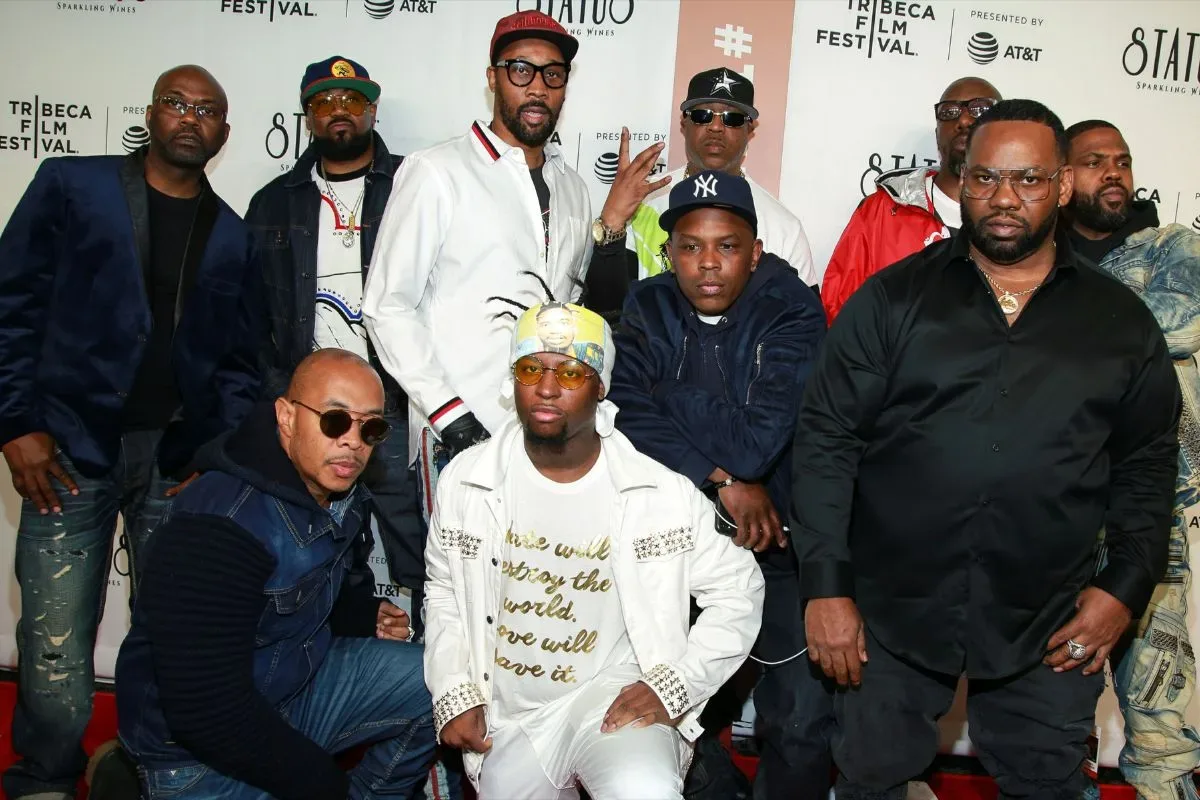
Method Man’s casting gives the fictional musician an especially direct connection to the world the episode is dramatizing. As a member of Wu-Tang Clan, he arrives with a musical identity that makes a story about recordings, imitation and a rapper’s earning power feel immediately legible. At the same time, YUNGWOOD is a character, not a claim about Method Man’s own business or music.
The appearance is another entry in an acting career that has moved well beyond music. Method Man has also joined Netflix’s A Different World revival as Coach Coles. The contrast between that campus-based role and YUNGWOOD is substantial: one is a coach in a revived television setting, while the other is a performer forced to put an AI-driven threat to his recordings before a court.
For viewers interested in hip-hop culture on television, the episode may also land beside a broader conversation about artists at different points in their careers. Willie D’s recent case for treating age as a source of guidance rather than fear offers a related lens on how veteran voices are represented. YUNGWOOD’s conflict, however, is specifically about protecting an established artist’s work and income against an alleged technological copycat operation.
The story’s AI question is also an income question
Popular discussion of AI-generated music can become overly abstract very quickly. It can focus on whether machines can be creative, whether generated material sounds convincing, or whether audiences can tell the difference. Cupertino instead starts from a concrete impact: YUNGWOOD’s streaming money is down.
That framing is useful because it connects technological imitation to an easily understood result. If knockoff tracks lead listeners away from the artist whose sound or music is being copied, the concern is not just reputational. It becomes financial. A song might be entertainment for the listener, but it is also part of a working artist’s professional output.
The supplied details deliberately leave the case’s eventual result open. They do not say whether YUNGWOOD wins, whether the AI studio contests the allegation successfully, or what remedy Price and Siffre seek. That uncertainty is central to the episode’s dramatic proposition. Viewers are being asked to follow a fight in which the alleged injury is clear, while the courtroom has to determine what responsibility follows.
It also prevents the premise from claiming an easy answer to a complicated category of dispute. “Knockoff” communicates the character’s allegation and the commercial effect he sees; it does not, on its own, explain every factual or legal detail that may be argued in the episode. The courtroom is where those competing interpretations can be tested.
Creative team and how to watch
Aurin Squire wrote “YUNGWOOD,” and Rob Hardy directed the episode for CBS Studios. The installment airs Thursday at 10 p.m. ET/PT on CBS.
Live streaming is available through Paramount+ Premium. Paramount+ Essential subscribers can watch the episode on demand the following day. For Method Man, it is a chance to play a character confronting a particularly current threat to a musician’s work; for Michael and Olivia, it is another test of their resolve to take on powerful technology interests, this time with Michael’s father waiting across the courtroom.