Matthew Lillard’s character in Superman: Man of Tomorrow remains officially under wraps, but the actor has offered a compact clue that narrows the field without actually naming the part. Asked whether comic readers would recognize the character, Lillard described it as “a very James Gunn moment” and advised fans not to worry too much about locating him in the comics.
That wording does not confirm a character name, powers, allegiance, or even the size of Lillard’s role. It does, however, make an existing comics identity seem less likely than an original DCU creation. That distinction matters in a franchise where audiences often treat casting news like a detective board: one actor, one familiar superhero or villain, several yards of red string. Lillard’s answer suggests this may be one mystery where the reference books are deliberately not much help.
What Lillard’s comment does—and does not—tell us
The most defensible reading is that Lillard could be playing a character created for the screen continuity rather than a direct adaptation of a DC comics figure. It is still an inference, not a formal confirmation. “Don’t worry too much about finding him in the comics” could also describe a substantial reinterpretation, a small role that does not map neatly onto one established character, or a character whose importance is meant to be a surprise.
What it does not support is a firm identification. There is no announced character name, no confirmed connection to Superman, Lex Luthor, Brainiac, Blue Beetle, the Justice Gang, or any other participant in the movie. There is likewise no basis yet for claims about Lillard’s costume, villain status, special abilities, or place in future DCU projects.
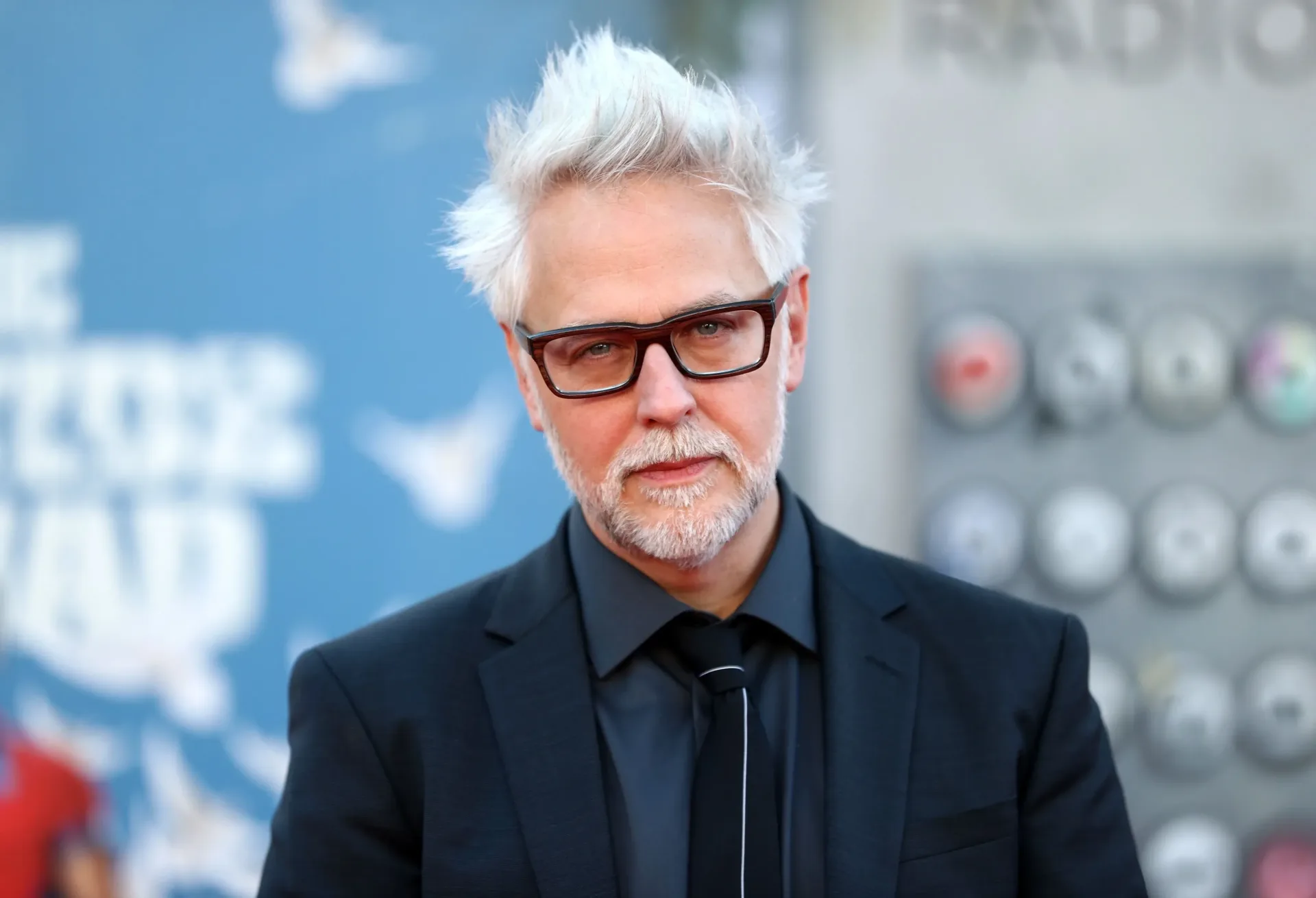
That restraint is particularly useful here because one prominent bit of speculation has already been rejected. A theory linking Lillard to Barry Allen was previously shot down by DC Studios co-CEO James Gunn. Removing that possibility does not automatically prove that Lillard is playing an original character, but it is a reminder that casting guesses are not the same thing as casting announcements.
Why an original DCU role would fit the clue
An original character, in this context, means a person introduced for the DCU screen universe rather than a named figure already established in DC comics. Such characters can fill practical storytelling jobs: they can provide a fresh viewpoint, connect plot threads, add a joke or complication without altering a well-known character’s comic history, or simply give a film its own texture.
Gunn’s DCU has already used characters that are not straightforward pulls from the comics, including Amanda Waller’s daughter and Mister Handsome. That precedent gives Lillard’s comment some context. The phrase “James Gunn moment” could point toward that tendency to place newly created or unexpected characters beside recognizable comic-book names. Still, it should be read as a tonal tease from the actor, not a detailed description of the film’s plot.
For comic fans, the practical implication is simple: looking through superhero databases for a perfect Matthew Lillard match may be less productive than waiting for official material. A familiar actor does not necessarily signal a famous costumed role. Sometimes the twist is that the character has no decades of publication history at all.
The confirmed framework around the secret role
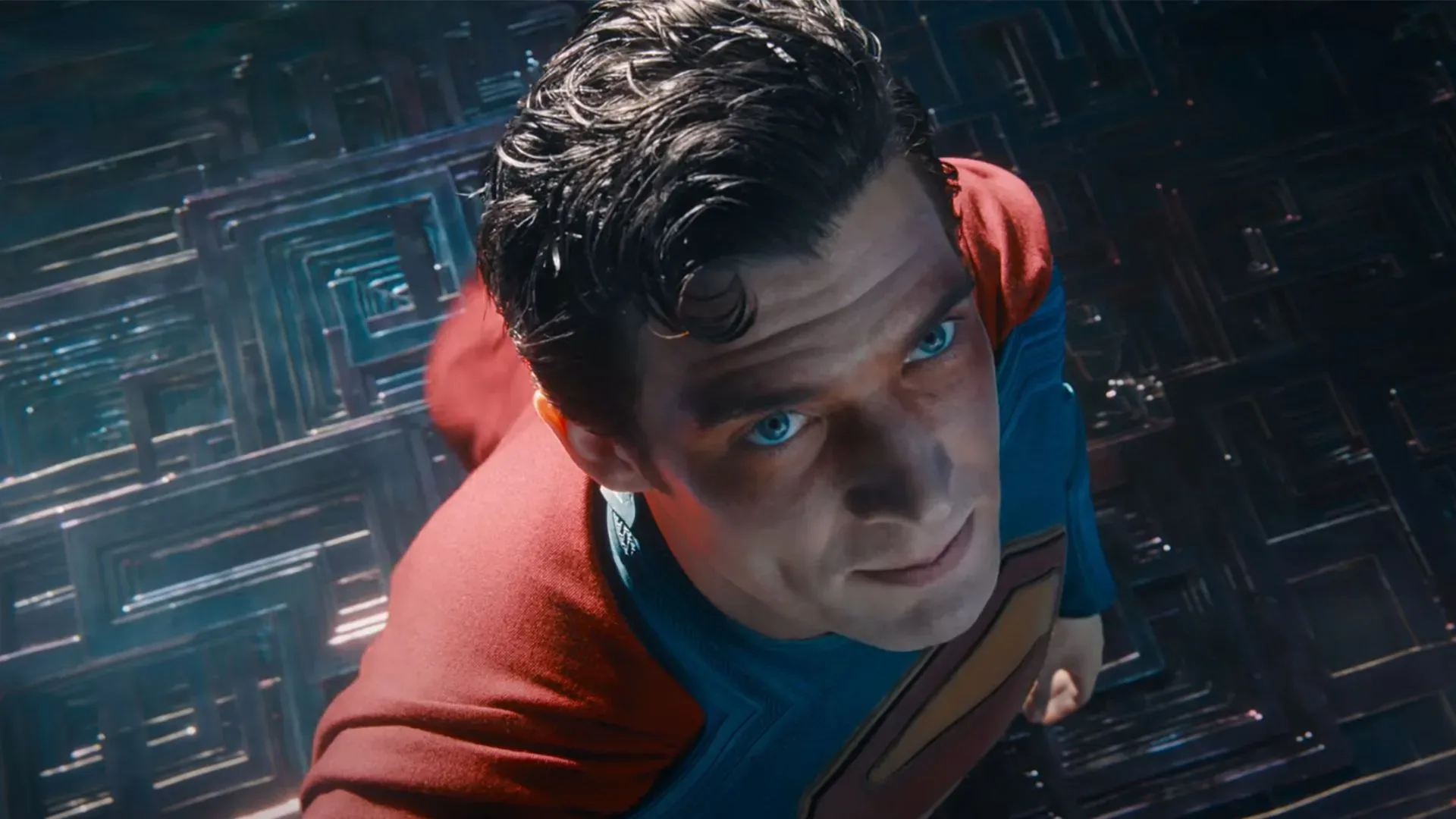
Superman: Man of Tomorrow is set to bring Superman into an uneasy alliance with Lex Luthor. David Corenswet returns as Superman, while Nicholas Hoult returns as Luthor. An alliance between the two immediately creates a useful tension: Superman and Luthor may be working toward the same immediate objective, but that does not erase their opposing values, histories, or reasons for being in the fight.
Brainiac is the film’s antagonist. The character’s arrival also changes the scale of the conflict suggested by the premise. Luthor is identified as a human rival for Superman, while Brainiac represents an additional threat force significant enough to make cooperation between the hero and his longtime foe possible. Beyond that broad setup, the supplied details do not establish Brainiac’s specific plan, whether Luthor can be trusted, or where Lillard’s character fits into the conflict.
Rachel Brosnahan is returning as Lois Lane, and Skyler Gisondo is returning as Jimmy Olsen. The movie is also expected to connect its returning cast with members of the broader DCU, including Blue Beetle and the Justice Gang. That is a large ensemble canvas, which means a mystery role could plausibly serve many different dramatic purposes. It could be close to the main conflict, attached to one of the wider-DCU groups, or simply be an unexpected presence designed to land as a memorable beat. At present, each of those options remains speculation.
A shared universe is not a character checklist
The term DCU refers to the connected screen universe overseen by DC Studios. A shared universe allows characters and organizations from different stories to coexist and cross paths. But a connection does not mean every character needs a comics counterpart, or that every appearance must function as a setup for another project.
That is why Lillard’s tease is more interesting than a generic “wait and see” response. It points to an approach in which the world can expand through people who are not already familiar to readers. An original character has no predetermined list of classic story beats to fulfill. The filmmakers can define their personality, loyalty, and impact inside this specific continuity.
There is a trade-off. Established characters arrive with recognition and an existing relationship with the audience; they invite readers to compare the adaptation with the page. A newly made character has fewer built-in expectations, but also fewer boundaries. If Lillard is indeed playing one, audiences will have to judge the role by what it contributes to Man of Tomorrow, not by whether it faithfully recreates a particular comic run.
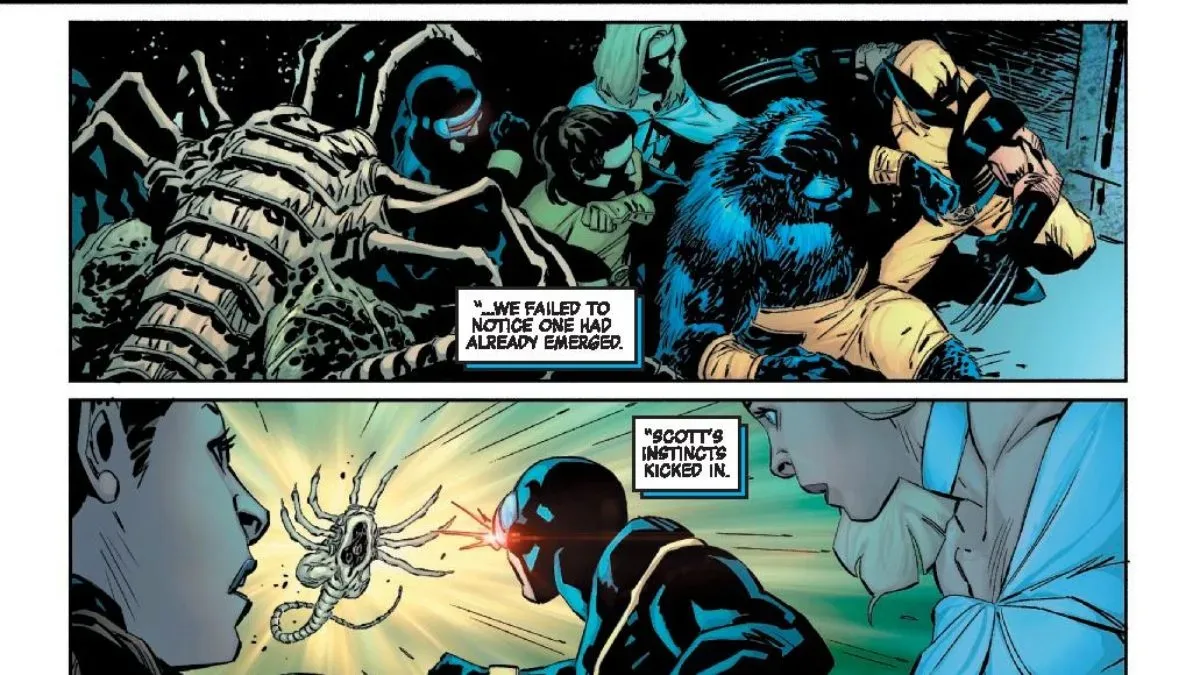
That conversation is part of the wider appeal of comic-book adaptations. The source material offers a huge foundation, but screen versions still make choices about which parts to adapt directly, which elements to reshape, and where to introduce something new. Readers following other cross-media superhero stories can see the same basic question of continuity and reinvention in projects such as Alien vs. X-Men #2’s Xenomorph crisis: recognizable characters can enter an unfamiliar scenario without every detail being predictable from prior canon.
Rumors remain separate from official information
The Lillard discussion arrives amid the usual cycle of DCU casting speculation. Wonder Woman casting has been a topic of fan discussion, but no actor is identified here. Lillard is not being positioned as a likely choice for that role, and nothing about his comment connects him to it.
Gunn has also recently pushed back on claims that Milly Alcock had been fired from her Supergirl role. His response objected to the rumor and warned people against treating unsupported claims as reliable information. The broader lesson applies cleanly to the Lillard mystery: a tantalizing quote can inspire theories, but it is not a license to promote any one theory as settled fact.
For now, the known facts are relatively clear. Lillard is joining the wider DCU through Superman: Man of Tomorrow. His role has not been announced. The actor’s own language suggests comic readers should not assume he is playing a recognizable page-to-screen character, while the studio has already dismissed the Barry Allen guess. Everything beyond that—including whether the part is truly original—should remain labeled as possibility rather than confirmation.
Release date
Superman: Man of Tomorrow is scheduled for theatrical release on July 9, 2027. Until official character information arrives, Lillard’s “James Gunn moment” is best understood as an invitation to expect the unexpected, not a solved riddle.