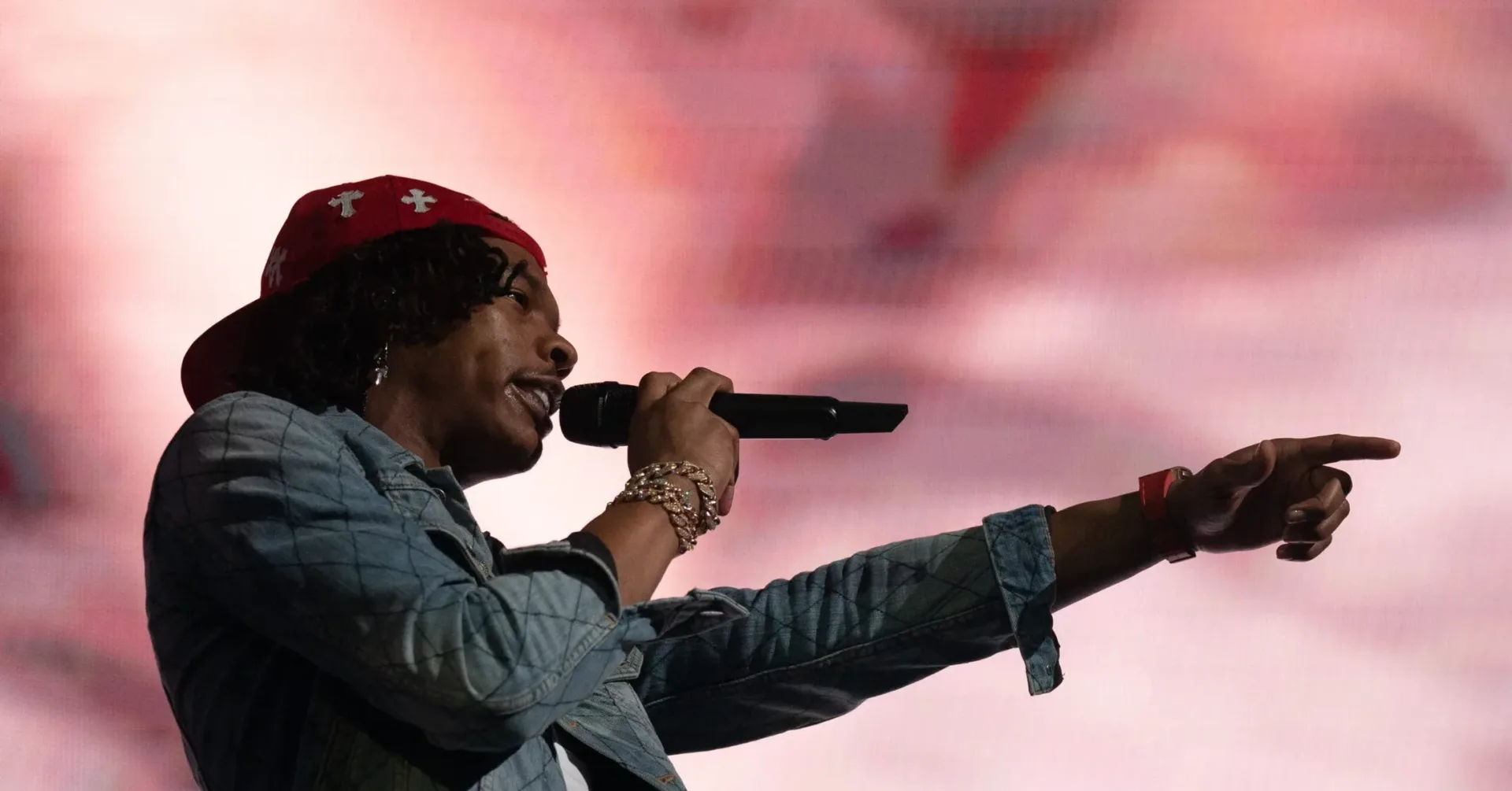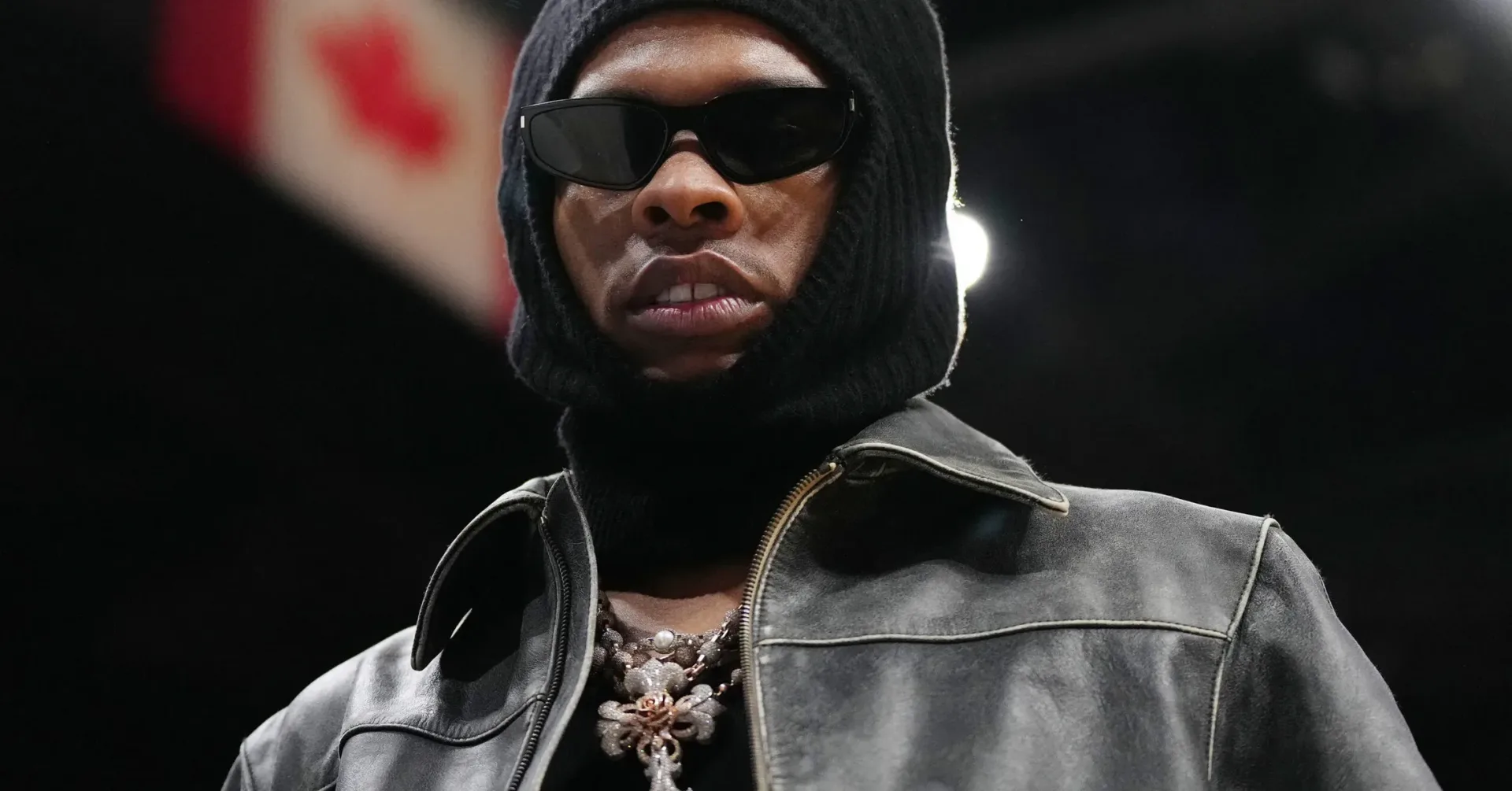

A viral social-media post involving Lil Baby has turned a brief alleged meet-and-greet into a wider argument about fan expectations, premium access and the importance of knowing exactly what a VIP package includes.
The post, published November 14, claimed that a supporter spent more than $1,000 on a VIP package and was then rushed away by staff during the encounter. It passed two million views on X and had received more than 6,600 likes and 300 reposts when it was viewed Sunday. Those numbers show that the clip and its framing traveled widely; they do not verify the alleged purchase price or establish the terms of any package.
Several essential details remain unknown. The attendee was not identified, nor was the venue. There is no independently confirmed price, no published package description in the available information, and no account of whether the package specified a photo, autograph, conversation time, merchandise, early entry, or another benefit. That missing context matters because the dispute online is largely about value, while the actual promised deliverables have not been established.
What is known—and what is still only a claim
The viral caption characterized the purchase as a VIP package, said the attendee was unhappy, and alleged that staff hurried the person along. The claim that more than $1,000 was paid comes from that caption and has not been independently confirmed.
That distinction is more than a technicality. A social post can accurately capture a disappointed reaction while still leaving major questions unresolved: what was purchased, who sold it, whether the event had a stated time limit, and whether the interaction unfolded as the purchaser expected. None of those answers can be assumed from the post alone.
Online replies nevertheless landed on a straightforward consumer question: if access carries a four-figure price tag, what should the purchaser reasonably receive? One commenter said they would have immediately contacted their bank to reverse the transaction. Another argued that the attendee should have had enough time to make connections during the event.
Those reactions reflect an expectation that a high-priced experience should feel substantial, personal and clearly differentiated from a standard ticket. They do not, however, establish that a refund would be warranted or available. Any such outcome would depend on facts not available here, including the seller’s terms and the precise package description.
Why the word “VIP” can cause friction
VIP package is a broad marketing term rather than a single, fixed format. In practical terms, it describes a premium tier of access, but the contents can vary from one event to another. A buyer may interpret “meet-and-greet” as a meaningful conversation, while an organizer may structure the same phrase around a quick greeting or a rapid photo opportunity. When the materials do not spell out the limits plainly, fans can arrive with expectations that staff and event logistics cannot—or do not intend to—meet.
That is the central tension in the Lil Baby post. The audience has focused on the alleged cost and the apparent brevity of the moment. But cost alone cannot show whether the package delivered what it advertised. A premium price can raise expectations, certainly, yet the relevant comparison is between the advertised benefits and what was actually provided.
It is also important to separate dissatisfaction from deception. A fan can feel that an encounter was too fast, too impersonal or not worth the money. Those are valid personal assessments. They are different from a factual finding that a seller failed to provide a stated benefit, and the available material does not supply enough information to make that finding.
What buyers can check before paying for premium access
The post offers a useful reminder for people considering any expensive fan-access offering, whether it involves music, entertainment, conventions or other live appearances. The simplest safeguard is to treat a VIP listing as a list of specific deliverables, not as an open-ended promise of closeness to a performer.
- Read the package description line by line. Look for what is explicitly included, rather than relying on the name of the tier.
- Check for time-related language. If an interaction is described as a photo opportunity or a brief greeting, buyers should not assume there will be time for an extended conversation.
- Save the listing and confirmation. Keeping the original description, receipt and event instructions makes it easier to compare the purchase with the experience later.
- Identify the seller and organizer. A purchase may involve separate ticketing, promoter and event-management parties, so knowing who issued the package can matter if questions arise.
- Review policies before checkout. Refund, cancellation and package-change terms are most useful before money changes hands, not after an event has ended.
These steps cannot guarantee a satisfying interaction. They can, however, turn an unclear expectation into a checkable one. “Premium” is subjective; a listed photo, item, entry benefit or stated access window is concrete.
Staff pace is part of the experience, too
The allegation that staff moved the attendee along is what gives the post its emotional force. In a paid access setting, staff are not merely operating in the background. Their instructions, pacing and tone can shape whether a fan feels welcomed or processed through a line.
There is no evidence in the available material explaining why the encounter was allegedly shortened. It would be speculation to assign a reason. Still, the reaction demonstrates why event organizers benefit from setting expectations before a guest enters the interaction area. If an encounter is designed to be brief, clear advance communication can keep a short format from being interpreted as an unexpected cut-off.
For purchasers, the same point works in reverse: an expensive ticket does not necessarily mean an unscripted or lengthy one-on-one moment. The more a package is treated as a defined product with defined components, the easier it is to judge its value before buying.
The timing: Lil Baby’s FRESH rollout
The conversation arrived during the rollout for Lil Baby’s FRESH album. Future, Young Thug and Rylo Rodriguez were included on the announced tracklist. Album-rollout periods naturally bring increased attention to an artist’s public appearances, fan activity and online conversation, making individual moments more likely to spread beyond the people who were present.
That broader attention can magnify an incomplete story. A short video or caption can prompt immediate judgments about price and fairness, even where important details are absent. The responsible reading is therefore a narrow one: the post has generated significant discussion about alleged VIP value, but the payment amount, venue, purchaser identity and package terms remain unverified.
For readers following music and entertainment coverage beyond this dispute, Joking Joystick has also covered Leon Thomas’ entries in a new Grammy R&B collaboration category.
The bigger issue is clarity, not just price
A four-figure allegation makes the story attention-grabbing, but clarity is the more durable takeaway. A lower-priced package with vague language can also create frustration; a more expensive one with plainly stated benefits may be easier for a buyer to evaluate. The gap between what a customer imagines and what an event is built to deliver is where these disputes tend to take hold.
For now, the viral post is best understood as an unverified account that sparked a real conversation. It has not established the price, the agreement or whether any promised benefit was withheld. What it has established is how quickly premium fan access becomes a public value debate when the moment appears shorter than viewers believe the price should permit.