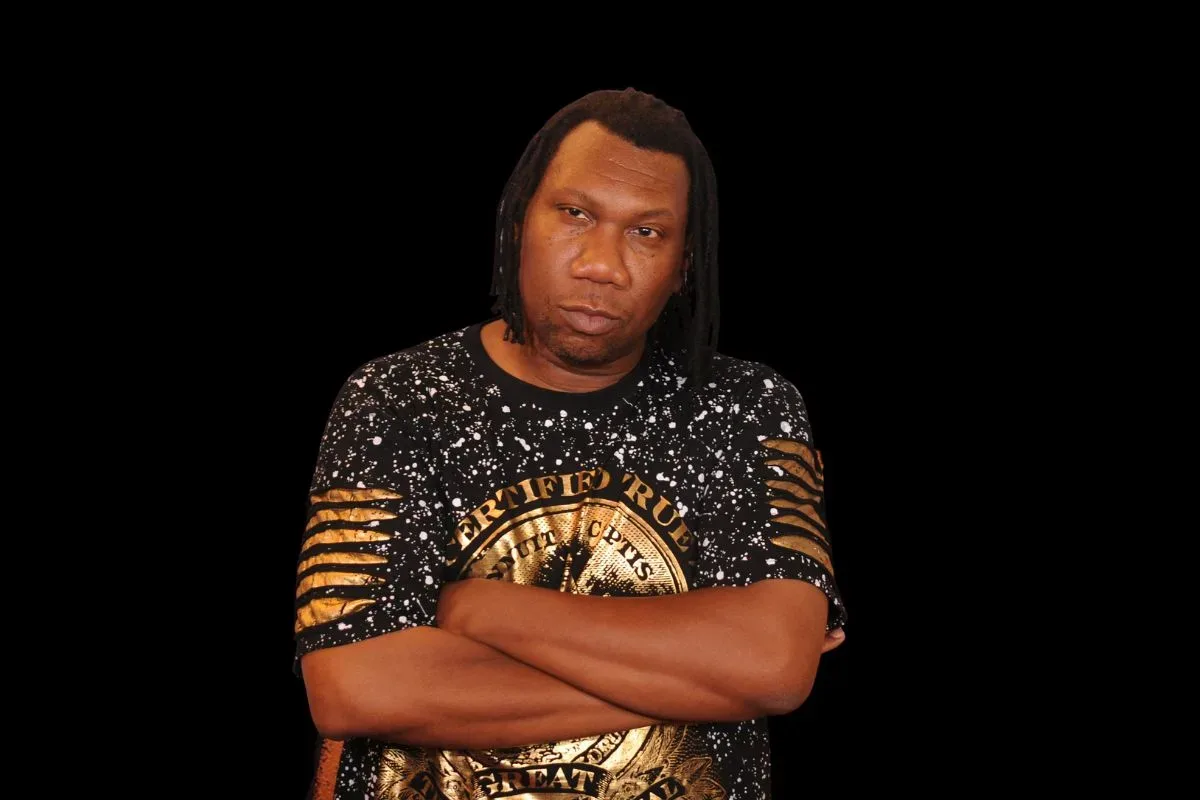
KRS-One has put forward an ambitious civic idea: a “Little Hip-Hop” district in every city around the world. In a recent video, the rapper and longtime cultural advocate compared the concept to the kinds of place-based communities already familiar in major urban centers, including Chinatown, Little Italy, Little Armenia and Brooklyn’s Little Caribbean in Flatbush.
The central question is direct: if cities make room for neighborhoods that visibly celebrate and sustain particular cultural communities, why should Hip-Hop not receive a dedicated home of its own? KRS-One’s proposal is not presented as a detailed urban-planning blueprint, complete with borders, budgets or a timeline. It is a call for recognition—one that asks cities to treat Hip-Hop as a lasting cultural institution rather than a temporary trend, soundtrack or marketing category.
That distinction matters. Hip-Hop has traveled far beyond the places where it was first formed, becoming a worldwide force across music, dance, visual art, fashion, language, entrepreneurship and political expression. Yet the culture’s physical footprint can be difficult to preserve. A mural may be painted over. A club can close. A neighborhood that nurtured artists can become unaffordable to the people who made its scene matter. “Little Hip-Hop” reframes cultural recognition as something that can be seen, visited, supported and passed between generations.
A proposal about cultural presence, not just a tourist label
There is a major difference between putting a catchy name on a few storefronts and establishing a district that genuinely serves a culture. KRS-One’s comparison to established community enclaves points toward the second, more substantial possibility. The idea is not simply a themed photo opportunity with speakers blasting old-school classics between souvenir shops. At its strongest, a Hip-Hop district would be a living environment where people make art, learn history, run businesses and gather around shared cultural practices.
That makes the proposal broader than music. Hip-Hop has always included multiple creative languages, with MCing, DJing, breaking and graffiti writing among its foundational elements. Any neighborhood claiming the name would have to acknowledge that scope. A district centered only on recording studios or celebrity branding would capture only one part of the picture.
It would also need to make room for the people who are actively creating now. Heritage should not mean freezing the culture in a display case. Hip-Hop’s history is essential, but its energy has come from reinvention, local styles and debate. A meaningful “Little Hip-Hop” could potentially connect established figures with young performers, dancers, DJs, designers, artists and organizers who are adding to the culture in real time.
Why KRS-One’s framing carries weight
KRS-One has spent decades arguing for Hip-Hop’s seriousness and cultural value. His “Little Hip-Hop” concept continues that long-running position: Hip-Hop deserves resources and respect commensurate with its influence. By putting it alongside culturally specific neighborhoods that are already recognized in urban life, he is challenging cities to consider what forms of acknowledgment they extend—and what forms they withhold.
The comparison should not be flattened. Many ethnic enclaves developed through migration, exclusion, mutual aid and the need for people to access familiar language, food, religion, employment and community support. Hip-Hop, meanwhile, is a global culture with roots in specific communities and a reach that crosses nationalities and identities. A “Little Hip-Hop” neighborhood would not be identical to Chinatown or Little Italy, and it would be a mistake to act as if every cultural district follows the same history.
But KRS-One’s broader point remains clear. Cities already understand that culture can be part of the built environment. Streets, commercial corridors, festivals, arts spaces and community institutions all help communicate who belongs in a place and whose stories are worthy of public attention. His proposal asks for Hip-Hop to receive that same kind of visible, durable presence.
What a real Little Hip-Hop could contain
Because KRS-One’s remarks are a vision rather than a formal municipal plan, the specifics remain open. Still, the idea is easiest to understand by considering the kinds of spaces that would make a district useful rather than ornamental. They could include:
- Affordable rehearsal, recording, dance and visual-art workspaces for local creators.
- Venues that give DJs, MCs, breakers and emerging artists a chance to perform.
- Educational programs covering the culture’s history, creative disciplines and business realities.
- Independent shops for records, books, clothing, art supplies and locally made goods.
- Public art and historical markers that acknowledge local contributors and neighborhood stories.
- Community events that bring together different generations without treating Hip-Hop as a museum piece.
None of those elements requires one universal design. A district in Brooklyn would have a different story from one in Los Angeles, London, Johannesburg, São Paulo, Seoul or any other city. Local scenes would need to define their own priorities. That local ownership is crucial: Hip-Hop is global, but it has never sounded, looked or moved exactly the same everywhere.
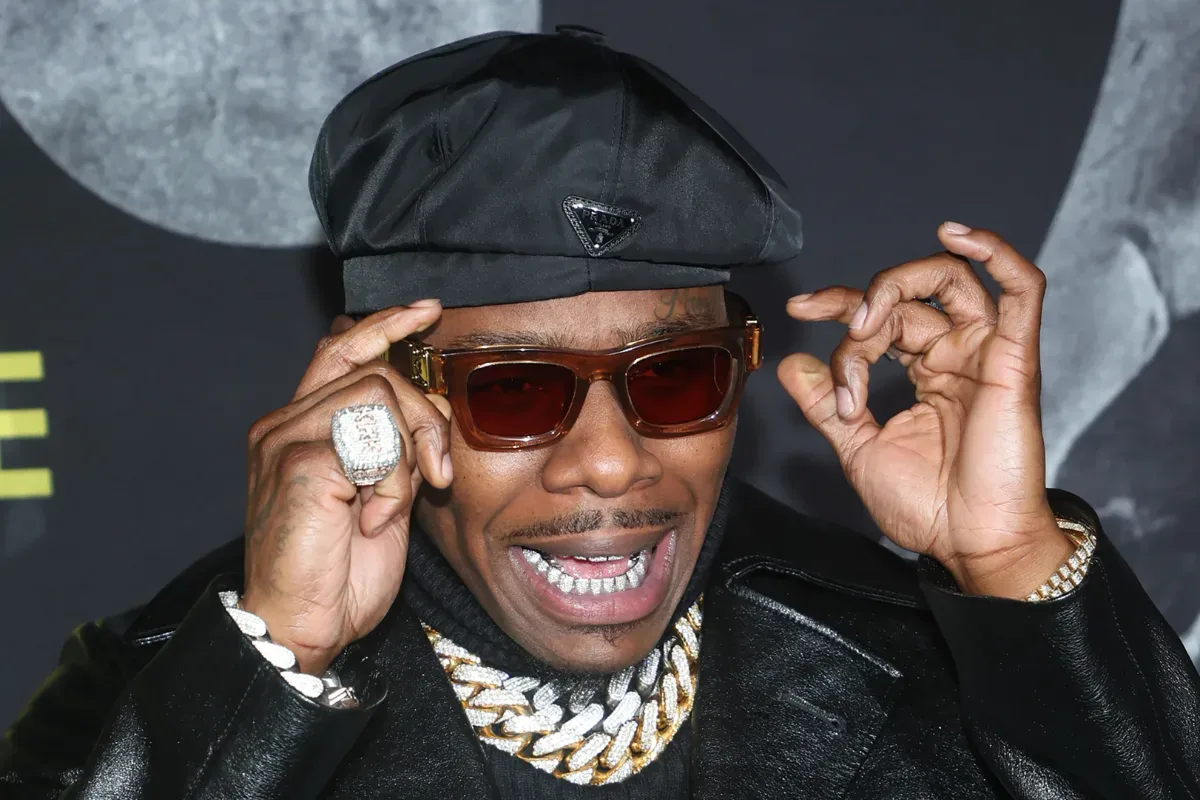
The business dimension is important, too. Hip-Hop has long created routes for independent enterprise, from clothing and media to food, events and hospitality. Recent examples of artists expanding their public identity through local businesses underline how culture can take physical form beyond the stage; DaBaby’s North Charlotte chicken-and-waffles restaurant venture is one illustration of an entertainer building a neighborhood-facing business. A “Little Hip-Hop” district, however, would need opportunities for a broad local community, not merely high-profile ventures.
The danger of branding without community control
There is an obvious challenge in any effort to formalize a culture inside a specific neighborhood: commercialization can arrive faster than preservation. Once an area is branded as culturally valuable, rising rents and outside investment can threaten the artists, residents and small businesses that made it valuable in the first place. A district meant to honor Hip-Hop could become an expensive attraction that excludes the very people whose labor and imagination built the culture.
That risk means recognition alone is not enough. If cities ever pursue concepts like KRS-One’s, community participation would have to be at the center of the process. Artists, youth organizations, independent business owners, longtime residents, educators and local historians should have a meaningful role in shaping what the district is for and who benefits from it.
Practical support would matter more than glossy signage. Affordable commercial leases, protected creative workspaces, grants, public programming and accessible venues could do more for a local Hip-Hop ecosystem than a ceremonial street designation. The concept succeeds only if it protects room for making culture, not just consuming an image of it.
A global culture with deeply local roots
The scale of KRS-One’s statement—“every city in the world”—is intentionally large. It reflects the reality that Hip-Hop now belongs to communities across the globe. Its influence is audible in local music scenes, visible in fashion and dance, and present in the ways young people build identity and communicate with each other.
At the same time, the worldwide reach of Hip-Hop does not erase its origins or reduce its history to a broad aesthetic. A thoughtful district would need to hold both truths at once: the culture emerged from particular urban conditions and communities, while its methods and meanings have since been interpreted by people everywhere. That balance is one reason the idea is compelling—and difficult.
In one city, “Little Hip-Hop” might emphasize archiving local pioneers and preserving a historic performance corridor. In another, it could focus on youth production programs, public dance spaces or artist-run markets. Elsewhere, it might become a gathering point for a scene that has long existed without adequate venues. The common thread would not be a fixed template. It would be a commitment to treat Hip-Hop as civic culture with an active place in public life.
The conversation KRS-One is opening
KRS-One has not announced a particular district, partner organization or city initiative. What he has offered is a provocative framework for discussing cultural value. The question is less whether every city would use the exact phrase “Little Hip-Hop” and more whether cities can create lasting space for a culture that has profoundly shaped urban identity around the world.
His vision invites a bigger discussion about who gets commemorated, who gets resources and what public recognition should look like. Hip-Hop does not need permission to be significant; its global impact has already made that plain. But dedicated, community-centered spaces could help ensure that the people making the culture are not pushed out of the places where their work is most alive.
For KRS-One, a small section of a city would represent something much larger: a visible acknowledgment that Hip-Hop is not passing through. It is part of the cultural landscape, and it deserves room to breathe.