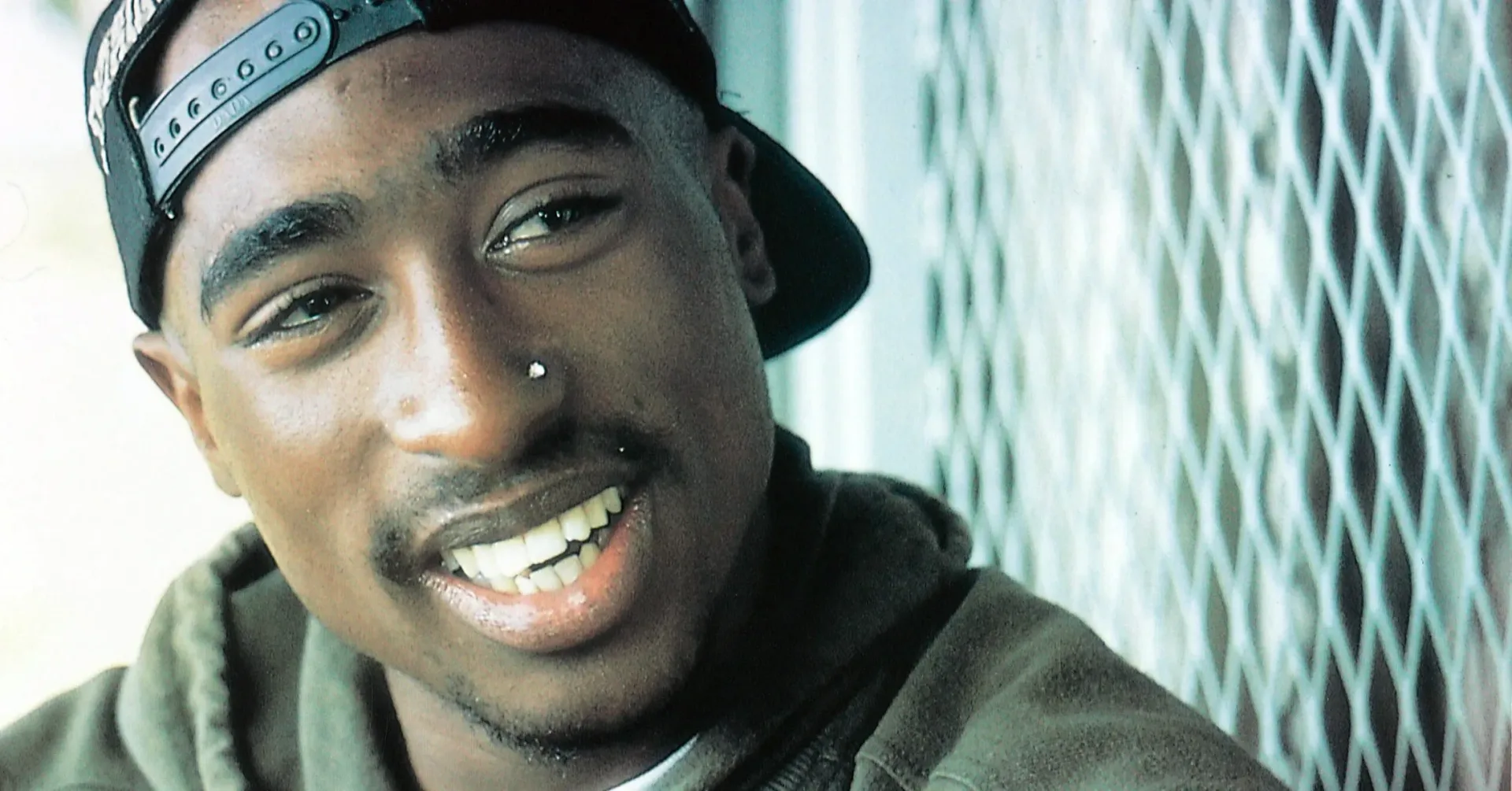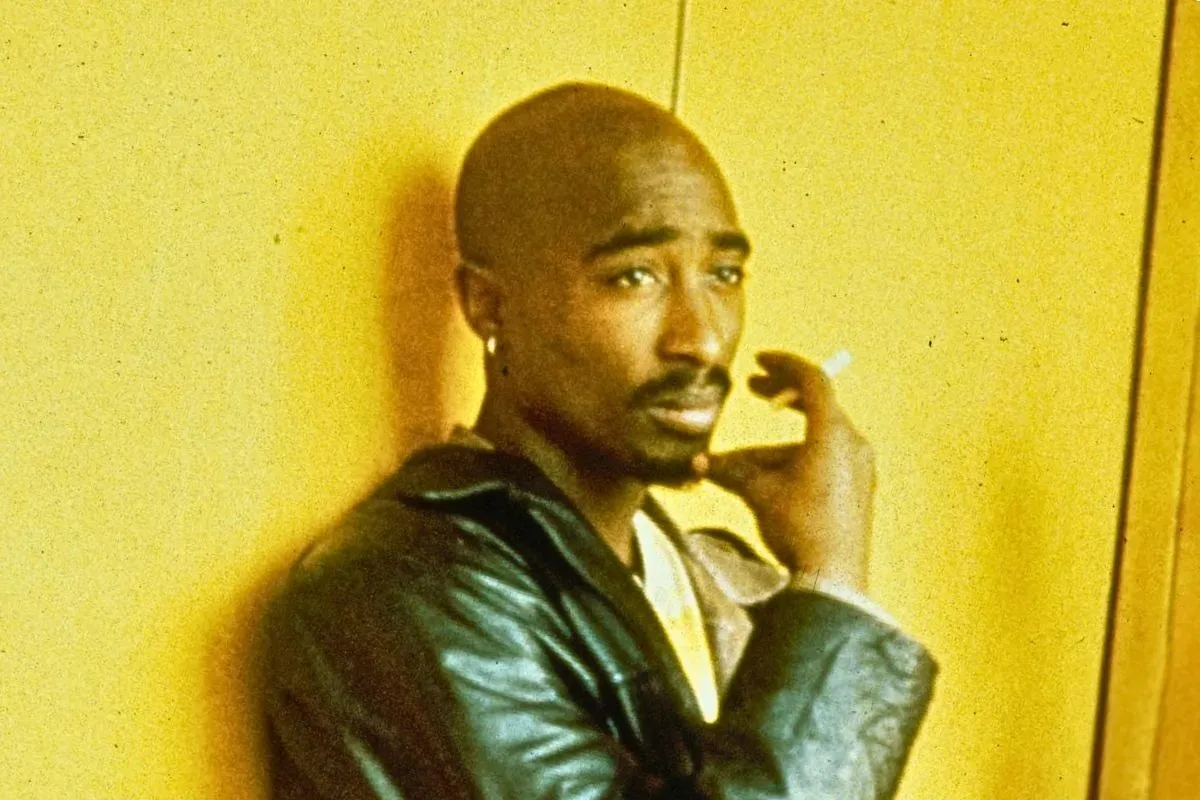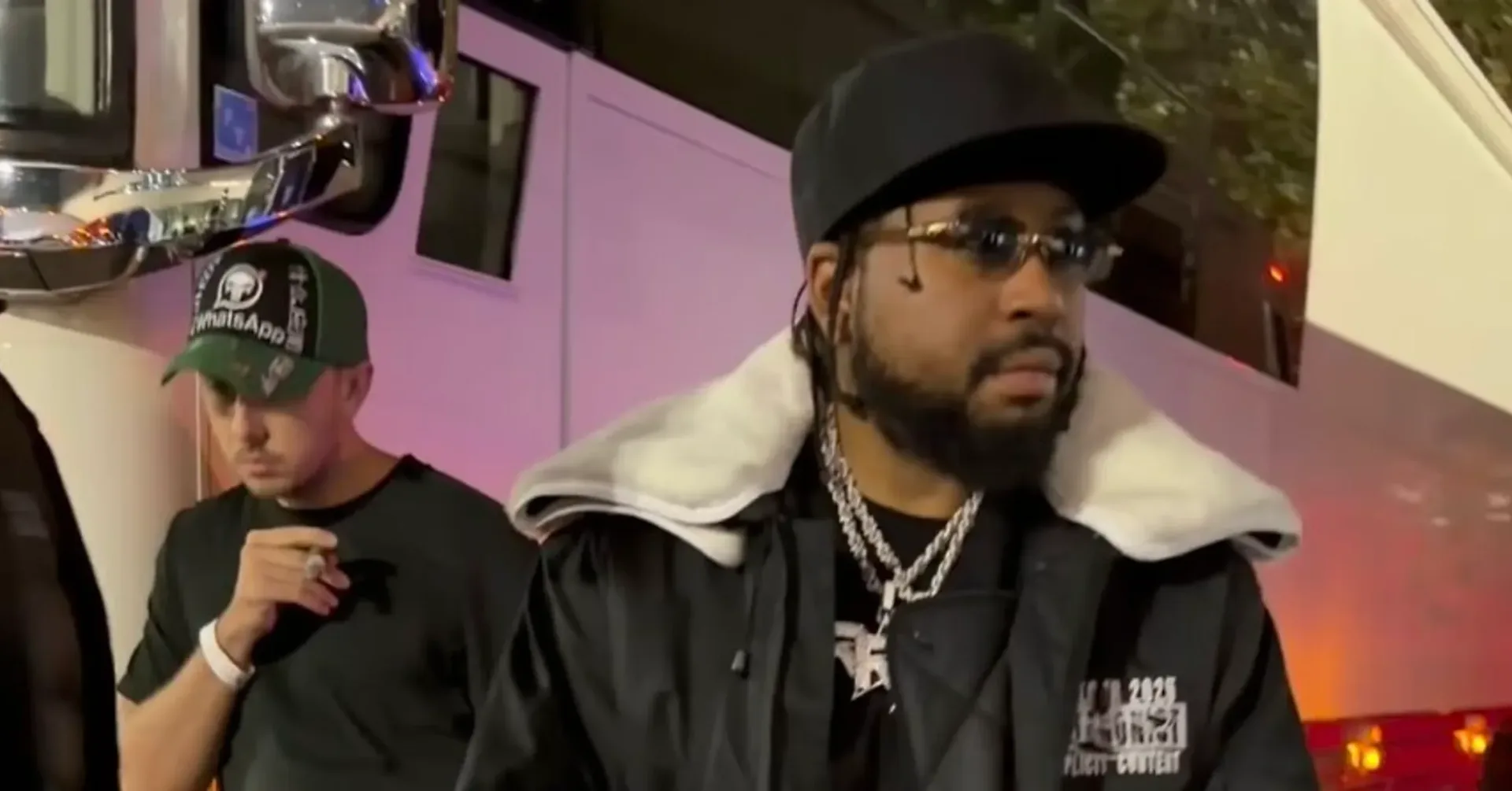
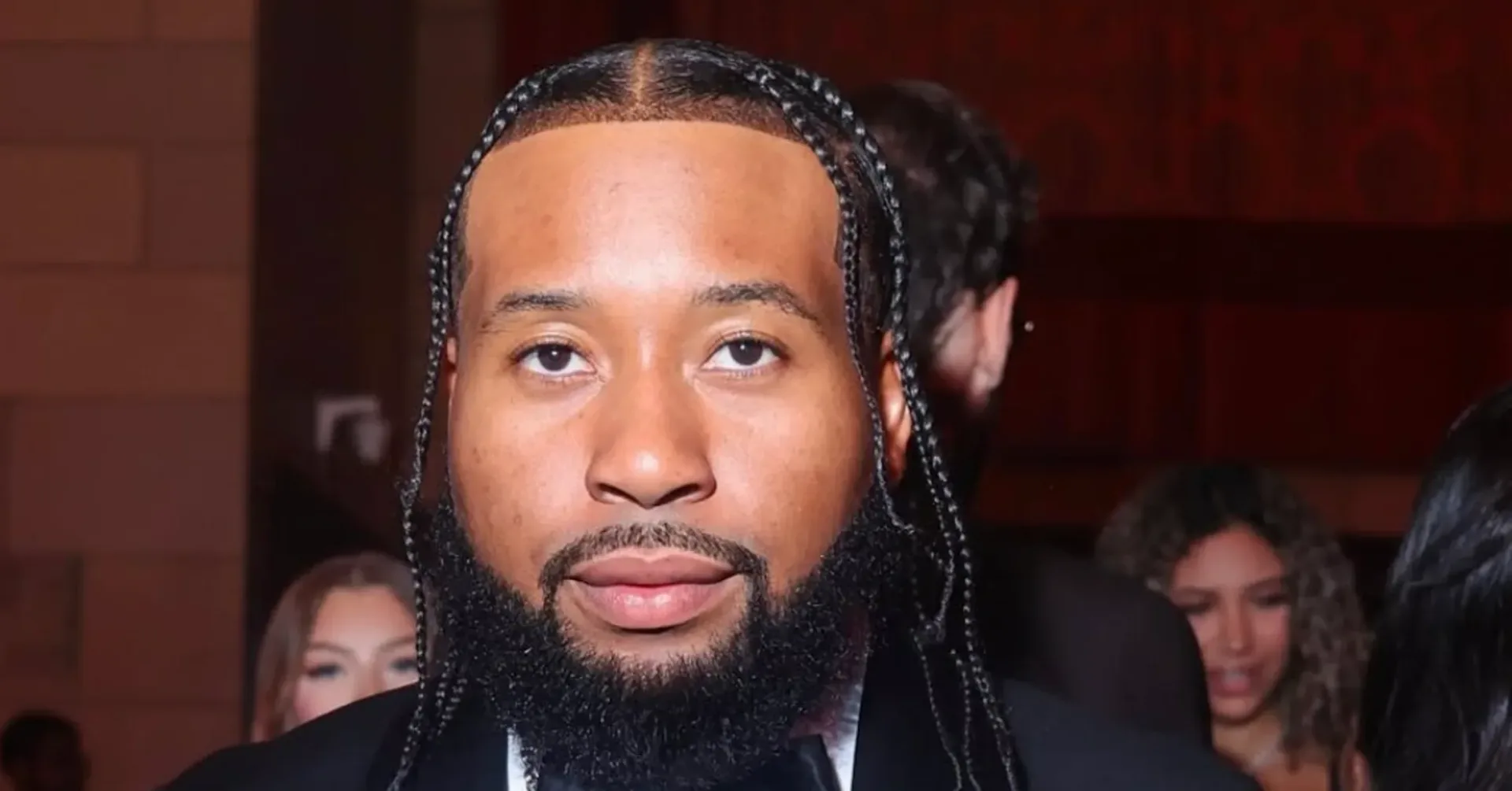
Joe Budden has sharply challenged DJ Akademiks’ criticism of The Tupac Tapes with Angie Martinez, telling his former Everyday Struggle co-host that he is being “willfully obtuse.” The exchange is centered on a difficult media question rather than a simple disagreement over whether an interview should exist: when can the publication of volatile comments become part of the harm it is documenting?
Angie Martinez interviewed Tupac Shakur in 1996, roughly three months before his death. The conversation was not fully released at the time because Martinez was concerned that Shakur’s comments about his many feuds could endanger him or others. Now, around 30 years later, the complete recordings are set to form a four-part video podcast, The Tupac Tapes with Angie Martinez, premiering on Netflix on November 27. Budden and Charlamagne Tha God are among the people set to help discuss and contextualize the interview.
Akademiks’ objection, prompted by the project’s trailer, is framed as a charge of inconsistency within hip-hop media. He said that he, DJ Vlad and Adam22 are often accused of “inciting violence” through the way they cover artists and conflicts, while Martinez is being praised for presenting interview material that also concerns disputes and tensions. Budden’s response suggests that comparison leaves out its most important variable: time.
The dispute is really about context, not merely controversy
“Inciting violence” is a serious phrase, but in this conversation it is being used broadly to describe media that may aggravate an active dispute, amplify antagonistic remarks, or make a dangerous situation worse. It does not automatically mean a legal finding or a claim that an interviewer directly caused violence. The underlying ethical concern is more practical: what effect could publishing a particular exchange have on the people involved while events are still unfolding?
For more context, explore Troy vs. South Alabama: How to Watch the Battle for the Belt on ESPN.
That distinction is at the heart of Budden’s rebuttal. A conversation recorded amid ongoing feuds in 1996, and withheld because of fears around immediate consequences, is not identical to an interview released while the speaker, rivals, associates and surrounding conflict may still be active. The words can be similar in tone while the possible real-world impact changes dramatically with the circumstances of publication.
Martinez’s original decision not to fully air the interview is therefore an important part of the story. It indicates that the safety question was considered at the time, not retroactively added as promotional framing decades later. The forthcoming series can revisit the material as a record of a particular moment in Shakur’s life, but that does not erase why the interview was initially held back.
Budden’s “willfully obtuse” line is pointed because it implies more than an honest difference of opinion. His position appears to be that Akademiks is deliberately flattening two situations that should be assessed differently: one involving previously unreleased remarks from an artist who died decades ago, and another involving contemporary media coverage whose subjects and conflicts may still have immediate stakes.
Why a 30-year gap changes the ethical calculation
Time does not make every piece of sensitive archival material automatically safe or automatically justified. It can, however, substantially change the questions editors, producers and audiences need to ask. In a current dispute, publication might affect relationships, reputations, decisions or tensions in real time. In an archival project, the focus can shift toward historical understanding, preservation and interpretation.
That shift is precisely why the release date matters more than the fact that Shakur discussed feuds. The key question is not simply, “Did an interviewer let a major artist speak about conflict?” It is also, “What were the foreseeable consequences of letting those statements reach an audience at that particular moment?” Martinez’s decision to delay the full conversation for decades supplies the clearest available answer to the latter question.
There is also a difference between raw material and presentation. The Tupac Tapes with Angie Martinez is described as a four-part video podcast, with Budden and Charlamagne Tha God helping unpack the interview. “Unpack” in this setting matters: it signals an effort to place difficult remarks inside a broader discussion rather than simply dropping isolated provocative moments into the public conversation. Viewers will still have to judge the finished series for themselves, but the announced structure is relevant to the argument about intent and responsibility.
Budden’s involvement adds another layer. He is not an outside observer objecting to Akademiks’ reaction; he is part of the project under criticism. That gives his defense an obvious personal stake, while it also means he is positioned to argue for the series’ contextual approach. Neither fact settles the debate by itself. It does explain why this disagreement has become as much about media practice as it is about the participants’ long-running friction.
Akademiks raises a broader question about media standards
Even if Budden’s point about timing is persuasive, Akademiks’ broader challenge is recognizable. Media audiences regularly debate whether interviewers and commentators are responsible only for accurately publishing what someone says, or whether they also carry responsibility for the foreseeable effects of how material is framed, promoted and circulated.
That debate becomes especially fraught in coverage involving personal feuds. An interviewer can provide a platform, ask a question that invites escalation, select a headline built around the most inflammatory remark, or add enough context to reduce the risk that an audience treats the material as fresh fuel for an ongoing conflict. Those are not interchangeable editorial choices.
Still, calling all coverage of conflict the same misses meaningful distinctions. A current interview, a short social-media clip, a commentary stream and a decades-later documentary series can all contain provocative language, but they do not necessarily serve the same purpose or reach their audiences under the same conditions. Timing, editing, surrounding explanation and the status of the people involved are all part of the ethical assessment.
Akademiks also said that he has an interview with NBA YoungBoy that he will not release, despite saying the artist asked for it to be published after his death. He explained that he does not want to think about that possibility. Whatever becomes of that unreleased interview, the claim underscores the contradiction at the center of this argument: people who work in media may possess material that is compelling for an audience yet still decide that releasing it would be inappropriate under certain circumstances.
That does not establish that every withheld interview should eventually be published, nor does it dictate how Martinez’s series ought to be received. It does show that the line between reporting, access, entertainment and restraint is not theoretical. It is a decision creators face when they hold conversations that could be emotionally charged or consequential.
A familiar disagreement between former co-hosts
The dispute arrives against a long history between Budden and Akademiks. The pair began co-hosting Everyday Struggle in 2017 and have exchanged criticisms repeatedly this year, including arguments involving gambling commentary and coverage of Drake. That history gives the latest clash an adversarial edge, but it should not obscure the central issue raised by the Tupac project.
At its narrowest, Budden is objecting to a comparison that treats a 1996 interview released decades later as equivalent to present-tense coverage of living artists and active conflicts. At its widest, Akademiks is asking whether media figures apply the same standards to well-established interviewers that they apply to digital personalities frequently accused of amplifying drama.
Those positions are not completely disconnected. Both turn on responsibility. The difference is where each speaker places the emphasis: Akademiks focuses on an alleged double standard over what types of coverage are condemned, while Budden focuses on the context that makes comparisons between different releases unreliable.
For audiences, the productive version of this conversation is more demanding than choosing a side. It requires looking at when a conversation occurred, why it was released or withheld, who may be affected, how the material is edited, and whether the presentation explains the stakes instead of merely exploiting them. A famous name or an emotionally intense subject does not remove those obligations.
The upcoming series will likely keep that argument active through its Netflix debut. Its subject is one of hip-hop’s most scrutinized figures, its material has remained unheard in full for decades, and its participants include commentators with their own highly visible media histories. For more on the immediate Budden-Akademiks exchange, read the related report.
What is already clear is that the argument cannot be reduced to whether an interview contains discussion of feuds. The circumstances around release are the story. Martinez’s decision to keep the full 1996 discussion from airing at the time, followed by a structured release roughly three decades later, is the distinction Budden believes Akademiks is refusing to recognize.