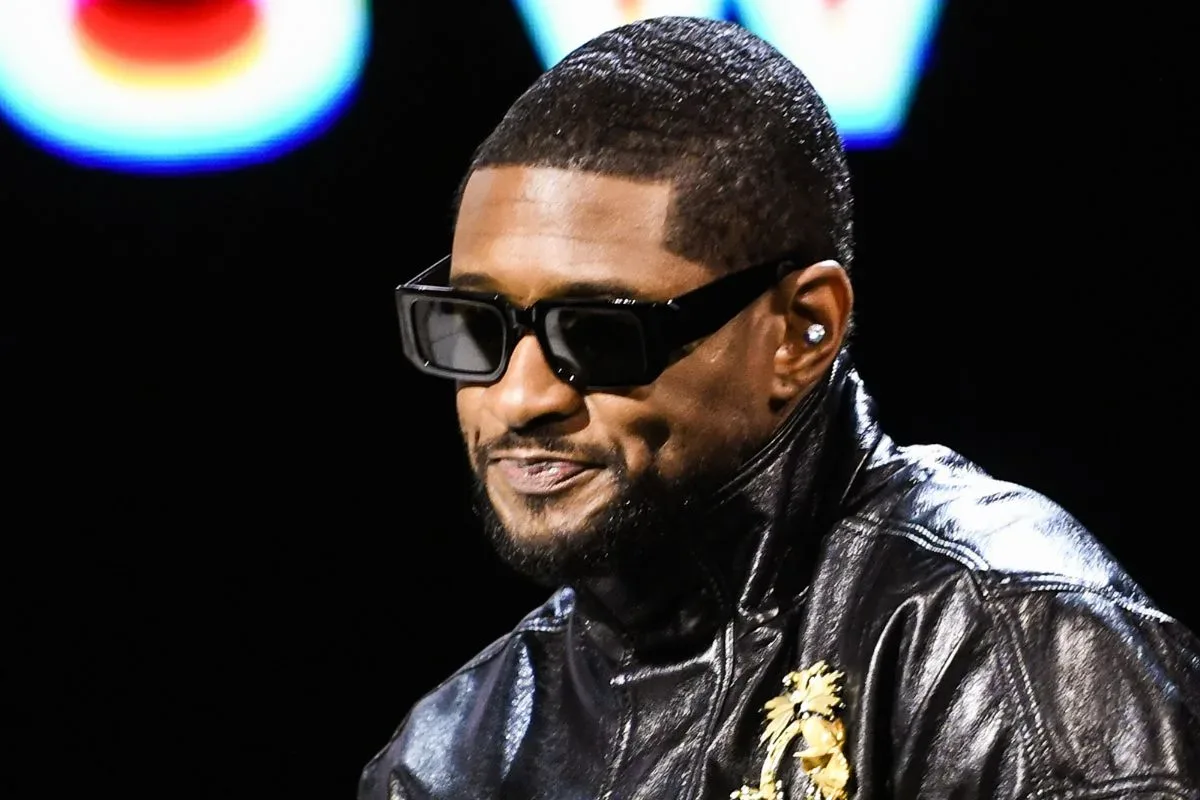
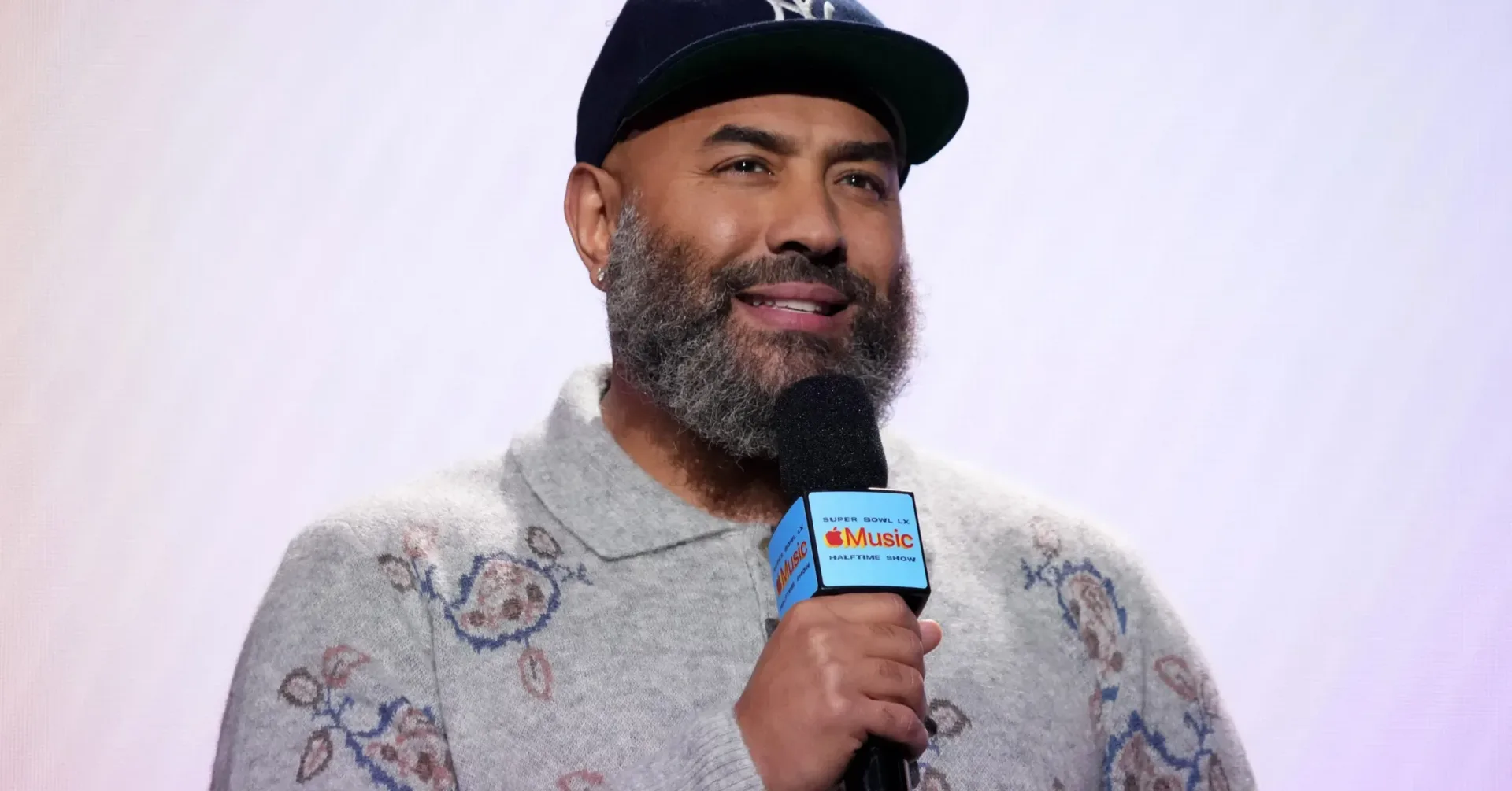
Rumors involving Usher and Chris Brown have moved quickly from a delayed Atlanta show on November 5 to wider claims of friction between the artists and their teams. With dates in Los Angeles and Miami subsequently reported as canceled, the story has attracted a second layer of speculation: not merely whether there is a dispute, but whether public attention around one could be serving a commercial purpose.
On The Ebro Laura Rosenberg Show, Ebro framed that possibility bluntly, calling the alleged conflict a potential “marketing hustle.” His theory was that controversy can bring an event back into the public conversation and perhaps stimulate ticket interest. He also suggested the canceled shows may have resulted from low sales rather than a confirmed disagreement between the performers.
“When the story [broke] that Chris Brown & Usher got into it, I thought it was a marketing hustle,” Ebro said. “Controversy sells… I think the shows that were canceled were due to low ticket sales.”
That is an opinion, not an established explanation for the cancellations. No reason for the Los Angeles and Miami cancellations was provided in the available information, and neither artist is cited as confirming Ebro’s interpretation. That distinction matters, especially when a delayed performance, a rumor about personal relations, reported team involvement, and canceled dates can be bundled online into a narrative that feels more settled than the known facts support.
What is known, and what remains speculation
The confirmed framework here is limited: an Atlanta show was delayed on November 5; rumors emerged that Usher and Chris Brown do not get along; reports said their teams were involved; and Los Angeles and Miami shows were canceled without a stated reason in the information available. Those facts leave substantial room for possible explanations. They do not, by themselves, establish either a genuine feud or a coordinated promotional strategy.
In entertainment coverage, a marketing hustle generally means a campaign or moment designed to use attention—particularly conflict, surprise, or ambiguity—to increase awareness of a product or event. Ebro’s use of the phrase is a theory about incentives: if people are discussing a rumored clash, that renewed visibility might help put tickets in front of people who had not planned to buy them.
But “controversy sells” is not evidence that a particular controversy was manufactured. There is a large gap between recognizing that attention can have commercial value and proving that the people involved created or amplified a rumor for that purpose. The current account does not bridge that gap.
The add-on-show argument
Peter Rosenberg broadly agreed with Ebro’s reading of the canceled dates. He described them as add-on shows and suggested that demand had already been pushed as far as it could go.
Related coverage includes Ebro Calls Usher and Chris Brown Feud Rumors a Possible Ticket-Selling ‘Hustle’.
“These were add-on shows,” Rosenberg said. “They just pushed it until there weren’t any more tickets to be sold.”
An add-on show is an additional date added beyond an initial run. Rosenberg’s point is not presented with ticketing figures, venue information, or an official cancellation explanation. It is an interpretation of the timing and the reported cancellations. Still, it identifies a practical question that can get lost once gossip takes over: how much remaining demand was there for later-added events?
For fans, that question is more useful than treating every canceled date as proof of a backstage dispute. A cancellation may generate frustration and theories, but without a formal explanation, it cannot reliably be assigned to one cause. It may be tempting to view the feud rumor and ticket sales as a single plotline; at present, that link is being asserted as commentary, not confirmed as fact.
Affordability is part of the conversation
Ebro also raised a broader concern: consumer debt and holiday-season spending may affect whether people can afford concerts. His observation is not backed here by sales data for these specific dates, but it is central to his explanation. The claim is not that fans lack interest in the artists; it is that interest and purchasing ability are different things.
That distinction is especially relevant for live events. A fan can follow a tour, watch clips from a delayed show, debate a rumor, and still decide not to purchase a ticket. When money is being allocated toward holiday expenses or existing credit-card balances, a concert can become an easier expense to postpone or skip. Ebro’s argument treats the cancellations through that economic lens rather than as a direct result of interpersonal drama.
The broader entertainment business has plenty of reasons to value attention, but attention is not the same as a completed purchase. A viral dispute can produce discussion without changing someone’s budget. Conversely, a show can face soft demand without any need for an elaborate public-relations explanation. Those two ideas can coexist, which is why a confident claim about the motive behind this particular rumor would go beyond the available evidence.
For a wider look at how financial pressure and uneven economics can shape entertainment businesses, see TV’s Star Salaries Remain a Boss-Level Market, Even as the Rest of the Industry Tightens Up.
Why the wording around the alleged feud matters
It is important to keep the word alleged attached to the supposed Usher–Chris Brown conflict. In this context, it signals that the claim has circulated but has not been established through confirmation from the artists in the supplied information. Removing that qualifier changes a rumor into an apparent fact, which can then drive further speculation about cancellations, management decisions, and tour plans.
There is also a difference between reports that teams are “involved” and an explanation of what that involvement means. Teams may include management, representatives, promoters, production personnel, or other people responsible for organizing events. The available account does not define their role, describe a disagreement, or connect their involvement to the canceled dates.
That missing detail is not a cue to fill in blanks. It is the reason to avoid doing so. The strongest reading of the situation is straightforward: public figures have offered a ticket-demand theory in response to a rumor and reported cancellations, while the artists themselves have not confirmed that theory.
What fans should watch for next
The meaningful updates would be direct, specific information: an official explanation for the Los Angeles and Miami cancellations, a clarification from either artist or their representatives about the alleged conflict, or details that establish whether the canceled events were add-on dates. Until then, the debate remains driven by competing interpretations.
Usher and Chris Brown are currently set to close out their tour in Tampa, Florida, on December 12. That forthcoming date may draw extra attention because of the current rumors, but its existence does not verify or disprove the theories around the earlier cancellations.
Ebro’s take has value as an argument about the mechanics of attention in live entertainment: controversy can put a show back on people’s radar, and affordability can constrain ticket buying even when online interest is high. The crucial limitation is equally clear. Neither a “marketing hustle” nor low ticket sales has been confirmed as the reason behind the reported cancellations, and neither establishes that the alleged feud is real.