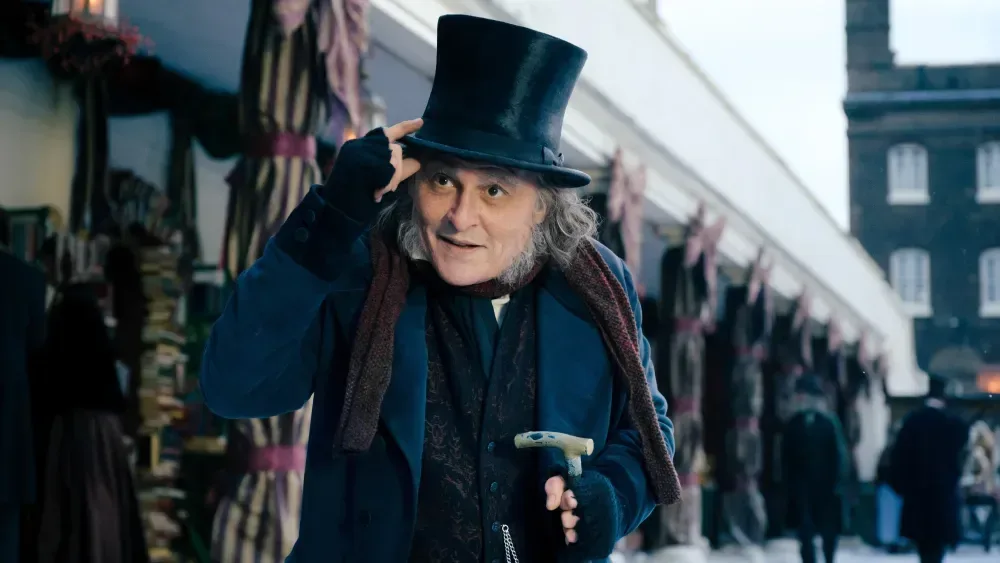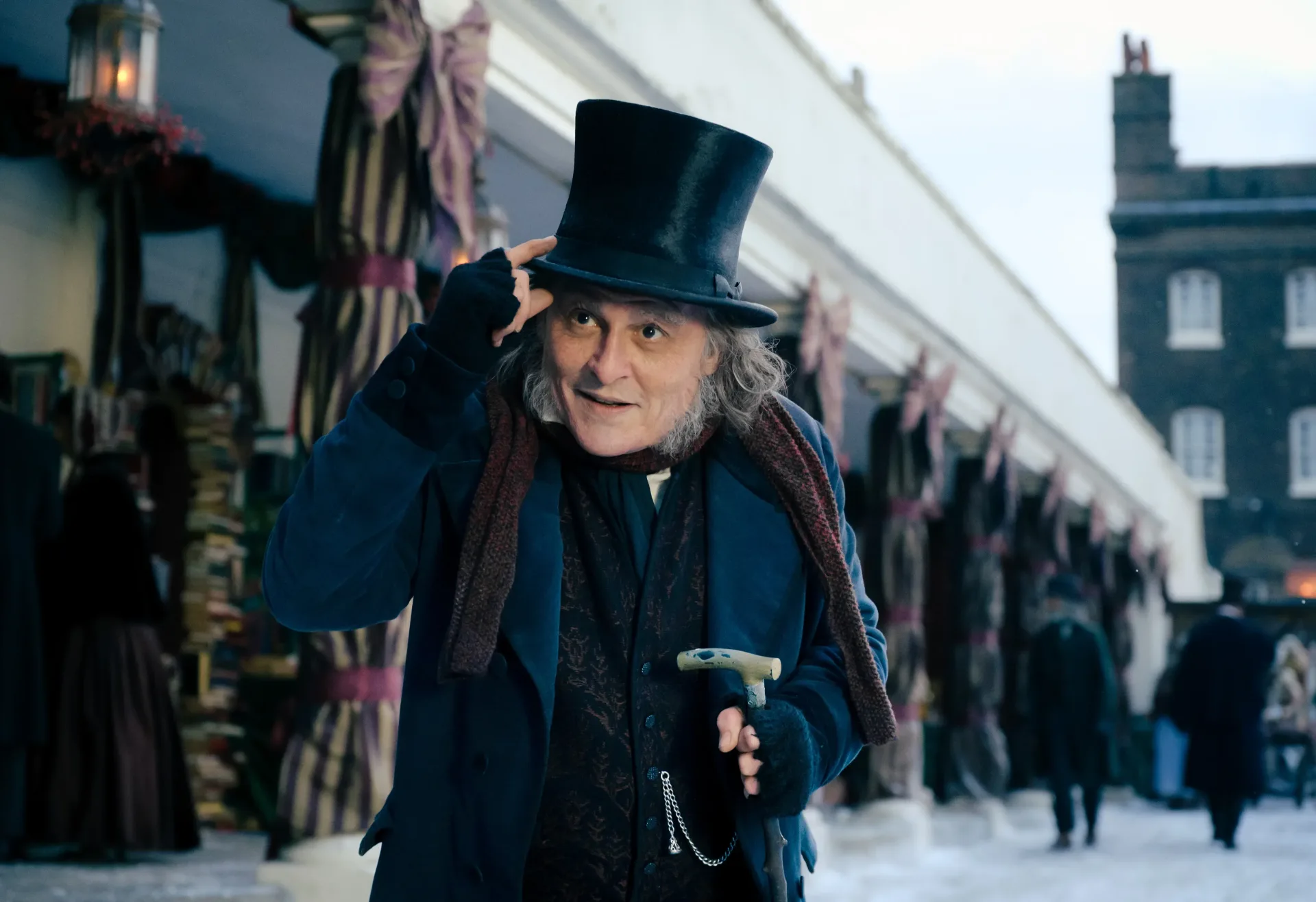
Ebenezer, Ti West’s new take on A Christmas Carol, has screened ahead of its planned Nov. 13 theatrical release from Paramount, and the first responses point to a largely warm—but not unanimous—reception. The central consensus in these early social-media reactions is clear: Johnny Depp’s performance as Ebenezer Scrooge and West’s gothic visual approach are the production’s biggest selling points.
The harder question, raised by the dissenting reactions, is one every new version of Charles Dickens’ story has to answer: what does this particular retelling bring that audiences cannot already get from the many Scrooges who came before?
That tension defines the conversation so far. Supporters see a lively holiday film with macabre flavor, genuine feeling and a leading performance tailored to its star. Skeptics acknowledge the craft, including its sets, production work and sound, but argue that the movie follows too familiar a path. With the film not yet broadly released, these are first impressions rather than a settled critical verdict.
Depp’s Scrooge is the main attraction in early responses
Depp plays Scrooge, the miser whose encounter with supernatural visitors forces him to confront the damage he has done and the possibility of changing course. The part calls for a difficult balance: Scrooge can be funny, frightening, cruel, pitiable and finally sincere. Several early viewers believe Ebenezer finds that balance.
One favorable reaction described Depp as magnetic through Scrooge’s gradual redemption and singled out the emotional impact of the finale. Another called him a “fiendish delight,” emphasizing a performance that moves between broadly playful character work and the dramatic gravity the story requires. A further response compared Depp favorably with George C. Scott among modern-era portrayals of the character.
Those comments do not mean every observer saw the performance the same way. A more critical reaction felt that the role leaned too heavily on a familiar Depp style rather than finding a distinctive new angle on Scrooge. That is a meaningful divide, not merely a disagreement about whether the actor is effective. For admirers, his eccentric energy makes an old character feel animated; for detractors, that same energy risks making the performance feel like an extension of work audiences have already seen.
Why that matters: Scrooge is not a supporting piece in this story; he is its engine. The ghosts, period setting and supporting characters all exist in relation to his moral journey. If viewers connect with his shift from callousness to compassion, the familiar plot can still carry emotional weight. If they do not, even impressive filmmaking around him may have limited impact.
Ti West’s gothic touch appears to be the film’s clearest reinterpretation
West’s direction is another recurring point of praise. Early reactions repeatedly mention gothic imagery, haunting visuals and an atmosphere shaped by horror sensibilities. In this context, “gothic” is more than a shorthand for dark lighting or old buildings. It describes a mood built from dread, decay, heightened emotion and the supernatural—elements that already fit Dickens’ tale of ghosts visiting a man in Victorian-era London.
Related coverage includes ‘Ebenezer’ First Reactions Put Johnny Depp’s Scrooge at the Center of a Split but Mostly Positive Reception.
That stylistic overlap may explain why the premise has attracted attention. A Christmas Carol is often treated as a comforting seasonal fable, but it has always contained unsettling material: a haunted former business partner, ominous visions of death and a protagonist who must look at his own life with nowhere to hide. A gothic treatment can foreground those shadows without changing the basic redemption narrative.
One positive response said West combines macabre thrills with the heart of Dickens’ story, while another credited the director’s visual design with refreshing what was otherwise a standard version. That distinction is important. An adaptation does not necessarily have to overhaul the plot to create a new experience; tone, staging and imagery can change how an audience feels its familiar turns.
Still, the unfavorable notices show the limits of atmosphere as a solution. Critics who found the film forgettable or unnecessary did not necessarily dismiss its technical work. One reaction specifically praised the set design, production and sound design while concluding that the picture did not establish enough of its own identity. Another called it technically well made but said its lack of novelty undermined its reason for being.
The adaptation challenge: honoring a classic while justifying another version
Ebenezer is presented as a reimagining of Dickens’ Christmas classic, with the promotional line, “The name you know, the story you don’t.” That phrase sets a high expectation. It suggests audiences should expect more than a straightforward replay of the story’s landmark beats.
The reactions indicate that the film may be strongest when it interprets the material through West’s gothic lens and Depp’s energetic performance. But the criticism is equally specific: some viewers believe it still hits the expected story points without presenting a sufficiently distinct overall conception.
That is not a minor complaint for a work based on such an exceptionally familiar narrative. A fresh adaptation can pursue several paths: it can alter perspective, restructure the story, introduce an original thematic framework, modernize the setting or use a powerful aesthetic approach that changes the material’s emotional texture. The responses so far suggest Ebenezer is working primarily in the last category. Whether that proves enough for wider audiences will be clearer after full reviews and the theatrical opening.
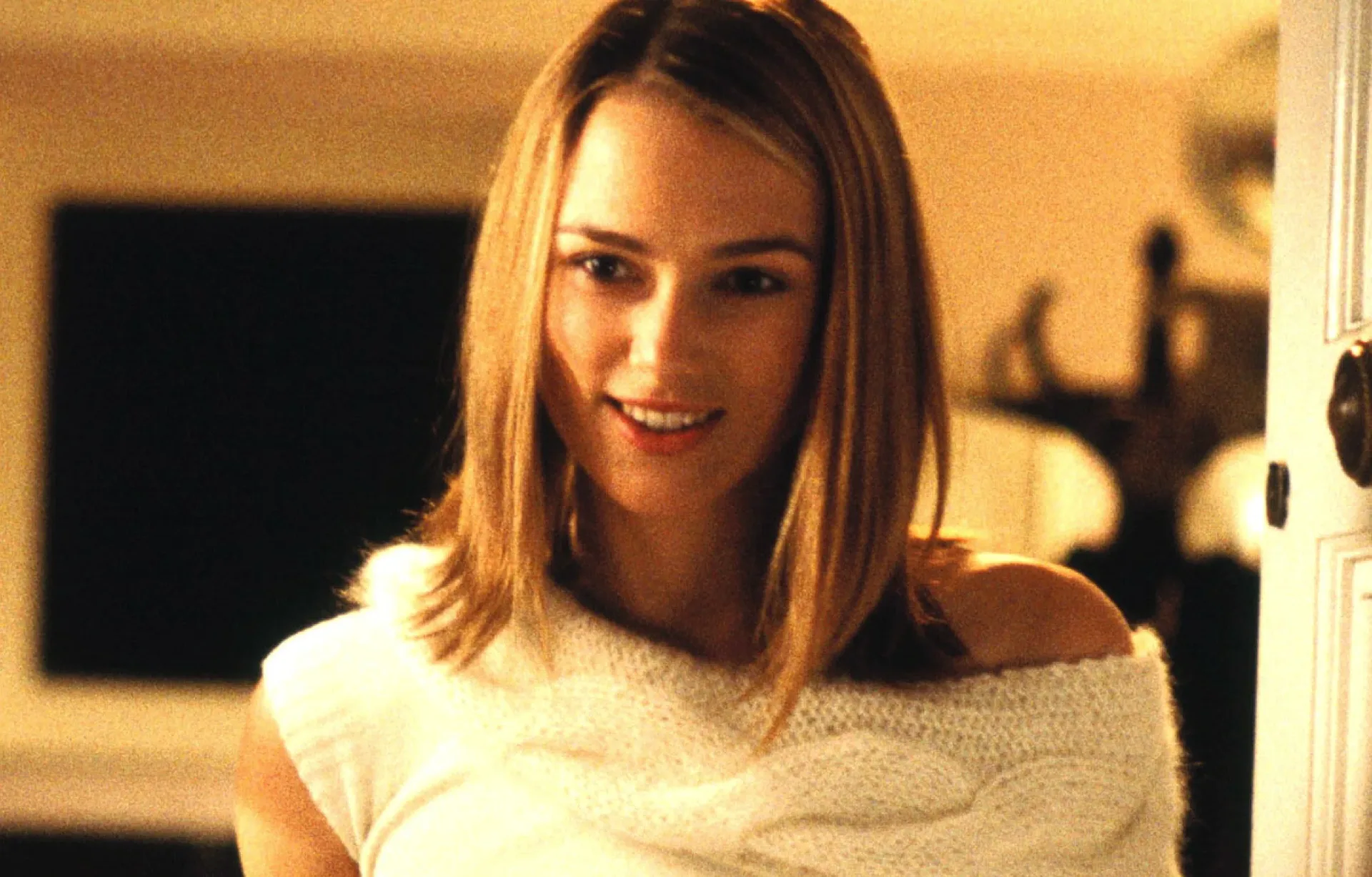
For holiday-movie viewers, this could be a useful dividing line. Anyone seeking a darker, more ornate version of a seasonal standard may find the gothic approach compelling. Anyone looking for a radically rewritten Dickens tale may want to temper expectations. As with other Christmas favorites, familiarity can be part of the pleasure; readers considering how nostalgia shapes seasonal entertainment can also revisit Keira Knightley’s comments on the lines fans remember from Love Actually.
An ensemble built around the familiar story
Depp is joined by Rupert Grint, Andrea Riseborough, Sam Claflin, Daisy Ridley, Arthur Conti, Ellie Bamber, Henry Lloyd-Hughes, Charlie Murphy, Tramell Tillman and Ian McKellen. Early reactions have referred favorably to the supporting cast overall, although the available comments focus far more heavily on Depp and West than on individual supporting performances.
That is understandable given the film’s framing. The title centers the protagonist, and the initial conversation positions the project as a prominent lead role for Depp. But the ensemble remains important to any version of A Christmas Carol. Scrooge’s transformation must be reflected back to him through the people he has dismissed, harmed or failed to understand; the story’s moral stakes depend on those encounters feeling human rather than merely functional.
One negative reaction named Claflin and Grint as “innocent” in its broader criticism of the film, suggesting that, for that viewer, the issue was not a blanket rejection of everyone on screen. That kind of distinction may become more useful once detailed reviews have room to examine the ensemble beyond the initial post-screening rush.
Why the comeback framing is part of the response
Ebenezer is Depp’s first Hollywood studio film since his 2022 trial involving ex-wife Amber Heard. Both accused the other of domestic abuse and defamation. Depp was awarded $10 million in compensatory damages and $5 million in punitive damages, while Heard was awarded $2 million in compensatory damages.
Because of that context, multiple early reactions have viewed Ebenezer as a potential comeback vehicle for Depp, rather than only another starring role. That label describes the public and industry attention surrounding a performer’s return to a major studio release after a period away from that position. It is not a measure of the movie’s artistic quality by itself, and the mixed responses make clear that the comeback narrative will not end debate about the adaptation.
What the initial response does establish is that Depp is not being treated as incidental to the film’s appeal. Praising his performance is the most consistent thread among the positive notices. For a production selling a famous story with a famous central character, that is a consequential early signal.
What the first reactions actually tell audiences
The early word on Ebenezer is encouraging for viewers who want a holiday ghost story rather than a purely cozy Christmas diversion. Praise has clustered around its gothic presentation, its polish and Depp’s performance. The negative reactions do not broadly claim the movie is poorly made; instead, they challenge its originality and staying power.
That makes the most accurate early takeaway a qualified one. Ebenezer appears to have found an effective visual and performative identity for many viewers, while still facing the unavoidable burden of comparison that comes with revisiting Dickens. The Nov. 13 release will show whether the movie’s dark seasonal atmosphere and its take on Scrooge can turn favorable first impressions into a more lasting response.