Don’t Breathe 3 is in the works, with filmmaker Fede Álvarez aiming to complete the tense home-invasion thriller series as a trilogy. Stephen Lang is expected to return as Norman Nordstrom, better known as the Blind Man, while Jane Levy is also expected to reprise her role as Rocky.
The project is still at an early and notably undefined stage. Álvarez has returned to write the third film, but it remains unclear whether he will direct it. There is also no release date, supporting-cast list, or confirmed story outline. That uncertainty matters: confirmation that a screenplay is being developed is meaningful, but it is not the same thing as a finished cast, a production start, or a movie ready for theaters.
What is confirmed about Don’t Breathe 3
Álvarez has said he intends to give the series a proper third entry. The most concrete creative details so far are his involvement with the script and the anticipated returns of Lang and Levy.
- Fede Álvarez: Writing the third film; whether he will direct has not been established.
- Stephen Lang: Expected to return as Norman Nordstrom/the Blind Man.
- Jane Levy: Expected to return as Rocky.
- Story: Not yet revealed, though the film appears positioned to continue threads from the first two movies.
- Release plans: No date or production timeline has been announced.
For now, fans should treat the movie as an active development project rather than a fully mapped-out production. The distinction is especially important with a franchise whose two existing films took different approaches to the same central character and whose potential third chapter would need to reckon with both.
Why Lang and Levy’s returns are a big deal
Lang’s Blind Man has been the series’ defining on-screen presence. In the original Don’t Breathe, he is the terrifying obstacle faced by a group of burglars who enter his home expecting an easy score. The setup turns into a survival scenario, using the cramped house and the character’s heightened awareness of his environment to create a brutal game of pursuit.
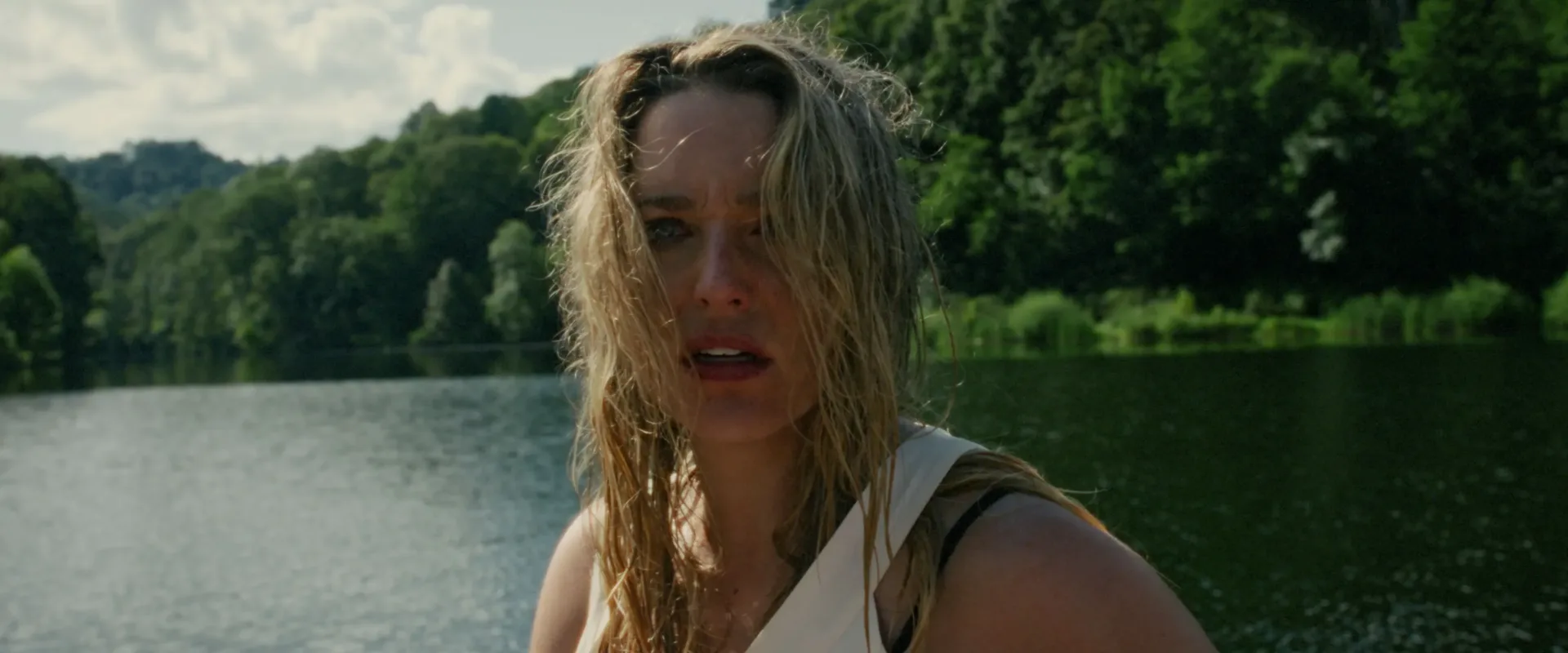
Levy’s Rocky, meanwhile, was one of the thieves at the heart of the 2016 film. Her expected involvement signals that the third entry may reconnect more directly with the original movie’s surviving perspective rather than functioning solely as another chapter about Norman. Precisely how Rocky would fit into a new story has not been disclosed, and the available information does not establish whether she would be a lead, a supporting player, or part of a wider ensemble.
Still, placing both performers back in the conversation gives the trilogy closer a potentially important dramatic ingredient: history. Rocky and Norman do not merely occupy the same franchise. Their connection is rooted in the ordeal that defined the first film. A third movie can use that shared past to create stakes that are more personal than a fresh break-in premise alone.
A franchise built on shifting points of view
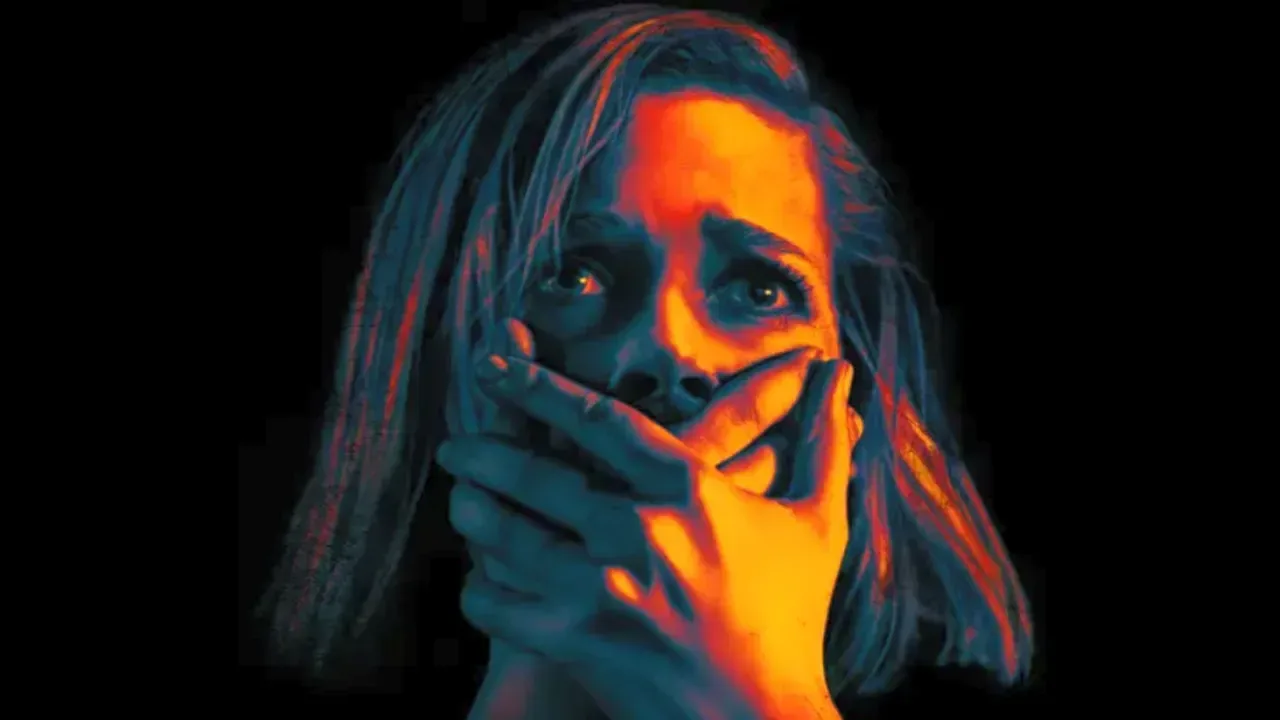
Don’t Breathe arrived in 2016 after Álvarez and Levy had worked together on the 2013 Evil Dead reboot. Sam Raimi produced the original thriller, which followed three thieves who find themselves trapped in a lethal cat-and-mouse fight after entering a house.
The film’s title describes more than a simple rule for hiding quietly. It frames the suspense around sound, proximity, and vulnerability. The Blind Man’s lack of sight changes the mechanics of a conventional chase: the people trapped with him have to consider every step, breath, creak, and object they disturb. In horror-thriller terms, that is a contained premise—a story driven by limited spaces and tightly controlled circumstances rather than a sprawling setting. It can intensify tension because escape routes, hiding places, and threats are easier for viewers to track.
Don’t Breathe 2 followed in 2021 with Lang back in the central role. Álvarez did not direct that sequel; Rodo Sayagues took over directing duties, while Raimi returned as a producer. The shift behind the camera is relevant as the third film takes shape. Álvarez’s return as writer creates a link to the original, but it does not yet answer the equally significant question of who will ultimately direct the conclusion.
What Álvarez writing could mean—and what it does not
It is reasonable to see Álvarez’s scripting role as a sign of continuity, especially because he directed the first film and has worked closely with Levy before. But it would be premature to attach a specific creative direction to that fact. No plot points, setting, tone changes, or new characters have been confirmed.
Writing and directing are distinct jobs, even when one filmmaker handles both. The writer develops the screenplay: scenes, dialogue, character arcs, and the structure that determines how information is revealed. The director translates that material into a filmed performance, guiding the visual language, pacing, camera work, and day-to-day creative execution. A writer can shape the foundation of a sequel without necessarily being its director.
That open question also means audiences should avoid assuming the third movie will recreate the exact style of either prior installment. A returning writer, returning actors, and a returning producer are all different forms of continuity. None independently guarantees the final form of a film.
The challenge of ending the trilogy
A “trilogy closer” carries a more specific burden than an ordinary sequel. It needs to function as a satisfying movie for viewers who simply want another thriller, while also addressing the narrative weight accumulated by its predecessors. In this case, the expected return of both Lang and Levy suggests the creative team may have an opportunity to make the film feel connected to the whole series rather than just extending Norman’s story in isolation.
That does not require the film to explain every detail of the earlier movies or revisit every familiar beat. In fact, a third entry will likely need a clear reason to exist beyond putting its characters back in danger. The strongest practical question facing the project is therefore not merely, “Can the Blind Man return?” It is, “What new conflict makes a final confrontation or reunion necessary?” The available information does not answer that question yet.
There is precedent for Álvarez moving between established horror and science-fiction properties. He directed Alien: Romulus in 2024, and he has also been associated with producing a follow-up to that film, though the status of that project remains unclear. That workload makes it understandable that no schedule has been set for Don’t Breathe 3.
For genre audiences, the developing sequel arrives amid continuing interest in films that use simple, high-pressure concepts to create anxiety. If you are tracking other monster-scale genre conversations, Joking Joystick has also explored what a historic visual-effects win could mean for Godzilla’s awards prospects. Don’t Breathe works at the opposite scale: its tension comes from a house, a handful of characters, and the danger of making one wrong sound.
What to watch for next
The next meaningful update will likely clarify whether Álvarez is directing as well as writing. After that, the key milestones would be additional casting, confirmation of producers, a production start, and a title or premise that explains how the movie will bring Rocky and Norman back into the same story.
Until those details arrive, the central takeaway is straightforward. Don’t Breathe 3 is no longer only a long-running possibility: Álvarez has confirmed plans to complete the series, Lang and Levy are expected to return, and the third film has a writer attached. Everything beyond that—including its plot, director, wider cast, and release timing—remains to be revealed.