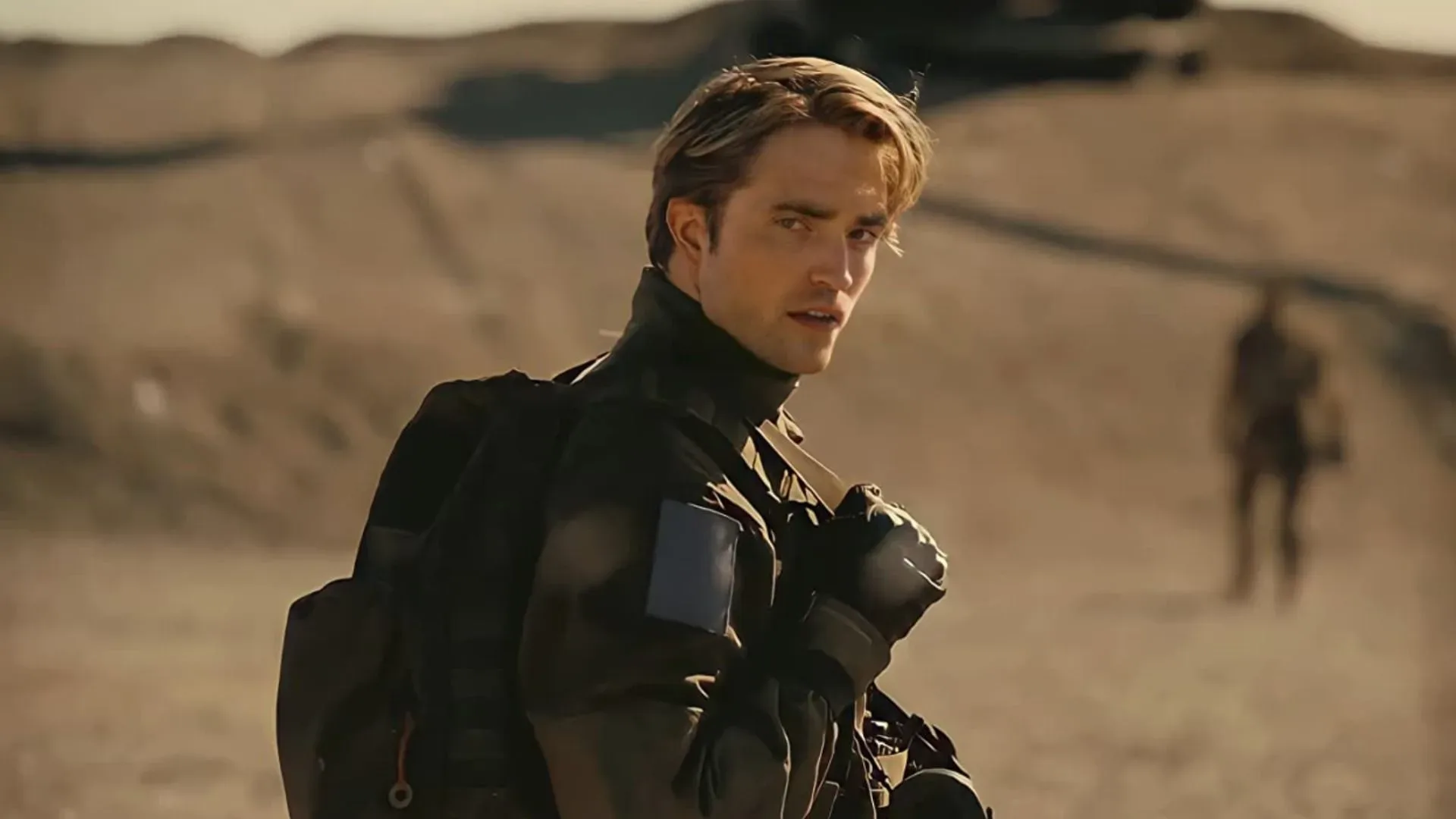
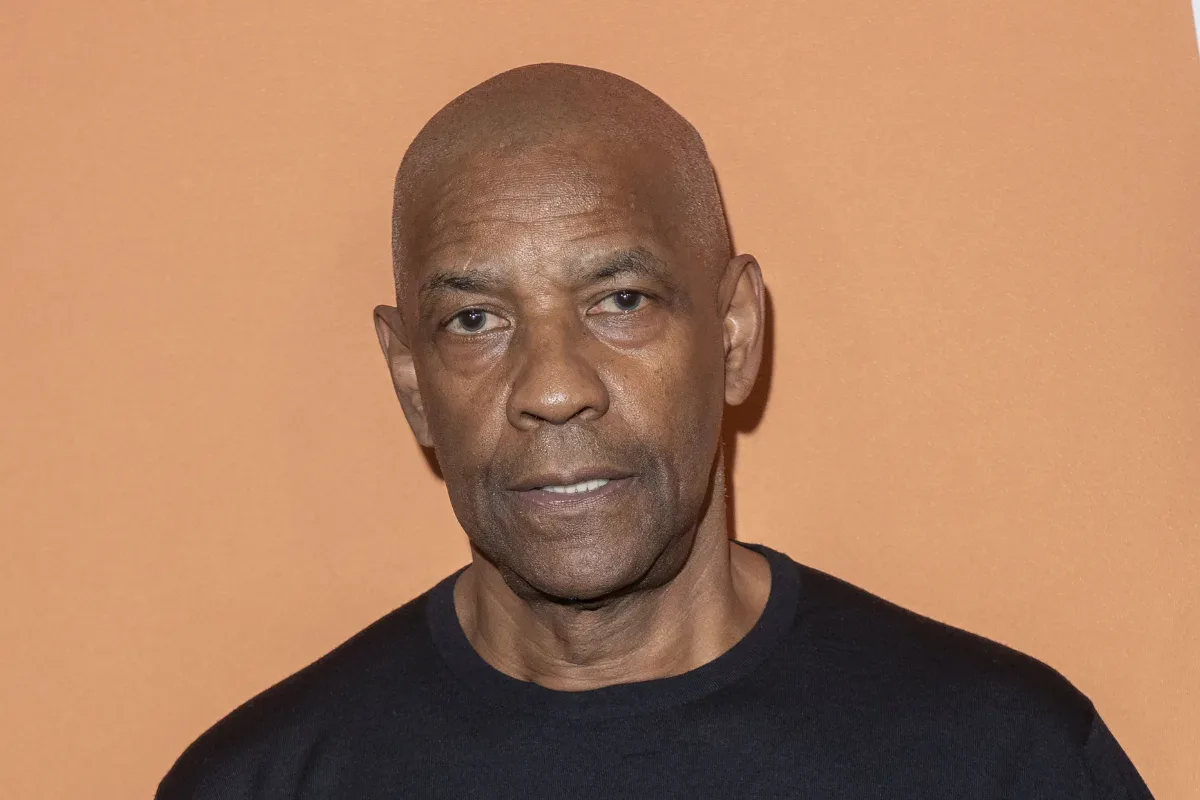
Netflix has set January 15, 2027 for The Take, a bank-heist thriller that will open in select theaters and arrive on Netflix the same day. The first look establishes an unusually tangled version of a familiar crime-movie premise: Denzel Washington plays Christian Carter, a master thief planning to rob Manhattan’s wealthiest bank, while Robert Pattinson’s Noah is drawn into Carter’s crew at precisely the moment his personal life makes the job much more dangerous.
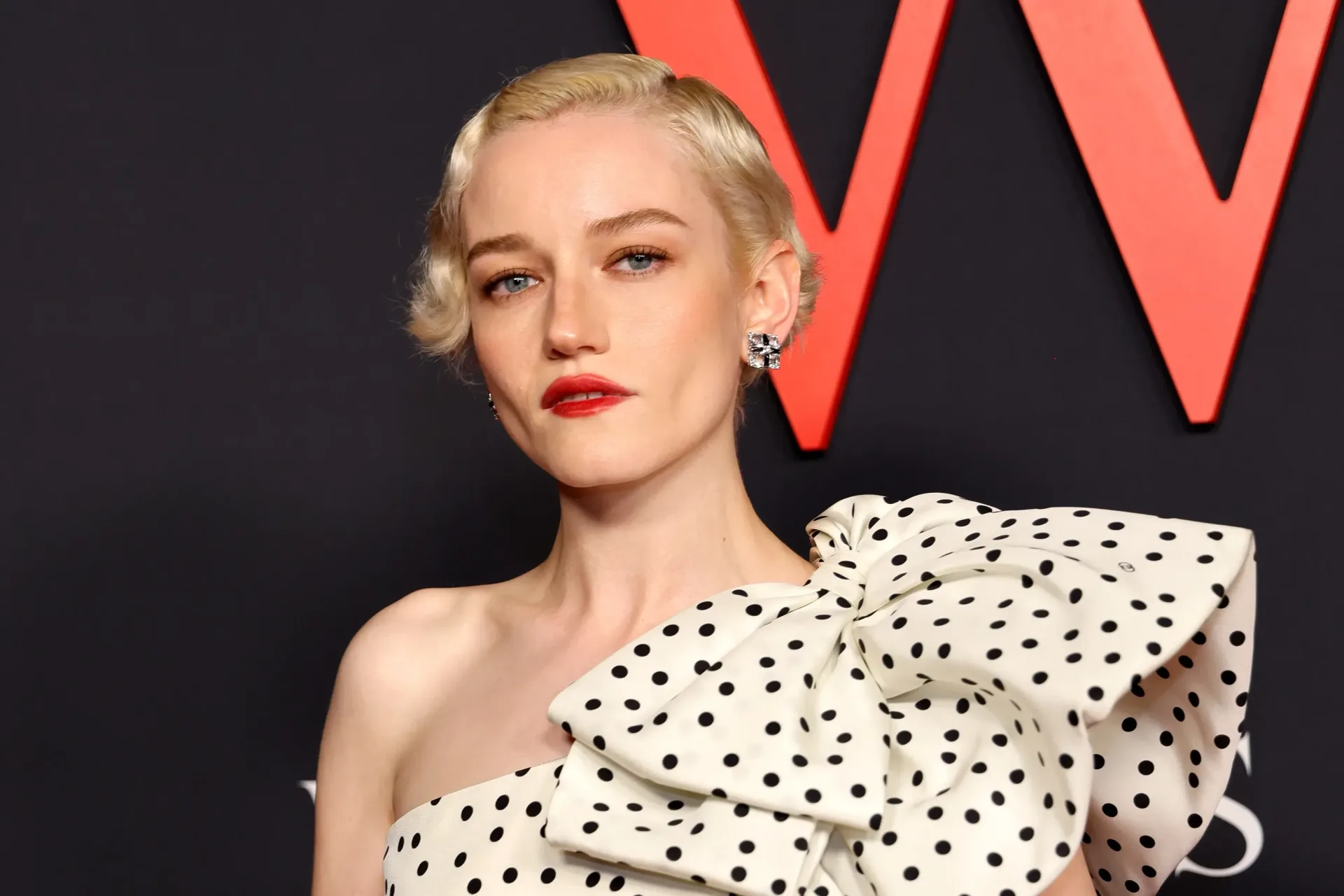
Noah is a former Army captain still adjusting after leaving military service. His girlfriend, Rose, played by Daisy Edgar-Jones, works as a teller at the bank Carter intends to target. That places Noah between the criminal operation, Rose’s safety and his own uncertain judgment about whom he can believe. The central question is not simply whether the crew can complete the robbery, but whether Noah can identify the person or people most likely to betray him before the situation turns fatal.
Fernando Meirelles directs from a script by Simon Kinberg. Meirelles also produces, alongside Kinberg and Audrey Chon through Genre Films; Samson Mucke is executive producer. The project was previously known as Here Comes The Flood, a title it retained when Washington, Pattinson and Edgar-Jones were named as its three leads on May 14, 2025.
A heist viewed through Noah’s uncertainty
The Take will move back and forth through time while largely staying with Noah’s perspective. Meirelles has described that approach in simple but important terms: the audience only knows what Noah knows.
That is a useful distinction in a heist story. A conventional heist film often gives viewers privileged access to the plan: who has which assignment, where the vulnerabilities are and what twist has been prepared in advance. Restricting the perspective instead turns information itself into a source of suspense. If Noah does not know Carter’s full intentions, or cannot read the motivations of people close to him, the audience is meant to share that unstable footing.
The time shifts add another layer. Nonlinear storytelling means scenes are presented outside strict chronological order. Used here, it can withhold the meaning of an earlier decision until a later scene supplies new context. It does not automatically mean the film will be difficult to follow; the stated goal is more specific. Events may be rearranged, but Noah remains the audience’s main route through the mystery.
Rose’s position gives that mystery an emotional and practical edge. She is not merely connected to Noah away from the crime: she works inside the institution the crew is pursuing. The available details do not say how much Rose knows, whether she is involved in the plan, or whether she becomes a target. Those are genuine unanswered questions, not gaps to fill with assumptions. What is clear is that her job makes the robbery inseparable from Noah’s relationship and raises the stakes of every decision he makes.
Washington swaps sides after Inside Man
Washington’s casting has a particularly neat point of contrast with Inside Man. In Spike Lee’s 2006 Manhattan bank-heist film, Washington played Detective Keith Frazier, the law-enforcement figure facing Clive Owen’s robbery leader, Dalton Russell. In The Take, Washington is on the other side of the operation as Carter, the thief with the bank in his sights.
The connection should not be stretched into a claim that the films are alike beyond their broad heist setting and Manhattan bank backdrop. They are separate projects with different directors, casts and stories. But the role reversal is meaningful as a hook: Washington previously embodied the investigator trying to understand a robbery’s architect; now he is playing the architect of the crime.
Carter is described as a master thief, a label that signals experience and control but does not explain his motives, methods or relationship with Noah. The first-look material establishes the objective and the pressure points around it, rather than exposing the entire plan. That restraint fits a film built around limited knowledge. A heist cannot be much of a puzzle if all of its answers are disclosed before the crew reaches the bank.
Meirelles describes a responsive on-set process
Meirelles has also highlighted an element of the filmmaking process that could matter to the film’s character dynamics. Washington would alter lines during filming, and Meirelles said each take could bring a surprise. In production, a “take” is one recorded performance of a scene or portion of a scene. Changing dialogue from take to take can give a director different rhythms, emphases and reactions to work with in the edit.
It does not by itself reveal what the final performance will look like, and it should not be mistaken for a claim that the story was improvised. The script remains Kinberg’s. But it suggests that Washington’s work as Carter was not treated as mechanically fixed at the level of every spoken line. For a character who must lead a crew while keeping unknown cards close to his chest, small changes in phrasing or timing can affect how threatening, persuasive or elusive he feels.
Edgar-Jones’ performance also influenced Meirelles’ view of Rose. The director said he incorporates what performers bring to the role. Again, that does not define Rose’s arc in advance, but it points to a collaborative method rather than a rigidly predetermined interpretation. It is notable because Rose sits at the collision point of the story’s two worlds: Noah’s personal trust and Carter’s planned robbery.
For viewers, the practical implication is that the three central roles appear designed to operate as more than a straightforward crew-and-hostage arrangement. Carter creates the operation; Noah has to navigate its loyalties; Rose has direct proximity to the target. Exactly how those positions overlap is one of the film’s major unanswered questions.
From long-held script to a newly titled film
Netflix acquired Kinberg’s script in May 2020, well before the cast became public. On May 14, 2025, the company named Washington, Pattinson and Edgar-Jones while the film was still called Here Comes The Flood. Meirelles was attached to direct and produce, with Kinberg, Chon and Mucke in the producing group described above.
Principal photography began on November 3, 2025, and ended on January 22, 2026. Production worked in Jersey City, Hoboken and Newark, New Jersey, as well as Atlanta and New York City. Those locations are useful context, but they do not confirm which places will stand in for Manhattan or how extensively any particular location appears on screen. They establish the geographic footprint of the shoot, not a scene-by-scene map of the movie.
The release path changed during that process. On January 7, 2026, while filming was still underway, Netflix included the project among films planned for release that year. By November 4, its new title and a 2027 plan were known. The first look now gives the specific date: January 15, 2027.
The select-theater-and-Netflix plan means audiences will have two viewing routes on launch day, though no theater list or broader rollout details have been provided. For moviegoers interested in the theatrical side of current releases, the reopening covered in our report on the Bay Theater’s return in Pacific Palisades is a reminder that venue availability can remain a local question even when a streaming release date is fixed.
What the first look actually confirms
- Title: The Take.
- Release date: January 15, 2027.
- Release format: Select theaters and Netflix on the same date.
- Director: Fernando Meirelles.
- Writer: Simon Kinberg.
- Christian Carter: Denzel Washington’s master thief, who is targeting Manhattan’s richest bank.
- Noah: Robert Pattinson’s former Army captain, recruited into Carter’s crew after leaving service.
- Rose: Daisy Edgar-Jones’ bank teller and Noah’s girlfriend.
- Narrative approach: A story that moves across time but is mostly limited to Noah’s knowledge.
Just as important is what remains unconfirmed. There are no supplied details on the full supporting cast, the robbery’s mechanics, Rose’s level of knowledge, the nature of Carter and Noah’s relationship, or the precise reasons Noah joins the crew. There is also no indication that the first look answers whether the heist succeeds. Those uncertainties are the story’s engine, especially given the promise that viewers will learn only what Noah can learn.
With Washington playing a criminal strategist, Pattinson positioned as the compromised recruit and Edgar-Jones placed inside the target bank’s orbit, The Take has set a clear framework for its tension. The next firm checkpoint is January 15, 2027, when its divided timeline and divided loyalties will move from setup to the screen.