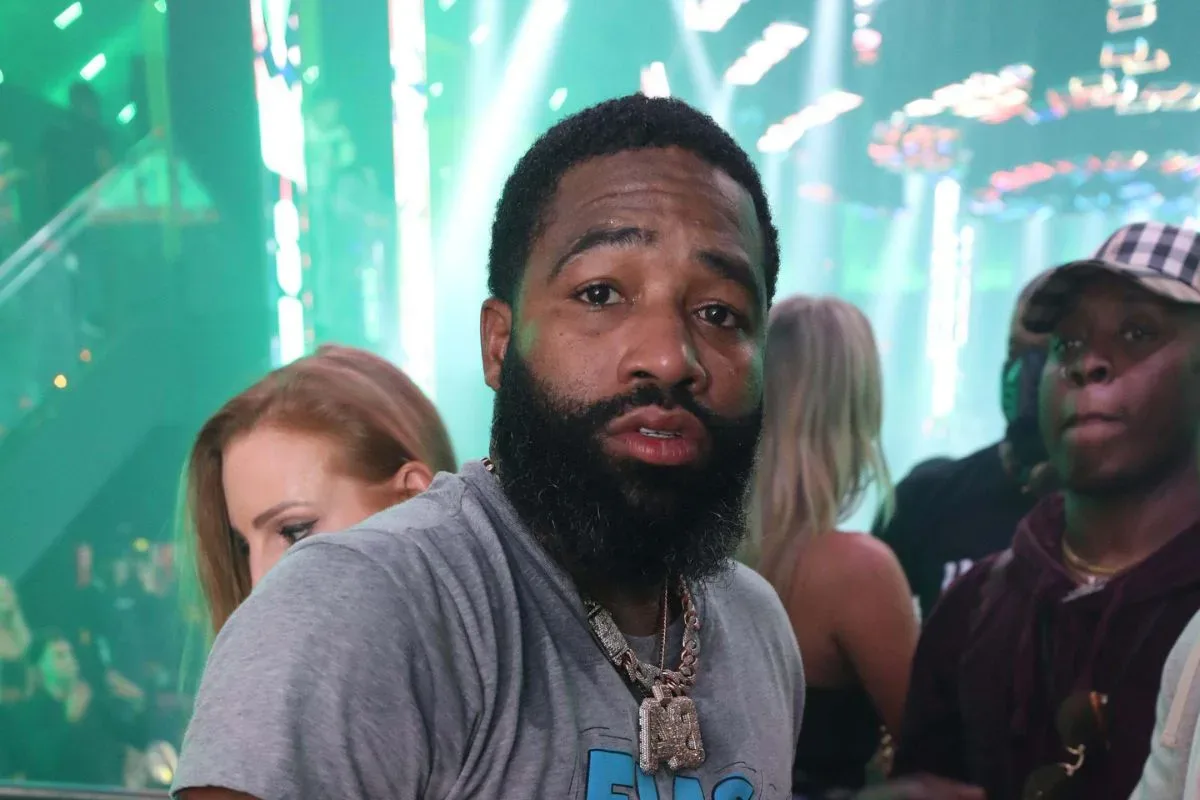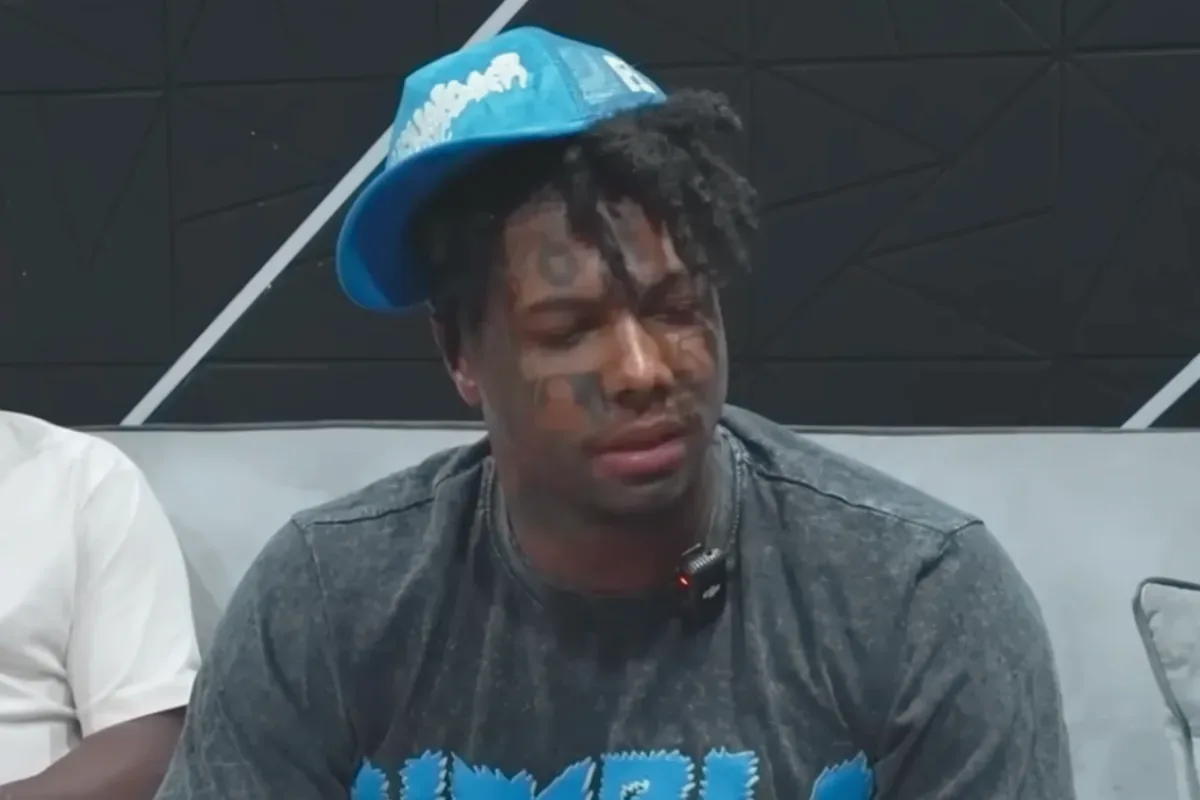
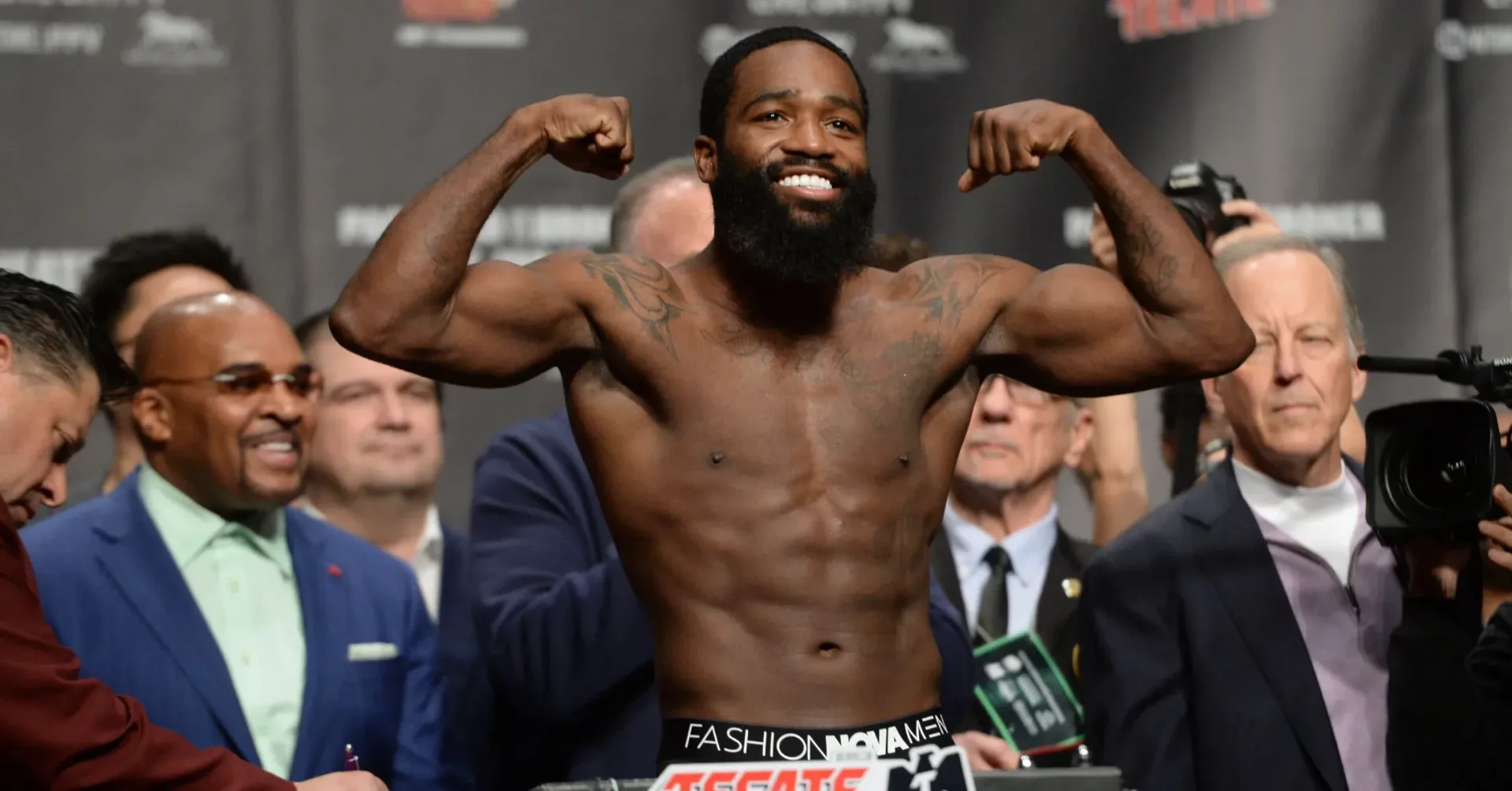
Deen The Great has publicly expressed concern for Adrien Broner following an incident at a Skilla Baby show in Los Angeles, where Broner reportedly became unresponsive after drinking. Paramedics were called, and Broner later regained lucidity. The episode has also produced unverified claims about a reportedly missing bag, along with denials from Blueface that he or anyone on his team took it.
The core issue raised by Deen is not the online speculation around the bag. It is his concern that Broner may be repeatedly putting himself in unsafe situations involving alcohol. Deen said Broner was expected in New York on Monday but was still drinking, framing the situation as more than a one-night incident.
“AB got to stop drinking and stop putting himself in them positions,” Deen said.
That is a serious message from someone described as Broner’s streaming friend in recent months. Still, it is important to distinguish concern from a medical conclusion: Deen’s comments do not establish a diagnosis, and Broner has not publicly addressed the incident or the claims surrounding it.
What is known about the Los Angeles incident
The available account describes Broner becoming unresponsive at the Los Angeles event after becoming intoxicated. Blueface reportedly encountered him while streaming, and emergency responders were called. Broner was taken away from the venue and later became lucid.
A subsequent report said Broner was brought home rather than taken to a hospital and is recovering. There is no further verified information about his condition, what care he received, or what led to him becoming unresponsive. Those gaps matter. Public footage, livestream fragments and social-media discussion can make a frightening moment appear easy to decode, but they rarely provide a full picture.
“Unresponsive” is not a casual description. It means a person was not responding normally at the time. In a public setting, that can swiftly turn a private health or safety concern into an online spectacle, especially when creators, performers and viewers are documenting the moment in real time.
Deen’s reaction shifts attention back toward the human stakes. Rather than treating the moment as another viral clip, he described a friend who needs to stop drinking and avoid the circumstances that can leave someone vulnerable. That is the clearest substantive development currently attached to the story.
Related coverage includes Deen The Great Urges Adrien Broner to Avoid Risky Drinking Situations.
A friendship tested in public
Broner and Deen have spent the past few months as streaming associates. That context is central to why Deen’s remarks carry weight: the comments came from somebody in Broner’s current online orbit, not from an unrelated observer reacting to a trending video.
At the same time, public concern has limits. A friend can urge a change and describe troubling behavior, but outsiders do not know the private conversations, support systems or circumstances involved. Deen’s framing suggests he sees an ongoing problem; it does not give the public enough evidence to label that problem medically.
That distinction is more than a technicality. Terms such as alcohol use disorder refer to clinical conditions that require proper assessment; they should not be assigned from a clip, a rumor, or even a worried friend’s comments. The responsible takeaway is narrower: a public episode prompted someone close to Broner to call for safer choices and less drinking.
There is also a practical issue behind Deen’s remarks. Intoxication can make it harder to communicate, travel safely, keep track of belongings and make decisions about who to trust. When a person is incapacitated at a crowded event, immediate safety should outrank content creation, gossip and blame. The fact that paramedics were called is the most consequential part of the account.
The missing-bag claim is still unresolved
Separate from Broner’s condition, allegations circulated that a bag was taken while he was unresponsive. The bag was said to be worth between $50,000 and $100,000. That estimated value, the bag’s contents, whether it was in fact missing and who may have had access to it have not been independently established in the information available.
Blueface and his crew were accused in the aftermath, but Blueface has denied that he or anyone on his team had the bag. He said his priority was Broner’s well-being. At present, the allegation and the denial are both part of the public record, but neither resolves what happened.
It would be premature to turn an accusation into a conclusion. No statement from Broner has confirmed the bag was stolen, identified a suspect, or described a police complaint. Until more evidence emerges, the claim should be treated as unverified rather than as an established theft.
Why the distinction matters
Fast-moving stories tend to merge separate questions into one dramatic narrative: a person was unresponsive, an expensive item was reportedly missing, viewers saw livestream material, and prominent names were nearby. But each question requires its own evidence.
- Broner’s welfare: Emergency responders were called, and he later became lucid.
- His recovery: He was reportedly brought home rather than to a hospital, though details remain limited.
- The bag: A loss was alleged, but the underlying facts have not been publicly confirmed.
- Blueface’s role: He denies involvement and says concern for Broner came first.
Keeping those points separate is especially important because online video encourages instant verdicts. A livestream can capture one angle and one moment; it cannot, by itself, settle questions about ownership, intent, a person’s medical state, or who was responsible for a missing item.
The streaming layer makes a private crisis public
Streaming culture can erase the normal buffer between an alarming event and public commentary. Viewers may see a person at their most vulnerable before friends, family or professionals have a chance to establish what happened. Clips are then replayed, captions are added and theories spread faster than reliable clarification.
That does not mean people should ignore an apparent emergency. It means the priorities should be clear: seek immediate help, give responders room to work, and avoid escalating unverified claims while the person’s status is uncertain. A large audience may feel involved because it watched a stream, but visibility is not the same thing as reliable information.
Deen’s comments also illustrate a broader tension for personalities whose friendships double as collaborative content. When something goes wrong, a friend’s concern can become a headline, while the person at the center may not yet be prepared to speak. That can strain a partnership, but it can also be a direct attempt to draw attention to behavior that feels dangerous.
For readers following adjacent music and entertainment coverage, the current conversation around Lil Baby’s FRESH is a reminder that the same online ecosystem can rapidly shift between release-cycle metrics, celebrity appearances and real-world welfare concerns. The difference is that one is routine entertainment news; the other involves a person’s immediate safety and deserves more care than a viral-scoreboard mentality.
What happens next
Broner has not made a public statement about becoming unresponsive, Deen’s concerns, the alleged missing bag or the accusations directed at Blueface’s group. That leaves key matters unresolved. It is unknown whether Broner will clarify the reported loss, whether any formal report was made, or whether he will respond to Deen’s appeal to change his drinking behavior.
For now, the strongest confirmed thread is the intervention at the Los Angeles show and Deen’s concern afterward. The theft narrative should remain clearly labeled as an allegation. Blueface’s denial should receive the same clarity. And speculation about Broner’s health should not go beyond the limited facts publicly described.
A frightening incident can easily become content when it happens around a livestream. Deen’s message cuts against that impulse: the immediate priority is for Broner to be safe and to avoid circumstances that could put him at risk again.