
“De Gaulle” emerged as the major winner at this year’s American French Film Festival, taking both the Audience Award and the event’s top honor for best film at the closing ceremony on Nov. 8. “La Gradiva,” meanwhile, was named the Critics Award winner for best film, giving the festival’s two principal film awards to separate titles selected through different perspectives.
That split is a useful reminder of what a festival awards slate can represent. Audience recognition indicates the response from attendees, while a critics prize reflects the judgment of participating film critics. Neither result automatically makes one film more important than the other; together, they offer two distinct routes through a program of French cinema.
“De Gaulle” takes the festival’s top prize
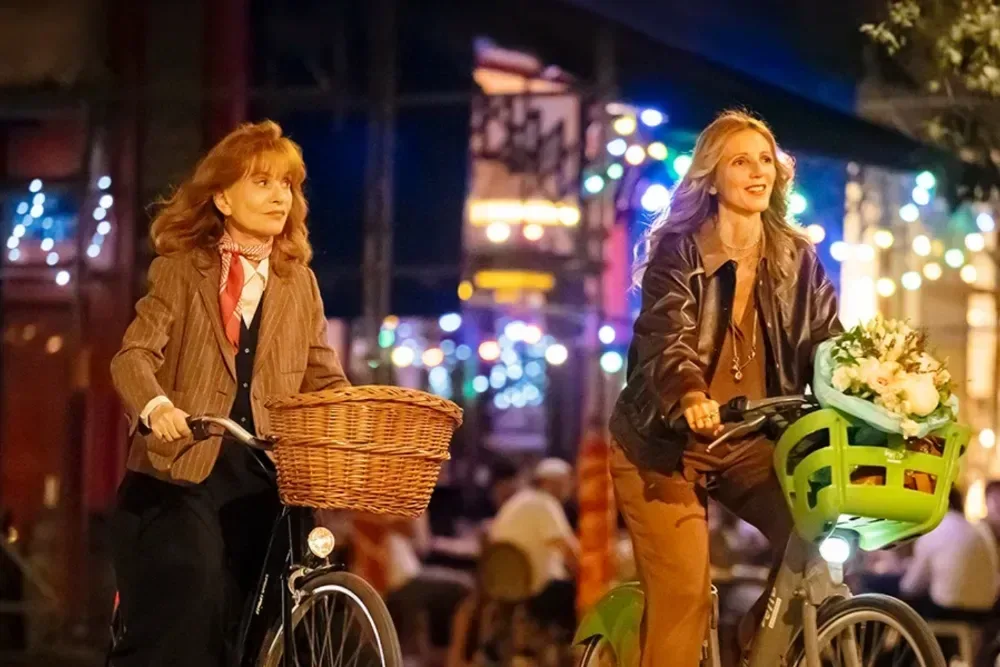
“De Gaulle” was written by Antonin Baudry and Bérénice Vila. Baudry directed the film, with Niels Schneider, Benoît Magimel and Anamaria Vartolomei among the talent identified with the project.
Its double win makes it the clearest overall success of the awards. The Audience Award is straightforward in name but meaningful in practice: it recognizes the collective reaction of people who attended the festival’s screenings. The best-film designation places “De Gaulle” at the center of this year’s final honors as well.
Festival voting involved more than a single panel. Awards were determined through audiences at the event, members of the Los Angeles Film Critics Association, a jury of entertainment professionals, and a student jury made up of high-school and college-age participants in the TAFFF High School Screenings Program. That structure matters because the results do not present a single uniform verdict. They capture responses from general viewers, critics, industry professionals and younger participants.
“La Gradiva” earns critics recognition
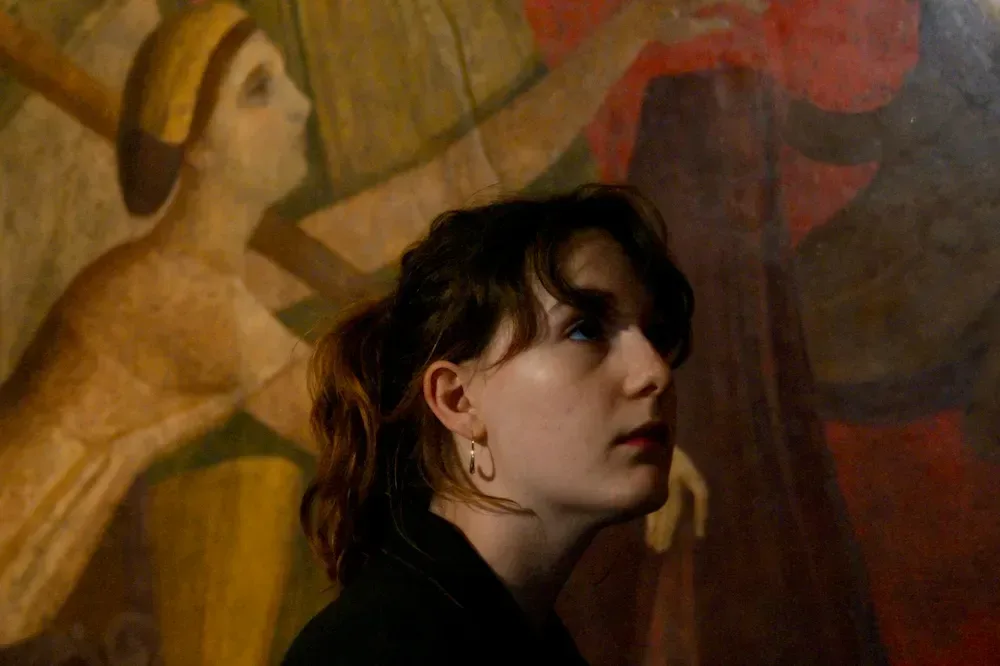
The Critics Award for best film went to “La Gradiva.” Marine Atlan and Anne Brouillet wrote the film, and Atlan directed. Its listed cast includes Colas Quignard, Antonia Buresi, Mitia Capellier-Audat and Suzanne Gerin.
A critics award is not the same thing as an audience vote. It is a category shaped by professional critical consideration rather than the aggregate preference of ticket-holders. The festival’s decision to distinguish its audience and critics winners gives both “De Gaulle” and “La Gradiva” a prominent place in the results without forcing the two films into an artificial winner-versus-runner-up framing.
For viewers trying to make sense of an awards list, this distinction is practical. An audience winner may be a sensible first choice for someone seeking a film that connected broadly within a screening setting. A critics winner may be the title to watch for those interested in the film selected through a critical lens. Those are not promises about genre, tone or quality, and the awards alone do not supply those details. They are simply different kinds of endorsement.
Related coverage includes ‘De Gaulle’ and ‘La Gradiva’ Lead American French Film Festival Winners.
A full slate across formats
The festival’s awards also extended beyond the two best-film distinctions. “A Place For Her” received the First Feature Award, which highlights a filmmaker’s debut feature-length work. “Whispers In The Woods” won the Documentary Film Award, a category reserved for nonfiction filmmaking rather than narrative feature competition.
“The Green Eyes” received the American Students Award. The student-oriented recognition is especially notable alongside the festival’s high-school and college-age jury participation: younger viewers were part of the awards ecosystem, rather than being positioned only as an audience for programming chosen by others.
Television and short-form work were recognized in separate categories. “Alice: Pioneer Of Cinema” won the Audience Series Award, while “Swapped” received the Jury Series Award. In short films, “Diego” earned the Audience Short Film Award and “God is Shy” was awarded the Jury Short Film Award.
- Audience Award and best film: “De Gaulle”
- Critics Award for best film: “La Gradiva”
- First Feature Award: “A Place For Her”
- Documentary Film Award: “Whispers In The Woods”
- American Students Award: “The Green Eyes”
- Audience Series Award: “Alice: Pioneer Of Cinema”
- Jury Series Award: “Swapped”
- Audience Short Film Award: “Diego”
- Jury Short Film Award: “God is Shy”
Why categories and juries change the meaning of a win
Festival award lists can look deceptively simple: title, category, winner. Yet the category tells readers what was actually recognized. A first-feature prize does not necessarily compare a film directly against documentaries or established directors’ features. A jury series award and an audience series award describe different bodies making the selection. Likewise, awards for shorts acknowledge a form with its own creative and programming demands.
That breadth is the notable feature of this year’s results. The winners span feature films, a first feature, documentary work, series and short films. In other words, the event’s recognition was not limited to the traditional feature-film centerpiece. It made room for multiple lengths and formats, while retaining a top-line debate between the tastes of audiences and critics.
The student jury adds another layer. High-school and college-age participants from the TAFFF High School Screenings Program contributed to the voting process. Student-jury participation does not mean that every award was selected by students, but it does mean youth perspectives were formally included among the voices weighing the festival’s program.
What the awards do—and do not—tell audiences
The results provide a compact viewing guide, not a substitute for detailed knowledge of each film. The supplied awards information identifies winners and selected creative credits, but it does not specify release plans, streaming availability, theatrical schedules, plots, runtimes or ratings. Readers should be careful not to infer those details from a prize alone.
Still, awards can function as a useful signpost in a crowded screen marketplace. “De Gaulle” now carries both an audience accolade and the festival’s top best-film honor. “La Gradiva” carries a critics distinction. The remaining winners have clear category labels that communicate the type of work recognized: debut feature, documentary, series, or short film.
For audiences who follow international film, that kind of labeling can make later discovery more manageable. A viewer focused on documentary can begin with “Whispers In The Woods”; someone looking for shorter work can note “Diego” and “God is Shy”; viewers who seek episodic storytelling have “Alice: Pioneer Of Cinema” and “Swapped” as the series winners. Anyone comparing film options across streaming services may also find it useful to follow changes in the wider subscription landscape, including Prime Video’s five-service bundle, while remembering that the festival results themselves do not establish where any of these winners will be available.
Most importantly, the closing-ceremony results preserve room for disagreement. The same festival supported audience voting, critical input, professional-jury consideration and student participation. “De Gaulle” and “La Gradiva” leading different film categories is not a contradiction. It is the clearest expression of an awards framework built to recognize more than one way a film can make an impression.