Batman has made a career out of making Gotham’s worst people reconsider their life choices. Tom Rhys Harries, who plays Matt Hagen in Clayface, is not convinced the Dark Knight would have that effect on his character. Asked to imagine a future confrontation, Harries said he believes Clayface would win “without question,” adding that it would be “a fairly short fight.”
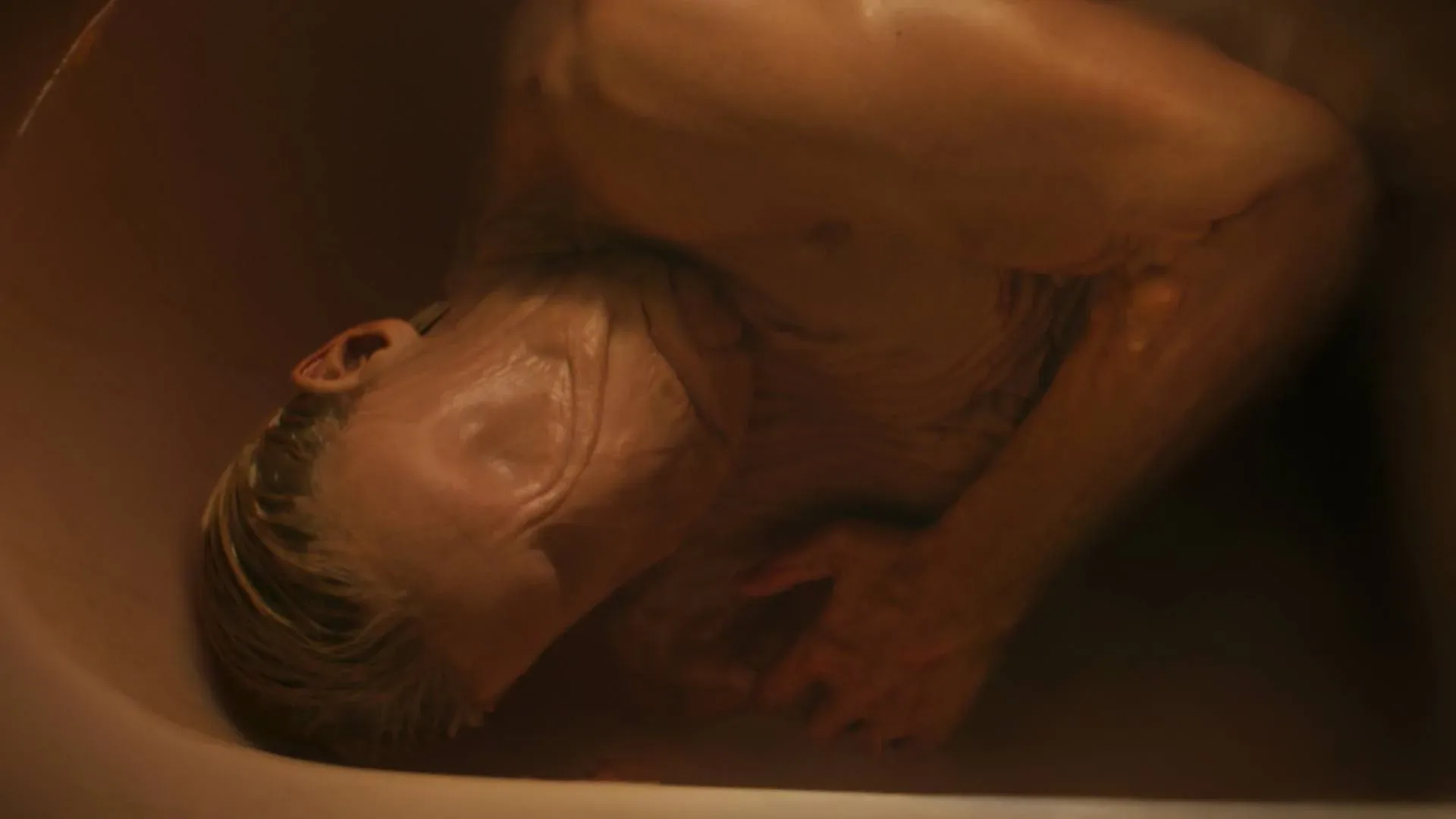
It is a playful matchup question with potentially serious story implications. Clayface is positioned as a dark villain-origin film, following Hagen from an ambitious actor to a man on a violent revenge path after he is horrifically disfigured by a mobster. Harries’ assessment makes clear that sympathy for Hagen’s pain should not be confused with an argument that he is a hero.
That distinction is important for a character who begins in tragedy. Hagen makes a bad decision during a night out, suffers devastating consequences, and then increasingly loses his moral footing as the revenge quest escalates. The film may invite the audience to understand where his rage comes from, but Harries’ description of the endpoint is unambiguous: Matt Hagen is a villain.
A tragedy can still make a villain
“I think he is without question a villain, and I think that by the end he is,” Harries said. His explanation centers on a person who feels crushed by pain and by an injustice he cannot accept, until he reaches the destructive conclusion that, if he is going down, everyone else should go down with him.
That is a useful way to frame what a villain-origin story can do. It does not need to excuse a character’s choices to give those choices emotional context. In Hagen’s case, the supplied details point to a steadily worsening moral collapse: he is not merely retaliating against the person who hurt him, but becoming someone willing to make destruction itself the response to suffering.
Harries also characterized Hagen as someone with nothing left to lose. That phrase is often shorthand for an unpredictable antagonist, but it has a more precise dramatic function here. A character with something to protect can be persuaded, threatened, restrained, or pushed toward compromise. A character who believes that nothing remains may treat every limit as meaningless. Harries’ point is not that Hagen is invincible; it is that his emotional state makes him exceptionally dangerous.
Why Batman is the obvious hypothetical opponent
Batman is Gotham’s protector, so a collision with a dangerous new villain is an intuitive next question. Still, nothing in Harries’ remarks confirms that the two characters will fight onscreen, or that Batman will appear in a future Clayface project. The remarks are a hypothetical about where Hagen’s threat level could lead, not an announced crossover or a preview of a planned scene.
The actor’s confidence comes from how early he believes Hagen is in understanding his own abilities. Harries called him “just a baby” in terms of getting used to his powers, then stressed the scale of potential destruction. That suggests a character whose danger is still developing rather than one who has already reached a final form or mastered every aspect of what he can do.
For storytelling purposes, that leaves room for escalation. The more Hagen learns about his powers, the greater the possible gulf between the damaged actor at the start of the film and the villain at its end. It also means that a Batman encounter, if one ever happens, would not just be a contest of physical capability. It would place Gotham’s most familiar protector opposite someone driven by grievance, revenge, and an increasingly reckless lack of restraint.
Batman-versus-Clayface conversations can easily turn into fictional power-ranking exercises, where the only question is who wins. Harries’ comments point to something more character-based. His answer is grounded in how much destruction Hagen could cause and how little the character feels he has left to preserve. The actor’s “without question” verdict is therefore a statement about Clayface’s menace as much as it is a mock fight card prediction.
Standalone story, open future
Clayface is described as a standalone film, which matters because it gives Hagen’s personal downfall room to function on its own terms. The story begins with a specific human disaster—a rising actor disfigured by a mobster—and follows the consequences of his decision to pursue revenge. Viewers do not need a promised team-up or an immediate Gotham showdown for that arc to have a beginning, middle, and endpoint.
At the same time, the film leaves room for Hagen to return. The character has also appeared later in the DCU timeline in Creature Commandos, a detail that establishes that there is more potential space for him beyond this origin chapter. It does not reveal what form a return would take, how soon it could happen, or whether Batman would be involved. It simply means the door is not closed after the film’s central tragedy.
That balance is increasingly valuable in shared-universe storytelling. A standalone entry can offer a complete character study, while a larger continuity can preserve the possibility of future consequences. Hagen’s path is especially suited to that approach because the film’s premise is about transformation: the audience sees the circumstances that shape him, while later stories could examine what kind of threat he becomes once he has survived them.
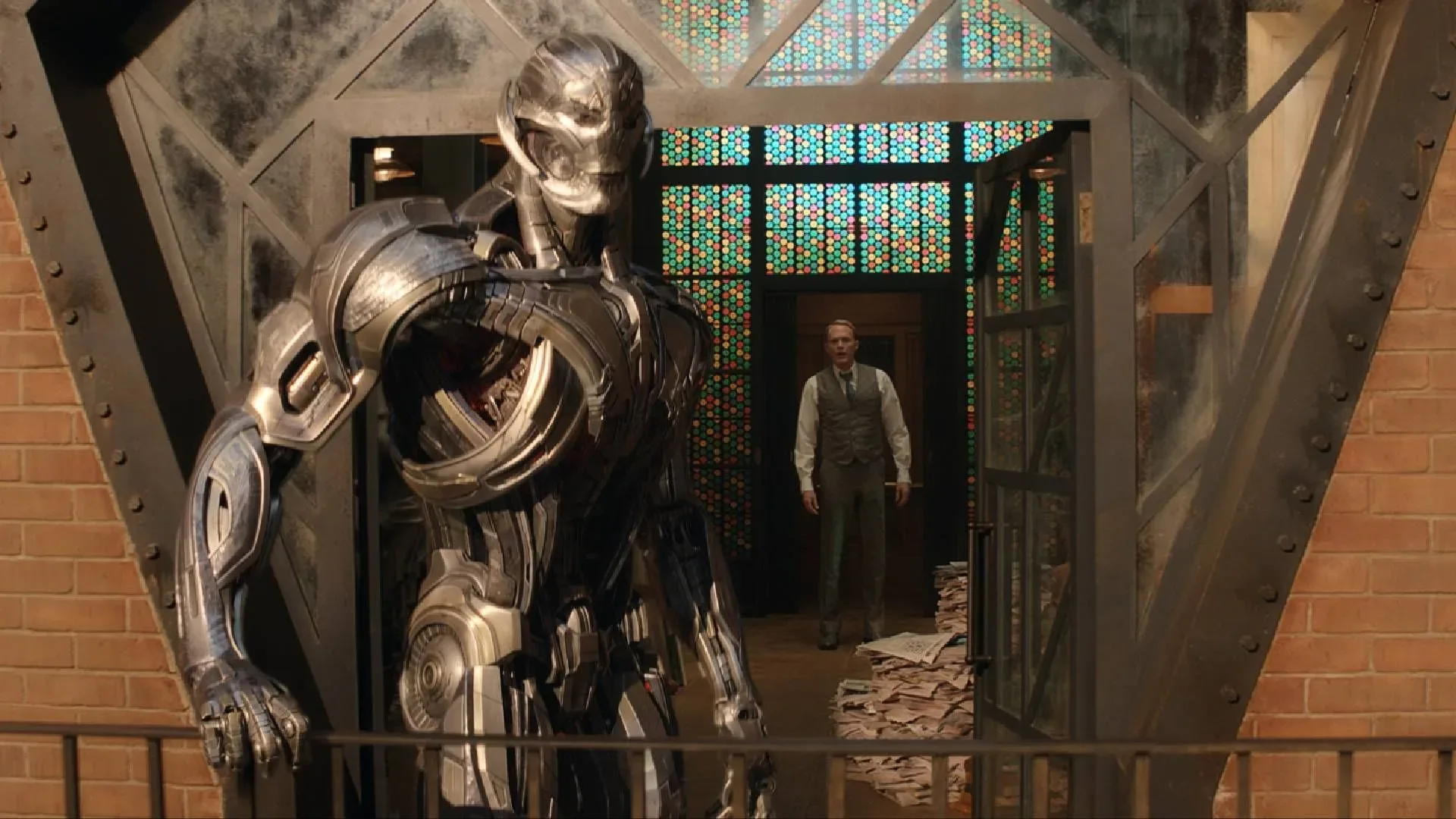
There is a broader superhero-villain appeal in letting an antagonist carry the emotional weight of the story rather than merely serving as an obstacle. Other comic-book franchises are also still fielding questions about the return of major villains, as seen in ongoing discussion around Ultron and Avengers: Doomsday. In Hagen’s case, however, the immediate point is not speculation about a distant franchise event. It is the film’s account of a man who turns suffering into a justification for devastating others.
What Harries’ Batman answer does—and does not—mean
Harries’ answer should be read as an actor’s confident view of his character, not a formal ruling on every imaginable Gotham battle. Fictional confrontations depend on the story, the situation, and which version of a character a particular project chooses to depict. No details supplied about a future Batman encounter establish rules, tactics, or an official winner.
What the answer does establish is the scale of threat Harries associates with Matt Hagen. He sees a villain who is only beginning to understand his capabilities, who can potentially harm a great many people, and whose despair has removed the emotional brakes that might stop someone else. That is a potent recipe for a future adversary, whether Hagen remains in an isolated revenge narrative or eventually collides with Gotham’s guardian.
For now, the priority is the origin story itself. Clayface arrives in theaters October 23, introducing a Matt Hagen whose tragedy is central to the drama but whose choices lead him firmly into villain territory. Batman may want to keep an eye on Gotham’s newest nightmare—at least if Harries gets his way in the hypothetical fight.