The 60th annual CMA Awards arrives as both an anniversary broadcast and a change-of-era moment. The Nov. 18 telecast will be the final awards show overseen by outgoing Country Music Association CEO Sarah Trahern, whose retirement takes effect Dec. 31. It will also be the first CMA Awards broadcast to air live simultaneously on ABC and Disney+, with Hulu set for next-day viewing.
That combination makes the show more than a routine awards-night milestone. The CMAs began in 1967, and Trahern’s final broadcast joins the organization’s long-running television legacy to a newer distribution plan intended to reach viewers who do not rely on traditional linear TV. Linear television means scheduled, live channel programming: viewers tune in at the time a network airs a show. A simulcast, by contrast, is the same program airing at the same time across more than one outlet. In this case, the awards will remain on ABC while also being available through Disney+.
For a ceremony built on the unique stakes of live performance, the distinction matters. A recorded special can be edited, paced and refined after the fact. A live awards broadcast has to accommodate winners, speeches, performances and inevitable surprises as they happen. Trahern has described that immediacy as similar to a sporting event: viewers are there for the possibility of the unplanned as much as the scheduled production.
A final broadcast shaped by TV history
Trahern joined the CMA leadership late in 2014 after working in television, including roles connected with CMT, TNN and GAC. Before taking charge, she also took a crash course in the awards’ previous decades, watching archival DVDs of the first 46 ceremonies. The archive had one major absence: the 1969 show was lost.
What she found illustrates how dramatically awards television has changed. Early editions were hosted by Johnny Cash and included cigarette smoking during commercial breaks, as well as sponsor-driven cooking segments tied to Kraft products. The transition from those relatively informal broadcast practices to the current three-hour live production is not merely aesthetic. It reflects a broader change in how music awards function: as national entertainment events, artist-launching stages, cultural flashpoints and increasingly, multi-platform programming.
The history also contains the tensions that continue to follow country music whenever commercial success, crossover appeal and traditional expectations collide. In 1975, presenter Charlie Rich burned the envelope after John Denver was announced as Entertainer of the Year, an openly hostile gesture toward a winner perceived by some as outside country’s core identity. That dispute is part of a recurring argument over who gets to belong in the genre and what country is allowed to sound like.
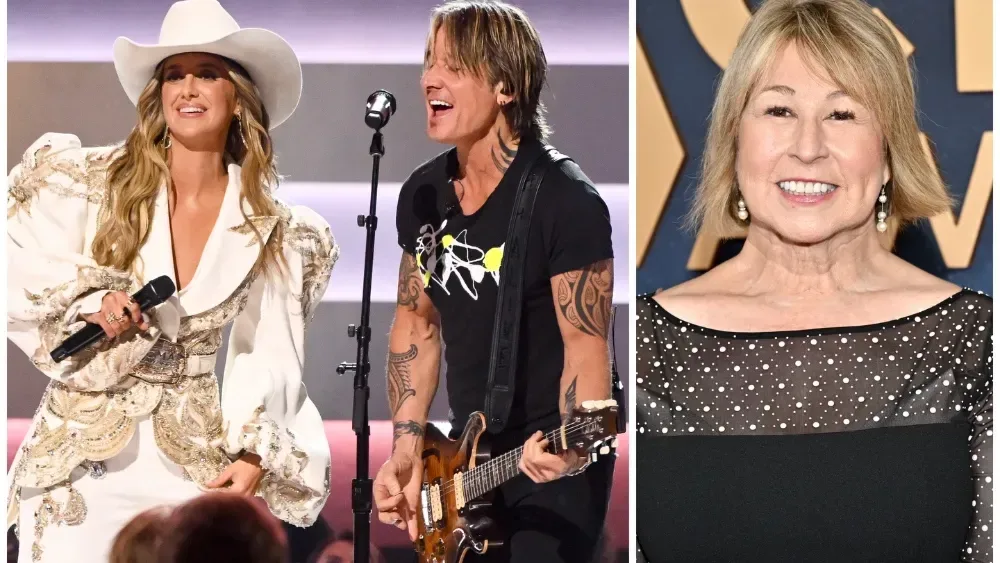
This year’s awards arrive with a pointedly different version of that old debate. Ella Langley’s traditional-sounding “Choosin’ Texas” has crossed into pop success, spending a reported record-breaking 25 weeks atop the Billboard Hot 100. Langley leads this year’s CMA field with nine nominations. The circumstances suggest that crossover no longer necessarily means abandoning traditional musical cues; a song can carry them into a much broader audience.
Women lead an unusually large awards-night spotlight
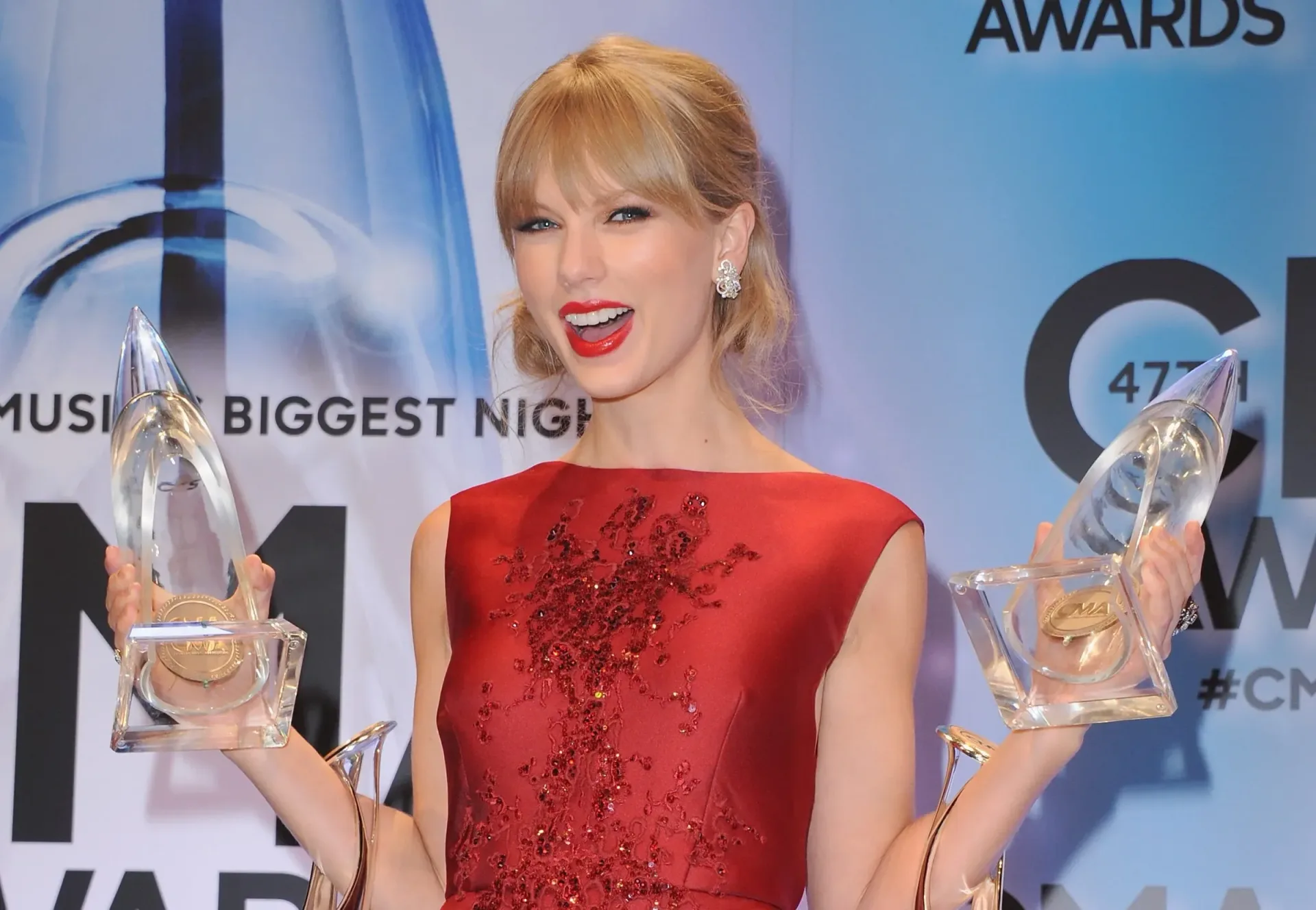
Langley is not the only female artist central to the 60th ceremony. Lainey Wilson returns as host for a third year. Kacey Musgraves is among the major nominees, Miranda Lambert is recognized not only as a performer but for producer and songwriting work on Langley’s recordings, and Taylor Swift is set to attend and perform. Swift’s planned appearance would be her first at the CMAs in a decade and her first performance on the broadcast in 13 years; she is nominated for “I Knew It, I Knew You,” described as a return to a country sound.
Related coverage includes CMA Awards’ 60th Telecast Marks Sarah Trahern’s Final Show and a Streaming First.
The concentration of artists with different careers and approaches makes the program a useful snapshot of country music’s current range. Langley’s chart impact, Wilson’s hosting role, Musgraves’ artistic profile, Lambert’s behind-the-board contribution and Swift’s return each represent a different route through the format. A producer, in this context, is not simply a label executive: the producer helps guide how a recording is made, shaping its musical and sonic presentation alongside the recording artists, songwriters and musicians.
The most consequential television moments often happen when that range is allowed to meet rather than be partitioned. Trahern pointed to the 2016 Beyoncé and the Chicks performance blending “Daddy Issues” and “Long Time Gone,” as well as the 2015 pairing of Justin Timberlake and Chris Stapleton on “Tennessee Whiskey.” The Stapleton performance became a major exposure event for an artist who was still emerging to much of the mainstream audience. Such collaborations give an awards show a practical industry role: they introduce an artist to viewers who may never have encountered their music through radio or a playlist.
The CMAs have also made room for spare performances that operate very differently from a star-packed collaboration. Stephen Wilson Jr.’s guitar-only rendition of “Stand By Me” last year is cited as a recent example of a performance that changed viewers’ attention through simplicity rather than spectacle. Earlier, Mary Chapin Carpenter’s “The Opening Act” became a talking point while she was still new to many listeners. On live television, an artist can move from relative unfamiliarity to audience curiosity in the span of a single song.
Why live ceremonies retain their emotional force
While awards shows are often judged by fashion, performances and surprise cameos, the CMA archive also contains moments of public grief and remembrance. Trahern recalls Alan Jackson’s 2001 performance of “Where Were You (When the World Stopped Turning?)” as a defining experience. The ceremony also presented Carrie Underwood’s 2017 performance of “Softly and Tenderly” following the Route 91 festival shooting in Las Vegas, using images of country fans who had been killed.
These segments explain why the live format is more than a delivery method. It can create a shared national viewing experience at a particular moment, even as audiences increasingly split between broadcast, streaming and on-demand viewing. The Disney+ simulcast does not eliminate that communal aspect; it extends the number of ways audiences can take part in it.
That effort to preserve a live event while widening access is a contrast with an exclusive streaming strategy. The CMA’s new Disney arrangement begins in 2027, but the organization has brought the simulcast provision forward for this year’s ceremony. The choice retains the broadcast audience on ABC while making the same live show available to subscribers of Disney+.
For fans, the immediate implication is straightforward: the Nov. 18 ceremony has two live viewing paths rather than one, followed by Hulu availability the next day. For the organization, the more significant question is whether that additional path helps reach younger music listeners and viewers without a conventional TV setup. The answer will not be measurable from one broadcast alone, but the change recognizes how consumption habits have evolved.
Trahern notes that social media was not part of the CMA’s staffing structure when she arrived in 2014; it now has three full-time staff members assigned to it. The organization still works with radio, but also engages digital channels including Spotify, Amazon and YouTube. That is a practical change in music promotion. Radio remains meaningful, yet artists can now be discovered and sustained through multiple platforms with very different audiences and behaviors.
Country awards programming is therefore navigating two connected transitions: television is becoming platform-flexible, and music discovery is no longer centered in a single gatekeeper. The long-term health of a televised ceremony may depend on maintaining the prestige and event feel of a live broadcast while meeting potential viewers in the services they already use.
Tributes, institutional memory and the next leadership chapter
The 60th show also carries a large amount of commemorative weight. The CMA and ABC staged a separate two-hour Dolly Parton tribute special on Oct. 21, following a compressed planning period. Parton will also be honored during the awards broadcast, but putting the broader tribute in its own program leaves more room in the three-hour ceremony for the year’s nominees, performances and other recognitions.
Tim McGraw’s Country Music Hall of Fame induction will be celebrated with a telecast tribute. Brooks & Dunn, the CMA’s lifetime achievement honorees, will receive a major salute as well. The Country Music Hall of Fame handles its induction ceremony, while the CMA selects those who enter the Hall. That distinction is important because it separates the public ceremony from the selection responsibility.
These honors give the show an institutional role beyond choosing annual winners. An awards telecast can identify the year’s commercial and artistic momentum, but it can also place artists into a longer narrative about influence and legacy. The Hall of Fame recognition is especially permanent: the honorees’ plaques remain part of the venue for future generations to see.
Trahern’s successor, Brittany Schaffer, assumes the chief role on Jan. 1 after joining the organization in September for the transition. Schaffer brings experience at Spotify, a background that fits the CMA’s interest in digital consumption and changing fan habits. Trahern did not sit on the committee that selected her successor, citing the governance principle that an outgoing CEO should not take part in that decision.
The handoff is appropriately symbolic for the 60th awards: a leader whose career has been rooted in cable and television closes her tenure on a broadcast that is expanding into live streaming, while the incoming executive comes from a major digital music platform. Neither approach replaces the other. The challenge is joining them without losing what makes the ceremony valuable in the first place: the sense that a performance, a speech or an unexpected pairing can become a lasting memory because viewers watched it unfold together.
For more on how awards shows continue to prompt questions about representation, institutions and genre, see the renewed debate around a dedicated hip-hop awards show.