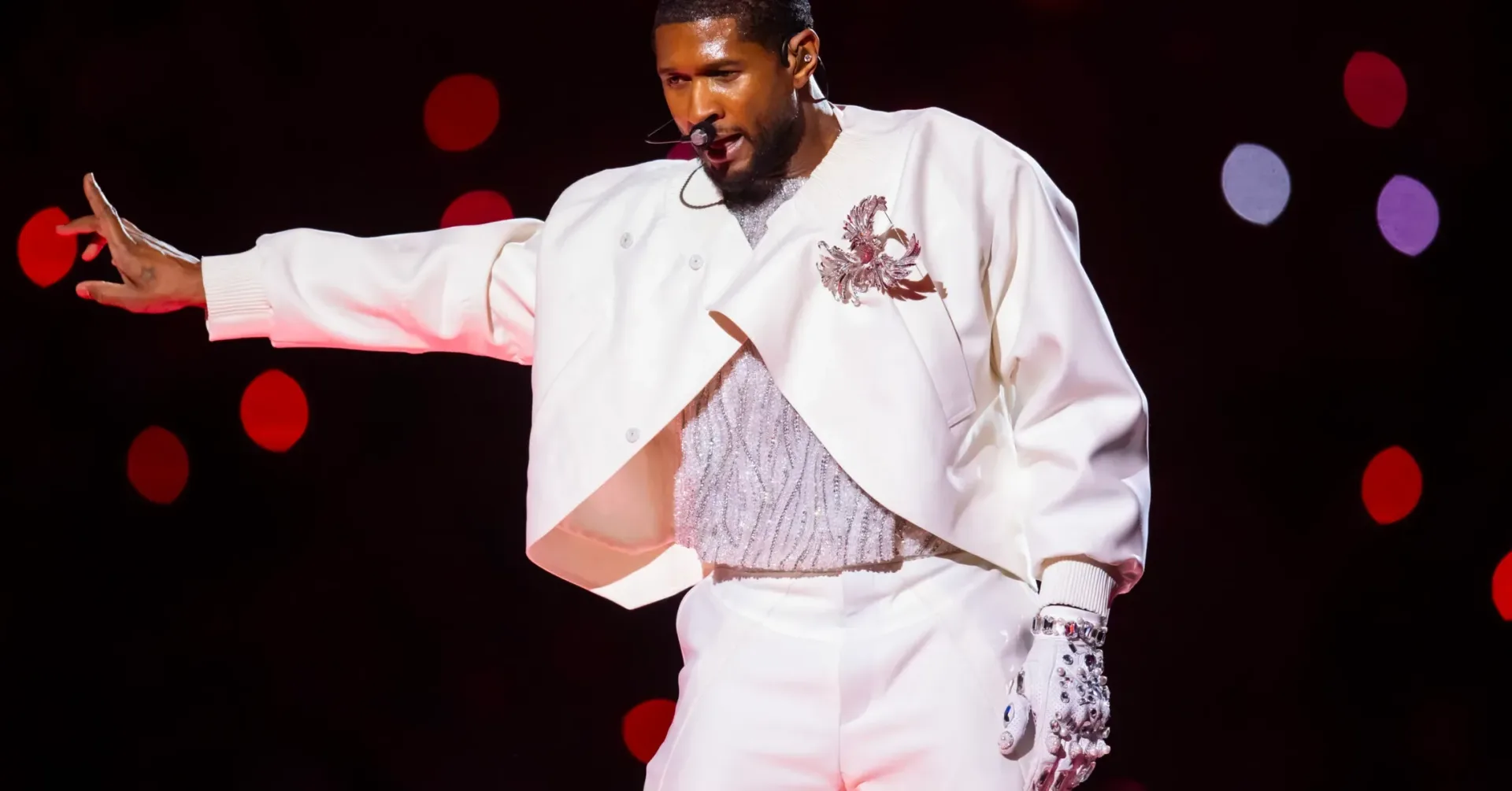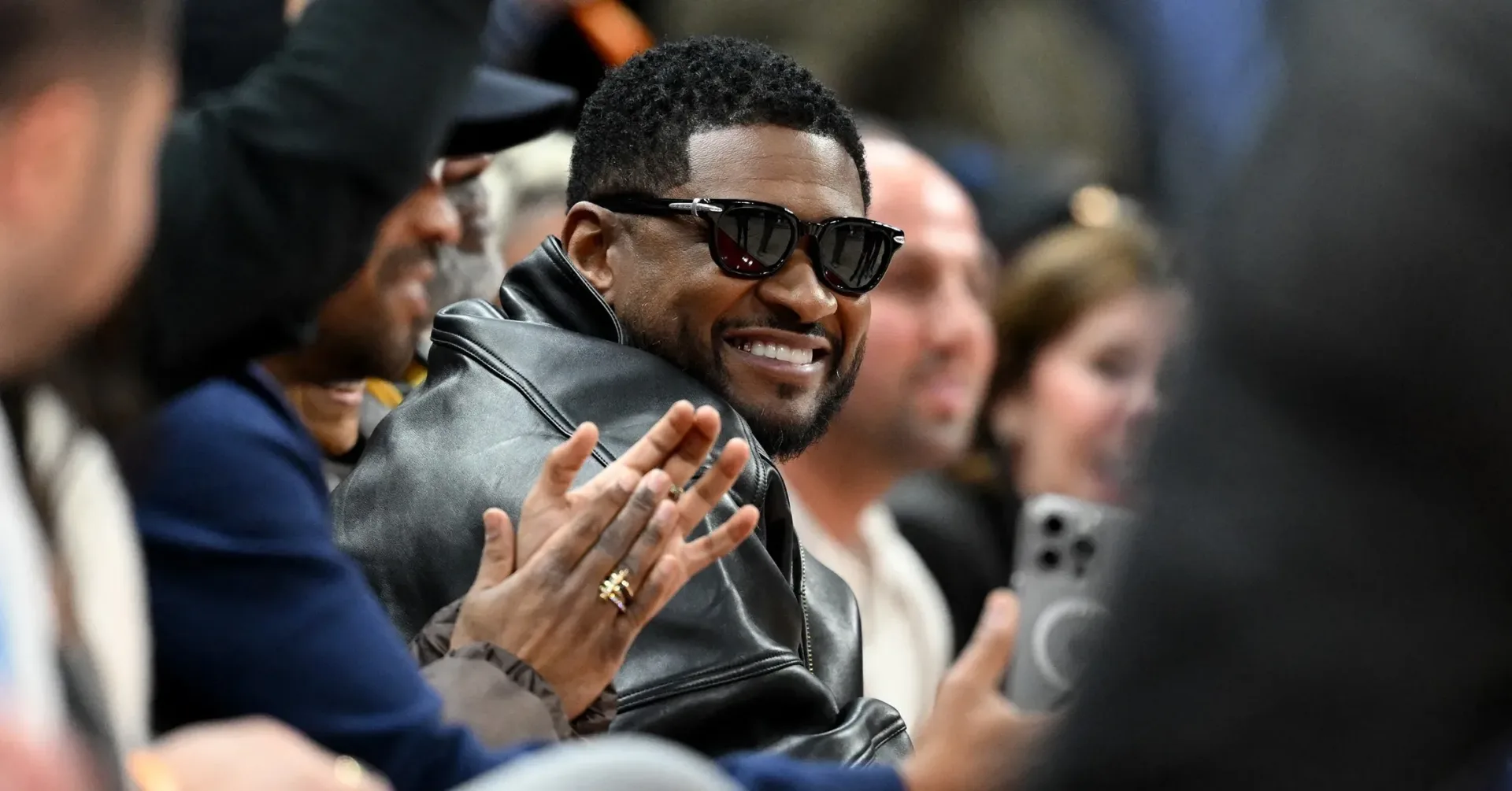
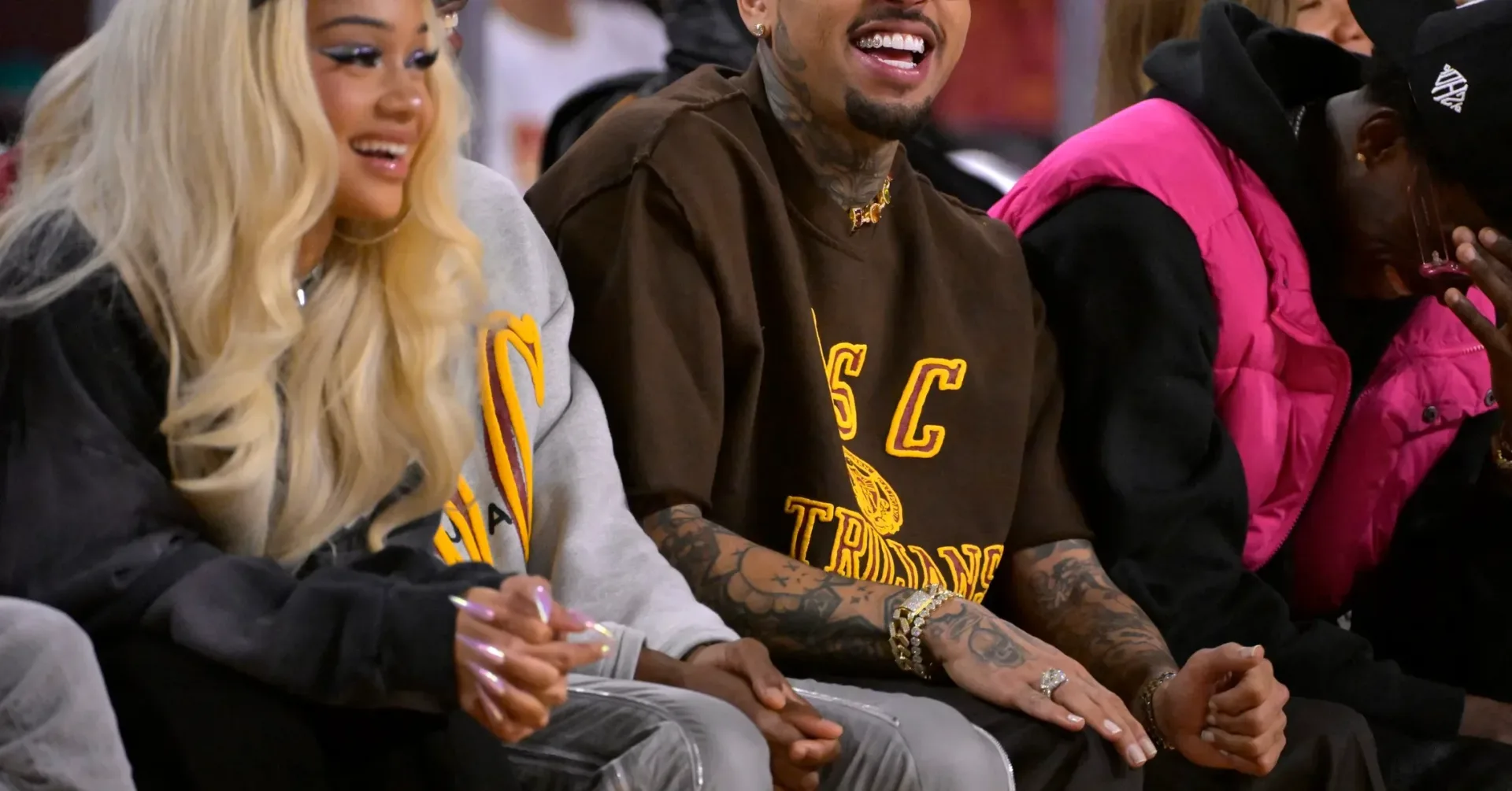
Chris Brown brought Gabrielle Cheyenne onstage during the Atlanta dates of the R&B Tour, creating a concert moment that quickly attracted added attention beyond the performance itself. Cheyenne had previously become part of online conversation after an earlier interaction involving Usher, and some fans have treated Brown’s decision to invite her up as another data point in an alleged feud between the two performers.
There is an important distinction, though: the onstage appearance is a documented event, while the suggested rivalry remains fan interpretation. Nothing in the available information confirms that Cheyenne’s appearance was intended as a message to Usher, or that it reflected new tension between the co-headliners.
What happened during Chris Brown’s set
Cheyenne appeared onstage while Brown performed “Take You Down,” his 2007 song. She stood with her back against a pole as Brown sang to her in the familiar fan-participation format associated with the track. The performance was subsequently included in a photo posted by Brown on Instagram.
That setup is why the clip reads as a major personal concert memory for Cheyenne rather than evidence of a production shake-up or a change to the tour’s musical program. The salient detail is who took part: Cheyenne had earlier been discussed online in relation to a moment with Usher on the same tour.
After that earlier interaction, Cheyenne said that she had wanted to meet Brown and did not intend to disrespect Usher. Her appearance during Brown’s set, therefore, also has a straightforward explanation: she got the artist encounter she had publicly expressed interest in having.
Why fans connected it to Usher
Touring shows invite close reading. A brief exchange, a guest brought onstage, or an Instagram image can be recast as a signal once audiences believe there is a larger narrative behind it. Here, the narrative is that Brown and Usher may have unresolved friction. Their public history has prompted speculation before, and the first night of the five-show engagement at Mercedes-Benz Stadium had already led viewers to question whether reported tension was affecting the concerts.
But a connection is not confirmation. Cheyenne’s participation can be accurately described without assigning a motive to either singer. Brown selected a fan with a known prior connection to conversation around Usher; that is the observable sequence. Claims that the selection was meant to escalate a dispute go beyond what is established.
This is also a useful reminder of how quickly a live-show moment can become a story with several layers. The performance itself is one layer. A fan’s previous viral or widely discussed interaction is another. Social media, where clips and images circulate without their full context, can turn the overlap into a broader theory almost immediately.
The difference between an onstage bit and a statement
Fan-onstage segments are built around reaction. They provide a memorable visual, give the selected attendee a singular experience, and often travel well as short video. That does not make every choice of participant a coded statement. In this case, Cheyenne’s existing interest in meeting Brown offers a much simpler reading than assuming a deliberate jab at a tourmate.
It is reasonable for audiences to notice the context. It is less reasonable to present speculation as fact. Neither performer is reported here as explaining the choice in terms of the other, and no new public conflict is established by the appearance.
Atlanta shows reportedly improved after the opener
The Brown-Cheyenne moment arrived during the group of Atlanta performances at Mercedes-Benz Stadium. The run was scheduled for five nights, with the fourth night set to follow before the final date on Wednesday.
The early Atlanta opener had reportedly encountered problems that affected perceptions of the show’s quality. The issue was tied to a question of whether the concert should be delayed because of traffic. Later performances were described as smoother, a development that matters more to attendees than online theories around a single onstage guest.
Traffic-related delays are a practical live-event problem rather than a creative one. A delayed start can alter arrival patterns, crowd energy, scheduling and the first impression of a show. When a high-profile run has multiple dates, subsequent nights can become a visible test of whether those logistical complications were isolated. The available account indicates that the later Atlanta dates ran more smoothly.
That operational context should not be folded into claims about personal conflict. A difficult opening night may encourage audiences to look for a dramatic explanation, particularly when major artists share a bill, but a traffic decision is not evidence of an artist-to-artist dispute.
Why the moment has staying power online
Cheyenne’s appearance has the ingredients of a highly shareable concert story: a recognizable song, a close-up fan interaction, pre-existing social-media context and a post from the performer. Brown’s inclusion of their photo in an Instagram dump gave the episode an additional public footprint beyond audience-shot clips or recollections.
For fans, this is the part worth keeping in focus. Cheyenne had indicated that meeting Brown was something she wanted, and the stage invitation delivered that experience in a particularly visible way. The prior Usher-related conversation may have made it more noticeable, but it does not erase the basic point of the segment: a concertgoer was picked for a spotlight moment during a song designed for just that kind of audience engagement.
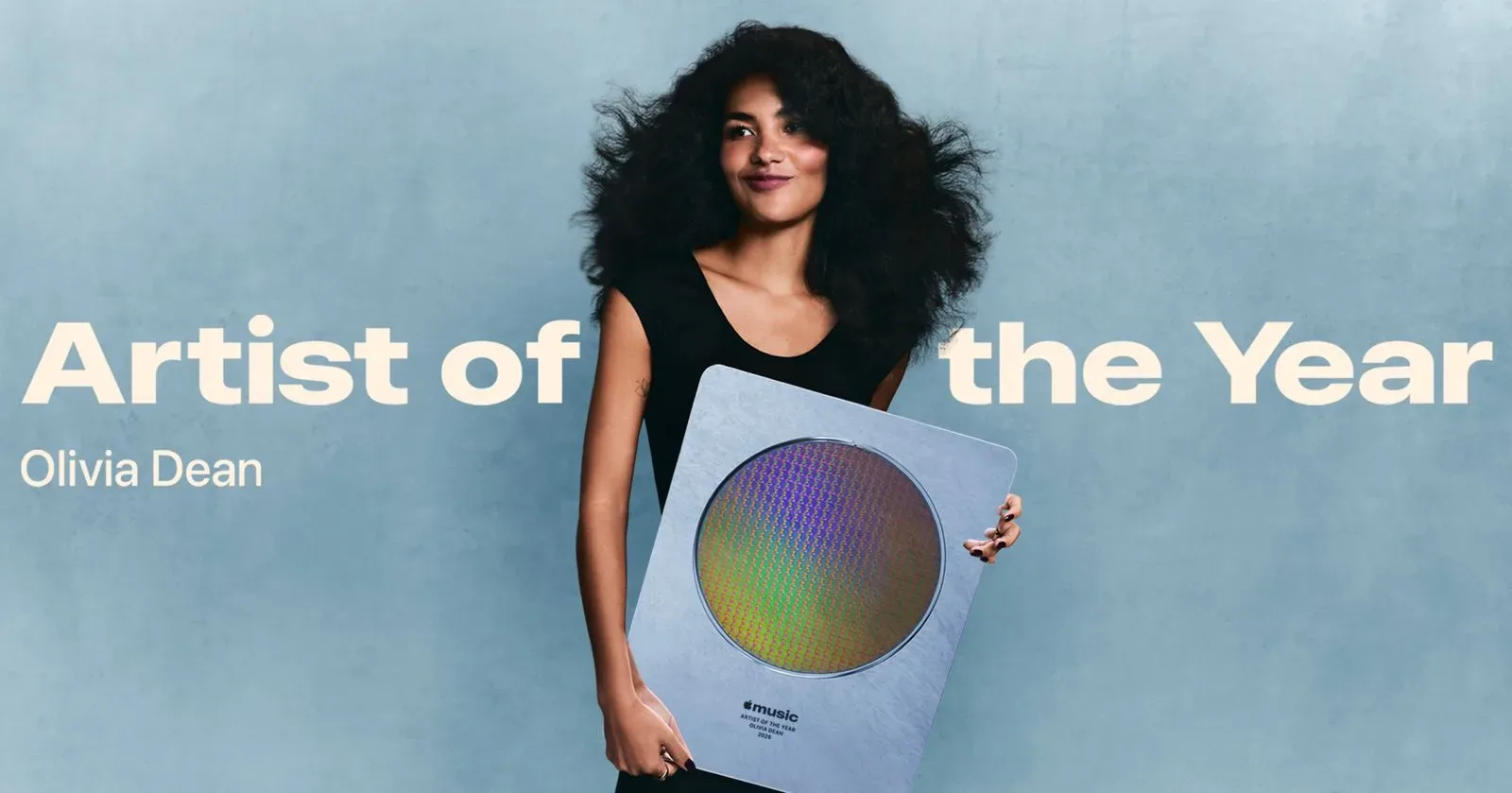
Music and pop-culture moments increasingly cross into the same social feeds that amplify gaming, film and technology stories. For another recent example of how artist recognition can be tied to a physical, custom-made object, see Olivia Dean’s custom silicon-wafer award.
What can and cannot be said from the available details
- Confirmed: Brown brought Gabrielle Cheyenne onstage during “Take You Down” in Atlanta and later shared an image of the moment on Instagram.
- Confirmed: Cheyenne had previously said she wanted to meet Brown and did not mean to disrespect Usher in her earlier interaction.
- Reported: The Atlanta opener faced issues connected to a potential delay over traffic, while later shows were smoother.
- Not established: That the onstage invitation was aimed at Usher, or that it proves an active dispute between Brown and Usher.
As the Atlanta run continues toward its final night, the responsible reading is to separate the performance from the discourse surrounding it. The Cheyenne segment was real, public and clearly meaningful to the fan involved. The larger feud narrative remains unverified speculation, regardless of how neatly the sequence fits into an online storyline.