Chicago has added an honorary street designation for Dr. Donda West at the corner of 78th Street and South Shore Drive in South Shore, the neighborhood closely associated with her son, Ye. The new sign reads Dr. Donda West Way, honoring an educator whose influence extended through decades of teaching, university leadership and work supporting literature and creative writing.
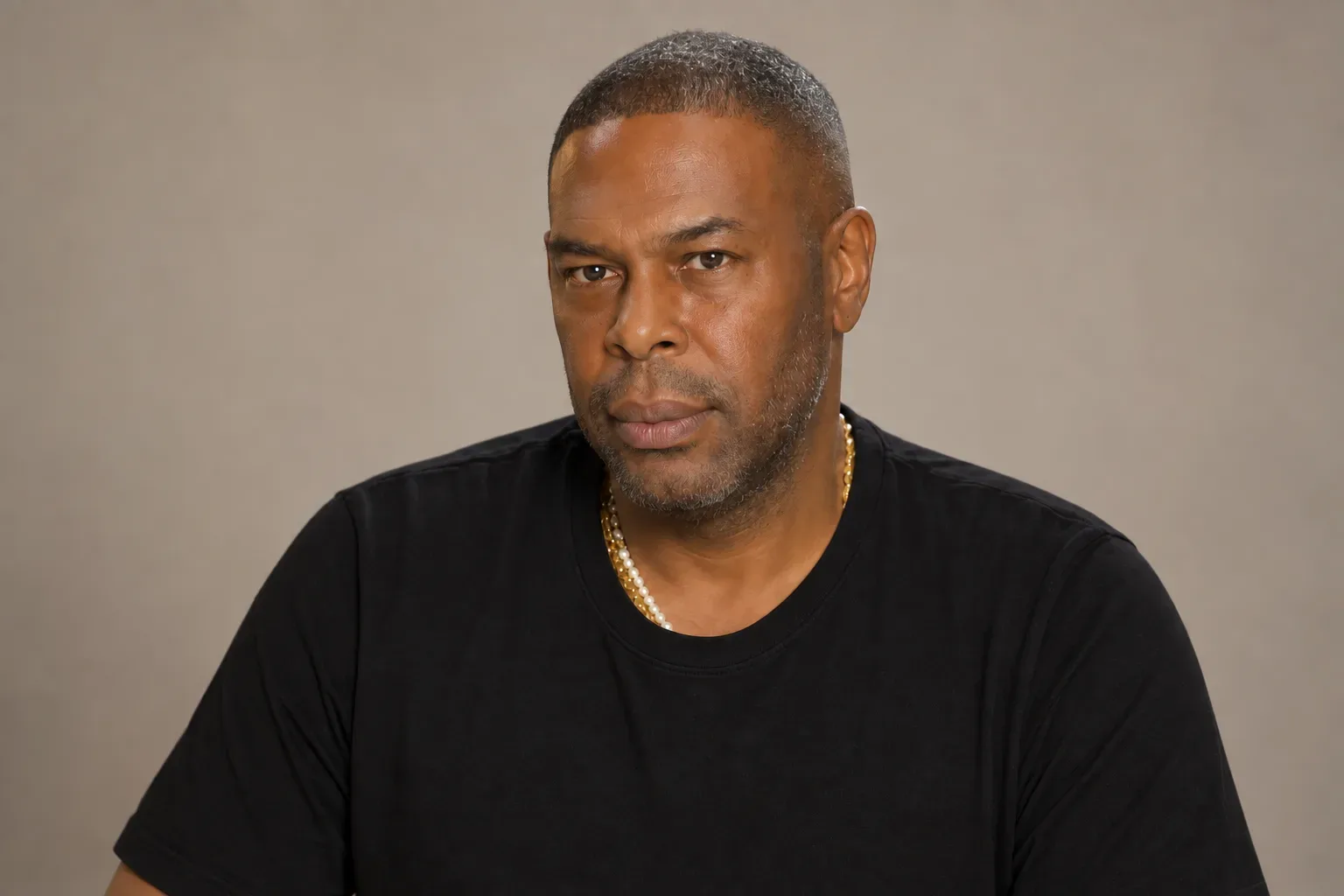
Ye attended the unveiling ceremony. The event brought together public officials, educators and Chicago music figures, including Cook County Clerk Monica Gordon, Chicago school board member and rapper Rhymefest, and rapper GLC. The public recognition arrives nearly two decades after Dr. West’s death in 2007, when she was 58.
While Ye’s worldwide profile makes the designation instantly recognizable beyond Chicago, the basis for the honor is Dr. West’s own record in education. She taught at Chicago State University for more than 20 years, chaired its English department and founded the Gwendolyn Brooks Center for Black Literature and Creative Writing.
An honorary designation, not a street rename
The ceremony took place at 78th Street and South Shore Drive. The designation gives that corner an additional commemorative name; it does not replace the existing street name.
That distinction matters. An honorary street designation is a civic marker intended to memorialize a person or recognize their contribution to a neighborhood, city or field. It allows the city to preserve the existing street address and official road name while creating a visible, place-based tribute. In practical terms, residents and visitors will still use the established street names for navigation and addresses, while the honorary sign marks the community’s recognition of Dr. West.
The wording also places the honor in a specific local setting rather than treating South Shore as merely a backdrop to a celebrity appearance. Ye spent his childhood in South Shore, where his mother owned a home. He bought that property in 2020. The corner designation therefore connects Dr. West’s university work, her family’s neighborhood history and the area’s cultural memory.
Dr. Donda West’s work at Chicago State University
Dr. West’s career at Chicago State University is the central reason the sign bears her name. Her tenure lasted more than two decades, and she led the university’s English department as chair. Department chairs typically have an academic leadership role within a discipline, helping guide an area of study and its faculty rather than serving solely as classroom instructors. Here, the public tribute recognizes both teaching and the institutional work of shaping an English department over many years.
She also founded the Gwendolyn Brooks Center for Black Literature and Creative Writing. The center’s name links its mission to Gwendolyn Brooks, the Chicago poet and writer. Within the facts available about the ceremony, the key point is that Dr. West created a dedicated home for Black literature and creative writing at the university.
That is a notably broader legacy than a single course, performance or publication. Literary centers can create room for writers and artists to develop, meet and be recognized within an academic community. Dr. West was nominated for the honorary designation by Chicago State professor Garrard McClendon, who highlighted the opportunities her university work helped create for emerging writers and artists.
“For nearly three decades at Chicago State University, Dr. West shaped minds and opened doors.”
The description from Alderman Greg Mitchell puts the tribute’s emphasis in straightforward terms: education is often remembered through people and opportunities, not only through buildings, job titles or formal records. The street sign makes that legacy visible in the city where the work took place.
A South Shore tribute with an artistic afterlife
Dr. West’s name has long had a prominent place in Ye’s artistic work. His album Donda carries her name, and a 2021 listening event for that project at Soldier Field included a replica of his South Shore childhood home inside the stadium.
The staging brought a personal Chicago location into a huge public venue. It also underscored why a street designation in South Shore lands differently from a generalized tribute elsewhere: the neighborhood is tied to the family home and to an important visual reference point in Ye’s work.
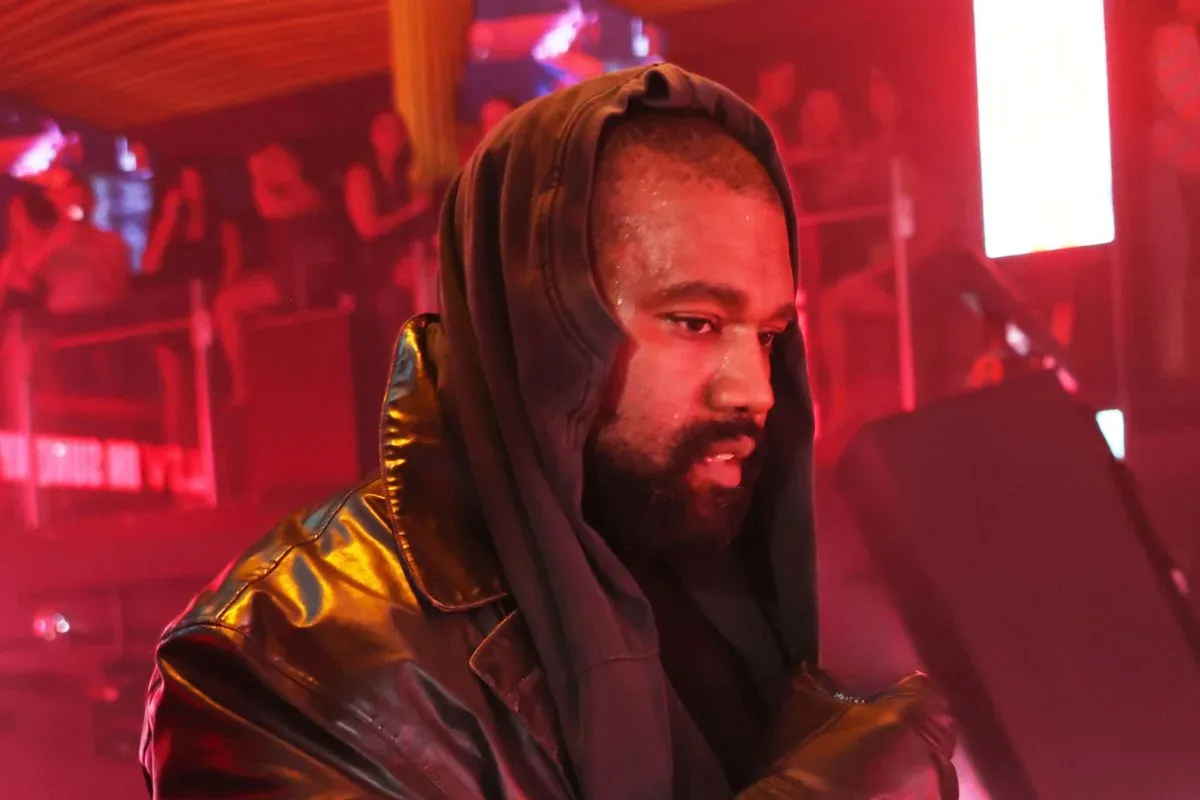
Earlier this month, Ye also returned to Soldier Field for two Chicago concerts. Those appearances and the earlier Donda presentation show a continuing connection between his public work and Chicago, but the street ceremony itself was focused on Dr. West’s accomplishments as an educator.
That distinction is worth keeping clear. The attendance of a globally known musician may draw broader attention, yet the civic honor commemorates Dr. West’s teaching, English-department leadership and literary-center founding. The sign is not presented as a music-industry accolade, a venue promotion or a rebrand of the neighborhood. It is an acknowledgment of an educator’s local impact.
Why the literary center is significant
Creative-writing and literature programs can matter because they give artistic practice a durable place within an institution. In this case, the Gwendolyn Brooks Center for Black Literature and Creative Writing reflects an effort to make Black literary work and new writing a specific focus at Chicago State University.
The available details do not describe particular programs, events or later achievements of the center, so it would be wrong to attach claims that are not established. But its founding remains an important part of the record honored at the ceremony. Creating such a center signals that literature and writing were not treated as peripheral pursuits; they were given an organized presence connected to the university.
For emerging writers and artists, the value identified during the ceremony was opportunity. That can mean a pathway to being encouraged, taught or brought into a creative community, without reducing Dr. West’s contribution to any one individual success story. It is also why the designation has resonance beyond the famous family name attached to it.
Chicago’s cultural memory at street level
Street signs are everyday objects, but honorary designations turn them into small public history markers. Unlike a limited-time concert production or a release campaign, a sign is encountered in routine neighborhood life. It can prompt residents, commuters and visitors to ask who the person was and why the city chose to remember them there.
Dr. Donda West Way does this at a location that joins professional history with personal geography. Her decades at Chicago State University establish the educational legacy. South Shore establishes the neighborhood connection. Ye’s attendance, alongside speakers from civic, educational and music communities, shows how those different circles met around the unveiling.
For readers interested in music stories where Chicago relationships, credit and legacy overlap, this look at C.L. Smooth’s royalty dispute examines a separate issue: the importance of documenting creative-business arrangements. Dr. West’s designation is a different kind of story—one about public commemoration—but both illustrate how cultural work can carry consequences well beyond a single performance or release.
What the ceremony establishes
The facts established by the unveiling are concise but meaningful. Dr. Donda West now has an honorary Chicago street designation at 78th Street and South Shore Drive. Ye attended. The gathering included civic leaders, an educator who nominated Dr. West, and musicians with Chicago ties. And the city’s recognition centers on her long career at Chicago State University, including leadership of the English department and the creation of the Gwendolyn Brooks Center for Black Literature and Creative Writing.
No remarks from Ye were reported from the ceremony, so the day should not be recast around an unverified speech or reaction. Its clearest public message came from the designation itself: Chicago is honoring Dr. Donda West as an educator who shaped students, supported creative possibility and left a legacy connected to both the university and South Shore.