
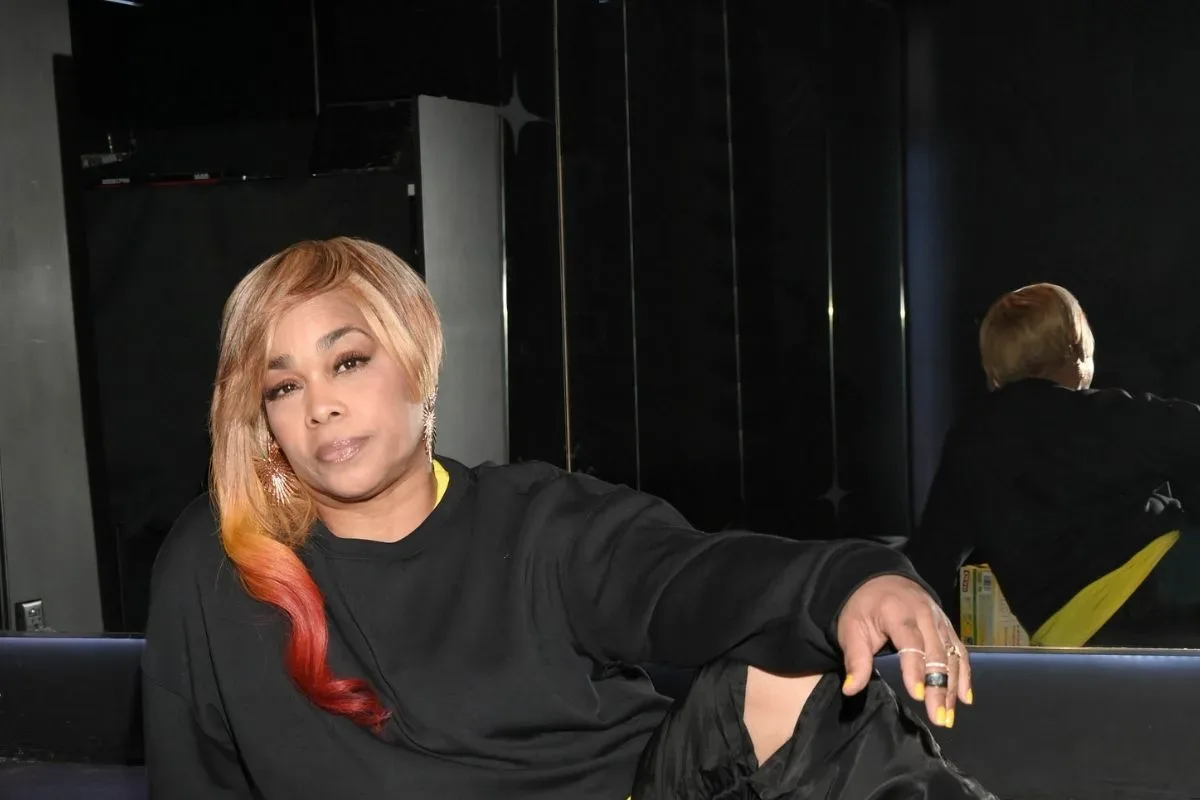
Chase Rolison has shared a candid account of a lupus hospitalization that left her with limited memory of the period, profound difficulty with basic movement and a long recovery process. In a conversation with Reginae Carter, the fashion entrepreneur said she had initially thought her stay lasted only a few days before learning it had been more than 20.
“I like lost my memory for that whole month,” Rolison said. “I thought I was in the hospital for three days. I was in there for like 20 something days.”
Her description is striking not only because of the duration of the hospital stay, but because it illustrates the practical disruption serious illness can cause after a patient leaves the hospital. Rolison said sitting upright could take around half an hour, and that she needed to learn to walk again. She also said, “I’ve almost lost my life three times.”
Those are Rolison’s personal recollections of her own health experience, not a medical account of lupus generally or a diagnosis update. The conversation does, however, put a human frame around something that can easily become abstract when discussed in public: recovery may involve relearning routines that are ordinarily invisible, from getting out of bed to moving through a workday.
A recovery measured in ordinary movements
Rolison’s account centers on a gap between how she remembered the hospitalization and how long it actually lasted. She recalled believing she had been admitted for about three days, while the actual stay was more than 20 days. Memory loss is the phrase she used to explain why that period felt unavailable to her afterward.
She also described the physical side of recovery in direct, specific terms. The challenge was not framed as returning immediately to a public-facing career or business goal. It began with sitting up and walking. That distinction matters: an extended absence can be noticed publicly through cancelled appearances, delayed projects or changes to a schedule, while the person experiencing it may be focused first on essential mobility and endurance.
Rolison said her symptoms can vary from one day to the next. In practical terms, that unpredictability affects commitments as much as it affects comfort. She said she cannot always attend events or take on activities she wants to do, and noted that people without experience of serious health problems—whether their own or a loved one’s—do not always understand those boundaries.
“I can’t always go to everything I want to go to or do certain things I really want to do,” Rolison said.
Related coverage includes Chase Rolison Details Lupus Hospitalization, Recovery and Fashion Ambitions.
That is a useful distinction between unwillingness and limitation. Public figures are routinely assessed by what they show up for, promote or post about. A fluctuating health condition makes that outward record incomplete by definition. The absence of a person from an event, work engagement or social gathering does not reveal the calculation behind it.
What Rolison’s family experience meant to her
Rolison is the daughter of T-Boz and Mack 10. She said her mother’s openness about living with sickle cell disease helped prepare her for navigating health challenges of her own. As a child, Rolison accompanied T-Boz on hospital visits and saw how her mother handled her condition.
That background gave Rolison a reference point long before she had to describe her own experience publicly. It also underlines that chronic health issues can shape a family’s routines, vocabulary and expectations over time. In Rolison’s telling, watching her mother manage sickle cell disease did not erase the difficulty of her own hospitalization. Rather, it offered an example of how to meet difficult circumstances.
T-Boz’s health has also had visible effects on TLC’s touring schedule. Chilli recently addressed T-Boz’s recovery with concertgoers while continuing to perform without her. The two situations should not be conflated: Rolison discussed lupus and her own recovery, while T-Boz has spoken openly about sickle cell disease. But they do show how health considerations can affect both private family life and the public commitments attached to a long-running music career.
Building Anela Vintage alongside changing symptoms
The conversation was not solely about illness. Rolison also discussed Anela Vintage, her fashion business focused on late-1990s and early-2000s styles. The name comes from her middle name, and the business operates through an appointment-based showroom in West Hollywood.
That detail makes the business feel more deliberate than a casual resale page. An appointment-based showroom establishes a setting for customers to see pieces in person, while allowing the business to operate around a defined schedule. For someone who says her symptoms can shift day to day, structure may be particularly important—though Rolison did not describe her business setup as a medical accommodation.
Her interest in clothing predates the venture. Rolison traced it back to childhood shopping trips and time spent working on clothes with her mother. Vintage fashion, in this context, is not simply a trend category. It is part of a longer personal connection to finding, considering and altering garments.
Anela Vintage’s focus on the late 1990s and early 2000s also places it within an era-specific fashion interest rather than a broad claim to sell every kind of secondhand clothing. The supplied details do not identify particular labels, inventory quantities or price points, so those elements remain unknown. What is clear is that Rolison sees the venture as a foundation rather than an endpoint.
She said she intends to move beyond selling vintage clothing and into designing her own pieces. Her longer-term ambition is to open a store on Melrose.
From curation to design
There is an important creative difference between running a vintage business and designing original apparel. Vintage curation involves selecting existing pieces and presenting them to customers; design means creating something new. Rolison’s stated plan encompasses both sides: she is building a business around sourced fashion while looking ahead to her own work.
A Melrose store is likewise a goal rather than a confirmed opening. Rolison did not give a date, location or timeline. The value in the ambition is the direction it sets: from an appointment-only showroom in West Hollywood toward a dedicated retail space in a high-profile Los Angeles shopping area.
For readers following fashion and celebrity culture, it is tempting to reduce that journey to a familiar celebrity-adjacent business narrative. Rolison’s interview complicates the easy version. The account includes entrepreneurial momentum, but it also makes clear that health imposes changing limits on time, movement and attendance.
That tension exists across many kinds of public work. Social media and event culture often reward constant availability, while recovery can require rest, altered plans and an acceptance that a calendar cannot always be honored as written. Rolison’s comments do not offer a neat productivity lesson, and they should not be turned into one. Their force comes from the opposite: she described wanting to participate in work and events while acknowledging that her body does not always permit it.
Why the conversation matters
Rolison’s story connects public identity, family history, illness and independent fashion work without pretending they are separate compartments. Her mother’s experience informed how she understood health challenges. Her own hospitalization reshaped the immediate realities of memory and movement. And her work with Anela Vintage remains a place for long-term creative plans, from clothing design to a possible Melrose storefront.
It also offers a reminder to treat people’s stated health limits as real without demanding a fuller explanation than they choose to give. Rolison shared substantial details: more than 20 days in the hospital, missing memories of that period, difficulty sitting up and the need to learn to walk again. She also said symptoms can shift without warning. That is more than enough to understand why plans sometimes change.
Her public comments arrive alongside a clear professional vision. Anela Vintage is rooted in an era of fashion she loves, in formative shopping and clothing projects with her mother, and in a move toward original design. The business and the recovery are both ongoing stories; neither has been presented as completed. For now, Rolison has drawn attention to the difficult period she survived while continuing to articulate what she wants to build next.
For another recent look at the pressure placed on women’s clothing choices in public settings, see the discussion around Brittany Renner’s courtside outfit criticism.