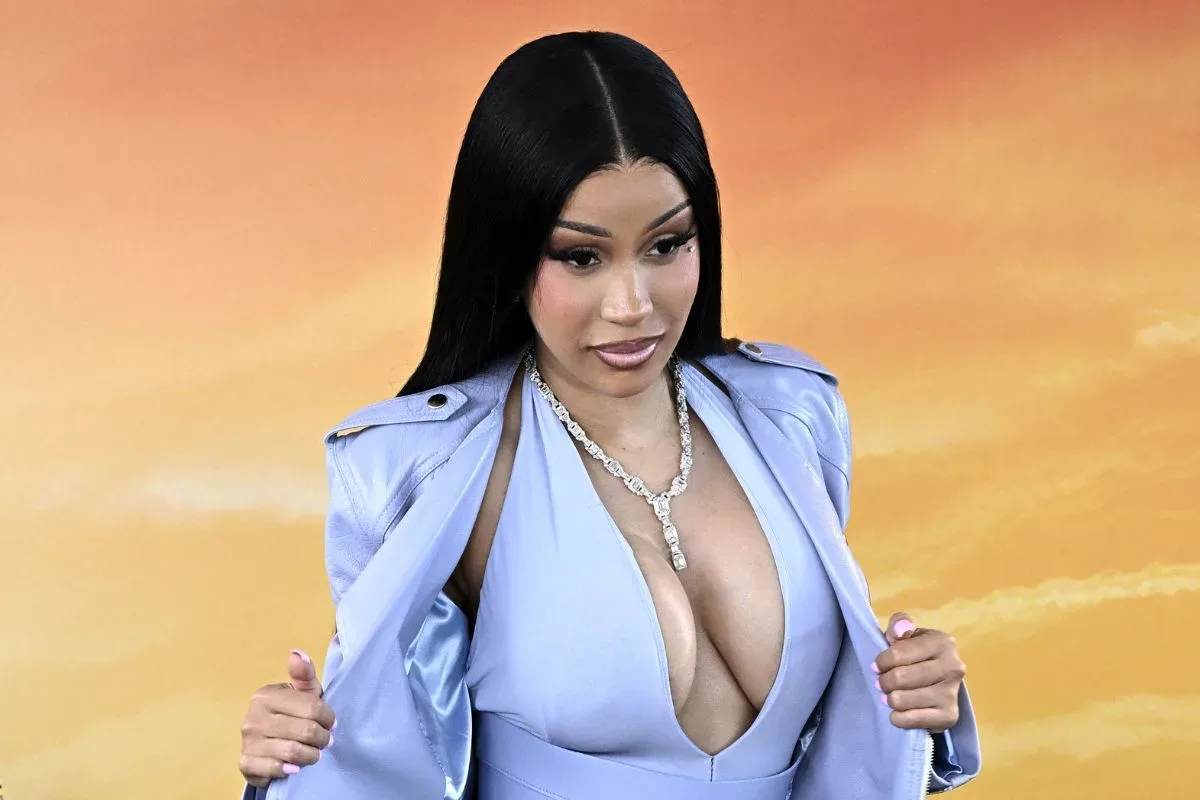
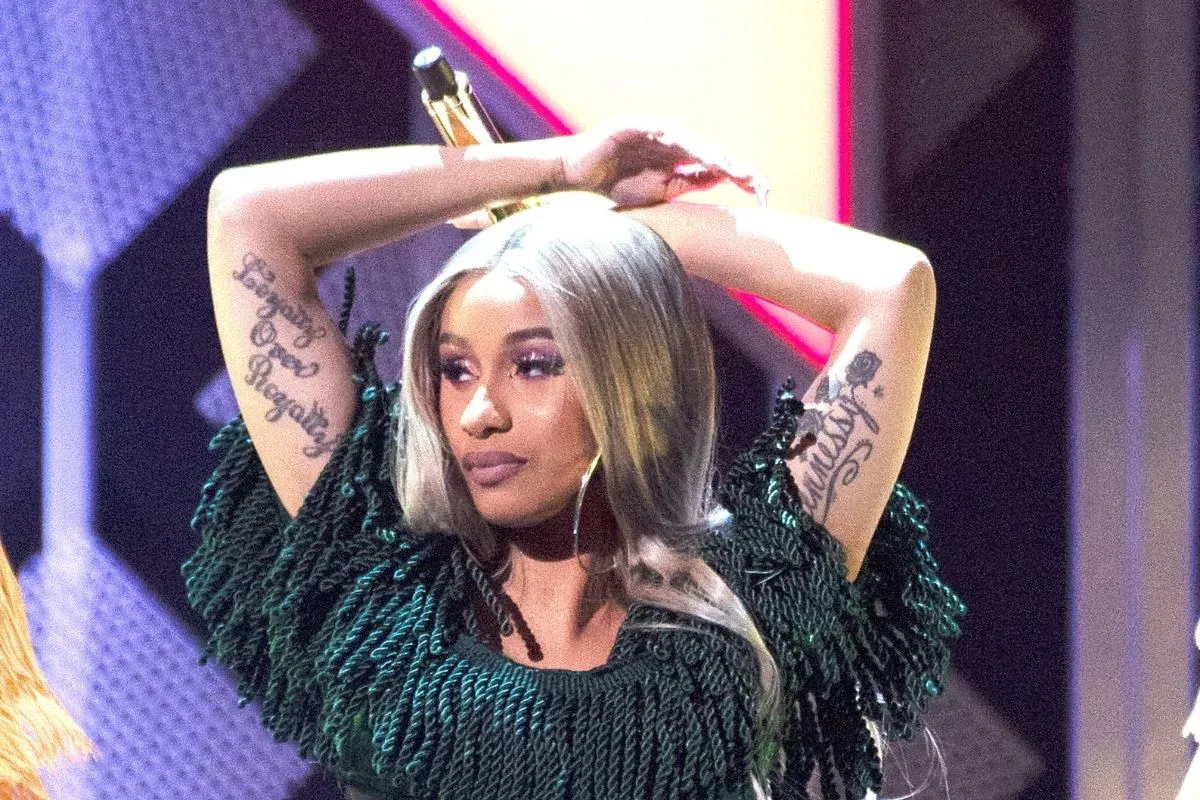
Cardi B and BZR WKND promoter Ryan Burke have offered sharply different accounts of the money paid for the canceled Cardi B & Friends concert in Kingston, Jamaica. The dispute centers on whether the rapper received US$2.5 million in full, as Burke has claimed, or a US$1 million deposit, as Cardi B said during an Instagram Live broadcast on November 9.
The planned performance had been set for October 18 at Kingston’s National Stadium, with Cardi B positioned as the event’s lead artist. After her withdrawal, a proposed replacement date of December 20 also appeared unlikely to proceed. Burke has said he requested repayment and did not receive a response; Cardi B has said a further payment intended to cover the show’s production did not arrive. She has also said she would countersue if BZR pursues legal action.
Those are competing public claims, not a settled account of what the agreement required or where responsibility ultimately lies. The available information does not establish the contract’s payment schedule, the conditions attached to any funds, production obligations, or whether either side has filed a lawsuit. What is clear is that the disagreement has moved beyond a canceled appearance into a dispute over deposits, production financing, and the practical aftermath for ticket buyers.
Two incompatible accounts of the payment
Burke’s position is straightforward: he has said Cardi B was paid US$2.5 million directly and in full. He has tied his request for the money’s return to the apparent collapse of the proposed December 20 date.
Cardi B’s version is materially different. She said BZR sent a US$1 million deposit for the concert, but that a subsequent payment for production never came through. The distinction matters because a deposit is usually an initial payment made before a performance is completed, while a full artist fee would suggest the entire agreed amount had been transferred. Neither label alone answers whether money must be repaid if a concert is canceled; that depends on the underlying contract and any conditions attached to payment.
Her reference to production also identifies a second financial layer beyond an artist’s appearance fee. In this context, production funding means money intended to support the staging and delivery of the event rather than simply compensate the headliner. The supplied accounts do not specify which costs were expected to be covered, who controlled that budget, or whether the alleged missing payment was contractually separate from the deposit. Those omissions are central, rather than incidental, to understanding why the parties are talking past one another.
Cardi B previously said contractual restrictions prevented her from fully sharing her side of the story. That means the public has only partial descriptions from the two sides, not the text that would explain payment milestones, cancellation terms, notice requirements, or refund obligations. Public statements can clarify each party’s position, but they cannot substitute for the agreement itself.
From a marquee stadium booking to cancellation
The concert was presented as a major Jamaica date for Cardi B. At an August launch event at AC Hotel Kingston, her manager Kelvin Santiago appeared with promoter Gramps Morgan. The show was described as Cardi B’s first performance in Jamaica and her first stadium date.
Related coverage includes Cardi B Disputes $2.5M Payment Claim Over Canceled Jamaica Show.
That context helps explain why the cancellation has drawn attention. The event carried the artist’s name in its billing for months, and the planned National Stadium setting raised expectations around an unusually high-profile live date. When a lead artist exits a show built around that billing, organizers must confront several simultaneous problems: whether the event can continue, what happens to tickets, how the production is paid for, and how to communicate with fans who bought into the original lineup.
Cardi B denied that weak ticket sales caused her October withdrawal. She said she had heard that more than 18,000 tickets had been sold. That figure is her account of what she had been told, not an independently documented sales total in the material available here. BZR, meanwhile, initially asked fans for patience while it worked through the change, without naming a replacement headliner or setting out a refund plan at that stage.
Her team directed ticket-related questions to the promoters and encouraged fans to monitor Cardi B’s own channels for information about future performances. The split in communications was notable: the artist’s camp addressed its position and future plans, while ticket administration remained with the event organizers. For buyers, that division can be frustrating, but it reflects a basic distinction between an artist’s participation in a show and a promoter’s responsibility for selling, servicing, and refunding tickets.
Refunds are the immediate issue for fans
Burke now says ticket refunds have begun and that every ticket buyer will be repaid. That is the most concrete update for people affected by the canceled event. It does not resolve the financial dispute between Cardi B and BZR, but it separates the customer remedy from the argument over artist payments and event costs.
For ticket holders, the relevant practical question is whether the promoter’s refund process reaches the original purchaser and returns the amount paid. The available information does not include processing times, a platform-specific procedure, or instructions for buyers who obtained tickets through a third party. Fans should therefore rely on the promoter’s official ticketing communications and retain confirmation details, rather than treating social-media discussion of the artist-promoter dispute as a refund mechanism.
This is also why a canceled headline performance can create consequences beyond the artist and promoter. A ticket refund can settle the buyer’s transaction, but it does not determine questions about deposits, production spending, or alleged losses between the businesses involved. Those are different relationships, potentially governed by different terms.
What a potential legal fight would and would not answer
Burke has threatened legal action, and Cardi B has said she would countersue. A countersuit is a claim brought by a defendant in response to being sued, usually alleging that the plaintiff also bears legal responsibility. Cardi B’s statement signals that her camp would not accept BZR’s version of events without challenge; it does not itself mean a case has been filed.
If a lawsuit does materialize, the central issues would likely be more specific than the social-media headline of “Was $2.5 million paid?” A court dispute could turn on questions such as what payments were made, who received them, what they were designated for, whether required production funding was delivered, whether cancellation conditions were triggered, and what remedy the contract provides. None of those questions can be conclusively answered from the competing statements now public.
There is a meaningful difference between saying funds were sent and establishing what those funds legally represented. A transfer might be characterized as an artist fee, a deposit, money for production, an advance subject to conditions, or some combination of those categories. The labels used in public do not necessarily decide the contractual result. Similarly, the fact that a concert did not take place does not automatically establish whether a payment must be returned; cancellation provisions and the cause of the cancellation would be significant.
That uncertainty is particularly important here because both sides connect the breakdown to different failures. Burke’s comments focus on repayment after the December date became doubtful. Cardi B’s comments focus on an allegedly unpaid production installment. Those narratives may ultimately be mutually exclusive, partially overlapping, or dependent on contract language not publicly available. Until more documentation or formal legal filings emerge, they should be treated as allegations from opposing parties.
A reminder of how live-event disputes become public
The case illustrates how quickly an event dispute can become a public-relations problem once a major booking falls apart. Fans want a simple answer—will the performer appear, and will tickets be honored or refunded? The financial relationships behind that answer are usually more complex. A promoter may be managing venue arrangements, marketing, ticket operations, and production, while the artist’s side is managing performance commitments and the requirements needed to stage a show.
When communication breaks down, each side has incentives to explain its version publicly. Yet public accounts are necessarily selective, especially when contracts limit what can be disclosed or when litigation is contemplated. The useful distinction for observers is between confirmed operational developments and disputed financial claims. The reported start of refunds is an operational update from BZR. The amount paid to Cardi B, whether production money was outstanding, and whether repayment is owed remain contested.
The episode also leaves the original ambition of the show unresolved. Cardi B had said she still wanted to perform for Jamaican fans despite the abandoned plans. No new Jamaica date has been announced in the available information. For broader music-business coverage, readers can also follow recent reporting on Lil Baby’s FRESH opening forecast.
For now, the practical path is clearer for ticket holders than it is for the parties at the center of the dispute: BZR says refunds have started. The larger disagreement—whether Cardi B was fully paid US$2.5 million or received only a US$1 million deposit while production funding remained unpaid—has no public resolution yet.